
 Previzualizare
 Trimite prin felicitare
 Distribuie
 Detalii despre lucrare
 Ghid
Ghid

 Descarcă imaginea
 Produse similare
 Radiografie
 Galerie foto
 Întrebări și răspunsuri
 Statistici
Reverend Wadham Pigott

- 75.0 x 62.0 cm


 Vezi mai mult
Giclée / Imprimare artistică
Printuri giclée sau pe canvas de calitate muzeală, cu proces de producție rapid și opțiuni flexibile de finisare. ( Comandă pictură realizată manual Comută pe Imagine Digitală)




P118B lei10

P118H lei10

P118W lei10

P438Z lei10

P508JH lei12

P508YH lei12

P805H lei10

P805Z lei10

P919BZ lei10

P919G lei10

P919XJ lei10

P959ZH lei10

P968JZ lei12

W106C lei8

W218G lei10

W218JH lei8

W218Y lei10

W307PJ lei10

W316G lei10

W316PJ lei8

W316Y lei10

W398PJ lei8

W4111J lei10

W500HY lei15

W500JH lei15

W692G lei12

W849H lei8

W940BG lei15

W953PJ lei8




Alegeți dintre dimensiunile noastre prestabilite, care respectă proporțiile originale ale operei de artă.

Introduceți lățimea și înălțimea necesare pentru a se potrivi ramei sau peretelui dumneavoastră. O printare poate fi doar tăiată, niciodată extinsă dincolo de dimensiunea imaginii originale, astfel încât o dimensiune cu o formă diferită va pierde o parte din imagine. Vă trimitem o simulare digitală pentru aprobare înainte de a imprima orice. Imaginea afișată pe această pagină nu prezintă tăierea reală — doar simularea arată acest lucru.
Livrare în întreaga lume () în 2 săptămâni, în loc de cele 4/5 săptămâni standard. (5 Noiembrie)

Livrare expres gratuită la nivel mondial

Pânză de in de înaltă calitate

Asigurare completă pentru transport

Garanție de rambursare a taxelor vamale

Garanția fidelității culorilor

Politica de retur în 100 de zile (doar pentru defecte de fabricație)

Garanție de rambursare 100%

Ofertă pentru comenzi multiple
 Opțiunea cu sticlă este disponibilă doar pentru dimensiuni de sub 110 cm

Reverend Wadham Pigott
Giclée / Imprimare artistică
Dimensiune reproducere
-


Preț total calculat
lei 385
O Imagine din Anglia Secolului XVIII: Reverendul Wadham Pigott
În inima Suffolk-ului, într-o perioadă când Anglia se pregătea pentru schimbări sociale și artistice profunde, Thomas Gainsborough a surprins o scenă intimă și plină de semnificații: Reverendul Wadham Pigott. Această pictură, datată aproximativ 1780, nu este doar o reprezentare fizică a unui cleric, ci o fereastră spre un colț al societății engleze, o meditație asupra clasei sociale, a frumuseții și a rolului artei în captarea acesteia. Pigott, cu expresia sa calmă și privirea directă către spectator, ne invită la o contemplare asupra personalității sale, a statutului său social și a atmosferei generale a scenei.

Tehnica și Stilul: O Simfonie de Lumina și Umbră
Gainsborough, un maestru al luminii și umbrei, a folosit o tehnică impresionistă timpurie pentru a crea o atmosferă plină de subtilitate. Paleta sa este dominată de nuanțe calde, cu tonuri de bej, maro și verde în fundal, care evocă peisajul rural din Suffolk. Utilizarea magistrală a sfumato-ului – o tehnică prin care Gainsborough amesteca culorile subtil pentru a crea tranziții liniare și umbre delicate – conferă picturii un aer de realism și profunzime. Costumul Reverendului Pigott, cu detaliile precise ale colierului alb și al mantalei negre, este pictat cu o atenție remarcabilă la detalii, subliniind statutul său social. Este important să reținem că Gainsborough nu a urmărit o reprezentare idealizată; în schimb, a capturat esența umană, emoțiile subtile și complexitatea personalității.
Context Istoric și Social
Pictura lui Gainsborough trebuie înțeleasă în contextul social al Angliei secolului XVIII. Aceea perioadă a fost marcată de transformări economice, sociale și politice semnificative. Creșterea comerțului, dezvoltarea industriei manufacturiere și ascensiunea clasei de mijloc au dus la o schimbare profundă în structura socială. Clerul, ca reprezentanți ai autorității religioase și a elitei intelectuale, aveau un rol important în societate. Reverendul Wadham Pigott, cu statutul său social și cu aspectul său calm și demn, reflectă această complexitate socială. Această lucrare nu este doar o portretizare individuală, ci și o mică fereastră spre lumea și valorile unei clase sociale specifice.
Simbolism și Interpretare
Deși aparent simplă, pictura lui Gainsborough este plină de simboluri subtile. Privirea directă a Reverendului Pigott către spectator creează o conexiune imediată, invitând la o introspecție asupra propriei noastre imagini. Costumul său, cu detaliile sale precise, indică statutul său social și rolul său în comunitate. Fundalul rural, cu peisajul Suffolk-ului, evocă legătura dintre om și natură, un temă central în arta lui Gainsborough. În plus, este important de menționat că această lucrare a fost inspirată de o copie după Gainsborough, realizată de Edward William Andrews în 1911, ceea ce sugerează o apreciere continuă pentru stilul și tehnicile artistului.
Reproducerea Artistică: O Posibilitate de a Admira Frumusețea Originală
OriginalUniqueArt.com oferă reproduceri fine ale picturii "Reverend Wadham Pigott" de Thomas Gainsborough, realizate de artiști calificați care respectă cu sfințire stilul și tehnicile originale ale artistului. Aceste reproduceri sunt ideale pentru cei care doresc să admire frumusețea originală a picturii fără a fi nevoiți să se deplaseze la o galerie sau un muzeu. Calitatea imprimării, paleta de culori și atenția la detalii garantează că reproducerea va fi o reflectare fidelă a operei originale, oferind o experiență vizuală captivantă și memorabilă.
Întrebări și răspunsuri
Ce dimensiune ar trebui să aleg pentru "Reverend Wadham Pigott", astfel încât să se potrivească în camera mea?
Pentru o Living Room, dimensiunea recomandată de imprimare pentru "Reverend Wadham Pigott" de Thomas Gainsborough este Format mediu.
"Reverend Wadham Pigott" de Thomas Gainsborough este o operă de artă luminoasă sau întunecată?
În ceea ce privește luminozitatea percepută, "Reverend Wadham Pigott" de Thomas Gainsborough este umbră.
La ce vârstă a creat Thomas Gainsborough opera „Reverend Wadham Pigott”?
Thomas Gainsborough avea 53 ani când a creat "Reverend Wadham Pigott" în 1780. Vârsta este calculată pe baza anului nașterii artistului, 1727.
Biografie artist
A Suffolk Beginning: The Early Life and Artistic Awakening
The story of Thomas Gainsborough, one of Britain’s most celebrated artists, unfolds not within the confines of a grand academy or bustling metropolis, but in the tranquil market town of Sudbury, Suffolk. Born in 1727, the youngest son of John Gainsborough, a weaver and wool merchant, young Thomas displayed an innate artistic sensibility from a remarkably early age. While his siblings pursued more conventional paths, Thomas’s world rapidly became consumed by drawing and painting – miniature self-portraits and delicate landscapes blossoming from his hand even before he reached ten years old. This precocious talent wasn't merely a childhood pastime; it was the burgeoning of a vision that would reshape British art. His father, recognizing this unique gift, encouraged its development, setting young Thomas on a path diverging sharply from the family trade. The Suffolk countryside itself became his first studio, imbuing his later works with a deep and abiding love for the natural world – a characteristic that would distinguish him throughout his career. This early immersion in landscape wasn’t simply about replicating what he saw; it was about *feeling* the essence of the English countryside, an emotional resonance that would permeate his canvases for decades to come.London and the Shaping of a Style: Influences and Early Commissions
In 1740, at the age of thirteen, Gainsborough journeyed to London, embarking on formal artistic training under Hubert Gravelot, a French engraver renowned for his elegant rococo style. This exposure proved pivotal, introducing him to refined techniques and fashionable aesthetics. However, it was his association with William Hogarth and the St Martin’s Lane Academy that truly began to mold his artistic identity. Initially influenced by Hogarth's narrative approach – his focus on social commentary and moral lessons – Gainsborough soon charted his own course, developing a distinctive style characterized by its lightness of touch, fluid brushwork, and subtle color palettes. He absorbed lessons from various masters, yet resisted strict adherence to any single school, forging a path that blended observation with imagination. He studied the works of Dutch landscape painters, appreciating their mastery of light and atmosphere, and was deeply influenced by the portraits of Anthony van Dyck, particularly his ability to capture character and personality. Returning to Sudbury after marrying Margaret Burr in 1746, Gainsborough established himself as a portraitist for the local gentry. This period honed his skills in capturing likenesses and character, but it was during his subsequent move to Ipswich, and later Bath, that he began attracting a more sophisticated clientele – individuals who appreciated not just accurate representation, but also artistic flair and emotional depth.Bath and Beyond: Portraiture, Landscape, and Royal Patronage
The years spent in Bath (1759-1774) marked a significant turning point in Gainsborough’s career. The city was a hub of fashionable society, providing him with ample opportunities to paint portraits of the wealthy and influential. He quickly gained renown for his ability to capture not only physical resemblance but also the personality and social standing of his sitters. His portraits weren't merely depictions; they were statements about identity and status. He experimented with new techniques, incorporating looser brushstrokes and brighter colors – a departure from the more formal style favored by his rival, Sir Joshua Reynolds. However, even amidst the demands of portraiture, Gainsborough never abandoned his passion for landscape painting. In fact, he often seamlessly integrated landscapes into his portraits, creating compositions that celebrated both human subjects and the beauty of the natural world. This innovative approach – a hallmark of his style – set him apart from many of his contemporaries. He sought out dramatic lighting effects, capturing the fleeting moments of daybreak and twilight with remarkable skill. The culmination of his success came with his move to London in 1774, where he established a studio on Pall Mall and became a founding member of the Royal Academy. He also secured royal patronage, becoming a favorite painter of King George III and Queen Charlotte, further solidifying his position as one of Britain’s leading artists. *Mrs. Thomas Gainsborough*, painted in 1785, exemplifies this period – an elegant portrait showcasing rococo style and muted tones.A Legacy of Innovation: Enduring Appeal and Influence
Thomas Gainsborough died in 1788, leaving behind a body of work that continues to captivate audiences today. His influence on subsequent generations of British artists is undeniable. He liberated portraiture from rigid formality, infusing it with spontaneity and emotional resonance. His loose brushwork and atmospheric effects paved the way for the Impressionists, while his lyrical landscapes inspired artists like John Constable, who deeply admired Gainsborough’s ability to capture the spirit of the English countryside. Gainsborough's legacy extends beyond technique; it lies in his profound understanding of human character and his unwavering commitment to artistic expression. He wasn’t simply a painter of portraits or landscapes; he was a storyteller, a poet of light and color, and a visionary who transformed British art. His paintings are a testament to the power of observation, imagination, and the enduring allure of the English landscape.Exploring Gainsborough's World Today
Fortunately, the opportunity to experience Gainsborough’s genius firsthand remains readily available. Gainsborough’s House, in his birthplace of Sudbury, stands as a testament to his life and work, offering visitors an intimate glimpse into his early influences and artistic development. Christchurch Mansion in Ipswich houses a significant collection of Gainsborough paintings alongside works by Constable and other masters. Numerous museums across the United Kingdom and internationally display his masterpieces, including the National Gallery in London and the Metropolitan Museum of Art in New York. His work continues to be studied, analyzed, and celebrated, ensuring that his artistic vision will endure for generations to come.
Thomas Gainsborough
1727 - 1788 , Regatul Unit al Marii Britanii și Irlandei
Detalii rapide
- Artistic Movement Or Style: Rococo, Portraitură
- Artists Or Movements Influenced By This Artist: ['John Constable']
- Artists Who Influenced This Artist:
- Hubert Gravelot
- William Hogarth
- Date Of Birth: 1727
- Date Of Death: 1788
- Full Name: Thomas Gainsborough
- Nationality: British
- Notable Artworks:
- Mrs. Thomas Gainsborough
- Mr și Mrs Andrews
- Place Of Birth (City And Country): Sudbury, UK
Articole similare

Oil on Canvas: A Historical & Technical Exploration of a Timeless Artistic Medium
Explore the rich history & enduring techniques of oil painting on canvas. Discover the science behind its longevity, conservation practices, and contemporary relevance. Expert insights for art enthusiasts.

Moștenirea Durabilă a Picturii în Ulei: Tehnică, Istorie și Practică Contemporană
Descoperă istoria fascinantă și tehnicile esențiale ale picturii în ulei. Ghid complet pentru artiști, de la materiale până la creații contemporane. Îmbunătățește-ți abilitățile artistice!

The Enduring Legacy of Oil on Canvas: Technique, History & Aesthetic Impact
Explore the rich history & techniques of oil painting – from Renaissance masters to Impressionism. Discover pigments, layering methods, and why this timeless medium endures. Expert insights for artists & art enthusiasts.

The Enduring Power of Painting: A Historical & Contemporary Exploration of Form and Emotion
Explore the rich history & enduring techniques of oil painting with OriginalUniqueArt. Discover masterpieces, learn about art collecting, and find authentic handmade reproductions crafted by skilled artists.
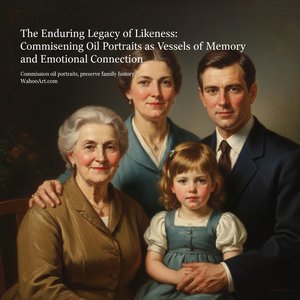
Portrete pe Pânză: Imortalizarea Iubitorilor prin Artă – O Explorare a Legăturii Emoționale și a Moștenirii Familiale
Imortalizați iubirea și legăturile familiale cu portrete personalizate realizate de artiști profesioniști. Descoperiți tehnici artistice rafinate, reproducerea capodoperelor și sfaturi pentru conservarea moștenirii dumneavoastră. Calitate superioară garantată!


