

 Previzualizare
 Trimite prin felicitare
 Distribuie
 Detalii despre lucrare
 Ghid
Ghid

 Descarcă imaginea
 Produse similare
 Radiografie
 Galerie foto
 Statistici
Queen Charlotte


 Vezi mai mult
Reproducere pictată manual în ulei
Pictură în ulei pe pânză, pictată manual de artiștii noștri la dimensiunea și ramele dorite de dumneavoastră, pe comandă. ( Comută pe versiunea Print Comută pe Imagine Digitală)




P118B lei10

P118H lei10

P118W lei10

P438Z lei10

P508JH lei12

P508YH lei12

P805H lei10

P805Z lei10

P919BZ lei10

P919G lei10

P919XJ lei10

P959ZH lei10

P968JZ lei12

W106C lei8

W218G lei10

W218JH lei8

W218Y lei10

W307PJ lei10

W316G lei10

W316PJ lei8

W316Y lei10

W398PJ lei8

W4111J lei10

W500HY lei15

W500JH lei15

W692G lei12

W849H lei8

W940BG lei15

W953PJ lei8




Alegeți dintre dimensiunile noastre prestabilite, care respectă proporțiile originale ale operei de artă.

Introduceți lățimea și înălțimea necesare pentru a se potrivi ramei sau peretelui dumneavoastră. Această lucrare este pictată manual, așa că, pentru o dimensiune cu o formă diferită, artistul poate picta puțin mai mult în jurul imaginii sau poate tăia puțin din margini — dumneavoastră decideți. Vă vom trimite o simulare digitală pentru aprobare înainte de a începe pictarea. Imaginea afișată pe această pagină nu reprezintă rezultatul real — doar simularea este reprezentativă.
După plasarea comenzii, echipa OriginalUniqueArt.com va contacta clientul prin e-mail pentru instrucțiuni și îi va furniza o previzualizare a machetei
Livrare în întreaga lume () în 3-4 săptămâni, în loc de cele 5 săptămâni standard. (26 Octombrie). Fără compromisuri în ceea ce privește calitatea.

Livrare expres gratuită la nivel mondial

Pânză de in de înaltă calitate

Asigurare completă pentru transport

Garanție de rambursare a taxelor vamale

Garanția fidelității culorilor

Politica de retur în 100 de zile (doar pentru defecte de fabricație)

Garanție de rambursare 100%

Ofertă pentru comenzi multiple
 Opțiunea cu sticlă este disponibilă doar pentru dimensiuni de sub 110 cm

Queen Charlotte
Tehnică de reproducere
Dimensiune reproducere
-


Preț total calculat
lei 1389
A Portrait of Graceful Majesty: Exploring Gainsborough’s Queen Charlotte
Thomas Gainsborough, born in 1727 amidst the serene Suffolk countryside, wasn't merely inheriting a family trade; he was embracing an artistic destiny that would forever alter the landscape of British painting. From his earliest years, demonstrating an astonishing aptitude for drawing and sketching landscapes—often depicting scenes from his own surroundings—he defied expectations and pursued a path singularly devoted to visual artistry. This formative influence instilled in him a profound appreciation for observation and detail, qualities that would become hallmarks of his distinctive style. His father’s encouragement fueled this passion, recognizing the extraordinary potential within his son and steering him away from the loom and towards the easel.- Subject Matter: The portrait depicts Queen Charlotte, consort to King George III, capturing her regal presence against a backdrop of understated elegance.
- Style: Gainsborough’s oeuvre is characterized by its Romantic sensibility—a focus on natural beauty and psychological depth—evident in the soft lighting and nuanced portrayal of emotion.
Historical Context: A Reflection of Georgian Refinement
Painted in September 1782 at Windsor Castle, this portrait sits firmly within the context of Georgian Britain—an era defined by aristocratic patronage and a fervent embrace of classical ideals blended with burgeoning Romantic sensibilities. Gainsborough’s commission underscores the importance placed on portraying royalty as symbols of virtue and stability during a period marked by political upheaval and anxieties surrounding succession. The painting reflects the prevailing aesthetic values of the time, prioritizing restraint and dignity alongside an appreciation for natural beauty.- Symbolism: The white collar and lace trim symbolize purity and nobility—traditional emblems associated with royal status.
- Emotional Impact: Despite its formal composition, the portrait radiates warmth and compassion. Gainsborough skillfully captures Charlotte’s serene countenance, conveying a sense of inner peace and quiet strength.
Întrebări și răspunsuri
Ce amplasare se potrivește formatului lucrării "Queen Charlotte" de Thomas Gainsborough?
Cu formatul său Portrait, o reproducere a operei „Queen Charlotte” este recomandată pentru un Living Room.
Cum se încadrează stilul operei „Queen Charlotte” în contextul epocii creatorului său?
În "Queen Charlotte" de Thomas Gainsborough, mișcarea Neoclassical Style întâlnește epoca Epoca modernă timpurie.
Există o prezentare de diapozitive pentru "Queen Charlotte" de Thomas Gainsborough?
"Queen Charlotte" de Thomas Gainsborough poate fi vizualizată sub formă de diaporama pe pagina dedicată operei, Galerie foto.
Biografie artist
A Suffolk Beginning: The Early Life and Artistic Awakening
The story of Thomas Gainsborough, one of Britain’s most celebrated artists, unfolds not within the confines of a grand academy or bustling metropolis, but in the tranquil market town of Sudbury, Suffolk. Born in 1727, the youngest son of John Gainsborough, a weaver and wool merchant, young Thomas displayed an innate artistic sensibility from a remarkably early age. While his siblings pursued more conventional paths, Thomas’s world rapidly became consumed by drawing and painting – miniature self-portraits and delicate landscapes blossoming from his hand even before he reached ten years old. This precocious talent wasn't merely a childhood pastime; it was the burgeoning of a vision that would reshape British art. His father, recognizing this unique gift, encouraged its development, setting young Thomas on a path diverging sharply from the family trade. The Suffolk countryside itself became his first studio, imbuing his later works with a deep and abiding love for the natural world – a characteristic that would distinguish him throughout his career. This early immersion in landscape wasn’t simply about replicating what he saw; it was about *feeling* the essence of the English countryside, an emotional resonance that would permeate his canvases for decades to come.London and the Shaping of a Style: Influences and Early Commissions
In 1740, at the age of thirteen, Gainsborough journeyed to London, embarking on formal artistic training under Hubert Gravelot, a French engraver renowned for his elegant rococo style. This exposure proved pivotal, introducing him to refined techniques and fashionable aesthetics. However, it was his association with William Hogarth and the St Martin’s Lane Academy that truly began to mold his artistic identity. Initially influenced by Hogarth's narrative approach – his focus on social commentary and moral lessons – Gainsborough soon charted his own course, developing a distinctive style characterized by its lightness of touch, fluid brushwork, and subtle color palettes. He absorbed lessons from various masters, yet resisted strict adherence to any single school, forging a path that blended observation with imagination. He studied the works of Dutch landscape painters, appreciating their mastery of light and atmosphere, and was deeply influenced by the portraits of Anthony van Dyck, particularly his ability to capture character and personality. Returning to Sudbury after marrying Margaret Burr in 1746, Gainsborough established himself as a portraitist for the local gentry. This period honed his skills in capturing likenesses and character, but it was during his subsequent move to Ipswich, and later Bath, that he began attracting a more sophisticated clientele – individuals who appreciated not just accurate representation, but also artistic flair and emotional depth.Bath and Beyond: Portraiture, Landscape, and Royal Patronage
The years spent in Bath (1759-1774) marked a significant turning point in Gainsborough’s career. The city was a hub of fashionable society, providing him with ample opportunities to paint portraits of the wealthy and influential. He quickly gained renown for his ability to capture not only physical resemblance but also the personality and social standing of his sitters. His portraits weren't merely depictions; they were statements about identity and status. He experimented with new techniques, incorporating looser brushstrokes and brighter colors – a departure from the more formal style favored by his rival, Sir Joshua Reynolds. However, even amidst the demands of portraiture, Gainsborough never abandoned his passion for landscape painting. In fact, he often seamlessly integrated landscapes into his portraits, creating compositions that celebrated both human subjects and the beauty of the natural world. This innovative approach – a hallmark of his style – set him apart from many of his contemporaries. He sought out dramatic lighting effects, capturing the fleeting moments of daybreak and twilight with remarkable skill. The culmination of his success came with his move to London in 1774, where he established a studio on Pall Mall and became a founding member of the Royal Academy. He also secured royal patronage, becoming a favorite painter of King George III and Queen Charlotte, further solidifying his position as one of Britain’s leading artists. *Mrs. Thomas Gainsborough*, painted in 1785, exemplifies this period – an elegant portrait showcasing rococo style and muted tones.A Legacy of Innovation: Enduring Appeal and Influence
Thomas Gainsborough died in 1788, leaving behind a body of work that continues to captivate audiences today. His influence on subsequent generations of British artists is undeniable. He liberated portraiture from rigid formality, infusing it with spontaneity and emotional resonance. His loose brushwork and atmospheric effects paved the way for the Impressionists, while his lyrical landscapes inspired artists like John Constable, who deeply admired Gainsborough’s ability to capture the spirit of the English countryside. Gainsborough's legacy extends beyond technique; it lies in his profound understanding of human character and his unwavering commitment to artistic expression. He wasn’t simply a painter of portraits or landscapes; he was a storyteller, a poet of light and color, and a visionary who transformed British art. His paintings are a testament to the power of observation, imagination, and the enduring allure of the English landscape.Exploring Gainsborough's World Today
Fortunately, the opportunity to experience Gainsborough’s genius firsthand remains readily available. Gainsborough’s House, in his birthplace of Sudbury, stands as a testament to his life and work, offering visitors an intimate glimpse into his early influences and artistic development. Christchurch Mansion in Ipswich houses a significant collection of Gainsborough paintings alongside works by Constable and other masters. Numerous museums across the United Kingdom and internationally display his masterpieces, including the National Gallery in London and the Metropolitan Museum of Art in New York. His work continues to be studied, analyzed, and celebrated, ensuring that his artistic vision will endure for generations to come.
Thomas Gainsborough
1727 - 1788 , Regatul Unit al Marii Britanii și Irlandei
Detalii rapide
- Artistic Movement Or Style: Rococo, Portraitură
- Artists Or Movements Influenced By This Artist: ['John Constable']
- Artists Who Influenced This Artist:
- Hubert Gravelot
- William Hogarth
- Date Of Birth: 1727
- Date Of Death: 1788
- Full Name: Thomas Gainsborough
- Nationality: British
- Notable Artworks:
- Mrs. Thomas Gainsborough
- Mr și Mrs Andrews
- Place Of Birth (City And Country): Sudbury, UK
Articole similare
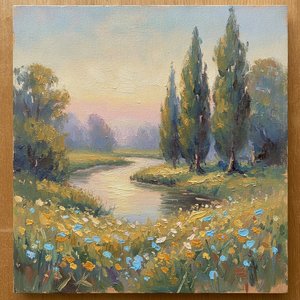
The Timeless Charm of Oil on Board: Reimagining Texture and Light through the Impressionist Lens
Discover the profound intimacy of oil on panel. Explore how Impressionist masters used rigid supports to capture light, texture, and impasto depth through exquisite, handmade oil reproductions for discerning collectors.

The Enduring Legacy of Oil on Canvas: Technique, History & Aesthetic Impact
Explore the rich history & techniques of oil painting – from Renaissance masters to Impressionism. Discover pigments, layering methods, and why this timeless medium endures. Expert insights for artists & art enthusiasts.

Oil on Canvas: A Historical & Technical Exploration of a Timeless Artistic Medium
Explore the rich history & enduring techniques of oil painting on canvas. Discover the science behind its longevity, conservation practices, and contemporary relevance. Expert insights for art enthusiasts.

The Enduring Power of Painting: A Historical & Contemporary Exploration of Form and Emotion
Explore the rich history & enduring techniques of oil painting with OriginalUniqueArt. Discover masterpieces, learn about art collecting, and find authentic handmade reproductions crafted by skilled artists.

Moștenirea Durabilă a Picturii în Ulei: Tehnică, Istorie și Practică Contemporană
Descoperă istoria fascinantă și tehnicile esențiale ale picturii în ulei. Ghid complet pentru artiști, de la materiale până la creații contemporane. Îmbunătățește-ți abilitățile artistice!


