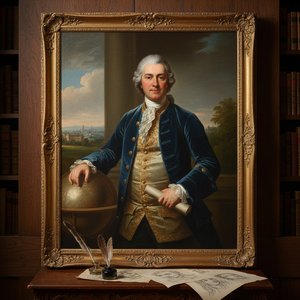
Dr Rice Charleton
Reproducere manuală în ulei
Pictură în ulei pe pânză, pictată manual, la dimensiunea și ramele dorite de dumneavoastră, realizată la comandă de artiștii noștri.
P118B $10
P118H $10
P118W $10
P438Z $10
P508JH $12
P508YH $12
P805H $10
P805Z $10
P919BZ $10
P919G $10
P919XJ $10
P959ZH $10
P968JZ $12
W106C $8
W218G $10
W218JH $8
W218Y $10
W307PJ $10
W316G $10
W316PJ $8
W316Y $10
W398PJ $8
W4111J $10
W500HY $15
W500JH $15
W692G $12
W849H $8
W940BG $15
W953PJ $8
Alegeți dintre dimensiunile noastre prestabilite, care respectă proporțiile originale ale operei de artă.
Puteți introduce propriile dimensiuni pentru a se potrivi unui anumit cadru sau spațiu. Dacă dimensiunea selectată nu corespunde proporțiilor imaginii originale, vom decupa opera de artă sau vom extinde pictura cu elemente suplimentare pictate manual. O simulare digitală vă va fi trimisă pentru aprobare înainte de începerea producției.
Vă rugăm să rețineți că previzualizarea de pe ecran nu reflectă decuparea sau extinderea reală. Doar macheta va arăta cu exactitate compoziția finală.
Deși sunt disponibile dimensiuni personalizate, vă recomandăm să selectați o dimensiune din lista predefinită pentru a păstra proporțiile originale.
După plasarea comenzii, echipa OriginalUniqueArt.com va trimite clientului instrucțiuni prin e-mail și îi va furniza o previzualizare a machetei
Livrare în întreaga lume () în 3/4 săptămâni, în loc de cele 5 săptămâni standard. (20 Iulie). Fără compromisuri în ceea ce privește calitatea.
Livrare expres gratuită la nivel mondial
Pânză de in de înaltă calitate
Asigurare completă pentru transport
Garanție de rambursare a taxelor vamale
Garanția fidelității culorilor
Politica de retur de 60 de zile (doar pentru defecte)
Garanție 100% de rambursare
Reducere la comenzi multiple
Dr Rice Charleton
Tehnică de reproducere
Dimensiune reproducere
-
Preț total calculat
-
Descriere operă de artă
A Portrait of Refinement: Dr. Rice Charleton by Thomas Gainsborough
Thomas Gainsborough’s “Dr. Rice Charleton,” painted in 1764, is more than just a portrait; it's a masterful distillation of the Rococo era’s elegance and a subtle commentary on the burgeoning social landscape of Georgian England. The painting immediately draws the eye with its rich palette – deep greens, browns, and ochres layered over a luminous white shirt – creating an atmosphere both opulent and subtly shadowed. The subject himself, Dr. Rice Charleton, a respected physician at Bath’s Mineral Water Hospital, is presented not as a stern scholar but as a man of considerable charm and quiet confidence. His posture is relaxed, his gaze direct, suggesting a personality that commands respect without demanding it.
Gainsborough's skill lies in his ability to capture the fleeting effects of light and atmosphere. The forest background isn’t merely decorative; it’s meticulously rendered with linear perspective – rectangles defining the man’s clothing, oval shapes for his face, and simplified forms for the foliage – yet imbued with a sense of depth through atmospheric perspective. Notice how the trees in the distance fade into paler hues, creating an illusion of vastness and drawing the viewer's eye towards the central figure. The brushstrokes themselves are visible, adding texture to the fabric and suggesting a dynamic energy beneath the surface of the scene.
The Rococo Influence: Grace and Ornamentation
“Dr. Charleton” is firmly rooted in the Rococo style, a movement that flourished in Europe during the 18th century. Characterized by its emphasis on grace, elegance, and ornamentation, Rococo art sought to evoke feelings of pleasure and delight. Gainsborough expertly employs these principles here – the luxurious fabrics, the carefully arranged details, and the overall sense of refinement all speak to this aesthetic. However, unlike the often frivolous nature sometimes associated with Rococo, there’s a quiet dignity in this portrait, reflecting Dr. Charleton's profession and social standing.
The composition is deliberately centered around the figure, creating an intimate connection between the viewer and the subject. The use of diagonals – particularly in the man’s clothing and the lines of the forest – adds a sense of movement and dynamism to the scene. Furthermore, the lighting—a dramatic source from the upper left—casts strong shadows that accentuate his form and contribute to the painting's overall mood. It is not merely a likeness; it’s an evocation of character.
Symbolism and Social Context
Beyond its aesthetic qualities, “Dr. Charleton” offers glimpses into the social context of 18th-century England. The man's attire – a formal coat and cravat – signifies his status and wealth. The forest setting, with its association with nature and virtue, subtly reinforces this message. It’s a visual shorthand for the ideal gentleman: cultured, educated, and connected to the natural world. The inclusion of a medical profession also speaks to the growing importance of medicine during this period.
Interestingly, Gainsborough himself was somewhat ambivalent about portraiture, preferring landscapes. Yet, he recognized its commercial potential and skillfully navigated the demands of his patrons. “Dr. Charleton” exemplifies his ability to synthesize artistic vision with practical considerations – a testament to his enduring legacy as one of Britain’s greatest painters.
A Timeless Masterpiece: Reproduction and Appreciation
Reproductions of "Dr. Rice Charleton" capture the essence of Gainsborough's artistry, allowing viewers to appreciate its beauty and complexity from afar. Whether displayed in a grand hall or a cozy study, this painting continues to resonate with audiences today, offering a window into a bygone era and a celebration of human character. Consider commissioning a hand-painted reproduction – a faithful recreation that preserves the original’s luminosity, texture, and emotional impact for generations to come.
Biografie artist
A Suffolk Beginning: The Early Life and Artistic Awakening
The story of Thomas Gainsborough, one of Britain’s most celebrated artists, unfolds not within the confines of a grand academy or bustling metropolis, but in the tranquil market town of Sudbury, Suffolk. Born in 1727, the youngest son of John Gainsborough, a weaver and wool merchant, young Thomas displayed an innate artistic sensibility from a remarkably early age. While his siblings pursued more conventional paths, Thomas’s world rapidly became consumed by drawing and painting – miniature self-portraits and delicate landscapes blossoming from his hand even before he reached ten years old. This precocious talent wasn't merely a childhood pastime; it was the burgeoning of a vision that would reshape British art. His father, recognizing this unique gift, encouraged its development, setting young Thomas on a path diverging sharply from the family trade. The Suffolk countryside itself became his first studio, imbuing his later works with a deep and abiding love for the natural world – a characteristic that would distinguish him throughout his career. This early immersion in landscape wasn’t simply about replicating what he saw; it was about *feeling* the essence of the English countryside, an emotional resonance that would permeate his canvases for decades to come.London and the Shaping of a Style: Influences and Early Commissions
In 1740, at the age of thirteen, Gainsborough journeyed to London, embarking on formal artistic training under Hubert Gravelot, a French engraver renowned for his elegant rococo style. This exposure proved pivotal, introducing him to refined techniques and fashionable aesthetics. However, it was his association with William Hogarth and the St Martin’s Lane Academy that truly began to mold his artistic identity. Initially influenced by Hogarth's narrative approach – his focus on social commentary and moral lessons – Gainsborough soon charted his own course, developing a distinctive style characterized by its lightness of touch, fluid brushwork, and subtle color palettes. He absorbed lessons from various masters, yet resisted strict adherence to any single school, forging a path that blended observation with imagination. He studied the works of Dutch landscape painters, appreciating their mastery of light and atmosphere, and was deeply influenced by the portraits of Anthony van Dyck, particularly his ability to capture character and personality. Returning to Sudbury after marrying Margaret Burr in 1746, Gainsborough established himself as a portraitist for the local gentry. This period honed his skills in capturing likenesses and character, but it was during his subsequent move to Ipswich, and later Bath, that he began attracting a more sophisticated clientele – individuals who appreciated not just accurate representation, but also artistic flair and emotional depth.Bath and Beyond: Portraiture, Landscape, and Royal Patronage
The years spent in Bath (1759-1774) marked a significant turning point in Gainsborough’s career. The city was a hub of fashionable society, providing him with ample opportunities to paint portraits of the wealthy and influential. He quickly gained renown for his ability to capture not only physical resemblance but also the personality and social standing of his sitters. His portraits weren't merely depictions; they were statements about identity and status. He experimented with new techniques, incorporating looser brushstrokes and brighter colors – a departure from the more formal style favored by his rival, Sir Joshua Reynolds. However, even amidst the demands of portraiture, Gainsborough never abandoned his passion for landscape painting. In fact, he often seamlessly integrated landscapes into his portraits, creating compositions that celebrated both human subjects and the beauty of the natural world. This innovative approach – a hallmark of his style – set him apart from many of his contemporaries. He sought out dramatic lighting effects, capturing the fleeting moments of daybreak and twilight with remarkable skill. The culmination of his success came with his move to London in 1774, where he established a studio on Pall Mall and became a founding member of the Royal Academy. He also secured royal patronage, becoming a favorite painter of King George III and Queen Charlotte, further solidifying his position as one of Britain’s leading artists. *Mrs. Thomas Gainsborough*, painted in 1785, exemplifies this period – an elegant portrait showcasing rococo style and muted tones.A Legacy of Innovation: Enduring Appeal and Influence
Thomas Gainsborough died in 1788, leaving behind a body of work that continues to captivate audiences today. His influence on subsequent generations of British artists is undeniable. He liberated portraiture from rigid formality, infusing it with spontaneity and emotional resonance. His loose brushwork and atmospheric effects paved the way for the Impressionists, while his lyrical landscapes inspired artists like John Constable, who deeply admired Gainsborough’s ability to capture the spirit of the English countryside. Gainsborough's legacy extends beyond technique; it lies in his profound understanding of human character and his unwavering commitment to artistic expression. He wasn’t simply a painter of portraits or landscapes; he was a storyteller, a poet of light and color, and a visionary who transformed British art. His paintings are a testament to the power of observation, imagination, and the enduring allure of the English landscape.Exploring Gainsborough's World Today
Fortunately, the opportunity to experience Gainsborough’s genius firsthand remains readily available. Gainsborough’s House, in his birthplace of Sudbury, stands as a testament to his life and work, offering visitors an intimate glimpse into his early influences and artistic development. Christchurch Mansion in Ipswich houses a significant collection of Gainsborough paintings alongside works by Constable and other masters. Numerous museums across the United Kingdom and internationally display his masterpieces, including the National Gallery in London and the Metropolitan Museum of Art in New York. His work continues to be studied, analyzed, and celebrated, ensuring that his artistic vision will endure for generations to come.Thomas Gainsborough
1727 - 1788 , Regatul Unit al Marii Britanii și Irlandei
Detalii rapide
- Artistic Movement Or Style: Rococo, Portraitură
- Artists Or Movements Influenced By This Artist: ['John Constable']
- Artists Who Influenced This Artist:
- Hubert Gravelot
- William Hogarth
- Date Of Birth: 1727
- Date Of Death: 1788
- Full Name: Thomas Gainsborough
- Nationality: British
- Notable Artworks:
- Mrs. Thomas Gainsborough
- Mr și Mrs Andrews
- Place Of Birth (City And Country): Sudbury, UK


Opțiunea cu sticlă este disponibilă doar pentru dimensiuni de sub 110 cm