

 Vezi în context
 Trimite
 Distribuie
 Detalii
 Ghidul

 Descarcă
 Produse similare
 Radiografie
 Diaporama
 Statistici
Still Life with a Cornemuse
 Oil On Canvas
- WallArt
- Romanticism
 19th Century
 46.0 x 38.0 cm
 Muzeul Fitzwilliam din Cambridge
 Citește mai mult
Reproducere pictată manual în ulei
Pictură în ulei pe pânză, realizată manual de artiștii noștri la dimensiunea și ramele dorite de dumneavoastră, pe comandă. ( Comută pe versiunea Print Treci la imagine digitală)




P118B lei10

P118H lei10

P118W lei10

P438Z lei10

P508JH lei12

P508YH lei12

P805H lei10

P805Z lei10

P919BZ lei10

P919G lei10

P919XJ lei10

P959ZH lei10

P968JZ lei12

W106C lei8

W218G lei10

W218JH lei8

W218Y lei10

W307PJ lei10

W316G lei10

W316PJ lei8

W316Y lei10

W398PJ lei8

W4111J lei10

W500HY lei15

W500JH lei15

W692G lei12

W849H lei8

W940BG lei15

W953PJ lei8




Alegeți dintre dimensiunile noastre prestabilite, care respectă proporțiile originale ale operei de artă.

Introduceți lățimea și înălțimea de care aveți nevoie, pentru a se potrivi ramei sau peretelui dumneavoastră. Această lucrare este pictată manual, așa că pentru o dimensiune cu o formă diferită, artistul poate picta puțin mai mult în jurul imaginii sau poate tăia puțin din margini — dumneavoastră decideți. Vă vom trimite o simulare digitală pentru aprobare înainte de a începe pictarea. Imaginea afișată pe această pagină nu reprezintă rezultatul real — doar simularea este reprezentativă.
După plasarea comenzii, echipa OriginalUniqueArt.com va contacta clientul prin e-mail pentru instrucțiuni și îi va furniza o previzualizare a machetei
Livrare în întreaga lume () în 3-4 săptămâni, în loc de cele 5 săptămâni standard. (22 Octombrie). Fără compromisuri în ceea ce privește calitatea.

Livrare expres gratuită la nivel mondial

Pânză de in premium

Asigurare completă pentru transport

Garanție de rambursare a taxelor vamale

Garanția fidelității culorilor

Politica de retur în 100 de zile (doar pentru defecte)

Garanție de rambursare 100%

Reducere pentru comenzi multiple
 Opțiunea cu sticlă este disponibilă doar pentru dimensiuni de sub 110 cm

Still Life with a Cornemuse
Tip de reproducere
Dimensiune reproducere
-


Preț total
lei 1379
Still Life with a Cornemuse
Thomas Couture’s “Still Life with a Cornemuse” is more than just an arrangement of objects; it's a carefully constructed meditation on mortality and remembrance, rendered in the rich hues characteristic of Romanticism. Painted circa 1850-1855, this artwork resides within the Fitzwilliam Museum’s Keynes Collection, offering visitors a glimpse into Couture’s artistic vision during a pivotal moment in European art history.- Subject Matter: The composition centers around a cornemuse—a simple pipe instrument—alongside an apple and two bags hanging from it. These elements aren't merely decorative; they are imbued with symbolic significance, reflecting themes prevalent in Romantic thought.
- Style & Technique: Couture employed oil paint on canvas, utilizing meticulous brushwork to achieve a velvety texture that captures the subtle nuances of light and shadow. His technique demonstrates mastery of chiaroscuro—the dramatic interplay between light and dark—creating depth and enhancing the emotional impact of the scene.
- Historical Context: Couture’s work emerged during the waning years of the Napoleonic era, a period marked by disillusionment following Napoleon's defeat and a yearning for idealized beauty amidst societal upheaval. Romantic artists sought to express profound emotions and grapple with existential questions, rejecting the rationalism of Enlightenment thought.
- Symbolism: The apple, traditionally associated with temptation and knowledge in Christian iconography, serves as a poignant reminder of human vulnerability and the inevitability of decay. Similarly, the cornemuse symbolizes pastoral simplicity and remembrance—a connection to nature and to cherished memories—themes central to Romantic aesthetics.
- Emotional Impact: Couture’s masterful execution evokes a sense of melancholy contemplation. The subdued palette and careful attention to detail invite viewers to ponder the transient beauty of life and the enduring power of memory, mirroring the Romantic preoccupation with emotion and experience.
Întrebări și răspunsuri
Ce nivel de saturație a culorilor are "Still Life with a Cornemuse" de Thomas Couture?
Culorile din "Still Life with a Cornemuse" de Thomas Couture au o saturație de Clear Color Presence. Saturația descrie cât de vii sau de tenue sunt culorile.
Ce nuanță dominantă străbate întregul "Still Life with a Cornemuse" de Thomas Couture?
O nuanță de Golden Yellow Range traversează întregul "Still Life with a Cornemuse" de Thomas Couture.
În ce muzeu se află originalul "Still Life with a Cornemuse"?
Puteți vedea originalul "Still Life with a Cornemuse" la Muzeul Fitzwilliam din Cambridge, Cambridge, Regatul Unit.
Biografie artist
A Rebel in the Atelier: The Life and Legacy of Thomas Couture
Thomas Couture (1815-1879) was a pivotal French Romantic & Realist painter renowned for historical scenes like 'Romans During the Decadence.' Influential teacher of Manet, Fantin-Latour & Puvis de Chavannes. Explore his art & legacy! Born in Senlis, France, Thomas Couture emerged as a figure who defied artistic conventions while mastering their techniques—a painter destined to reshape the landscape of 19th-century art. His early life was marked by relocation to Paris with his family, where he initially pursued studies at the École des Arts et Métiers before gravitating towards the prestigious École des Beaux-Arts. However, Couture’s path wasn't immediately illuminated; he faced repeated rejection in the competition for the Prix de Rome—a coveted honor that would have secured a residency at the Académie de France in Rome—leaving him disheartened but resolute. These setbacks fueled his conviction that the established artistic system was fundamentally flawed, propelling him to forge his own distinctive style and eventually establishing an independent atelier—a sanctuary for artists yearning for freedom from rigid academic instruction.The Crucible of Rejection: Shaping Artistic Vision
The Prix de Rome rejection proved to be a catalyst for Couture’s intellectual and creative evolution. Instead of succumbing to disappointment, he channeled his frustration into a fervent critique of the École des Beaux-Arts' restrictive doctrines—a stance that would define his artistic philosophy throughout his career. He questioned the veneration of classical ideals and championed an approach rooted in direct observation from life—anticipating techniques later embraced by Impressionists like Claude Monet and Pierre Auguste Renoir. Couture’s unwavering determination to pursue his own vision solidified his commitment to artistic experimentation and challenged the prevailing aesthetic sensibilities of his time. This rebellious spirit would become a cornerstone of his artistic legacy, informing his groundbreaking explorations into tonal contrasts and expressive brushwork.Romans During the Decadence: A Symphony of Decay and Dignity
Couture’s breakthrough arrived with *Romans During the Decadence* (1847)—a monumental canvas that captivated audiences at the Paris Salon and simultaneously provoked considerable controversy. This painting transcended mere historical depiction; it functioned as a searing social commentary, deeply influenced by the satirical writings of Juvenal—a masterful portrayal of moral decay and opulent excess within Roman society. Couture deliberately juxtaposed classical ruins with figures draped in luxurious fabrics—a provocative gesture intended to mirror the perceived decadence plaguing contemporary French society under the Second Republic. His artistic prowess shone through in his meticulous use of tonal contrasts, employing rich dark hues punctuated by striking highlights—a technique that amplified the painting’s dramatic impact and imbued it with profound symbolic weight. The Salon’s acclaim cemented Couture’s reputation as a leading artist and established him as a formidable force within the Parisian art world.A Teacher's Influence: Shaping Artistic Generations
Beyond his artistic achievements, Couture exerted an indelible influence on subsequent generations of painters—primarily through his role as educator. He opened his atelier to aspiring artists who sought alternatives to traditional academic training—rejecting dogma and fostering a spirit of innovation. Among Couture’s most celebrated pupils were luminaries who would reshape the course of modern art: Édouard Manet, whose revolutionary approach to painting owed much to Couture's emphasis on tonal values; Henri Fantin-Latour, renowned for his evocative portraits and still lifes; Pierre Puvis de Chavannes, a pioneer of Symbolism; and John La Farge—whose stained glass masterpieces reflected Couture’s fascination with color and texture. Couture championed “quick painting,” anticipating techniques later adopted by Impressionists and stressing the importance of capturing fleeting moments from life—a testament to his visionary artistic beliefs.Legacy: An Enduring Resonance
Thomas Couture died in 1879, leaving behind a body of work that continues to inspire admiration and scholarly debate. His paintings—particularly *Romans During the Decadence*, *The Duel After Masked Ball,* and *A Lawyer Going to Court*—remain powerful symbols of Romantic idealism and artistic rebellion. Couture’s insistence on tonal contrasts and expressive brushwork established him as a precursor to Impressionism, influencing artists who sought to capture the immediacy of sensory experience. His legacy extends beyond his individual creations; it resides in his unwavering conviction that art should serve as a vehicle for intellectual inquiry and emotional resonance—a principle that continues to resonate with artists today. Couture’s enduring influence underscores the transformative power of artistic vision and the importance of challenging established norms in pursuit of creative excellence.
Thomas Couture
1815 - 1879 , Franța
Informații rapide
- Artistic Movement Or Style: Romanticism și Realism
- Artists Or Movements Influenced By This Artist:
- Édouard Manet
- Henri Fantin-Latour
- Pierre Puvis de Chavannes
- Artists Who Influenced This Artist:
- Antoine-Jean Gros
- Paul Delaroche
- Date Of Birth: 21 decembrie 1815
- Date Of Death: 30 martie 1879
- Full Name: Thomas Couture
- Nationality: Franțuzesc
- Notable Artworks:
- Romani în Decadence
- Duel După Bal Mascat
- Avocat Mergând În Judecată
- Place Of Birth: Senlis, Franța
Articole conexe

Silent Narratives: Exploring the Enduring Appeal of Still Life Painting Across Centuries
Explore the rich history of still life painting with OriginalUniqueArt. Discover Dutch Masters, decode vanitas symbolism & learn about collecting timeless art. Expert insights and museum-quality reproductions.
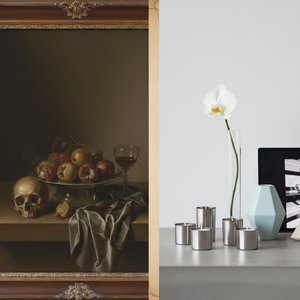
The Enduring Appeal of Still Life: A Historical & Contemporary Exploration
Explore the rich history & symbolism of still life painting with OriginalUniqueArt. Discover masterpieces from the Dutch Golden Age, learn about vanitas art, and find expert guidance for collecting timeless artworks.

The Enduring Legacy of Oil on Canvas: Technique, History & Aesthetic Impact
Explore the rich history & techniques of oil painting – from Renaissance masters to Impressionism. Discover pigments, layering methods, and why this timeless medium endures. Expert insights for artists & art enthusiasts.

Oil on Canvas: A Historical & Technical Exploration of a Timeless Artistic Medium
Explore the rich history & enduring techniques of oil painting on canvas. Discover the science behind its longevity, conservation practices, and contemporary relevance. Expert insights for art enthusiasts.

The Enduring Power of Painting: A Historical & Contemporary Exploration of Form and Emotion
Explore the rich history & enduring techniques of oil painting with OriginalUniqueArt. Discover masterpieces, learn about art collecting, and find authentic handmade reproductions crafted by skilled artists.


