

 Vezi în context
 Trimite
 Distribuie
 Detalii
 Ghidul

 Descarcă
 Produse similare
 Radiografie
 Diaporama
 Statistici
Etude de têtes (Titre d'usage)


 Citește mai mult
Reproducere pictată manual în ulei
Pictură în ulei pe pânză, realizată manual de artiștii noștri la dimensiunea și ramele dorite de dumneavoastră, pe comandă. ( Comută pe versiunea Print Treci la imagine digitală)




P118B lei10

P118H lei10

P118W lei10

P438Z lei10

P508JH lei12

P508YH lei12

P805H lei10

P805Z lei10

P919BZ lei10

P919G lei10

P919XJ lei10

P959ZH lei10

P968JZ lei12

W106C lei8

W218G lei10

W218JH lei8

W218Y lei10

W307PJ lei10

W316G lei10

W316PJ lei8

W316Y lei10

W398PJ lei8

W4111J lei10

W500HY lei15

W500JH lei15

W692G lei12

W849H lei8

W940BG lei15

W953PJ lei8




Alegeți dintre dimensiunile noastre prestabilite, care respectă proporțiile originale ale operei de artă.

Introduceți lățimea și înălțimea de care aveți nevoie, pentru a se potrivi ramei sau peretelui dumneavoastră. Această lucrare este pictată manual, așa că pentru o dimensiune cu o formă diferită, artistul poate picta puțin mai mult în jurul imaginii sau poate tăia puțin din margini — dumneavoastră decideți. Vă vom trimite o simulare digitală pentru aprobare înainte de a începe pictarea. Imaginea afișată pe această pagină nu reprezintă rezultatul real — doar simularea este reprezentativă.
După plasarea comenzii, echipa OriginalUniqueArt.com va contacta clientul prin e-mail pentru instrucțiuni și îi va furniza o previzualizare a machetei
Livrare în întreaga lume () în 3-4 săptămâni, în loc de cele 5 săptămâni standard. (24 Octombrie). Fără compromisuri în ceea ce privește calitatea.

Livrare expres gratuită la nivel mondial

Pânză de in premium

Asigurare completă pentru transport

Garanție de rambursare a taxelor vamale

Garanția fidelității culorilor

Politica de retur în 100 de zile (doar pentru defecte)

Garanție de rambursare 100%

Reducere pentru comenzi multiple
 Opțiunea cu sticlă este disponibilă doar pentru dimensiuni de sub 110 cm

Etude de têtes (Titre d'usage)
Tip de reproducere
Dimensiune reproducere
-


Preț total
lei 1391
A Portrait of Contemplation: Unveiling the Layers of “Etude de têtes”
Thomas Couture’s “Etude de têtes,” a captivating study in portraiture, transcends mere likeness to become a profound meditation on identity and the complexities of human interaction. Painted circa 1850-1855 during the twilight years of the French Empire, this work embodies the burgeoning Realism that was challenging the dominance of Romanticism within the Parisian art world. It’s not simply a depiction of two men; it's an exploration of gaze, gesture, and the subtle dance between subject and observer – a visual poem brimming with quiet intensity.
The painting immediately draws the eye to the pair seated before us. Dressed in meticulously rendered 17th-century costumes—a rich velvet doublet for one man, a more subdued brocade robe for the other—they are presented as figures emerging from a bygone era. Their attire isn’t merely decorative; it's a deliberate choice that anchors them within a specific historical context, hinting at courtly intrigue and perhaps even a shared secret. The details of their clothing – the lace collars, the elaborate hats, the carefully positioned swords – speak volumes about status, profession, and the conventions of their time.
The Brushstroke and the Atelier: Couture’s Innovative Technique
Couture was a revolutionary figure in 19th-century painting. He deliberately rejected the rigid rules of the École des Beaux-Arts, establishing his own independent atelier—a space dedicated to fostering artistic freedom and experimentation. This commitment is vividly reflected in “Etude de têtes.” Couture’s brushwork is remarkably fluid and expressive, eschewing the smooth, polished surfaces favored by academic painters. Notice the loose, gestural strokes that define the contours of their faces, particularly the subtle shifts in light and shadow that capture the nuances of their expressions. He employed a technique he called “pointillé,” using small, distinct brushstrokes to build up color and texture—a method borrowed from Japanese prints, reflecting his fascination with Eastern art.
The composition itself is carefully constructed. The figures are positioned in a triangular arrangement, creating a sense of balance and stability while simultaneously suggesting a dynamic tension. Their eyes meet across the canvas, establishing a direct connection between the viewer and the subjects—a deliberate invitation to contemplate their shared moment. Couture’s use of color is equally restrained yet effective. He favors muted earth tones – browns, ochres, and grays – which lend the painting an air of solemnity and timelessness.
Symbolism and the Weight of Conversation
Beyond its technical merits, “Etude de têtes” resonates with layers of symbolic meaning. The act of conversation itself is laden with significance. What are these men discussing? Are they sharing a secret, debating an important matter, or simply enjoying each other’s company? Couture deliberately leaves the narrative ambiguous, allowing the viewer to project their own interpretations onto the scene. The slight furrow in one man's brow and the subtle turn of his head suggest a moment of contemplation—a pause within the flow of dialogue.
The painting can also be interpreted as an exploration of masculinity and social roles. The two men represent different facets of male identity – perhaps representing intellect and action, or formality and intimacy. Their attire and posture subtly reinforce these distinctions, inviting us to consider the complexities of gender dynamics within 19th-century society.
A Legacy of Innovation: Couture’s Enduring Influence
Thomas Couture's “Etude de têtes” stands as a testament to his artistic vision and his willingness to challenge convention. His work paved the way for later Realist painters, such as Manet, and helped to usher in a new era of artistic expression. Today, this captivating portrait continues to fascinate viewers with its quiet intensity, masterful technique, and profound exploration of human nature. It’s a piece that rewards careful observation and invites us to lose ourselves in the subtle nuances of a timeless conversation.
Întrebări și răspunsuri
Ce dimensiune de tipar pentru "Etude de têtes (Titre d'usage)" de Thomas Couture se potrivește cu camera recomandată?
Într-o Living Room, pentru "Etude de têtes (Titre d'usage)", recomandăm o dimensiune de tipar de Medium.
Ce culoare iese cel mai mult în evidență în "Etude de têtes (Titre d'usage)"?
Culoarea dominantă a operei "Etude de têtes (Titre d'usage)" de Thomas Couture este Walnut (#6f542c).
Ce subiect și ce atmosferă combină "Etude de têtes (Titre d'usage)" de Thomas Couture?
"Etude de têtes (Titre d'usage)" de Thomas Couture înfățișează portraits, men, conversation, costumes, 17th century, gold frame, heads, într-o atmosferă Elegant. Subiectul și atmosfera împreună definesc opera.
Biografie artist
A Rebel in the Atelier: The Life and Legacy of Thomas Couture
Thomas Couture (1815-1879) was a pivotal French Romantic & Realist painter renowned for historical scenes like 'Romans During the Decadence.' Influential teacher of Manet, Fantin-Latour & Puvis de Chavannes. Explore his art & legacy! Born in Senlis, France, Thomas Couture emerged as a figure who defied artistic conventions while mastering their techniques—a painter destined to reshape the landscape of 19th-century art. His early life was marked by relocation to Paris with his family, where he initially pursued studies at the École des Arts et Métiers before gravitating towards the prestigious École des Beaux-Arts. However, Couture’s path wasn't immediately illuminated; he faced repeated rejection in the competition for the Prix de Rome—a coveted honor that would have secured a residency at the Académie de France in Rome—leaving him disheartened but resolute. These setbacks fueled his conviction that the established artistic system was fundamentally flawed, propelling him to forge his own distinctive style and eventually establishing an independent atelier—a sanctuary for artists yearning for freedom from rigid academic instruction.The Crucible of Rejection: Shaping Artistic Vision
The Prix de Rome rejection proved to be a catalyst for Couture’s intellectual and creative evolution. Instead of succumbing to disappointment, he channeled his frustration into a fervent critique of the École des Beaux-Arts' restrictive doctrines—a stance that would define his artistic philosophy throughout his career. He questioned the veneration of classical ideals and championed an approach rooted in direct observation from life—anticipating techniques later embraced by Impressionists like Claude Monet and Pierre Auguste Renoir. Couture’s unwavering determination to pursue his own vision solidified his commitment to artistic experimentation and challenged the prevailing aesthetic sensibilities of his time. This rebellious spirit would become a cornerstone of his artistic legacy, informing his groundbreaking explorations into tonal contrasts and expressive brushwork.Romans During the Decadence: A Symphony of Decay and Dignity
Couture’s breakthrough arrived with *Romans During the Decadence* (1847)—a monumental canvas that captivated audiences at the Paris Salon and simultaneously provoked considerable controversy. This painting transcended mere historical depiction; it functioned as a searing social commentary, deeply influenced by the satirical writings of Juvenal—a masterful portrayal of moral decay and opulent excess within Roman society. Couture deliberately juxtaposed classical ruins with figures draped in luxurious fabrics—a provocative gesture intended to mirror the perceived decadence plaguing contemporary French society under the Second Republic. His artistic prowess shone through in his meticulous use of tonal contrasts, employing rich dark hues punctuated by striking highlights—a technique that amplified the painting’s dramatic impact and imbued it with profound symbolic weight. The Salon’s acclaim cemented Couture’s reputation as a leading artist and established him as a formidable force within the Parisian art world.A Teacher's Influence: Shaping Artistic Generations
Beyond his artistic achievements, Couture exerted an indelible influence on subsequent generations of painters—primarily through his role as educator. He opened his atelier to aspiring artists who sought alternatives to traditional academic training—rejecting dogma and fostering a spirit of innovation. Among Couture’s most celebrated pupils were luminaries who would reshape the course of modern art: Édouard Manet, whose revolutionary approach to painting owed much to Couture's emphasis on tonal values; Henri Fantin-Latour, renowned for his evocative portraits and still lifes; Pierre Puvis de Chavannes, a pioneer of Symbolism; and John La Farge—whose stained glass masterpieces reflected Couture’s fascination with color and texture. Couture championed “quick painting,” anticipating techniques later adopted by Impressionists and stressing the importance of capturing fleeting moments from life—a testament to his visionary artistic beliefs.Legacy: An Enduring Resonance
Thomas Couture died in 1879, leaving behind a body of work that continues to inspire admiration and scholarly debate. His paintings—particularly *Romans During the Decadence*, *The Duel After Masked Ball,* and *A Lawyer Going to Court*—remain powerful symbols of Romantic idealism and artistic rebellion. Couture’s insistence on tonal contrasts and expressive brushwork established him as a precursor to Impressionism, influencing artists who sought to capture the immediacy of sensory experience. His legacy extends beyond his individual creations; it resides in his unwavering conviction that art should serve as a vehicle for intellectual inquiry and emotional resonance—a principle that continues to resonate with artists today. Couture’s enduring influence underscores the transformative power of artistic vision and the importance of challenging established norms in pursuit of creative excellence.
Thomas Couture
1815 - 1879 , Franța
Informații rapide
- Artistic Movement Or Style: Romanticism și Realism
- Artists Or Movements Influenced By This Artist:
- Édouard Manet
- Henri Fantin-Latour
- Pierre Puvis de Chavannes
- Artists Who Influenced This Artist:
- Antoine-Jean Gros
- Paul Delaroche
- Date Of Birth: 21 decembrie 1815
- Date Of Death: 30 martie 1879
- Full Name: Thomas Couture
- Nationality: Franțuzesc
- Notable Artworks:
- Romani în Decadence
- Duel După Bal Mascat
- Avocat Mergând În Judecată
- Place Of Birth: Senlis, Franța
Articole conexe
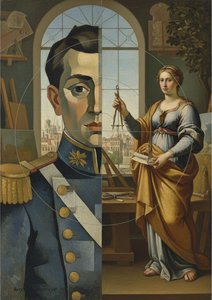
Roger de la Fresnaye: Cubism, Tradition & the Search for Order in Early 20th-Century French Painting
Explore the captivating world of Roger de la Fresnaye, a pivotal French Cubist painter. Discover his unique blend of tradition & modernity, influences, and lasting legacy with OriginalUniqueArt.

Cu privire la noi
Descoperă povestea noastră! Aduceți arta de talie mondială în viața dumneavoastră prin selecție expertă, creații personalizate și previzualizări gratuite. Aprobate de persoane fizice și companii din 2000.

Maurice Quentin de La Tour: Light, Shadow & the Rococo Portrait
Explore the captivating world of Maurice Quentin de La Tour, a master of Rococo portraiture. Discover his innovative pastel techniques, intimate depictions of French aristocracy, and lasting artistic legacy. Learn more at OriginalUniqueArt.
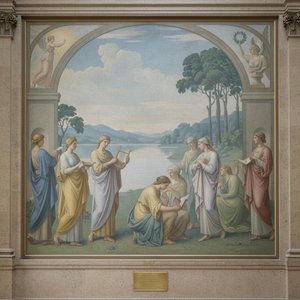
Pierre Puvis de Chavannes: Symbolism, Mural Painting, and the Pursuit of Ideal Beauty
Explore the life & work of Pierre Puvis de Chavannes, a pivotal Symbolist painter renowned for his monumental murals. Discover his aesthetic principles, key artworks like 'Hope,' and lasting influence on modern art. A deep dive into 19th-century French painting.

Goya: Cele Mai Iconice Capodopere – Artă Spaniolă pentru Decor Rafinat | OriginalUniqueArt.ro
Descoperă cele mai frumoase 25 de picturi ale lui Francisco Goya! Explorează capodoperele romantice, portretele impresionante și gravurile puternice. Reproduceri artă spaniolă de calitate muzeală pentru un decor rafinat. Explorează colecția completă online pe OriginalUniqueArt.com


