- Acasă

- Imprimare pe pânză
- Teodor Robinson
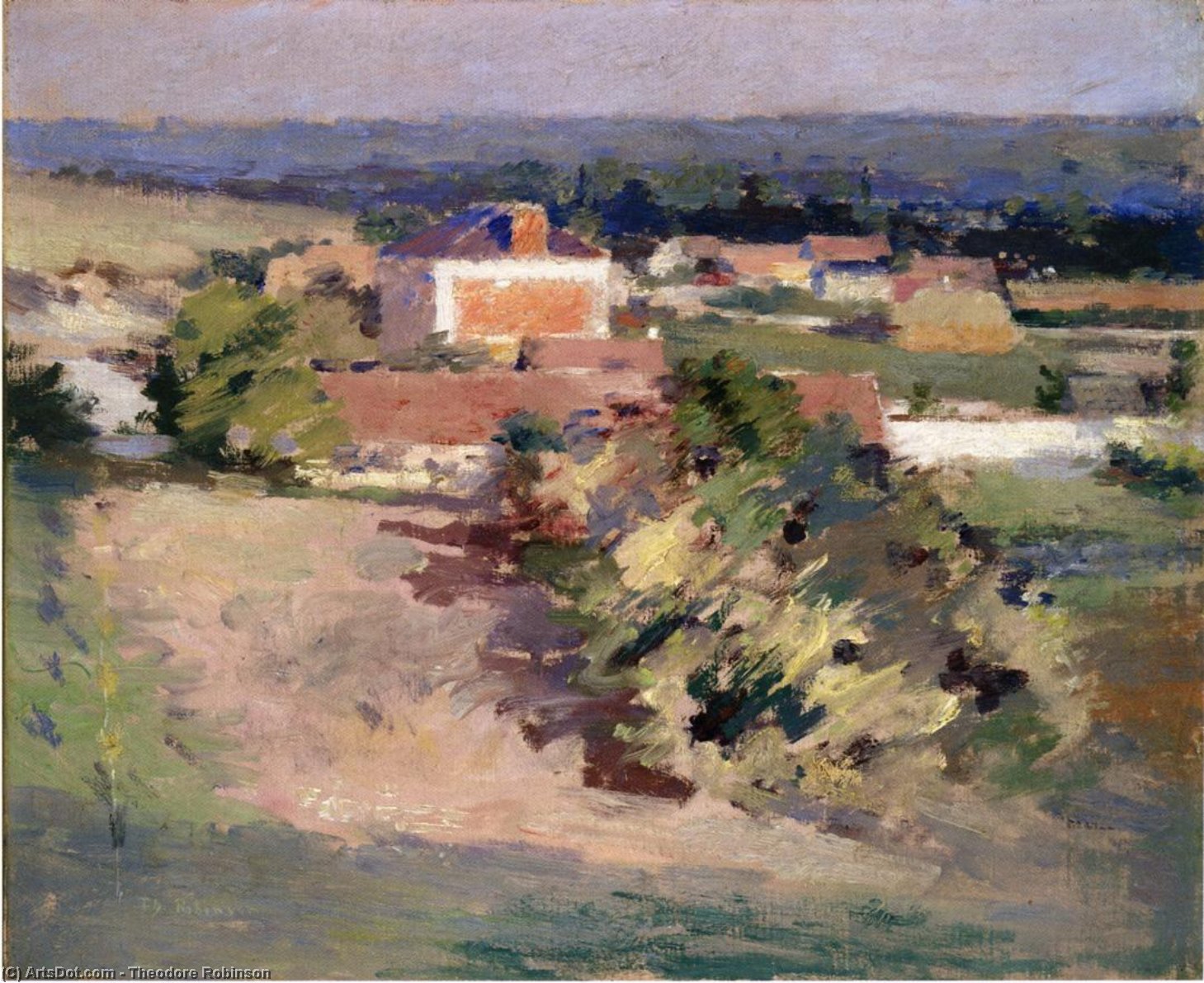
- The Red House
 Previzualizare
 Trimite
 Distribuie
 Detalii despre lucrare

 Descarcă
 Similare
 Radiografie
 Diaporama
The Red House


 Vezi mai mult
Giclée / Imprimare artistică
Print giclée sau pe canvas de calitate muzeală, cu producție rapidă și opțiuni flexibile de finisare. ( Comandă pictură realizată manual Comută pe imagine)




P118B $10

P118H $10

P118W $10

P438Z $10

P508JH $12

P508YH $12

P805H $10

P805Z $10

P919BZ $10

P919G $10

P919XJ $10

P959ZH $10

P968JZ $12

W106C $8

W218G $10

W218JH $8

W218Y $10

W307PJ $10

W316G $10

W316PJ $8

W316Y $10

W398PJ $8

W4111J $10

W500HY $15

W500JH $15

W692G $12

W849H $8

W940BG $15

W953PJ $8




Alegeți dintre dimensiunile noastre prestabilite, care respectă proporțiile originale ale operei de artă.

Puteți introduce propriile dimensiuni pentru a se potrivi unui anumit cadru sau spațiu. Dacă dimensiunea selectată nu corespunde proporțiilor imaginii originale, vom decupa lucrarea de artă sau vom extinde imaginea cu margini oglindite sau cu o culoare uniformă. Un mockup digital va fi trimis pentru aprobarea dumneavoastră înainte de începerea producției.
Vă rugăm să rețineți că previzualizarea de pe ecran nu reflectă decuparea sau extinderea reală. Doar mockup-ul va arăta cu exactitate compoziția finală.
Deși dimensiunile personalizate sunt disponibile, vă recomandăm să selectați o dimensiune din lista predefinită pentru a păstra proporțiile originale.
Livrare în întreaga lume () în 2 săptămâni, în loc de cele 4/5 săptămâni standard. (31 Iulie)

Livrare expres gratuită la nivel mondial

Pânză de in de înaltă calitate

Asigurare completă pentru transport

Garanție de rambursare a taxelor vamale

Garanția fidelității culorilor

Politica de retur de 60 de zile (doar pentru defecte)

Garanție 100% de rambursare

Reducere la comenzi multiple
 Opțiunea cu sticlă este disponibilă doar pentru dimensiuni de sub 110 cm

The Red House
Giclée / Imprimare artistică
Dimensiune reproducere
-


Preț total calculat
$ 80
Descriere obiect de colecție
A Moment of Serenity: Exploring Theodore Robinson’s “The Red House”
Theodore Robinson's "The Red House," painted in 1892, isn't merely a landscape; it’s an invitation to quiet contemplation. This oil on canvas, currently residing within the hallowed halls of the Yale University Art Gallery, captures a fleeting moment of rural beauty—a village nestled amidst rolling fields and shadowed trees, dominated by a striking red-roofed dwelling that anchors the scene with warmth and inviting presence. Robinson, deeply influenced by the Impressionist movement yet firmly rooted in his own distinctly American sensibility, masterfully blends realism with an ethereal quality, creating a work that resonates with both familiarity and profound emotional depth.
Robinson’s artistic journey was one of constant seeking, marked by relocation and a relentless pursuit of capturing light and atmosphere. His early years were spent absorbing the techniques of European masters, particularly in Paris, before he embraced the burgeoning Impressionist movement. This influence is readily apparent in “The Red House,” where bold brushstrokes dance across the canvas, creating a sense of shimmering light and subtle color variations. The composition itself—a carefully orchestrated balance between foreground detail and atmospheric distance—demonstrates Robinson’s skill in balancing observation with artistic interpretation. He wasn't simply depicting a scene; he was translating an experience into paint.
The Language of Light and Color
The painting’s most striking feature is undoubtedly its masterful use of light. Robinson doesn’t strive for photographic accuracy, but rather seeks to evoke the *feeling* of light—its warmth, its diffusion, its ability to transform a familiar landscape into something extraordinary. Notice how he employs broken color – small, distinct strokes of pigment layered upon one another – to suggest the play of sunlight on foliage and water. The red house itself is bathed in this diffused glow, appearing almost luminous against the muted greens and browns of the surrounding fields. This technique, characteristic of Impressionism, imbues the scene with a sense of transient beauty, as if the moment captured is destined to fade away.
Furthermore, Robinson’s brushwork is remarkably loose and expressive, particularly in the depiction of the trees and distant hills. These elements are rendered with rapid, confident strokes, conveying a sense of movement and vitality. The overall effect is one of spontaneity and immediacy—as if Robinson were capturing the scene directly before his eyes, without hesitation or over-consideration.
Symbolism and Emotional Resonance
While seemingly simple in its subject matter, “The Red House” carries a subtle layer of symbolism. The red house itself is not merely a building; it represents warmth, shelter, and perhaps even domesticity—a beacon of comfort amidst the vastness of nature. Its prominent position within the composition draws the viewer’s eye and suggests a sense of belonging, of connection to the land. The figures glimpsed in the distance – two individuals enjoying a peaceful moment – further reinforce this theme of human connection and tranquility.
Robinson's work often explored themes of solitude and introspection, reflecting his own personal struggles with mental health. “The Red House” can be interpreted as an expression of longing for simplicity and peace—a desire to escape the complexities of urban life and reconnect with the natural world. The painting’s serene atmosphere invites viewers to slow down, breathe deeply, and find solace in its quiet beauty.
Bringing "The Red House" Home
OriginalUniqueArt offers meticulously crafted hand-painted reproductions of “The Red House,” allowing you to bring this captivating landscape into your own space. Each reproduction is created by skilled artists using the same techniques employed by Robinson, ensuring an authentic and faithful representation of the original masterpiece. Whether displayed in a living room, bedroom, or office, "The Red House" will serve as a constant reminder of the beauty and tranquility that can be found in nature—and within ourselves.
To explore high-resolution images and learn more about this remarkable painting, visit OriginalUniqueArt’s website. You can also delve deeper into the life and work of Theodore Robinson at the Yale University Art Gallery website or explore related works by Edwin Headley Holgate on OriginalUniqueArt.com.
Biografie artist
A Pioneer of American Light: The Life and Art of Theodore Robinson
Theodore Robinson, a name perhaps less immediately recognizable than those of Monet or Renoir, nevertheless occupies a pivotal position in the story of American art. Born in rural Vermont in 1852, his journey was one of persistent artistic seeking, culminating in a unique synthesis of European Impressionism and distinctly American sensibilities. His life, though tragically cut short at the age of forty-four, left an enduring legacy as a key figure in bringing the shimmering light and broken color of France to a new generation of American painters. Robinson’s early years were marked by frequent relocation; his family moved to Wisconsin when he was just three years old, and he briefly studied art in Chicago before venturing east to New York City in 1874. There, he enrolled at the National Academy of Design and the Art Students League, laying a foundation in traditional techniques that would later be brilliantly transformed by his experiences abroad. These formative years were also shaped by practical necessity; Robinson often supplemented his artistic pursuits with teaching positions, a task he found draining due to chronic asthma which plagued him throughout his life.From Realism to the Allure of Giverny
Robinson’s initial artistic inclinations leaned towards realism, mirroring the prevailing tastes of the time. He favored scenes of quiet domesticity and agrarian life, depicting figures engaged in everyday activities with a meticulous attention to detail. These early works – paintings like *The Red Gown (His Favorite Model)* and *White Bridge Near Napanoch* – demonstrate a careful observation of form and a commitment to portraying the dignity of ordinary subjects. However, a turning point arrived in 1884 when he embarked on an extended stay in France. It was here, in the idyllic countryside surrounding Paris, that his artistic vision underwent a profound shift. He settled in Giverny, becoming intimately acquainted with Claude Monet and absorbing the principles of Impressionism firsthand. This wasn’t merely a stylistic adoption; it was a complete reimagining of how light, color, and atmosphere could be captured on canvas. Monet's guidance proved invaluable, encouraging Robinson to embrace a more spontaneous approach, focusing on the fleeting effects of light and shadow rather than precise representation. The influence is palpable in works like *Giverny 1*, *Giverny 2*, and *Giverny 3*, where dappled sunlight filters through trees, creating an ethereal quality that transcends mere depiction. He didn’t simply copy Monet; he filtered the Impressionist aesthetic through his own American lens, retaining a sense of structure and form that distinguished his work from its French counterparts.A Bridge Between Worlds: Sharing the Vision
Robinson's significance extends beyond his individual paintings; he served as a crucial conduit between the European avant-garde and the burgeoning American art scene. His position in Giverny placed him at the center of an American artistic colony, allowing him to share his newfound knowledge and enthusiasm with fellow painters like Julian Alden Weir and John Henry Twachtman. He became a passionate advocate for Impressionism, tirelessly demonstrating its techniques and principles to those who sought his guidance. This role as a mentor and interpreter was particularly important in a time when American art was still largely dominated by academic traditions. His influence is evident in the work of many artists who visited Giverny, helping to establish an American Impressionist style that was both indebted to French innovations and uniquely its own. He brought back not just techniques but also a philosophy – a way of seeing and responding to the world around him.Later Years and Lasting Legacy
Returning to America in 1892, Robinson sought to apply his Impressionist vision to the landscapes of his native country. He worked alongside Weir and Twachtman at Cos Cob, Connecticut, a thriving art colony, and painted scenes along the canals of New York State before eventually settling in Vermont, hoping to recreate a Giverny-like environment closer to home. However, his health continued to deteriorate, and he faced increasing financial hardship. His final years were marked by isolation and struggle, culminating in his death in 1896. Ironically, many of his paintings remained unsold during his lifetime, only gaining recognition after his passing. Today, Theodore Robinson’s work is held in major museum collections, including the Metropolitan Museum of Art, a testament to his enduring artistic merit. His meticulous diaries, preserved at the Frick Art Reference Library, offer invaluable insights into his creative process and intellectual life.A Lasting Impression
Theodore Robinson’s contribution to American art lies not only in the beauty of his paintings but also in his role as a catalyst for change. He was a bridge between cultures, a passionate advocate for innovation, and a gifted artist who helped shape the course of American Impressionism. His work embodies a delicate balance between observation and interpretation, realism and abstraction, European influence and American identity. He demonstrated that it was possible to embrace the radical innovations of Impressionism without sacrificing one’s artistic voice or cultural heritage. His paintings continue to captivate viewers with their luminous quality and evocative atmosphere, reminding us of the power of art to transform our perception of the world around us. Robinson's legacy is a testament to the enduring appeal of light, color, and the pursuit of artistic truth.- Notable Works: Giverny 1, Giverny 2, Giverny 3, La débâcle (1892)
- Influences: Claude Monet, John La Farge, Carolus-Duran, Jean-Léon Gérôme
- Artistic Movement: American Impressionism

Teodor Robinson
1852 - 1896 , Statele Unite ale Americii
Detalii rapide
- Artistic Movement Or Style: Impressionism
- Artists Or Movements Influenced By This Artist: ['American Impressionism']
- Artists Who Influenced This Artist: ['Monet']
- Date Of Birth: 1852
- Date Of Death: 1896
- Full Name: Theodore Robinson
- Nationality: American
- Notable Artworks:
- Giverny 1
- Giverny 2
- Giverny 3
- Place Of Birth: Irasburg, USA
Articole conexe

Paul Cézanne: Cele Mai Reprezentative 25 De Capodopere – Artă, Istorie și Decorațiuni Interioare
Descoperă cele mai frumoase 25 de capodopere Paul Cézanne! Explorează istoria, tehnicile și semnificația picturilor impresioniste iconice. Reproduceri artă de calitate muzeală & inspirație decor interioară pe OriginalUniqueArt.com.
Claude Monet: Cele Mai Iconice Lucrări – O Călătorie Prin Frumusețea Impresionismului | OriginalUniqueArt.ro
Descoperă cele mai frumoase lucrări Claude Monet – o călătorie prin impresionism, nufăr și peisaje iconice. Află povestea fiecărui tablou și adu atmosfera artistică în casa ta cu reproduceri de calitate superioară pe OriginalUniqueArt.com!
Top 10 Capodopere Artistice cu Peisaje: Inspirație și Frumusețe pentru Decorul Casei
Descoperă top 10 capodopere artistice cu peisaje, de la Monet și Van Gogh la picturi impresioniste. Află poveștile din spatele fiecărei opere și găsește inspirație pentru decorul casei tale! Reproduceri tablouri de calitate superioară pe OriginalUniqueArt.com.

John Constable: Cele Mai Frumoase 25 de Capodopere – Artă Clasică pentru Decorul Casei Tale
Descoperă cele mai frumoase 25 de picturi ale lui John Constable, maestru al peisajului englezesc! Explorează stilul romantic, Dedham Vale și capodopere precum The Hay Wain. Reproduceri artă clasică pentru decorul casei tale – OriginalUniqueArt.com.
Imortalizați Locația Nuntii Voastre Într-o Pictură Personalizată
Imortalizați ziua nunții voastre cu o pictură personalizată unică! Artiști talentați, stiluri diverse și calitate superioară. Creați amintiri eterne!

