

 Previzualizare
 Trimite prin felicitare
 Distribuie
 Detalii despre lucrare
 Ghid
Ghid

 Descarcă imaginea
 Produse similare
 Radiografie
 Galerie foto
 Statistici
Self-Portrait
 Oil On Canvas
- WallArt
- Romanticism
 1835
1835 99.0 x 82.0 cm
 Muzeul Luvru
 Vezi mai mult
Achiziționați o imagine digitală de înaltă rezoluție, îmbunătățită, mult superioară previzualizării online.
Fiecare fișier este pregătit cu meticulozitate de specialiștii noștri interni, utilizând instrumente avansate și retușare manuală expertă. Ne asigurăm că fiecare imagine beneficiază de o claritate excepțională, o acuratețe precisă a culorilor și detalii fine.
Fișierul final este livrat prin e-mail în termen de 72 de ore, optimizat pentru utilizare imediată în medii profesionale, editoriale și de imprimare. Aceasta este aceeași calitate în care au încredere studiouri de design, edituri și galerii de top.
Imagine Digitală
Descărcați un fișier la rezoluție înaltă pentru afișare personală, imprimare și proiecte creative. ( Comută pe versiunea Print Comandă pictură realizată manual)
Inclus în fiecare comandă de imagini digitale
Livrare digitală de expertiză, garantată
Când alegeți OriginalUniqueArt.com, nu primiți doar o simplă imagine – primiți o operă de artă digitală îmbunătățită profesional, creată cu precizie și susținută de o garanție de satisfacție. Iată tot ceea ce primești odată cu comanda ta, în mod automat:

Livrare rapidă prin e-mail
Fișierul imaginii digitale la rezoluție înaltă vă va fi trimis prin e-mail în termen de 72 de ore de la finalizarea comenzii – gata pentru utilizare imediată.

Fișier digital optimizat prin IA
Opera ta de artă este optimizată profesional prin intermediul unor instrumente AI avansate și al editării manuale, asigurând un nivel maxim de detalii, claritate și acuratețe a culorilor.

Retransmitere gratuită pe viață
Ai șters sau ai pierdut din greșeală fișierul? Nu îți face griji – ți-l vom retrimite oricând, gratuit.

Fără taxe de import – Întotdeauna
Bucură-te instant de noua ta operă de artă, fără taxe vamale, taxe de import sau costuri de livrare – descărcările digitale sunt întotdeauna fără taxe.

Garanția acurateții culorilor
Asigurăm o reflectare cât mai fidelă a culorilor originale în imaginea ta digitală, prin utilizarea unor instrumente profesionale și a proceselor de gestionare a culorii.

Garanție de satisfacție de 100 de zile
Dacă nu sunteți mulțumit de imaginea digitală achiziționată, o vom revizui sau vă vom returna 100% în termen de 100 de zile – fără nicio întrebare.

Garanție de returnare 100% a banilor
Nu ești mulțumit? Primești rambursarea integrală în termen de 100 de zile de la primirea fișierului digital – fără nicio întrebare.

Reduceri pentru comenzi în volum
Cumpără 3 imagini, economisește 10% - Cumpără 5, economisește 15% - Cumpără 10+, economisește 20%. Ideal pentru proiecte creative, galerii și agenții.
The Enigmatic Self: Théodore Chassériau’s “Self-Portrait in a Redingote”
Théodore Chassériau's 1835 oil on canvas, "Self-Portrait in a Redingote," is more than just a likeness; it’s a carefully constructed tableau of restrained elegance and subtle introspection—a window into the mind of a young artist grappling with his artistic identity within the context of 19th-century Parisian society. Housed within the prestigious Musée du Louvre, this painting immediately draws the viewer in with its dark palette and the commanding presence of the subject, a young man radiating an almost melancholic intensity.
The work firmly anchors itself within the Romantic movement, yet it subtly resists simple categorization. While undeniably influenced by the dramatic flair of Eugène Delacroix – particularly evident in the dynamic lighting and the suggestion of movement – Chassériau retains a core Neoclassical discipline, meticulously rendered lines defining the sharp angles of his suit jacket and the precise contours of his face. This duality reflects the artist’s own journey: initially trained under the rigorous tutelage of Jean-Auguste-Dominique Ingres, he ultimately forged his own path, embracing a more expressive and emotionally charged style.
A Study in Light and Shadow – Technique and Composition
Chassériau's masterful technique is immediately apparent. The painting’s composition centers around the subject, occupying nearly the entire frame, creating an intimate and almost claustrophobic effect. He stands in a three-quarter pose, his gaze directed slightly to the left, inviting the viewer into his world. A subtle yet significant detail—a microphone stand discreetly positioned behind him on the left – hints at a performance context, perhaps suggesting Chassériau’s burgeoning career as a stage designer or illustrator, alongside his painting endeavors. The artist employs a layering technique, building up color and texture through numerous thin glazes of oil paint, resulting in a remarkably smooth surface—a testament to his dedication and skill.
The lighting is particularly noteworthy. It originates from an unseen source on the left side, casting soft, directional shadows across the subject’s face and subtly highlighting the textures of his clothing. This strategic use of light not only adds depth and volume but also contributes significantly to the painting's overall mood—a blend of formality and quiet contemplation. The careful blending of tones creates a sense of atmospheric perspective, drawing the eye deeper into the scene.
Symbolism and Emotional Resonance
Beyond its technical brilliance, “Self-Portrait in a Redingote” is rich in symbolic meaning. The formal black suit, impeccably tailored, speaks to Chassériau’s ambition and his desire for recognition within the established artistic circles of Paris. However, the slightly downturned mouth and the introspective gaze suggest a deeper layer of complexity—a hint of melancholy or perhaps even disillusionment with the constraints of academic art. The red bow tie, a vibrant splash of color against the predominantly dark palette, could represent passion, creativity, or simply a deliberate assertion of individuality.
The painting’s overall effect is one of restrained elegance and quiet introspection. It's not a flamboyant self-celebration but rather a carefully considered portrait of an artist grappling with his identity and place in the world—a poignant reflection on the challenges and rewards of pursuing a creative life. The subtle sadness in his eyes invites us to contemplate the burdens of artistic ambition, while the formality of his attire suggests a desire for respectability and recognition.
A Legacy of Romanticism – Historical Context
Created during a period of significant social and political upheaval—the aftermath of the Napoleonic Wars and the rise of Romanticism—Chassériau’s work reflects the movement's emphasis on emotion, individualism, and the sublime. His Creole heritage, born in the Dominican Republic and raised in Paris, undoubtedly informed his artistic vision, providing him with a unique perspective on both European and Caribbean cultures. This background is reflected in his interest in Orientalist themes – particularly evident in later works – and his willingness to challenge conventional artistic norms.
Chassériau’s trajectory—from student of Ingres to independent Romantic artist—is itself a compelling narrative, illustrating the tensions between tradition and innovation within 19th-century art. “Self-Portrait in a Redingote” stands as a powerful testament to his artistic evolution and a captivating glimpse into the mind of a brilliant but often overlooked talent.
Întrebări și răspunsuri
Care este situația drepturilor de autor pentru "Self-Portrait" de Théodore Chassériau?
Statutul drepturilor de autor pentru "Self-Portrait" - în domeniul public – drepturile de autor au expirat - este determinat de data decesului artistului, în anul 1856.
Pot viziona "Self-Portrait" sub formă de diaporama cu ecran întreg?
Este disponibil un diaporama: pagina Galerie foto pentru "Self-Portrait" de Théodore Chassériau.
„Self-Portrait” este disponibil(ă) sub formă de print de fine art?
„Self-Portrait” este disponibil sub formă de o printă fine art pe canvas din bumbac sau pe hârtie canvas arhivistică. Comenzile pot fi plasate pe pagina sa de Print Fine Art, în dimensiunea dorită de dumneavoastră.
Biografie artist
Un Romantic Creol: Viața și Arta lui Théodore Chassériau
Născut sub soarele tropical al Samaná, în Republica Dominicană, pe 20 septembrie 1819, viața lui Théodore Chassériau a fost o fuziune fascinantă de culturi și curente artistice. Tatăl său, Benoît Chassériau, era un diplomat francez care navigase prin complexitățile politicii caribene, în timp ce mama sa, Maria Magdalena Couret de la Blagniére, provenea dintr-o familie cu rădăcini atât în Haiti, cât și în Franța — o ascendență care i-a oferit tânărului Théodore o perspectivă unică. Această moștenire creolă avea să modeleze profund viziunea sa artistică, deosebindu-l de mulți dintre contemporanii săi. Relocarea familiei la Paris în 1elab 1820 a marcat începutul formării artistice formale a lui Chassériau, o educație îmbibată în tradiția riguroasă a Neoclassicismului, sub îndrumarea lui Jean-Auguste-Dominique Ingres. Ingres a recunoscut un talent rar în tânărul artist, primindu-l ca pe pupilul său preferat și instilându-i măiestria liniei, a formei și a compoziției clasice — o fundație care avea să rămână vizibilă pe tot parcursul carierei lui Chassériau, chiar și atunci când acesta s-a aventurat în noi teritorii artistice.Unind Lumi Ori: De la Neoclassicism la Expresia Romantică
Inițial, Chassériau a aderat cu fidelitate standardelor exigente ale lui Ingres, producând lucrări caracterizate prin desen precis și forme idealizate. Totuși, mișcarea romantică în plină expansiune, cu accentul său pe emoție, dramă și exprimare individuală, a exercitat o atracție irezistibilă. Paletele de culori vibrante și compozițiile dinamice ale lui Eugène Delacroix s-au dovedit a fi deosebit de influente, declanșând o schimbare în abordarea artistică a lui Chassărău. El a început să experimenteze cu o pensulă mai liberă, nuanțe mai bogate și subiecte încărcate emoțional. Aceasta nu a fost o simplă respingere a pregătirii sale anterioare; dimpotrivă, a fost o sinteză — o îmbinare magistrală a preciziei neoclasice cu fervoarea romantică. Chassériau nu s-a limitat doar la a adopta stilul lui Delacroix, ci i-a absorbit spiritul, făurind un limbaj artistic unic care i-a permis să exploreze teme complexe cu strălucire tehnică și profunzime emoțională. Călătoriile sale în Algeria, în 1846, au alimentat și mai mult această evoluție, expunându-l unei lumi de peisaje exotice, culturi vibrante și povești umane captivante care aveau să devină centrale în opera sa.Teme și Capodopete: O Ooperă Diversă
Producția artistică a lui Chassărău a fost remarcabil de diversă, cuprinzând portrete, picturi istorice, scene religioase, fresce alegorice și un corpus semnificativ de lucrări orientaliste. „Desdemona (Cântecul Salciei)” este un exemplu poignant al capacității sale de a transmite o emoție profundă prin formă și culoare, surprindând vulnerabilitatea tragică a personajului lui Shakespeare cu o sensibilitate remarcabilă. „Scenă în cartierul evreiesc din Constantine” exemplifică fascinația sa pentru cultura nord-africană, prezentând viața agitată de stradă și detalii arhitecturale complexe. Portrete precum „Comtesa de La Tour-Maubourg” demonstrează abilitatea sa de a surprinde nu doar asemănarea fizică, ci și caracterul interior și eleganța modelelor sale. Alte lucrări notabile includ „Femeie maură ieșind din baie în Seraglio”, o pictură care evocă o atmosferă de senzualitate exotică, și „Califul din Constantine, Ali Ben Ahmed”, o reprezentare dramatică a royalty-ului nord-african ce radiază putere și autoritate. Dincolo de pânzele individuale, Chassériau a întreprins proiecte decorative ambițioase, cel mai notabil fiind frescele pentru Cour des Comptes din Paris — deși, în mod tragic, acestea au fost în mare parte distruse de un incendiu în 1871.Moștenire și Influență: O Pod către Modernitate
Moartea prematură a lui Théodore Chassériau la vârsta de treizeci și șapte ani, pe 8 octombrie 1856, a întrerupt o carieră promițătoare, însă impactul său asupra lumii artei a fost semnificativ. El a servit ca un pod crucial între Neoclassicism și Romanticism, demonstrând că aceste stiluri aparent opuse pot coexista și se pot îmbogăți reciproc. Opera sa i-a influențat pe artiști ulteriori, precum Vadim Muzika, care i-a admirat capacitatea de a îmbina tehnica clasică cu exprimarea emoțională. Mai mult, explorarea temelor orientaliste de către Chassériu a contribuit la o fascinație artistică mai largă pentru Africa de Nord și Orientul Mijlociu, deschizând calea generațiilor viitoare de artiști de a explora aceste regiuni și culturi. El nu pur și simplu imita pe Delacroix sau Ingres; el își făurea propriul drum — un drum care îmbrățișa atât tradiția, cât și inovația, precizia și pasiunea. Moștenirea sa constă în capacitatea de a sintetiza influențe diverse într-un stil unic și personal, unul care continuă să captiveze și să inspire privitorii și astăzi.O Impresie Durabilă
Chassériau rămâne o figură importantă în istoria picturii franceze din secolul al XIX-lea, recunoscut ca unul dintre cei mai talentați artiști romantici ai timpului său. Picturile sale oferă perspective valoroase asupra tendințelor culturale și artistice ale erei sale — interesul crescut pentru locuri exotice, tensiunea dintre idealurile clasice și sensibilitățile romantice și rolul în continuă evoluție al artistului în societate. A fost un pictor care a îndrăznit să privească dincolo de convențiile stabilite, îmbrățișând atât moștenirea sa creolă, cât și diversele influențe care i-au modelat viziunea. Opera sa rămâne o mărturie a puterii artei de a transcende granițele — culturale, stilistice și emoționale — și de a ne conecta cu experiența umană universală.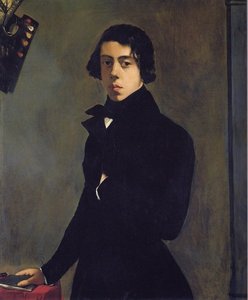
Théodore Chassériau
1819 - 1856 , Republică Dominicană
Detalii rapide
- Artistic Movement Or Style: Romanticism și Neoclasicism
- Artists Or Movements Influenced By This Artist: ['Vadim Muzika']
- Artists Who Influenced This Artist:
- Jean-Auguste-Dominique Ingres
- Eugène Delacroix
- Date Of Birth: 20 Septembrie 1819
- Full Name: Théodore Chassériau
- Nationality: Francez
- Notable Artworks:
- Desdemona (The Song of the Willow)
- Scena din Cartierul Evreu din Constantinopol
- Place Of Birth: El Limón, Santo Domingo