

 Vezi în context
 Trimite
 Distribuie
 Detalii

 Descarcă
 Produse similare
 Radiografie
 Diaporama
 Statistici
Flowers Have Bloomed

 Citește mai mult
Giclée / Imprimare artistică
Printuri giclée sau pe canvas de calitate muzeală, cu proces de producție rapid și opțiuni flexibile de finisare. ( Comandă pictură realizată manual Treci la imagine digitală)




































Alegeți dintre dimensiunile noastre prestabilite, care respectă proporțiile originale ale operei de artă.

Puteți introduce propriile dimensiuni pentru a se potrivi unui anumit cadru sau spațiu. Dacă dimensiunea selectată nu corespunde proporțiilor imaginii originale, vom decupa lucrarea de artă sau vom extinde imaginea cu margini oglindite sau cu o culoare uniformă. Un mockup digital va fi trimis pentru aprobarea dumneavoastră înainte de începerea producției.
Vă rugăm să rețineți că previzualizarea de pe ecran nu reflectă decuparea sau extinderea reală. Doar mockup-ul va arăta cu exactitate compoziția finală.
Deși dimensiunile personalizate sunt disponibile, vă recomandăm să selectați o dimensiune din lista predefinită pentru a păstra proporțiile originale.
Livrare în întreaga lume () în 2 săptămâni, în loc de cele 4/5 săptămâni standard. (16 Septembrie)

Livrare expres gratuită la nivel mondial

Pânză de in premium

Asigurare completă pentru transport

Garanție de rambursare a taxelor vamale

Garanția fidelității culorilor

Politica de retur în 100 de zile (doar pentru defecte)

Garanție de rambursare 100%

Reducere pentru comenzi multiple
 Opțiunea cu sticlă este disponibilă doar pentru dimensiuni de sub 110 cm

Flowers Have Bloomed
Giclée / Imprimare artistică
Dimensiune reproducere
-


Preț total
$ 80
A Playful Dance of Form and Color: Takashi Murakami's "Flowers Have Bloomed"
Takashi Murakami’s “Flowers Have Bloomed” is a captivating artwork that embodies his signature aesthetic – a vibrant blend of Pop Art, anime/manga influences, and the concept of "Superflat." This piece isn't merely a painting; it's an immersive experience, drawing viewers into a world of playful energy and subtle complexity. The composition features two large, symmetrical faces, rendered with exaggerated eyes that evoke a sense of *kawaii* (cuteness), a key element in Japanese popular culture. These faces are mirrored almost perfectly, creating a visual rhythm that is both engaging and slightly hypnotic. A delicate floral spray hangs between them, offering a softer counterpoint to the bold dynamism of the surrounding patterns. The neutral grey background allows the vibrant colors to truly pop, ensuring the artwork commands attention within any space.Superflat Technique & Artistic Influences
Murakami’s artistic style is deeply rooted in the "Superflat" movement he himself coined. This technique deliberately eliminates traditional perspective and shading, creating a flattened, graphic image reminiscent of Japanese woodblock prints (Ukiyo-e) and anime/manga aesthetics. The influence of Pop Art is also evident in the bold use of color and the incorporation of commercial imagery into fine art. The swirling patterns of red, blue, and white are not merely decorative; they contribute to a sense of movement and energy, reflecting the rapid pace of post-war Japanese culture – a culture Murakami seeks to both celebrate and critique. The small figures subtly integrated within the background add another layer of intrigue, hinting at a larger narrative beyond the immediate visual impact.Symbolism & Emotional Resonance
Beyond its striking visuals, "Flowers Have Bloomed" carries layers of symbolic meaning. The repetition and symmetry suggest themes of balance and harmony, while the floral element introduces a note of delicacy and beauty – a contrast that adds depth to the overall composition. The large eyes, characteristic of Murakami’s work, can be interpreted as both innocent and knowing, hinting at an underlying complexity beneath the surface-level playfulness. The artwork evokes feelings of joy, energy, and even a touch of surrealism, inviting viewers to contemplate the relationship between high art and popular culture, tradition and modernity. It's a piece that sparks conversation and encourages multiple interpretations.Materials & Technique
Murakami’s masterful use of acrylic paint on canvas creates a smooth, almost graphic surface. The lack of visible texture emphasizes the flatness characteristic of Superflat art. The colors are applied with precision, creating bold blocks and swirling patterns that contribute to the artwork's dynamic feel. This technique allows for a high level of detail and vibrancy, ensuring that "Flowers Have Bloomed" remains visually striking from any distance. The even lighting further enhances the graphic quality, making it an ideal piece for both modern and traditional interiors.Biografie artist
A Universe of Superflat: The World of Takashi Murakami
Takashi Murakami, born in Tokyo in 1962, isn’t simply an artist; he's a cultural architect, reshaping the boundaries between traditional Japanese art and contemporary global aesthetics. His journey began not with grand pronouncements but with a deep-seated fascination for the vibrant world of anime and manga – the animated cartoons and comic books that defined his childhood. This early passion wasn’t merely a nostalgic fondness; it became the bedrock upon which he would build an entirely new artistic language, one that simultaneously honored Japan's rich heritage and boldly confronted its evolving identity. Initially aspiring to work within the animation industry, Murakami found himself drawn to the rigorous discipline of Nihonga – the traditional Japanese painting style—at Tokyo University of the Arts. He excelled in this demanding field, earning a doctorate, yet he soon recognized its inherent limitations: its tendency towards insularity and adherence to established conventions. This realization sparked a period of intense exploration, leading him away from tradition and toward a more dynamic, experimental approach to art.From Critique to Creation: The Genesis of Superflat
Murakami’s early artistic explorations weren't defined by grand narratives or profound statements; instead, they were rooted in social critique and satire. Projects like the Osaka Mixer Project (1992) and the Randoseru project (1991) served as initial forays into challenging societal structures and exposing their underlying tensions. These early works demonstrated a keen awareness of Japan’s post-war landscape – a society grappling with rapid modernization, economic shifts, and a complex relationship with its past. A pivotal moment arrived in 1994 when he received a fellowship from the Asian Cultural Council, facilitating his participation in the PS1 International Studio Program in New York City. This immersion in Western art provided a crucial broadening of perspective, exposing him to diverse artistic voices and challenging his preconceived notions about contemporary art. It was during this period that the concept of “Superflat” began to crystallize – a term he coined to describe a visual aesthetic characterized by flattened forms, bold colors, and a deliberate blurring of boundaries between high and low culture. Superflat wasn’t merely an artistic style; it represented a theoretical framework for understanding Japan's post-war cultural landscape—a world where the distinctions between traditional art and popular entertainment, fine art and commercial design, were increasingly fluid. Murakami argued that this flattening reflected a broader societal shift, one marked by consumerism, globalization, and a pervasive sense of cultural hybridity.Influences and Themes: A Tapestry of Culture
Murakami’s artistic universe is profoundly shaped by a complex interplay of influences. The instantly recognizable imagery of anime and manga—the vibrant characters, exaggerated expressions, and dynamic action sequences—forms the foundation of his visual vocabulary. He doesn't simply imitate these styles; he deconstructs them, reinterpreting their iconic elements within a distinctly Murakami-esque framework. Simultaneously, he draws heavily from Pop Art, particularly its embrace of mass-produced imagery, consumer culture references, and the celebration of everyday objects. However, unlike many Western Pop Artists, Murakami infuses his work with a uniquely Japanese sensibility—a deep awareness of tradition, symbolism, and cultural nuances. The flattened perspective and bold compositions found in his paintings echo the legacy of Ukiyo-e woodblock prints – renowned for their exquisite craftsmanship, evocative depictions of everyday life, and masterful use of color. Furthermore, Murakami’s work is deeply intertwined with Japanese subcultures, particularly otaku culture—a term encompassing a vast range of interests including anime, manga, video games, and a fascination with all things cute or kawaii (adorable). He incorporates elements of these subcultures into his art, creating a dialogue between the traditional and the contemporary, the highbrow and the lowbrow. Recurring motifs like mushrooms – often associated with drug culture in Japan but also imbued with symbolic significance rooted in Japanese folklore—add layers of complexity to his work.Achievements and Legacy: A Global Impact
Takashi Murakami’s impact on the art world is nothing short of transformative. He didn't simply create a body of artwork; he established an entire artistic philosophy and methodology. The founding of Kaikai Kiki Co., Ltd. in 1994 was a crucial step, transforming from a simple management company into a multifaceted creative hub—a nurturing environment for both his own work and the careers of emerging Japanese artists. The Geisai art fair, which he organized, provided an invaluable platform for showcasing and promoting young talent within Japan’s contemporary art scene. His exhibitions in major galleries and museums around the world – from the Venice Biennale to MOCA Los Angeles – have cemented his international recognition. Perhaps most significantly, Murakami's collaboration with luxury brand Louis Vuitton in 2003—designing iconic handbags adorned with his signature motifs—demonstrated a radical blurring of boundaries between high art and commercial design, challenging conventional notions of artistic value and authorship. His work has been exhibited in prominent museum collections globally, solidifying his status as one of the most influential contemporary artists working today. Murakami’s “Superflat” theory has profoundly impacted contemporary art discourse, offering a fresh perspective on Japanese artistic traditions and post-war culture. He challenged conventional notions of artistic value by integrating commercial elements into his practice, influencing the development of Pop Art and consumer culture in art. His work helped introduce Japanese subcultures to a global audience, fostering cross-cultural understanding and appreciation. Takashi Murakami’s innovative approach continues to inspire countless artists and shape the landscape of contemporary art for generations to come.
Takashi Murakami
1962 - , Japonia
Informații rapide
- Artistic Movement Or Style: Superflat, Neo-Pop
- Artists Or Movements Influenced By This Artist:
- Ukiyo-e
- Anime
- Artists Who Influenced This Artist:
- Andy Warhol
- Roy Lichtenstein
- Date Of Birth: 1 feb 1962
- Full Name: Takashi Murakami
- Nationality: Japonez
- Notable Artworks:
- Tan tan bo
- Lumea sferei
- Flori înflorite
- Place Of Birth: Tokyo, Japonia
Articole conexe

Crimson Threads of Narrative: Exploring Symbolism & Representation in Artworks Featuring the Red Dress
Explore the rich symbolism of the red dress in art history! From ancient power displays to iconic portraits like Cézanne’s 'Madame Cezanne', discover the cultural and artistic significance behind this captivating color. Expert analysis & insights.
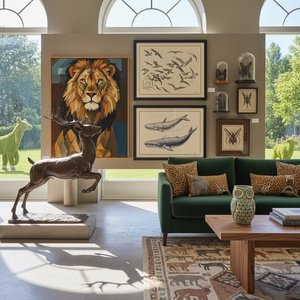
Animalia: Prezența Durabilă a Animalelor în Artă și Design Interior
Explorați prezența fascinantă a animalelor în artă și design interior de-a lungul istoriei. Descoperiți simbolismul, influențele culturale și inspirația oferită de lumea animală.
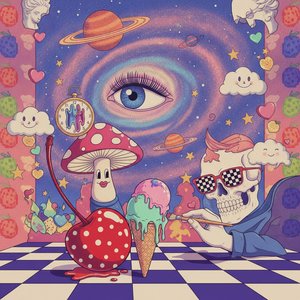
Pop Surrealism Unveiled: The Sophisticated Intersection of Vibrant Pop Art and Dreamlike Subconscious Landscapes
Explore the captivating world of Pop Surrealism. Discover how vibrant Pop Art meets dreamlike subconscious imagery through the works of masters like Jeff Soto and Ryan Heshka. An expert guide for discerning collectors seeking to understand this profound contemporary art movement.

Iconic Creatures: A Scholarly Exploration of the World's Greatest Animal Masterpieces in Art History
Embark on a scholarly journey through the world's greatest animal masterpieces. From ancient symbols to Impressionist light, explore the profound history of zoological art and discover museum-quality, hand-painted oil reproductions curated for the discerning collector.
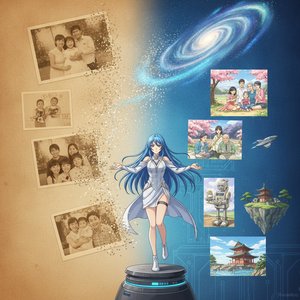
From Selfie to Studio Masterpiece: Transform Your Photos into Stunning AI-Driven Anime Art with OriginalUniqueArt
Step into the spotlight with OriginalUniqueArt's AI-driven transformation. Turn your photos into stunning, hand-painted anime oil masterpieces. Experience the perfect fusion of cutting-edge technology and museum-grade craftsmanship to create a timeless pop-culture legacy for your home.