

 Vezi în context
 Trimite
 Distribuie
 Detalii
 Ghidul

 Descarcă
 Produse similare
 Radiografie
 Diaporama
 Statistici
Eye Love Monogram


 Citește mai mult
Lucrarea de artă afișată pe această pagină este protejată de legile privind drepturile de autor, ceea ce înseamnă că nu putem crea sau vinde în mod legal o reproducere identică. Această protecție este garantată prin acorduri internaționale, precum Convenția de la Berna și de legile naționale, inclusiv cele prevăzute de Legea dreptului de autor din S.U.A. – Titlul 17. Toate drepturile rezervate. Orice reproducere neautorizată este interzisă.
Ca alternativă respectuoasă și legală, oferim tablouri pictate manual, personalizate, inspirate de original. Artistii noștri experimentați și profesioniști studiază cu atenție stilul, starea de spirit și esența artistică a originalului pentru a crea o piesă nouă și unică, care evocă aceeași emoție – rămânând, în același timp, o creație originală în sine.
Această metodă respectă pe deplin reglementările privind drepturile de autor, deoarece nu implică copierea sau duplicarea operei protejate. În schimb, este o reinterpretare creativă – o pictură nouă, influențată de original, dar care nu este identică cu acesta.
Reproducere pictată manual în ulei
Pictură în ulei pe pânză, realizată manual de artiștii noștri la dimensiunea și ramele dorite de dumneavoastră, pe comandă. ( Comută pe versiunea Print Treci la imagine digitală)




P118B lei10

P118H lei10

P118W lei10

P438Z lei10

P508JH lei12

P508YH lei12

P805H lei10

P805Z lei10

P919BZ lei10

P919G lei10

P919XJ lei10

P959ZH lei10

P968JZ lei12

W106C lei8

W218G lei10

W218JH lei8

W218Y lei10

W307PJ lei10

W316G lei10

W316PJ lei8

W316Y lei10

W398PJ lei8

W4111J lei10

W500HY lei15

W500JH lei15

W692G lei12

W849H lei8

W940BG lei15

W953PJ lei8




Alegeți dintre dimensiunile noastre prestabilite, care respectă proporțiile originale ale operei de artă.

Puteți introduce propriile dimensiuni pentru a se potrivi unui anumit cadru sau spațiu. Dacă dimensiunea selectată nu corespunde proporțiilor imaginii originale, vom decupa opera de artă sau vom extinde pictura cu elemente suplimentare pictate manual. O simulare digitală vă va fi trimisă pentru aprobare înainte de începerea producției.
Vă rugăm să rețineți că previzualizarea de pe ecran nu reflectă decuparea sau extinderea reală. Doar macheta va arăta cu exactitate compoziția finală.
Deși sunt disponibile dimensiuni personalizate, vă recomandăm să selectați o dimensiune din lista predefinită pentru a păstra proporțiile originale.
După plasarea comenzii, echipa OriginalUniqueArt.com va contacta clientul prin e-mail pentru instrucțiuni și îi va furniza o previzualizare a machetei
Livrare în întreaga lume () în 3-4 săptămâni, în loc de cele 5 săptămâni standard. (11 Octombrie). Fără compromisuri în ceea ce privește calitatea.

Livrare expres gratuită la nivel mondial

Pânză de in premium

Asigurare completă pentru transport

Garanție de rambursare a taxelor vamale

Garanția fidelității culorilor

Politica de retur în 100 de zile (doar pentru defecte)

Garanție de rambursare 100%

Reducere pentru comenzi multiple
 Opțiunea cu sticlă este disponibilă doar pentru dimensiuni de sub 110 cm

Eye Love Monogram
Tip de reproducere
Dimensiune reproducere
-


Preț total
lei 1357
Eye Love Monogram: A Pop Art Echo of Japanese Tradition
Takashi Murakami’s “Eye Love Monogram” is more than just a visually arresting composition; it's a vibrant collision of influences, a testament to the artist’s unique approach to bridging traditional Japanese aesthetics with contemporary pop culture. Initially presented as a digital print, this artwork embodies the core tenets of Murakami’s ‘Superflat’ theory – a deliberate flattening of perspective and a celebration of surface decoration reminiscent of pre-modern Japanese art. The stark black background immediately commands attention, acting as a dramatic stage for the explosion of color and pattern that dominates the canvas. It's a bold move, contrasting sharply with the often layered complexities found in Western fine art, reflecting Murakami’s desire to strip away perceived hierarchies and embrace a more democratic visual language.
The artwork’s composition is meticulously structured yet undeniably playful. A central, radiant yellow circle – a motif frequently associated with Murakami's ‘Mr. DOB’ persona – anchors the piece, its red core hinting at both energy and underlying tension. Surrounding this focal point are four-pointed floral designs, rendered in a stylized manner that draws heavily from traditional Japanese motifs but avoids strict adherence to any specific school of painting. These blossoms aren’t realistic; instead, they possess an almost cartoonish quality, contributing significantly to the artwork's overall sense of joyful exuberance. Scattered throughout the composition are smaller circles and repeating patterns, creating a dynamic rhythm that guides the viewer’s eye across the surface. The deliberate symmetry, combined with the seemingly chaotic arrangement of elements, speaks to Murakami’s fascination with both order and disruption – a key characteristic of his artistic practice.
Decoding the Palette and Technique
The color palette is undeniably arresting—a riot of saturated hues against the enveloping black. Bright yellows, reds, greens, pinks, blues, and oranges coalesce to create an intensely vibrant visual experience. This deliberate use of bold colors isn’t merely decorative; it's a strategic choice that echoes the flattened aesthetic of Superflat. Murakami intentionally avoids subtle gradations or nuanced shading, opting instead for clean, defined lines and areas of solid color. The technique suggests a digital print process, lending the artwork a crispness and clarity that contrasts with the often softer textures associated with traditional oil painting. The lack of visible texture reinforces this sense of immediacy and directness – it’s an image designed to grab attention and evoke emotion instantly.
Symbolism and Emotional Resonance
Beyond its purely visual appeal, “Eye Love Monogram” is rich in symbolic potential. The central yellow circle with a red core can be interpreted as representing perception or awareness—the ‘eye’ itself. Murakami frequently employs this motif to explore themes of identity, self-representation, and the relationship between art and popular culture. The stylized floral designs, while drawing inspiration from Japanese traditions, also carry layers of meaning. Flowers are universally associated with beauty, life, and renewal, but their simplified forms here suggest a deliberate distancing from naturalism, aligning with the Superflat aesthetic. The overall feeling evoked is one of joyful playfulness—a celebration of color, pattern, and the blurring of boundaries between high and low art.
Murakami’s Legacy: A Contemporary Master
Takashi Murakami's work stands as a pivotal moment in contemporary art, bridging the gap between traditional Japanese aesthetics and global pop culture trends. His exploration of Superflat, combined with his masterful manipulation of color, pattern, and symbolism, has cemented his position as one of the most influential artists working today. “Eye Love Monogram” exemplifies this unique vision—a vibrant, dynamic artwork that invites viewers to contemplate the relationship between art, identity, and the ever-evolving landscape of contemporary culture. Reproductions offered by OriginalUniqueArt.com allow you to bring this captivating piece into your own space, experiencing its energy and symbolism firsthand.
Întrebări și răspunsuri
"Eye Love Monogram" de Takashi Murakami face parte din domeniul public?
"Eye Love Monogram" de Takashi Murakami este în încă protejată de drepturile de autor. Acest statut reglementează modul în care imaginea lucrării poate fi reprodusă.
Din ce este realizată „Eye Love Monogram”?
Takashi Murakami a utilizat tehnica Acrylic On Canvas pentru "Eye Love Monogram". Tehnica definește natura materială a lucrării originale.
Pot comanda o reproducere în ulei a operei "Eye Love Monogram"?
Copii pictate manual ale operei "Eye Love Monogram" de Takashi Murakami sunt vândute pe acest site: o reproducere pictată manual în ulei pe pânză de in, disponibile pentru comandă prin această pagină.
Unde pot cumpăra o ediție print a lucrării "Eye Love Monogram" de Takashi Murakami?
O printă a lucrării "Eye Love Monogram" de Takashi Murakami poate fi comandată direct pe această pagină: o printă de fine art pe canvas din bumbac sau pe hârtie canvas arhivistică.
Cine este artistul din spatele "Eye Love Monogram"?
„Eye Love Monogram” este atribuit lui Takashi Murakami.
Există o fișă informativă despre "Eye Love Monogram" de Takashi Murakami pentru studenți?
O pagină de Ghid este disponibilă pentru "Eye Love Monogram" de Takashi Murakami: o fișă informativă imprimabilă despre operă, concepută pentru elevi și utilizarea în mediul școlar.
Ce stare și ce emoție transmite "Eye Love Monogram" de Takashi Murakami?
"Eye Love Monogram" de Takashi Murakami transmite un sentiment Joyful, într-o atmosferă generală Playful.
Biografie artist
A Universe of Superflat: The World of Takashi Murakami
Takashi Murakami, born in Tokyo in 1962, isn’t simply an artist; he's a cultural architect, reshaping the boundaries between traditional Japanese art and contemporary global aesthetics. His journey began not with grand pronouncements but with a deep-seated fascination for the vibrant world of anime and manga – the animated cartoons and comic books that defined his childhood. This early passion wasn’t merely a nostalgic fondness; it became the bedrock upon which he would build an entirely new artistic language, one that simultaneously honored Japan's rich heritage and boldly confronted its evolving identity. Initially aspiring to work within the animation industry, Murakami found himself drawn to the rigorous discipline of Nihonga – the traditional Japanese painting style—at Tokyo University of the Arts. He excelled in this demanding field, earning a doctorate, yet he soon recognized its inherent limitations: its tendency towards insularity and adherence to established conventions. This realization sparked a period of intense exploration, leading him away from tradition and toward a more dynamic, experimental approach to art.From Critique to Creation: The Genesis of Superflat
Murakami’s early artistic explorations weren't defined by grand narratives or profound statements; instead, they were rooted in social critique and satire. Projects like the Osaka Mixer Project (1992) and the Randoseru project (1991) served as initial forays into challenging societal structures and exposing their underlying tensions. These early works demonstrated a keen awareness of Japan’s post-war landscape – a society grappling with rapid modernization, economic shifts, and a complex relationship with its past. A pivotal moment arrived in 1994 when he received a fellowship from the Asian Cultural Council, facilitating his participation in the PS1 International Studio Program in New York City. This immersion in Western art provided a crucial broadening of perspective, exposing him to diverse artistic voices and challenging his preconceived notions about contemporary art. It was during this period that the concept of “Superflat” began to crystallize – a term he coined to describe a visual aesthetic characterized by flattened forms, bold colors, and a deliberate blurring of boundaries between high and low culture. Superflat wasn’t merely an artistic style; it represented a theoretical framework for understanding Japan's post-war cultural landscape—a world where the distinctions between traditional art and popular entertainment, fine art and commercial design, were increasingly fluid. Murakami argued that this flattening reflected a broader societal shift, one marked by consumerism, globalization, and a pervasive sense of cultural hybridity.Influences and Themes: A Tapestry of Culture
Murakami’s artistic universe is profoundly shaped by a complex interplay of influences. The instantly recognizable imagery of anime and manga—the vibrant characters, exaggerated expressions, and dynamic action sequences—forms the foundation of his visual vocabulary. He doesn't simply imitate these styles; he deconstructs them, reinterpreting their iconic elements within a distinctly Murakami-esque framework. Simultaneously, he draws heavily from Pop Art, particularly its embrace of mass-produced imagery, consumer culture references, and the celebration of everyday objects. However, unlike many Western Pop Artists, Murakami infuses his work with a uniquely Japanese sensibility—a deep awareness of tradition, symbolism, and cultural nuances. The flattened perspective and bold compositions found in his paintings echo the legacy of Ukiyo-e woodblock prints – renowned for their exquisite craftsmanship, evocative depictions of everyday life, and masterful use of color. Furthermore, Murakami’s work is deeply intertwined with Japanese subcultures, particularly otaku culture—a term encompassing a vast range of interests including anime, manga, video games, and a fascination with all things cute or kawaii (adorable). He incorporates elements of these subcultures into his art, creating a dialogue between the traditional and the contemporary, the highbrow and the lowbrow. Recurring motifs like mushrooms – often associated with drug culture in Japan but also imbued with symbolic significance rooted in Japanese folklore—add layers of complexity to his work.Achievements and Legacy: A Global Impact
Takashi Murakami’s impact on the art world is nothing short of transformative. He didn't simply create a body of artwork; he established an entire artistic philosophy and methodology. The founding of Kaikai Kiki Co., Ltd. in 1994 was a crucial step, transforming from a simple management company into a multifaceted creative hub—a nurturing environment for both his own work and the careers of emerging Japanese artists. The Geisai art fair, which he organized, provided an invaluable platform for showcasing and promoting young talent within Japan’s contemporary art scene. His exhibitions in major galleries and museums around the world – from the Venice Biennale to MOCA Los Angeles – have cemented his international recognition. Perhaps most significantly, Murakami's collaboration with luxury brand Louis Vuitton in 2003—designing iconic handbags adorned with his signature motifs—demonstrated a radical blurring of boundaries between high art and commercial design, challenging conventional notions of artistic value and authorship. His work has been exhibited in prominent museum collections globally, solidifying his status as one of the most influential contemporary artists working today. Murakami’s “Superflat” theory has profoundly impacted contemporary art discourse, offering a fresh perspective on Japanese artistic traditions and post-war culture. He challenged conventional notions of artistic value by integrating commercial elements into his practice, influencing the development of Pop Art and consumer culture in art. His work helped introduce Japanese subcultures to a global audience, fostering cross-cultural understanding and appreciation. Takashi Murakami’s innovative approach continues to inspire countless artists and shape the landscape of contemporary art for generations to come.
Takashi Murakami
1962 - , Japonia
Informații rapide
- Artistic Movement Or Style: Superflat, Neo-Pop
- Artists Or Movements Influenced By This Artist:
- Ukiyo-e
- Anime
- Artists Who Influenced This Artist:
- Andy Warhol
- Roy Lichtenstein
- Date Of Birth: 1 feb 1962
- Full Name: Takashi Murakami
- Nationality: Japonez
- Notable Artworks:
- Tan tan bo
- Lumea sferei
- Flori înflorite
- Place Of Birth: Tokyo, Japonia
Articole conexe
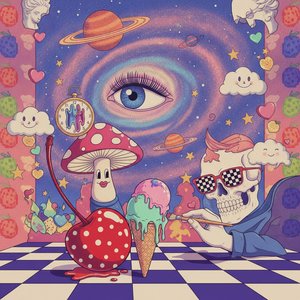
Pop Surrealism Unveiled: The Sophisticated Intersection of Vibrant Pop Art and Dreamlike Subconscious Landscapes
Explore the captivating world of Pop Surrealism. Discover how vibrant Pop Art meets dreamlike subconscious imagery through the works of masters like Jeff Soto and Ryan Heshka. An expert guide for discerning collectors seeking to understand this profound contemporary art movement.
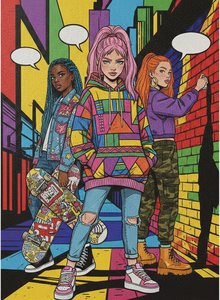
Bold & Iconic: Eye-Catching Pop Art Featuring Young Girls – A Visual Journey Through Contemporary Street Style
Discover the electric energy of Pop Art featuring young girls. Explore a visual journey through bold, iconic street art styles, from neo-pop aesthetics to high-impact dopamine decor designed to transform your space with vibrant, contemporary culture.
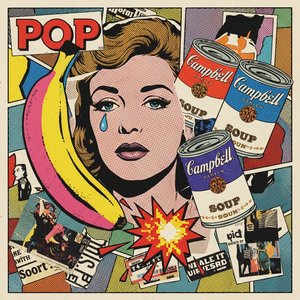
Challenging Conventions: Pop Art's Origins, Evolution & Enduring Legacy
Explore the fascinating history of Pop Art, from its rebellious origins to its enduring influence on contemporary artists. Discover key figures like Warhol & Lichtenstein and learn about collecting this iconic movement.

Geek-Chic Interiors: The Definitive Guide to Decorating with Sophisticated Pop Culture Art
Elevate your home with our expert guide to Geek-Chic interiors. Discover how to seamlessly integrate sophisticated pop culture art and hand-painted masterpieces into luxury decor for a refined, modern aesthetic.
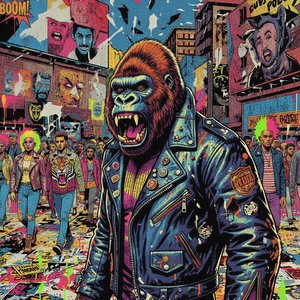
Aggressive Pop Art: The High-Impact Movement Redefining Street Style and Urban Design
Discover how Aggressive Pop Art is shattering minimalism to redefine urban design. Explore the high-impact trends of Neo-Pop, street style aesthetics, and bold graphic movements shaping modern interiors and contemporary culture.