

 Previzualizare
 Trimite prin felicitare
 Distribuie
 Detalii despre lucrare
 Ghid
Ghid

 Descarcă imaginea
 Produse similare
 Radiografie
 Galerie foto
 Statistici
Two courtesans

 Vezi mai mult
Giclée / Imprimare artistică
Printuri giclée sau pe canvas de calitate muzeală, cu proces de producție rapid și opțiuni flexibile de finisare. ( Comandă pictură realizată manual Comută pe Imagine Digitală)




P118B lei10

P118H lei10

P118W lei10

P438Z lei10

P508JH lei12

P508YH lei12

P805H lei10

P805Z lei10

P919BZ lei10

P919G lei10

P919XJ lei10

P959ZH lei10

P968JZ lei12

W106C lei8

W218G lei10

W218JH lei8

W218Y lei10

W307PJ lei10

W316G lei10

W316PJ lei8

W316Y lei10

W398PJ lei8

W4111J lei10

W500HY lei15

W500JH lei15

W692G lei12

W849H lei8

W940BG lei15

W953PJ lei8




Alegeți dintre dimensiunile noastre prestabilite, care respectă proporțiile originale ale operei de artă.

Introduceți lățimea și înălțimea necesare pentru a se potrivi ramei sau peretelui dumneavoastră. O printare poate fi doar tăiată, niciodată extinsă dincolo de dimensiunea imaginii originale, astfel încât o dimensiune cu o formă diferită va pierde o parte din imagine. Vă trimitem o simulare digitală pentru aprobare înainte de a imprima orice. Imaginea afișată pe această pagină nu prezintă tăierea reală — doar simularea arată acest lucru.
Livrare în întreaga lume () în 2 săptămâni, în loc de cele 4/5 săptămâni standard. (25 Octombrie)

Livrare expres gratuită la nivel mondial

Pânză de in de înaltă calitate

Asigurare completă pentru transport

Garanție de rambursare a taxelor vamale

Garanția fidelității culorilor

Politica de retur în 100 de zile (doar pentru defecte de fabricație)

Garanție de rambursare 100%

Ofertă pentru comenzi multiple
 Opțiunea cu sticlă este disponibilă doar pentru dimensiuni de sub 110 cm

Two courtesans
Giclée / Imprimare artistică
Dimensiune reproducere
-


Preț total calculat
lei 370
Biografie artist
Early Life and Influences
Suzuki Harunobu, a pivotal figure in the history of Japanese art, emerged from the bustling metropolis of Edo (modern-day Tokyo) in 1725. While details about his early years remain shrouded in mystery – historical records offer scant information – it’s believed he spent his formative years in Kyoto, absorbing the artistic atmosphere and traditions of that ancient capital. His work immediately reveals a complex interplay of influences, demonstrating a deep respect for established masters while simultaneously forging a unique and innovative style. Harunobu's artistic journey was shaped by the legacies of several prominent artists: Torii Kiyomitsu, known for his pioneering use of color in monochrome prints; Ishikawa Toyonobu, a master of perspective and composition; the Kawamata School, renowned for its elegant depictions of nature; and, perhaps most significantly, Nishikawa Suke-nobu. The latter’s influence is particularly pronounced, as Suke-nobu's delicate portrayals of women and his sophisticated use of color served as a foundational model for Harunobu’s own artistic approach. The combination of these diverse influences created a distinctive voice within the burgeoning world of *ukiyo-e* art.Artistic Career and Innovation
Harunobu’s early career was characterized by skillful, yet somewhat conventional, work in the style of the Torii School. His prints demonstrated technical proficiency but lacked the groundbreaking originality that would later define his legacy. However, a pivotal shift occurred when he became involved with a group of literati samurai – members of the wealthy merchant class who embraced artistic pursuits as a form of leisure and cultural refinement. This association proved transformative, propelling Harunobu towards new creative horizons. In 1764, he was commissioned to design *e-goyomi* calendars for these samurai patrons—a groundbreaking development that marked the birth of *nishiki-e*, or “brocade prints.” These calendar images represented a radical departure from traditional monochrome prints, embracing full-color production and demanding unprecedented technical skill. Harunobu’s experimentation with premium woods and expensive pigments pushed the boundaries of printmaking, establishing new standards for quality and visual impact. A remarkable innovation was his development of a system utilizing notches and wedges to hold multiple separate woodblocks in place during the printing process – a technique that allowed for the creation of complex images composed of ten or more distinct blocks. This ingenious method dramatically increased the intricacy and detail possible within a single print, fundamentally altering the landscape of Japanese art.Notable Works and Techniques
Suzuki Harunobu’s *nishiki-e* prints quickly gained popularity among the *chōnin* class – the urban merchant elite who sought to adorn their homes with exquisite works of art. His prints depicted scenes from everyday life, capturing the beauty of nature, the elegance of courtesans, and the vibrancy of Edo society. His mastery of color was particularly noteworthy; he skillfully employed a delicate, almost ethereal palette, often utilizing subtle gradations and nuanced tones to create a sense of atmosphere and mood. Unlike many of his contemporaries who favored overtly erotic subjects (*shunga*), Harunobu primarily focused on idyllic scenes of love and beauty, reflecting the refined tastes of his clientele. He also demonstrated a remarkable ability to evoke specific settings – snow-covered landscapes and nighttime scenes – adding depth and emotional resonance to his compositions. His prints were not merely decorative; they conveyed a sense of poetry and contemplation, inviting viewers to immerse themselves in the world he depicted.Legacy and Influence
Suzuki Harunobu’s contributions were instrumental in shaping Western perceptions of Japanese art during the late 19th century. His innovative *nishiki-e* prints captivated European artists and collectors, becoming a key influence on the *Japonisme* movement – a trend that celebrated the aesthetics of Japanese art. Artists such as Hokusai and Hiroshige, who built upon Harunobu’s techniques and explored similar themes, gained widespread recognition in Europe thanks to his pioneering work. Harunobu's legacy extends far beyond his individual achievements; he essentially established the foundation for full-color woodblock printing in Japan, transforming it from a relatively rare practice into a dominant form of artistic expression. His influence can still be felt today, as his prints continue to inspire artists and captivate audiences worldwide. His work stands as a testament to the power of innovation, artistry, and cultural exchange.
Suzuki Harunobu
1725 - 1770 , Japonia
Detalii rapide
- Artistic Movement Or Style: Ukiyo-e, Nishiki-e
- Artists Or Movements Influenced By This Artist:
- Hokusai
- Hiroshige
- Artists Who Influenced This Artist: ['Nishikawa Sukenobu']
- Date Of Birth: 1725?
- Date Of Death: 1770
- Full Name: Suzuki Harunobu
- Nationality: Japonez
- Notable Artworks:
- Heroni, Femei
- Scene din viața
- Place Of Birth: Tokyo, Japonia
Articole similare
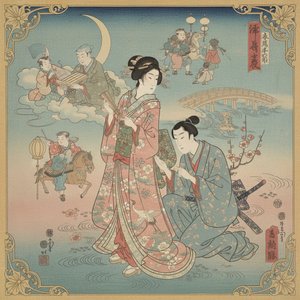
Suzuki Harunobu: Pioneering Ukiyo-e & the Refinement of Edo Period Printmaking
Discover the revolutionary world of Suzuki Harunobu, a pioneer of ukiyo-e printmaking. Explore his exquisite nishiki-e techniques, diverse subjects & lasting impact on Japanese art history. Learn more at OriginalUniqueArt.

Floating Worlds: A Definitive Guide to the Mastery and Philosophy of Japanese Ukiyo-e Woodblock Prints
Explore the profound beauty of Ukiyo-e. Discover the history, philosophy, and legendary masters of Japanese woodblock prints, from Hokusai to Kuniyoshi, in this expert guide to the 'Floating World'.

The Floating World: Unveiling the Timeless Beauty and Soul of Japanese Ukiyo-e Artistry
Journey through the ephemeral beauty of Japanese Ukiyo-e. Uncover the profound history of woodblock prints, the mastery of Hokusai, and the captivating link between the 'Floating World' and Impressionism. A sophisticated guide for the discerning art enthusiast.

Katsushika Hokusai: Cele Mai Iubite 25 de Opere de Artă – Inspirație pentru Decorul Casei Tale
Descoperă cele mai frumoase 25 de opere de artă semnate de Katsushika Hokusai, maestru ukiyo-e. Explorează istoria valului Kanagawa și a picturilor japoneze iconice. Reproduceri de calitate muzeală pentru decorul casei tale pe OriginalUniqueArt.com!
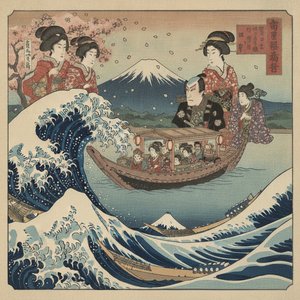
Masterpieces of Japan: A Definitive Guide to Ukiyo-e and the Art of the Floating World
Explore the profound beauty of Japanese Ukiyo-e. From Hokusai's iconic waves to the elegance of the Edo period, discover the history and masters behind the 'Floating World' in this expert art-history guide for collectors and enthusiasts.


