 Previzualizare
 Trimite prin felicitare
 Distribuie
 Detalii despre lucrare
 Ghid
Ghid

 Descarcă imaginea
 Produse similare
 Radiografie
 Galerie foto
 Întrebări și răspunsuri
 Statistici

A View in Venice

- 35.0 x 27.0 cm


 Vezi mai mult
Giclée / Imprimare artistică
Printuri giclée sau pe canvas de calitate muzeală, cu proces de producție rapid și opțiuni flexibile de finisare. ( Comandă pictură realizată manual Comută pe Imagine Digitală)




P118B lei10

P118H lei10

P118W lei10

P438Z lei10

P508JH lei12

P508YH lei12

P805H lei10

P805Z lei10

P919BZ lei10

P919G lei10

P919XJ lei10

P959ZH lei10

P968JZ lei12

W106C lei8

W218G lei10

W218JH lei8

W218Y lei10

W307PJ lei10

W316G lei10

W316PJ lei8

W316Y lei10

W398PJ lei8

W4111J lei10

W500HY lei15

W500JH lei15

W692G lei12

W849H lei8

W940BG lei15

W953PJ lei8




Alegeți dintre dimensiunile noastre prestabilite, care respectă proporțiile originale ale operei de artă.

Introduceți lățimea și înălțimea necesare pentru a se potrivi ramei sau peretelui dumneavoastră. O printare poate fi doar tăiată, niciodată extinsă dincolo de dimensiunea imaginii originale, astfel încât o dimensiune cu o formă diferită va pierde o parte din imagine. Vă trimitem o simulare digitală pentru aprobare înainte de a imprima orice. Imaginea afișată pe această pagină nu prezintă tăierea reală — doar simularea arată acest lucru.
Livrare în întreaga lume () în 2 săptămâni, în loc de cele 4/5 săptămâni standard. (5 Noiembrie)

Livrare expres gratuită la nivel mondial

Pânză de in de înaltă calitate

Asigurare completă pentru transport

Garanție de rambursare a taxelor vamale

Garanția fidelității culorilor

Politica de retur în 100 de zile (doar pentru defecte de fabricație)

Garanție de rambursare 100%

Ofertă pentru comenzi multiple
 Opțiunea cu sticlă este disponibilă doar pentru dimensiuni de sub 110 cm

A View in Venice
Giclée / Imprimare artistică
Dimensiune reproducere
-


Preț total calculat
lei 387
A Window into Venetian Serenity
In her evocative 1880 masterpiece, A View in Venice, Susan Isabel Dacre invites the viewer to step away from the bustle of modern life and drift into a moment of profound tranquility. The painting captures a quintessential Venetian scene, where the rhythmic dance of light upon the water meets the timeless architecture of Italy's most romantic city. At first glance, one is struck by the warmth that radiates from the canvas; Dacre employs a palette dominated by sun-drenched oranges and deep reds, which cling to the facades of the closely packed buildings. These structures, complete with delicate balconies and weathered shutters, stand as silent witnesses to the passage of time, their surfaces reflecting the golden glow of a Mediterranean afternoon.
The composition is anchored by the gentle movement of boats navigating the canal, suggesting a life lived in harmony with the tides. A single figure stands near the center, perhaps a gondolier or a local resident, adding a touch of human narrative to the landscape. This presence serves as an emotional anchor, grounding the dreamlike atmosphere in a relatable reality. As the eye wanders across the water, it encounters the shimmering reflections of the sky and architecture, where the boundary between the solid world and its liquid mirror becomes beautifully blurred.
The Impressionist Touch and Technical Mastery
Technically, A View in Venice is a triumph of late 19th-century impressionistic sensibility. Dacre eschews rigid, clinical lines in favor of soft, fluid brushstrokes that prioritize the essence of light over mere topographical accuracy. This technique allows the artist to capture the ephemeral quality of atmosphere—the way humidity softens the edges of a distant palazzo or how sunlight scatters across a rippling canal. The use of oil on panel provides a rich, luminous depth, allowing the warm pigments to glow from within the layers of paint.
For the discerning collector or interior designer, this painting offers more than just a visual subject; it offers an atmosphere. The interplay of light and shadow creates a dynamic energy that breathes life into any space. Whether placed in a sunlit gallery or a sophisticated study, the work acts as a portal to another era. Its ability to evoke both realism through its architectural detail and dreamlike beauty through its loose execution makes it a versatile centerpiece for those seeking to infuse their surroundings with a sense of historical elegance and romantic nostalgia.
A Legacy of Resilience and Artistry
To understand the soul of this painting, one must consider the hand that held the brush. Susan Isabel Dacre was a woman of remarkable fortitude, navigating the complexities of the Victorian era as both an artist and an advocate for women's rights. Her life, marked by travels through war-torn Europe and her role in founding the Manchester Society of Women Artists, infused her work with a unique depth of perspective. In A View in Venice, we see the culmination of this worldly experience—a refined ability to find peace and beauty amidst the complexities of existence.
Owning a reproduction of this work is an opportunity to possess a fragment of art history. It is a tribute to a period when artists sought to capture the fleeting magic of the natural world, and it remains a timeless invitation to wander through the canals of Venice, lost in the soft light and the enduring charm of a bygone age.
Întrebări și răspunsuri
Ce intensitate de culoare are "A View in Venice" de Susan Isabel Dacre?
Intensitatea culorilor din "A View in Venice" este Balanced. Această intensitate descrie cât de puternice par a fi culorile.
Care este locul ocupat de "A View in Venice" în istoria artei?
Clasificarea istorică a operei "A View in Venice" de Susan Isabel Dacre este Impressionism, din perioada 19th Century.
"A View in Venice" de Susan Isabel Dacre este recomandată ca cadou și pentru cine?
"A View in Venice" de Susan Isabel Dacre este recomandată ca cadou pentru Anniversary, în special pentru Mood. O reproducere a acestei opere de artă poate fi oferită ca prezent.
Biografie artist
A Life Painted in Resilience: The Story of Susan Isabel Dacre
Susan Isabel Dacre, born in 1844 amidst the vibrant yet restrictive atmosphere of Victorian England, was far more than simply a painter; she embodied a quiet revolution – a testament to the burgeoning spirit of women challenging societal expectations and forging their own paths. Her life, spanning nearly nine decades into the early 20th century, mirrored the shifting landscapes of artistic expression and the passionate struggle for female emancipation. Born in Leamington Spa, a town renowned for its literary connections and elegant Regency architecture, Dacre’s journey was not one paved with privilege or immediate recognition. Instead, it was meticulously crafted through keen observation, unwavering dedication to her craft, and an indomitable spirit that refused to be confined by the limitations imposed upon women of her era. Her early years were marked by a series of experiences – from attending convent schooling in Salford to serving as a governess – each contributing to a profound understanding of human nature and the complexities of the world around her. Notably, she witnessed firsthand the tumultuous events of the Franco-Prussian War while residing in Paris, an experience that instilled within her a heightened awareness of political instability and the urgent need for social change.Artistic Development and Influences: A Blossoming Talent
Dacre’s formal artistic training commenced in 1871 when she enrolled at the Manchester School of Art, a progressive institution known for its emphasis on realism and naturalism. It was there that her considerable talent quickly became apparent, culminating in a remarkable achievement – winning the prestigious Queen’s Prize in 1875. This recognition served as a pivotal moment, solidifying her commitment to painting as a profession—a bold decision considering the prevailing social attitudes towards women pursuing careers outside the domestic sphere. Her early style was characterized by meticulous realism, reflecting the dominant artistic trends of the Victorian period. However, beneath this surface lay an emerging sensitivity to light and color, hinting at a willingness to embrace contemporary movements. While pinpointing specific influences is challenging due to limited documentation, it’s clear that Dacre drew inspiration from the prevailing realist tendencies of her time. Yet, subtle echoes of Impressionism—particularly in her landscape paintings—suggest a receptiveness to the innovative approaches being explored by artists like Monet and Renoir across the Channel. A particularly significant influence was Lord Leighton, a renowned Pre-Raphaelite painter who, during a sojourn in Capri, offered Dacre invaluable guidance on painting techniques and compositional strategies, demonstrating a rare openness from an established male artist towards nurturing female talent. Her portraits, however, remained central to her artistic practice, allowing her to delve into the nuances of character and individuality with remarkable depth and empathy.Themes and Notable Works: Capturing Essence
Dacre’s oeuvre is remarkably diverse, encompassing evocative landscapes that capture the beauty of the English countryside, intimate genre scenes offering glimpses into everyday Victorian life, and compelling portraits that reveal the inner lives of her subjects. Italian Women in Church stands as a particularly poignant example of her ability to evoke emotional resonance through subtle gestures and atmospheric composition—a testament to her keen observational skills and understanding of human psychology. Her fascination with Italy is vividly expressed in works such as Assisi from Perugia and Assisi from the City Walls, where she masterfully conveys the serenity and tranquility of the Italian landscape using soft brushstrokes and a muted palette. These paintings are not merely depictions of scenery; they are imbued with a sense of spiritual contemplation and an appreciation for the beauty of the natural world. Perhaps one of her most touching pieces is The Artist’s Mother, a deeply personal portrait that showcases Dacre's remarkable skill in portraying familial bonds with sensitivity and grace—a reflection of her own close relationship with her mother. Recurring themes throughout her work include a celebration of female strength and individuality – often subtly conveyed through the expressions and postures of her subjects – alongside an enduring appreciation for the beauty of nature and intimate glimpses into Victorian domestic life. These weren’t simply aesthetic choices; they were deeply rooted in her personal values and beliefs, quietly challenging conventional representations of women and society.A Champion of Women Artists and Suffrage: Beyond the Canvas
Susan Isabel Dacre's legacy extends far beyond the confines of her artistic creations. She was a passionate advocate for both artistic opportunities for women and the broader cause of suffrage—a testament to her unwavering commitment to social justice. In 1876, alongside Annie Louise Swynnerton, she co-founded the Manchester Society of Women Artists – a crucial initiative that provided a vital platform for female artists to exhibit their work, network with peers, and gain recognition within an art world largely dominated by men. This organization served as a beacon of support and encouragement, fostering a sense of community and empowering women to pursue their artistic ambitions. Dacre’s leadership extended beyond mere membership; she served as the president of this influential society for several years, demonstrating her ability to inspire and guide others. Furthermore, she was an active member of the Manchester National Society for Women's Suffrage, dedicating herself to campaigning for women’s right to vote—a cause that resonated deeply with her progressive ideals. Her tireless efforts culminated in her becoming a council member of the Manchester Academy of Fine Arts in 1897 – a significant achievement that shattered barriers and paved the way for future generations of female artists to gain recognition within established institutions.Enduring Significance: A Lasting Legacy
Susan Isabel Dacre passed away in 1933, leaving behind a rich and enduring artistic legacy. Her significance lies not only in her captivating paintings—the evocative landscapes, compelling portraits, and sensitive genre scenes—but also in her unwavering commitment to social justice and her pioneering role as a champion for women artists. She challenged societal norms, defied expectations, and actively worked to create opportunities for female artists to thrive – both within the art world and beyond. Dacre’s life serves as a powerful reminder of the importance of perseverance, artistic vision, and the courage to fight for what one believes in. Her paintings offer valuable insights into Victorian society, gender roles, and the burgeoning feminist movement—making her work not just aesthetically pleasing but historically significant. She was a true pioneer who helped shape a more inclusive and equitable future for women artists, ensuring that their voices would be heard and their talents celebrated for generations to come.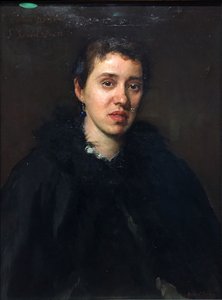
Susan Isabel Dacre
1844 - 1933 , Regatul Unit al Marii Britanii și Irlandei de Nord
Detalii rapide
- Artistic Movement Or Style: Realism, Romanticism
- Date Of Birth: 1844
- Full Name: Susan Isabel Dacre
- Nationality: Britanică
- Notable Artworks:
- Italian Women în Biserică
- O Vedere din Veneția
- Mama Artistului
- Place Of Birth: Leamington Spa, UK
Articole similare

Capodopere pe Panel de Lemn: 10 Lucrări care au Revoluționat Arta | OriginalUniqueArt.ro
Descoperă 10 capodopere uluitoare pe lemn de la Van Eyck, Botticelli și Rembrandt! Explorează istoria, tehnicile și culorile vibrante ale picturii clasice. Reproduceri de artă de calitate muzeală pentru un decor rafinat. Descoperă toate operele pe OriginalUniqueArt.com

Oil on Board: A Historical Survey of Technique, Aesthetic Qualities & Enduring Appeal
Explore the rich history of oil on board painting! Discover techniques, aesthetic qualities & enduring appeal from early masters to modern practice. Expert insights for collectors and art enthusiasts.

Mastering the Surface: The Timeless Elegance and Technical Brilliance of Oil on Panel Painting
Discover the enduring allure of oil on panel painting. Explore the technical mastery, historical significance, and luminous depth that define this prestigious medium, from Renaissance masters to modern fine art reproductions for discerning collectors.

The Timeless Beauty of Oil on Panel: Capturing Light and Texture through the Impressionist Lens
Discover the exquisite depth of oil on panel. Explore how Impressionist masters captured light and texture through tactile brushwork, and learn how to bring these museum-quality, hand-painted masterpieces into your home with expert curation.

Oil on Panel: A Historical Survey of Technique, Support & Aesthetic Evolution
Explore the rich history of oil on panel painting! Discover Renaissance techniques, support structures & aesthetic evolution. Expert insights for art collectors and enthusiasts.


