
 Vezi în context
 Trimite
 Distribuie
 Detalii
 Ghidul

 Descarcă
 Produse similare
 Radiografie
 Diaporama
 Statistici
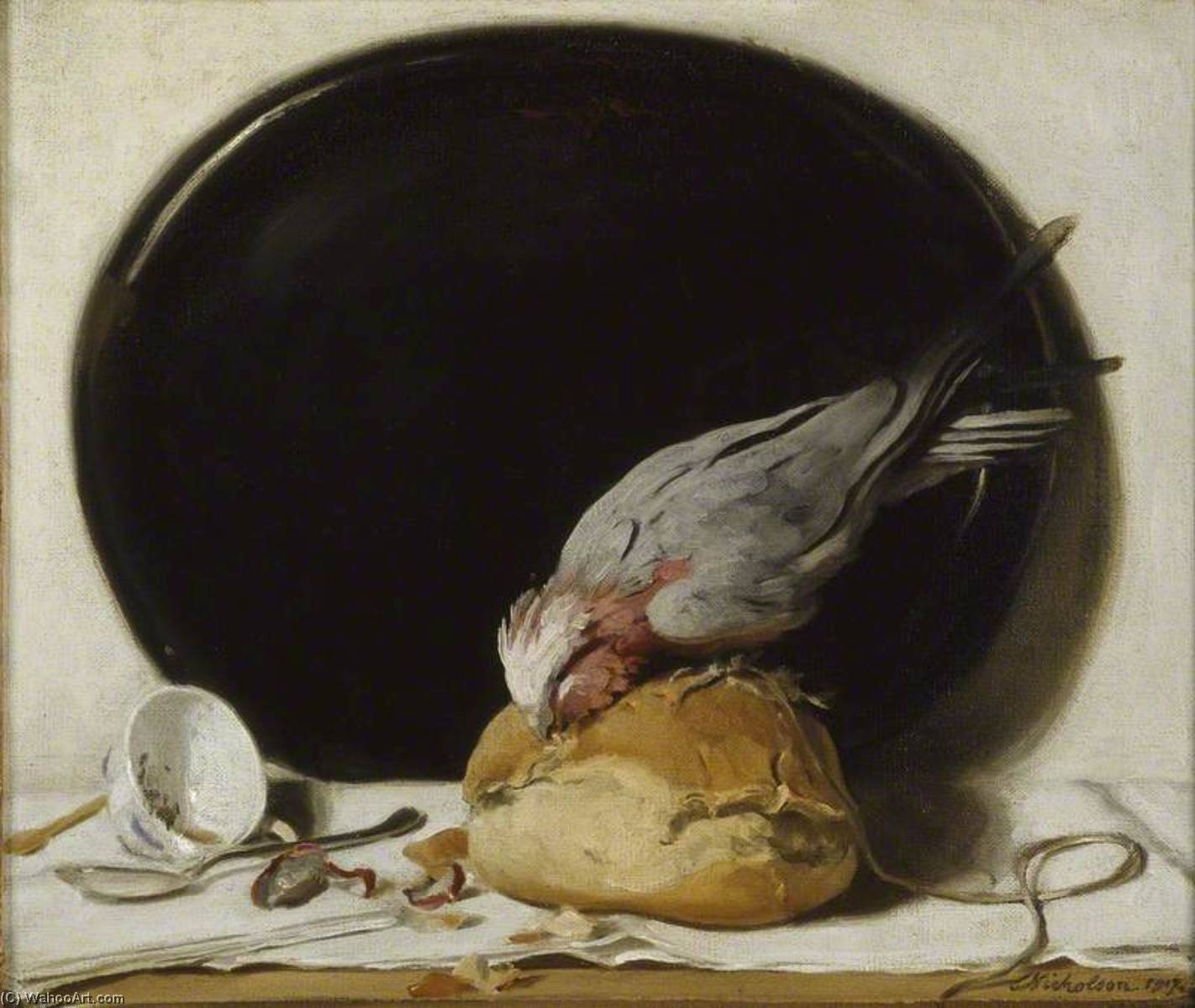
The Rose crested Cockatoo
 Acrylic On Canvas
- WallArt
- Post-Impressionism
 1917
1917- 19th Century
 49.0 x 58.0 cm
 Muzeul Ashmolean de Artă și Arheologie
 Citește mai mult
Reproducere pictată manual în ulei
Pictură în ulei pe pânză, realizată manual de artiștii noștri la dimensiunea și ramele dorite de dumneavoastră, pe comandă. ( Comută pe versiunea Print Treci la imagine digitală)




P118B $10

P118H $10

P118W $10

P438Z $10

P508JH $12

P508YH $12

P805H $10

P805Z $10

P919BZ $10

P919G $10

P919XJ $10

P959ZH $10

P968JZ $12

W106C $8

W218G $10

W218JH $8

W218Y $10

W307PJ $10

W316G $10

W316PJ $8

W316Y $10

W398PJ $8

W4111J $10

W500HY $15

W500JH $15

W692G $12

W849H $8

W940BG $15

W953PJ $8




Alegeți dintre dimensiunile noastre prestabilite, care respectă proporțiile originale ale operei de artă.

Puteți introduce propriile dimensiuni pentru a se potrivi unui anumit cadru sau spațiu. Dacă dimensiunea selectată nu corespunde proporțiilor imaginii originale, vom decupa opera de artă sau vom extinde pictura cu elemente suplimentare pictate manual. O simulare digitală vă va fi trimisă pentru aprobare înainte de începerea producției.
Vă rugăm să rețineți că previzualizarea de pe ecran nu reflectă decuparea sau extinderea reală. Doar macheta va arăta cu exactitate compoziția finală.
Deși sunt disponibile dimensiuni personalizate, vă recomandăm să selectați o dimensiune din lista predefinită pentru a păstra proporțiile originale.
După plasarea comenzii, echipa OriginalUniqueArt.com va contacta clientul prin e-mail pentru instrucțiuni și îi va furniza o previzualizare a machetei
Livrare în întreaga lume () în 3-4 săptămâni, în loc de cele 5 săptămâni standard. (25 Septembrie). Fără compromisuri în ceea ce privește calitatea.

Livrare expres gratuită la nivel mondial

Pânză de in premium

Asigurare completă pentru transport

Garanție de rambursare a taxelor vamale

Garanția fidelității culorilor

Politica de retur în 100 de zile (doar pentru defecte)

Garanție de rambursare 100%

Reducere pentru comenzi multiple
 Opțiunea cu sticlă este disponibilă doar pentru dimensiuni de sub 110 cm

The Rose crested Cockatoo
Tip de reproducere
Dimensiune reproducere
-


Preț total
$ 300
The Rose-Crested Cockatoo: A Study in Nicholson’s Poetic Realism
Sir William Nicholson's 1917 painting, “The Rose-Crested Cockatoo,” isn’t merely a depiction of an exotic bird; it’s a carefully constructed meditation on observation, illusion, and the subtle interplay between interiority and exteriority. This vibrant work, housed within the Art UK Shop, offers a captivating glimpse into Nicholson's distinctive artistic vision – a world where familiar objects are imbued with layers of meaning and where the act of seeing itself becomes an intricate process.
The painting immediately draws the eye to the cockatoo itself, perched regally on what appears to be a simple wooden table. However, closer inspection reveals a deliberate orchestration of visual cues that challenge our initial perception. The bird’s plumage – a striking combination of white and hints of yellow – is rendered with an almost obsessive attention to detail, capturing the texture and sheen of feathers in a way that feels both precise and intuitively expressive. The rose-red crest, a key element of the subject's name, adds a touch of theatricality, elevating the bird from a commonplace creature to something almost mythical.
A World of Layers: Composition and Technique
Nicholson’s masterful technique is evident in every brushstroke. He employs a broken color approach – applying paint in small, distinct strokes rather than blending them seamlessly—to create a shimmering surface that seems to vibrate with light. The background, a hazy blue expanse, isn't simply a backdrop; it’s actively engaged in the composition, suggesting an open space, perhaps a distant sky or even a Venetian canal. The use of contrasting textures – the smooth sheen of the bird’s feathers against the rougher surface of the table and the implied texture of the painted wall—further enhances this sense of depth and complexity.
Notably, Nicholson subtly incorporates elements that disrupt our comfortable understanding of reality. The “wall” behind the table isn't a solid structure but appears to be constructed from layers of fabric stretched over a board, creating an illusion of depth and suggesting a painted surface beneath. This layering mirrors the painting’s own construction – a series of carefully arranged visual elements that work together to create a single, unified image.
Symbolism and Emotional Resonance
The Rose-Crested Cockatoo is more than just a portrait; it's a study in contrasts. The bird itself can be interpreted as a symbol of exoticism, beauty, and perhaps even vulnerability – an object of intense observation and fascination. Its placement within the domestic setting—the table, the implied room—suggests a relationship between the wild and the familiar, the natural and the constructed. Nicholson’s use of color further reinforces this duality; the vibrant hues of the bird are juxtaposed against the muted tones of the background, creating a dynamic tension that captures the essence of his artistic style.
The painting's emotional impact is profound. It evokes a sense of quiet contemplation, inviting the viewer to slow down and appreciate the subtle details of the scene. There’s an underlying melancholy, perhaps stemming from the bird’s isolation or the fleeting nature of beauty—themes that resonate deeply within Nicholson’s oeuvre. The painting's careful construction and evocative imagery create a lasting impression, prompting viewers to consider the complexities of perception and the power of art to transform our understanding of the world.
A Legacy of Innovation
“The Rose-Crested Cockatoo” stands as a testament to Sir William Nicholson’s artistic genius. It exemplifies his ability to seamlessly blend observation, technique, and symbolism into works that are both visually stunning and intellectually stimulating. His innovative approach to composition, color, and texture paved the way for future generations of artists, solidifying his place as one of the most important figures in early 20th-century British art. Owning a reproduction of this captivating painting is not just acquiring a beautiful image; it’s gaining access to a world of artistic insight and emotional resonance.
Biografie artist
Early Life and Artistic Beginnings
Sir William Newzam Prior Nicholson, born in Newark-on-Trent in 1872, emerged from a background that blended industrial pragmatism with artistic sensibility. His father, a successful engineer and Conservative MP, instilled a sense of discipline, while his mother’s lineage connected him to the aesthetic traditions of Oxfordshire. From a young age, Nicholson displayed an aptitude for art, nurtured by lessons from William Cubley, a local painter who himself traced his artistic roots back to Sir Joshua Reynolds. This early exposure laid the foundation for a career that would span diverse mediums and styles. A brief stint at Hubert von Herkomer’s art school proved pivotal, not only for honing his skills but also for introducing him to Mabel Pryde, who would become his wife and an essential collaborator in his burgeoning artistic journey. It was through Mabel that he met her brother, James Pryde, a partnership that would soon revolutionize the world of graphic design.The Beggarstaffs and a Revolution in Poster Art
The collaboration between William Nicholson and James Pryde, known as “J. & W. Beggarstaff,” marked a turning point in British visual culture. Rejecting the prevailing ornate aesthetic of Victorian posters, they embraced a bold simplicity characterized by striking silhouettes, flat planes of color, and a deliberate rejection of traditional perspective. Their designs weren’t merely advertisements; they were statements—powerful, graphic compositions that captured the public's imagination. Posters for productions like *Don Quixote* and publications such as *Harper’s Magazine* became instantly recognizable, influencing a generation of artists and designers. This period wasn’t simply about commercial art; it was about redefining visual communication itself. The Beggarstaffs’ work challenged conventions, paving the way for modern graphic design and establishing Nicholson's reputation as an innovator. Their impact resonated far beyond the realm of posters, influencing illustration and even painting with its emphasis on strong form and deliberate composition. They deliberately avoided fussy details and relied on bold outlines and flat colors to create instantly memorable images.From Woodcuts to Portraits: A Developing Style
Following the dissolution of the Beggarstaff partnership, Nicholson embarked on a period of stylistic exploration. He turned his attention to woodcut and wood-engraving, techniques that allowed him to further refine his mastery of line and form. Encouraged by the influential James Abbott McNeill Whistler, he embraced these methods, producing intricate and evocative prints that showcased his growing artistic maturity. These works demonstrated a remarkable ability to capture essence with minimal detail, a quality that would become a hallmark of his style. Simultaneously, Nicholson began to establish himself as a portrait painter, receiving commissions from prominent figures of the era. His portraits weren’t merely likenesses; they were insightful studies of character, revealing the inner lives of his subjects through subtle nuances of expression and pose. Works like *Lady in Furs, Mme. P.* exemplify this skill, capturing not just physical appearance but also a sense of personality and social standing.Still Life, Landscape, and Lasting Legacy
In the later stages of his career, Nicholson increasingly focused on still life and landscape painting. His still lifes, such as *The Lowestoft Bowl*, are celebrated for their exquisite attention to detail, harmonious color palettes, and a quiet sense of intimacy. He imbued everyday objects with a poetic quality, elevating them beyond mere representation to become symbols of beauty and contemplation. His landscapes, often depicting scenes from his travels in Spain and Italy, reveal a sensitivity to light and atmosphere, capturing the essence of place with remarkable skill. Throughout his life, Nicholson remained a versatile artist, constantly experimenting with new techniques and approaches. He authored children’s books, designed for the theatre, and continued to produce prints alongside his paintings. Sir William Nicholson's influence extends beyond his own prolific output; he inspired generations of artists with his commitment to craftsmanship, his innovative spirit, and his ability to find beauty in the ordinary. His work remains a testament to the power of art to illuminate the human experience and transform our perception of the world around us. He died in 1949, leaving behind a rich artistic legacy that continues to captivate and inspire today.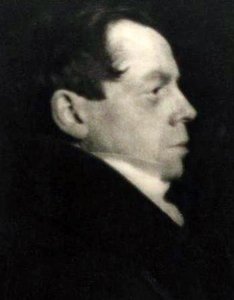
William Nicholson
1872 - 1949 , Regatul Unit
Informații rapide
- Artistic Movement Or Style: Pictură, gravură, portret
- Artists Or Movements Influenced By This Artist: ['Beggarstaffs']
- Artists Who Influenced This Artist:
- James Pryde
- Whistler
- Date Of Birth: 5 Feb 1872
- Date Of Death: 16 Mai 1949
- Full Name: Sir William Newzam Prior Nicholson
- Nationality: Britanic
- Notable Artworks:
- Lady in Furs
- The Lowestoft Bowl
- Place Of Birth: Newark, Regatul Unit
Articole conexe
Top 10 Picturi Celebre în Nuanțe de Roz Prăfuit: Artă și Decor Rafinat | OriginalUniqueArt
Descoperă top 10 picturi celebre în nuanțe de roz prăfuit! Explorează operele lui Monet, Renoir și alți maeștri ai impresionismului. Găsește inspirație pentru decorul interior cu reproduceri artă de calitate muzeală pe OriginalUniqueArt.com.
Guy Orlando Rose: Capturing California's Luminosity in American Impressionism
Explore the luminous landscapes of Guy Orlando Rose, a leading American Impressionist painter deeply influenced by Monet. Discover his mastery of light, atmospheric perspective & California scenes. Learn about his legacy and find high-quality reproductions.

Ben Nicholson OM: Modernism's Abstract Pioneer & the Poetics of Relief
Explore the revolutionary abstract art of Ben Nicholson OM. Discover his geometric masterpieces, collaborations with Barbara Hepworth & investment potential. Expert insights for collectors.
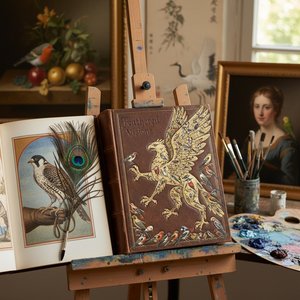
Feathered Visions: A Historical & Artistic Exploration of Birds in Painting
Explore the rich history of birds in painting! Discover symbolism, artistic movements & master artists like Audubon. High-quality reproductions available at OriginalUniqueArt.
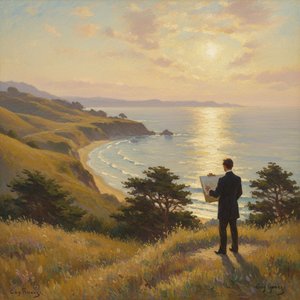
Guy Rose: Luminism, Impressionism & the Californian Aesthetic – A Comprehensive Exploration of Life and Legacy
Explore the life & art of Guy Rose, a leading American Impressionist painter. Discover his luminous California landscapes, Giverny scenes, and enduring legacy. A comprehensive guide for collectors & enthusiasts.
