

 Vezi în context
 Trimite
 Distribuie
 Detalii
 Ghidul

 Descarcă
 Produse similare
 Radiografie
 Diaporama
 Statistici
The Paper Poppies
 Oil
Oil- WallArt
- Impressionistic Realism
 1919
1919- Modern
 41.0 x 33.0 cm
 The National Trust For Scotland
 Citește mai mult
Achiziționați o imagine digitală de înaltă rezoluție, îmbunătățită, mult superioară previzualizării online.
Fiecare fișier este pregătit cu meticulozitate de specialiștii noștri interni, utilizând instrumente avansate și retușare manuală expertă. Ne asigurăm că fiecare imagine beneficiază de o claritate excepțională, o acuratețe precisă a culorilor și detalii fine.
Fișierul final este livrat prin e-mail în termen de 72 de ore, optimizat pentru utilizare imediată în medii profesionale, editoriale și de imprimare. Aceasta este aceeași calitate în care au încredere studiouri de design, edituri și galerii de top.
Imagine Digitală
Descărcați un fișier la rezoluție înaltă pentru afișare personală, imprimare și proiecte creative. ( Comută pe versiunea Print Comandă pictură realizată manual)
Inclus în fiecare comandă de imagini digitale
Livrare digitală de expertiză, garantată
Când alegeți OriginalUniqueArt.com, nu primiți doar o simplă imagine – primiți o operă de artă digitală îmbunătățită profesional, creată cu precizie și susținută de o garanție de satisfacție. Iată tot ceea ce primești odată cu comanda ta, în mod automat:

Livrare rapidă prin e-mail
Fișierul imaginii digitale la rezoluție înaltă vă va fi trimis prin e-mail în termen de 72 de ore de la finalizarea comenzii – gata pentru utilizare imediată.

Fișier digital optimizat prin IA
Opera ta de artă este optimizată profesional prin intermediul unor instrumente AI avansate și al editării manuale, asigurând un nivel maxim de detalii, claritate și acuratețe a culorilor.

Retransmitere gratuită pe viață
Ai șters sau ai pierdut din greșeală fișierul? Nu îți face griji – ți-l vom retrimite oricând, gratuit.

Fără taxe de import – Întotdeauna
Bucură-te instant de noua ta operă de artă, fără taxe vamale, taxe de import sau costuri de livrare – descărcările digitale sunt întotdeauna fără taxe.

Garanția fidelității culorilor
Asigurăm o reflectare cât mai fidelă a culorilor originale în imaginea ta digitală, prin utilizarea unor instrumente profesionale și a proceselor de gestionare a culorii.

Garanție de satisfacție de 100 de zile
Dacă nu sunteți mulțumit de imaginea digitală achiziționată, o vom revizui sau vă vom returna 100% în termen de 100 de zile – fără nicio întrebare.

Garanție de returnare 100% a banilor
Nu ești mulțumit? Primești rambursarea integrală în termen de 100 de zile de la primirea fișierului digital – fără nicio întrebare.

Reduceri pentru comenzi în volum
Cumpără 3 imagini, economisește 10% - Cumpără 5, economisește 15% - Cumpără 10+, economisește 20%. Ideal pentru proiecte creative, galerii și agenții.
A Poignant Still Life: The Soul of The Paper Poppies
In the quietude of “The Paper Poppies,” painted in 1919, Sir William Nicholson invites the viewer into a sanctuary of stillness that belies the profound turbulence of its era. This exquisite still life is far more than a mere arrangement of flora; it is a masterful window into the British Modernist spirit following the Great War. At first glance, the eye is drawn to the delicate roses—two soft pink blossoms and one pure white—nestled within a blue and white ceramic vase. Yet, as one lingers, the painting reveals itself to be a meditation on fragility and resilience. The composition, anchored by a simple pyramidal vase and a nearby bowl, possesses a geometric precision that provides a sense of stability, acting as a visual anchor against the ephemeral nature of the flowers themselves.
The emotional weight of the piece is carried through Nicholson’s extraordinary use of bold impasto. Rather than smooth, academic finishes, the artist applied paint with a thick, tactile energy that gives the petals a palpable, sculptural presence. These heavy brushstrokes create a rhythmic texture across the canvas, mirroring the complex psychological landscape of a post-war world—a world attempting to find beauty and order amidst the lingering shadows of loss. For the collector or interior designer, this texture offers a sensory depth that transforms a wall into a focal point of movement and light.
Historical Resonance and Modernist Elegance
To understand the true value of “The Paper Poppies,” one must look to the historical moment of its creation. Painted in the immediate aftermath of World War I, the work embodies the shift toward Modernism, where artists began rejecting Victorian ornamentation in favor of simplification and abstraction. Nicholson, alongside collaborators like James Pryde, pioneered a visual language of striking silhouettes and flat planes of color. In this painting, we see the seeds of that revolution; the subject is stripped of unnecessary clutter, leaving only the essential forms of the vase, the table, and the blooms.
There is a profound symbolism embedded in the very choice of subject matter. The poppy has long been a symbol of remembrance, and through his meticulous attention to detail, Nicholson captures a sense of transient beauty. The flowers appear caught in a moment frozen in time, offering a contemplative counterpoint to the pervasive anxieties of the early 20th century. This duality—the tension between the delicate, paper-like petals and the heavy, physical application of paint—makes the work an enduring masterpiece of emotional complexity.
An Inspiration for the Modern Interior
For those seeking to curate a space of sophistication and depth, “The Paper Poppies” serves as an unparalleled source of inspiration. Its palette, characterized by soft pastels grounded by the structural blue of the vase, integrates seamlessly into a variety of high-end interior aesthetics, from Contemporary Minimalist to Classic English Country. The painting does not merely occupy space; it commands it, providing a quiet, dignified presence that encourages reflection.
A high-quality reproduction of this work allows the tactile beauty of Nicholson’s impasto and the subtle nuances of his color theory to be experienced daily. Whether placed in a sunlit study or a grand dining room, the piece acts as a conversation starter—a bridge between the historical trauma of 1919 and the enduring human desire for peace, beauty, and hope. It is an investment in an atmosphere of timeless elegance and profound emotional resonance.
Biografie artist
Early Life and Artistic Beginnings
Sir William Newzam Prior Nicholson, born in Newark-on-Trent in 1872, emerged from a background that blended industrial pragmatism with artistic sensibility. His father, a successful engineer and Conservative MP, instilled a sense of discipline, while his mother’s lineage connected him to the aesthetic traditions of Oxfordshire. From a young age, Nicholson displayed an aptitude for art, nurtured by lessons from William Cubley, a local painter who himself traced his artistic roots back to Sir Joshua Reynolds. This early exposure laid the foundation for a career that would span diverse mediums and styles. A brief stint at Hubert von Herkomer’s art school proved pivotal, not only for honing his skills but also for introducing him to Mabel Pryde, who would become his wife and an essential collaborator in his burgeoning artistic journey. It was through Mabel that he met her brother, James Pryde, a partnership that would soon revolutionize the world of graphic design.The Beggarstaffs and a Revolution in Poster Art
The collaboration between William Nicholson and James Pryde, known as “J. & W. Beggarstaff,” marked a turning point in British visual culture. Rejecting the prevailing ornate aesthetic of Victorian posters, they embraced a bold simplicity characterized by striking silhouettes, flat planes of color, and a deliberate rejection of traditional perspective. Their designs weren’t merely advertisements; they were statements—powerful, graphic compositions that captured the public's imagination. Posters for productions like *Don Quixote* and publications such as *Harper’s Magazine* became instantly recognizable, influencing a generation of artists and designers. This period wasn’t simply about commercial art; it was about redefining visual communication itself. The Beggarstaffs’ work challenged conventions, paving the way for modern graphic design and establishing Nicholson's reputation as an innovator. Their impact resonated far beyond the realm of posters, influencing illustration and even painting with its emphasis on strong form and deliberate composition. They deliberately avoided fussy details and relied on bold outlines and flat colors to create instantly memorable images.From Woodcuts to Portraits: A Developing Style
Following the dissolution of the Beggarstaff partnership, Nicholson embarked on a period of stylistic exploration. He turned his attention to woodcut and wood-engraving, techniques that allowed him to further refine his mastery of line and form. Encouraged by the influential James Abbott McNeill Whistler, he embraced these methods, producing intricate and evocative prints that showcased his growing artistic maturity. These works demonstrated a remarkable ability to capture essence with minimal detail, a quality that would become a hallmark of his style. Simultaneously, Nicholson began to establish himself as a portrait painter, receiving commissions from prominent figures of the era. His portraits weren’t merely likenesses; they were insightful studies of character, revealing the inner lives of his subjects through subtle nuances of expression and pose. Works like *Lady in Furs, Mme. P.* exemplify this skill, capturing not just physical appearance but also a sense of personality and social standing.Still Life, Landscape, and Lasting Legacy
In the later stages of his career, Nicholson increasingly focused on still life and landscape painting. His still lifes, such as *The Lowestoft Bowl*, are celebrated for their exquisite attention to detail, harmonious color palettes, and a quiet sense of intimacy. He imbued everyday objects with a poetic quality, elevating them beyond mere representation to become symbols of beauty and contemplation. His landscapes, often depicting scenes from his travels in Spain and Italy, reveal a sensitivity to light and atmosphere, capturing the essence of place with remarkable skill. Throughout his life, Nicholson remained a versatile artist, constantly experimenting with new techniques and approaches. He authored children’s books, designed for the theatre, and continued to produce prints alongside his paintings. Sir William Nicholson's influence extends beyond his own prolific output; he inspired generations of artists with his commitment to craftsmanship, his innovative spirit, and his ability to find beauty in the ordinary. His work remains a testament to the power of art to illuminate the human experience and transform our perception of the world around us. He died in 1949, leaving behind a rich artistic legacy that continues to captivate and inspire today.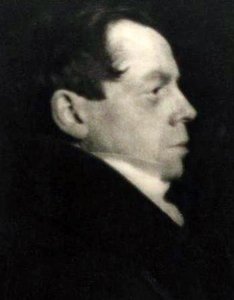
William Nicholson
1872 - 1949 , Regatul Unit
Informații esențiale
- Artistic Movement Or Style: Pictură, gravură, portret
- Artists Or Movements Influenced By This Artist: ['Beggarstaffs']
- Artists Who Influenced This Artist:
- James Pryde
- Whistler
- Date Of Birth: 5 Feb 1872
- Date Of Death: 16 Mai 1949
- Full Name: Sir William Newzam Prior Nicholson
- Nationality: Britanic
- Notable Artworks:
- Lady in Furs
- The Lowestoft Bowl
- Place Of Birth: Newark, Regatul Unit