

 Previzualizare
 Trimite prin felicitare
 Distribuie
 Detalii despre lucrare
 Ghid
Ghid

 Descarcă imaginea
 Produse similare
 Radiografie
 Galerie foto
 Statistici
Hawking
 Acrylic On Canvas
- WallArt
 1902
1902- 19th Century
 120.0 x 104.0 cm
 Trustul Național al Angliei
 Vezi mai mult
Reproducere pictată manual în ulei
Pictură în ulei pe pânză, pictată manual de artiștii noștri la dimensiunea și ramele dorite de dumneavoastră, pe comandă. ( Comută pe versiunea Print Comută pe Imagine Digitală)




P118B lei10

P118H lei10

P118W lei10

P438Z lei10

P508JH lei12

P508YH lei12

P805H lei10

P805Z lei10

P919BZ lei10

P919G lei10

P919XJ lei10

P959ZH lei10

P968JZ lei12

W106C lei8

W218G lei10

W218JH lei8

W218Y lei10

W307PJ lei10

W316G lei10

W316PJ lei8

W316Y lei10

W398PJ lei8

W4111J lei10

W500HY lei15

W500JH lei15

W692G lei12

W849H lei8

W940BG lei15

W953PJ lei8




Alegeți dintre dimensiunile noastre prestabilite, care respectă proporțiile originale ale operei de artă.

Introduceți lățimea și înălțimea necesare pentru a se potrivi ramei sau peretelui dumneavoastră. Această lucrare este pictată manual, așa că, pentru o dimensiune cu o formă diferită, artistul poate picta puțin mai mult în jurul imaginii sau poate tăia puțin din margini — dumneavoastră decideți. Vă vom trimite o simulare digitală pentru aprobare înainte de a începe pictarea. Imaginea afișată pe această pagină nu reprezintă rezultatul real — doar simularea este reprezentativă.
După plasarea comenzii, echipa OriginalUniqueArt.com va contacta clientul prin e-mail pentru instrucțiuni și îi va furniza o previzualizare a machetei
Livrare în întreaga lume () în 3-4 săptămâni, în loc de cele 5 săptămâni standard. (25 Octombrie). Fără compromisuri în ceea ce privește calitatea.

Livrare expres gratuită la nivel mondial

Pânză de in de înaltă calitate

Asigurare completă pentru transport

Garanție de rambursare a taxelor vamale

Garanția fidelității culorilor

Politica de retur în 100 de zile (doar pentru defecte de fabricație)

Garanție de rambursare 100%

Ofertă pentru comenzi multiple
 Opțiunea cu sticlă este disponibilă doar pentru dimensiuni de sub 110 cm

Hawking
Tehnică de reproducere
Dimensiune reproducere
-


Preț total calculat
lei 1389
The Enigmatic Figure of Hawking
William Nicholson’s “Hawking,” painted in 1902, isn't merely a portrait; it’s a carefully constructed tableau of Victorian sensibilities layered with subtle anxieties and burgeoning modernity. The subject, a young boy holding a bird on his arm while accompanied by two dogs, immediately evokes a sense of domesticity—a scene seemingly plucked from the heart of Edwardian England. Yet, closer inspection reveals a complex interplay of elements that hint at deeper currents beneath the surface of this carefully arranged image. The boy’s posture is slightly awkward, his gaze averted, suggesting a quiet introspection or perhaps a touch of unease. The bird he cradles, likely a finch, symbolizes freedom and innocence, but its presence within the confines of the scene introduces an element of fragility and vulnerability.
A Collaboration Born of Artistic Vision
“Hawking” was a product of a remarkable artistic partnership between Nicholson and James Pryde, known collectively as the Beggarstaffs. This duo revolutionized illustration in the late 19th and early 20th centuries by employing a distinctive style characterized by bold lines, flattened perspectives, and a deliberately unpolished aesthetic. Their work rejected the fussy detail of academic portraiture, opting instead for a more immediate and dynamic approach. Nicholson’s contribution to this project was crucial; he brought a sophisticated understanding of composition and characterization, while Pryde provided the technical expertise in woodcut and lithography. The Beggarstaffs' style reflected a shift away from traditional illustration towards a more journalistic and evocative form of visual storytelling.
The Victorian Context: Restraint and Subversion
To fully appreciate “Hawking,” it’s essential to understand the broader context of Victorian England. The era was marked by strict social conventions, rigid moral codes, and a profound sense of propriety. Yet, beneath this veneer of respectability lay currents of change—industrialization, urbanization, and growing anxieties about modernity. Nicholson subtly captures these tensions within his painting. The dogs, symbols of loyalty and domesticity, are juxtaposed with the boy’s withdrawn demeanor, hinting at a disconnect between traditional values and emerging individualistic sensibilities. The inclusion of the bird, representing freedom, further underscores this subtle subversion of Victorian norms.
Symbolism and Emotional Resonance
Beyond its stylistic merits, “Hawking” is rich in symbolic meaning. The boy’s posture suggests a sense of isolation or perhaps a questioning of authority—a common theme in the literature of the period. The bird, as mentioned earlier, represents innocence and vulnerability, while the dogs embody loyalty and companionship. The overall composition creates a feeling of quiet contemplation, inviting the viewer to ponder the complexities of human relationships and the challenges of navigating a rapidly changing world. Nicholson’s masterful use of light and shadow further enhances the painting's emotional impact, creating a sense of depth and atmosphere that draws the eye inward.
A Legacy of Artistic Innovation
Sir William Nicholson’s “Hawking” stands as a testament to his artistic versatility and his ability to capture the spirit of his time. It is a remarkable example of Beggarstaff illustration, blending technical skill with evocative storytelling. Reproductions of this painting offer a captivating glimpse into Victorian England—a world of restrained elegance, hidden anxieties, and burgeoning modernity. Its enduring appeal lies in its ability to resonate with viewers on multiple levels, inviting them to contemplate the complexities of human experience and the timeless themes that continue to shape our understanding of ourselves and the world around us.
Întrebări și răspunsuri
Unde pot descărca imaginea pentru "Hawking" de William Nicholson?
"Hawking" de William Nicholson poate fi descărcat de pe pagina dedicată lucrării, Descărcare, sub formă de descărcare imagine digitală de înaltă rezoluție.
Sub ce alte nume sau pseudonime este cunoscut William Nicholson?
Alte nume înregistrate pentru William Nicholson, creatorul operei „Hawking”, includ Sir William Newzam Prior Nicholson, W. Nicholson, William.
„Hawking” este disponibil(ă) sub formă de print de fine art?
„Hawking” este disponibil sub formă de o printă fine art pe canvas din bumbac sau pe hârtie canvas arhivistică. Comenzile pot fi plasate pe pagina sa de Print Fine Art, în dimensiunea dorită de dumneavoastră.
Biografie artist
Early Life and Artistic Beginnings
Sir William Newzam Prior Nicholson, born in Newark-on-Trent in 1872, emerged from a background that blended industrial pragmatism with artistic sensibility. His father, a successful engineer and Conservative MP, instilled a sense of discipline, while his mother’s lineage connected him to the aesthetic traditions of Oxfordshire. From a young age, Nicholson displayed an aptitude for art, nurtured by lessons from William Cubley, a local painter who himself traced his artistic roots back to Sir Joshua Reynolds. This early exposure laid the foundation for a career that would span diverse mediums and styles. A brief stint at Hubert von Herkomer’s art school proved pivotal, not only for honing his skills but also for introducing him to Mabel Pryde, who would become his wife and an essential collaborator in his burgeoning artistic journey. It was through Mabel that he met her brother, James Pryde, a partnership that would soon revolutionize the world of graphic design.The Beggarstaffs and a Revolution in Poster Art
The collaboration between William Nicholson and James Pryde, known as “J. & W. Beggarstaff,” marked a turning point in British visual culture. Rejecting the prevailing ornate aesthetic of Victorian posters, they embraced a bold simplicity characterized by striking silhouettes, flat planes of color, and a deliberate rejection of traditional perspective. Their designs weren’t merely advertisements; they were statements—powerful, graphic compositions that captured the public's imagination. Posters for productions like *Don Quixote* and publications such as *Harper’s Magazine* became instantly recognizable, influencing a generation of artists and designers. This period wasn’t simply about commercial art; it was about redefining visual communication itself. The Beggarstaffs’ work challenged conventions, paving the way for modern graphic design and establishing Nicholson's reputation as an innovator. Their impact resonated far beyond the realm of posters, influencing illustration and even painting with its emphasis on strong form and deliberate composition. They deliberately avoided fussy details and relied on bold outlines and flat colors to create instantly memorable images.From Woodcuts to Portraits: A Developing Style
Following the dissolution of the Beggarstaff partnership, Nicholson embarked on a period of stylistic exploration. He turned his attention to woodcut and wood-engraving, techniques that allowed him to further refine his mastery of line and form. Encouraged by the influential James Abbott McNeill Whistler, he embraced these methods, producing intricate and evocative prints that showcased his growing artistic maturity. These works demonstrated a remarkable ability to capture essence with minimal detail, a quality that would become a hallmark of his style. Simultaneously, Nicholson began to establish himself as a portrait painter, receiving commissions from prominent figures of the era. His portraits weren’t merely likenesses; they were insightful studies of character, revealing the inner lives of his subjects through subtle nuances of expression and pose. Works like *Lady in Furs, Mme. P.* exemplify this skill, capturing not just physical appearance but also a sense of personality and social standing.Still Life, Landscape, and Lasting Legacy
In the later stages of his career, Nicholson increasingly focused on still life and landscape painting. His still lifes, such as *The Lowestoft Bowl*, are celebrated for their exquisite attention to detail, harmonious color palettes, and a quiet sense of intimacy. He imbued everyday objects with a poetic quality, elevating them beyond mere representation to become symbols of beauty and contemplation. His landscapes, often depicting scenes from his travels in Spain and Italy, reveal a sensitivity to light and atmosphere, capturing the essence of place with remarkable skill. Throughout his life, Nicholson remained a versatile artist, constantly experimenting with new techniques and approaches. He authored children’s books, designed for the theatre, and continued to produce prints alongside his paintings. Sir William Nicholson's influence extends beyond his own prolific output; he inspired generations of artists with his commitment to craftsmanship, his innovative spirit, and his ability to find beauty in the ordinary. His work remains a testament to the power of art to illuminate the human experience and transform our perception of the world around us. He died in 1949, leaving behind a rich artistic legacy that continues to captivate and inspire today.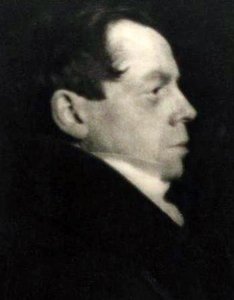
William Nicholson
1872 - 1949 , Regatul Unit
Detalii rapide
- Artistic Movement Or Style: Pictură, gravură, portret
- Artists Or Movements Influenced By This Artist: ['Beggarstaffs']
- Artists Who Influenced This Artist:
- James Pryde
- Whistler
- Date Of Birth: 5 Feb 1872
- Date Of Death: 16 Mai 1949
- Full Name: Sir William Newzam Prior Nicholson
- Nationality: Britanic
- Notable Artworks:
- Lady in Furs
- The Lowestoft Bowl
- Place Of Birth: Newark, Regatul Unit
Articole similare

Christopher Williams: Deconstructing Representation & Materiality in Contemporary Art
Explore the groundbreaking work of Christopher Williams, a pivotal figure in contemporary art. This analysis delves into his deconstruction of representation, materiality, and institutional critique – essential reading for serious collectors.

Ben Nicholson OM: Modernism's Abstract Pioneer & the Poetics of Relief
Explore the revolutionary abstract art of Ben Nicholson OM. Discover his geometric masterpieces, collaborations with Barbara Hepworth & investment potential. Expert insights for collectors.
Sir William Nicholson: A Study in Post-Impressionist Portraiture & Decorative Modernism
Explore the life & work of Sir William Nicholson, a pivotal British Post-Impressionist painter. Discover his striking portraits, innovative woodcuts, and lasting influence on early 20th-century art. Expert insights for collectors.
Penry Williams: Evoking Welsh Nostalgia Through Impressionistic Landscapes
Explore the captivating world of Penry Williams (1802-1885), a Welsh artist renowned for his evocative Impressionistic landscapes and scenes of Italy. Discover his life, style & legacy with OriginalUniqueArt.
Feathered Visions: A Historical & Artistic Exploration of Birds in Painting
Explore the rich history of birds in painting! Discover symbolism, artistic movements & master artists like Audubon. High-quality reproductions available at OriginalUniqueArt.
