
 Previzualizare
 Trimite prin felicitare
 Distribuie
 Detalii despre lucrare
 Ghid
Ghid

 Descarcă imaginea
 Produse similare
 Radiografie
 Galerie foto
 Întrebări și răspunsuri
 Statistici
Cyclamen

- 39.0 x 92.0 cm


 Vezi mai mult
Giclée / Imprimare artistică
Printuri giclée sau pe canvas de calitate muzeală, cu proces de producție rapid și opțiuni flexibile de finisare. ( Comandă pictură realizată manual Comută pe Imagine Digitală)




P118B lei10

P118H lei10

P118W lei10

P438Z lei10

P508JH lei12

P508YH lei12

P805H lei10

P805Z lei10

P919BZ lei10

P919G lei10

P919XJ lei10

P959ZH lei10

P968JZ lei12

W106C lei8

W218G lei10

W218JH lei8

W218Y lei10

W307PJ lei10

W316G lei10

W316PJ lei8

W316Y lei10

W398PJ lei8

W4111J lei10

W500HY lei15

W500JH lei15

W692G lei12

W849H lei8

W940BG lei15

W953PJ lei8




Alegeți dintre dimensiunile noastre prestabilite, care respectă proporțiile originale ale operei de artă.

Introduceți lățimea și înălțimea necesare pentru a se potrivi ramei sau peretelui dumneavoastră. O printare poate fi doar tăiată, niciodată extinsă dincolo de dimensiunea imaginii originale, astfel încât o dimensiune cu o formă diferită va pierde o parte din imagine. Vă trimitem o simulare digitală pentru aprobare înainte de a imprima orice. Imaginea afișată pe această pagină nu prezintă tăierea reală — doar simularea arată acest lucru.
Livrare în întreaga lume () în 2 săptămâni, în loc de cele 4/5 săptămâni standard. (3 Noiembrie)

Livrare expres gratuită la nivel mondial

Pânză de in de înaltă calitate

Asigurare completă pentru transport

Garanție de rambursare a taxelor vamale

Garanția fidelității culorilor

Politica de retur în 100 de zile (doar pentru defecte de fabricație)

Garanție de rambursare 100%

Ofertă pentru comenzi multiple
 Opțiunea cu sticlă este disponibilă doar pentru dimensiuni de sub 110 cm

Cyclamen
Giclée / Imprimare artistică
Dimensiune reproducere
-


Preț total calculat
lei 385
A Moment Frozen in Pink: William Nicholson’s Cyclamen
William Nicholson's "Cyclamen," painted in 1937, isn’t merely a still life; it’s a carefully constructed distillation of beauty and light, a poignant meditation on the ephemeral nature of floral perfection. The painting captures a vase brimming with cyclamen blossoms – their delicate petals ranging from blush pink to deeper shades – arranged upon what appears to be a simple wooden table. Yet, within this seemingly straightforward composition lies a wealth of artistic intention and a subtle reflection of Nicholson’s evolving style.
Nicholson, born in Newark-on-Trent in 1872, was a pivotal figure in British art, known for his striking portraits, evocative landscapes, and innovative graphic work. His early career saw him experimenting with various mediums, but it was through collaborations like the “Beggarstaffs” – alongside his brother-in-law James Pryde – that he truly established himself as a master of visual communication. This period, marked by bold designs for posters and advertisements, honed his ability to capture fleeting moments and imbue them with a sense of immediacy. "Cyclamen" feels like a direct descendant of this dynamic approach, retaining the artist’s signature crispness and attention to detail while embracing a more intimate subject matter.
Impressionistic Light and Delicate Detail
The painting's execution is firmly rooted in an impressionistic style, though with a distinctly Nicholsonian sensibility. Visible brushstrokes dance across the canvas, creating a shimmering effect that captures the play of light on the petals and the subtle textures of the vase. He masterfully employs broken color – applying small dabs of paint rather than blending them seamlessly – to build up the forms and suggest depth. Notice how he doesn’t attempt to render every detail with photographic precision; instead, he prioritizes capturing the *feeling* of the flowers: their vibrancy, their fragility, and their inherent beauty.
The choice of a neutral background is crucial. It allows the cyclamen to command immediate attention, acting as a vibrant focal point against a muted backdrop. The vase itself, with its elongated shape and delicate floral pattern, adds another layer of visual interest. The handle suggests not just functionality but also a hint of domesticity, grounding the scene in a familiar, comforting space.
Symbolism and the Passage of Time
Beyond its aesthetic qualities, "Cyclamen" carries a quiet weight of symbolism. Cyclamen flowers themselves are often associated with love, remembrance, and new beginnings – fitting themes for a work created in 1937, a period marked by both optimism and uncertainty. The fleeting beauty of the blossoms serves as a poignant reminder of the transient nature of life and the importance of appreciating each moment.
Furthermore, Nicholson’s artistic journey is reflected in this piece. Having spent years working with graphic design, he was returning to his roots in painting, exploring new ways to capture light and emotion on canvas. The work demonstrates a shift towards greater intimacy and a more personal expression of the natural world – a hallmark of his later career.
A Timeless Masterpiece
"Cyclamen" is more than just a pretty picture; it’s a testament to William Nicholson's artistic vision and his ability to transform simple subjects into profound works of art. Its delicate beauty, masterful technique, and subtle symbolism continue to resonate with viewers today, making it a cherished example of British Impressionism and a captivating addition to any collection.
Întrebări și răspunsuri
Cum se încadrează stilul operei „Cyclamen” în contextul epocii creatorului său?
În "Cyclamen" de William Nicholson, mișcarea Impressionistic Still Life întâlnește epoca Era modernă.
Ce paletă și ce emoție transmite "Cyclamen"?
În "Cyclamen", culorile Neutrals acompaniază o senzație Reflective.
Cum pot obține o copie digitală a lucrării "Cyclamen" de William Nicholson?
„Cyclamen” este disponibil ca descărcare imagine digitală de înaltă rezoluție, putând fi achiziționat direct de pe pagina sa de Imagine digitală de înaltă rezoluție.
Biografie artist
Early Life and Artistic Beginnings
Sir William Newzam Prior Nicholson, born in Newark-on-Trent in 1872, emerged from a background that blended industrial pragmatism with artistic sensibility. His father, a successful engineer and Conservative MP, instilled a sense of discipline, while his mother’s lineage connected him to the aesthetic traditions of Oxfordshire. From a young age, Nicholson displayed an aptitude for art, nurtured by lessons from William Cubley, a local painter who himself traced his artistic roots back to Sir Joshua Reynolds. This early exposure laid the foundation for a career that would span diverse mediums and styles. A brief stint at Hubert von Herkomer’s art school proved pivotal, not only for honing his skills but also for introducing him to Mabel Pryde, who would become his wife and an essential collaborator in his burgeoning artistic journey. It was through Mabel that he met her brother, James Pryde, a partnership that would soon revolutionize the world of graphic design.The Beggarstaffs and a Revolution in Poster Art
The collaboration between William Nicholson and James Pryde, known as “J. & W. Beggarstaff,” marked a turning point in British visual culture. Rejecting the prevailing ornate aesthetic of Victorian posters, they embraced a bold simplicity characterized by striking silhouettes, flat planes of color, and a deliberate rejection of traditional perspective. Their designs weren’t merely advertisements; they were statements—powerful, graphic compositions that captured the public's imagination. Posters for productions like *Don Quixote* and publications such as *Harper’s Magazine* became instantly recognizable, influencing a generation of artists and designers. This period wasn’t simply about commercial art; it was about redefining visual communication itself. The Beggarstaffs’ work challenged conventions, paving the way for modern graphic design and establishing Nicholson's reputation as an innovator. Their impact resonated far beyond the realm of posters, influencing illustration and even painting with its emphasis on strong form and deliberate composition. They deliberately avoided fussy details and relied on bold outlines and flat colors to create instantly memorable images.From Woodcuts to Portraits: A Developing Style
Following the dissolution of the Beggarstaff partnership, Nicholson embarked on a period of stylistic exploration. He turned his attention to woodcut and wood-engraving, techniques that allowed him to further refine his mastery of line and form. Encouraged by the influential James Abbott McNeill Whistler, he embraced these methods, producing intricate and evocative prints that showcased his growing artistic maturity. These works demonstrated a remarkable ability to capture essence with minimal detail, a quality that would become a hallmark of his style. Simultaneously, Nicholson began to establish himself as a portrait painter, receiving commissions from prominent figures of the era. His portraits weren’t merely likenesses; they were insightful studies of character, revealing the inner lives of his subjects through subtle nuances of expression and pose. Works like *Lady in Furs, Mme. P.* exemplify this skill, capturing not just physical appearance but also a sense of personality and social standing.Still Life, Landscape, and Lasting Legacy
In the later stages of his career, Nicholson increasingly focused on still life and landscape painting. His still lifes, such as *The Lowestoft Bowl*, are celebrated for their exquisite attention to detail, harmonious color palettes, and a quiet sense of intimacy. He imbued everyday objects with a poetic quality, elevating them beyond mere representation to become symbols of beauty and contemplation. His landscapes, often depicting scenes from his travels in Spain and Italy, reveal a sensitivity to light and atmosphere, capturing the essence of place with remarkable skill. Throughout his life, Nicholson remained a versatile artist, constantly experimenting with new techniques and approaches. He authored children’s books, designed for the theatre, and continued to produce prints alongside his paintings. Sir William Nicholson's influence extends beyond his own prolific output; he inspired generations of artists with his commitment to craftsmanship, his innovative spirit, and his ability to find beauty in the ordinary. His work remains a testament to the power of art to illuminate the human experience and transform our perception of the world around us. He died in 1949, leaving behind a rich artistic legacy that continues to captivate and inspire today.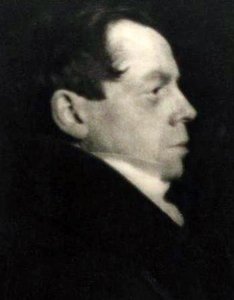
William Nicholson
1872 - 1949 , Regatul Unit
Detalii rapide
- Artistic Movement Or Style: Pictură, gravură, portret
- Artists Or Movements Influenced By This Artist: ['Beggarstaffs']
- Artists Who Influenced This Artist:
- James Pryde
- Whistler
- Date Of Birth: 5 Feb 1872
- Date Of Death: 16 Mai 1949
- Full Name: Sir William Newzam Prior Nicholson
- Nationality: Britanic
- Notable Artworks:
- Lady in Furs
- The Lowestoft Bowl
- Place Of Birth: Newark, Regatul Unit
Articole similare

The Soul of Impressionism: Why Oil on Canvas Captures Eternal Light and Timeless Emotion
Discover the enchanting alchemy of Impressionism. Explore how the mastery of oil on canvas, through glazing and impasto, captures eternal light and emotion. Perfect for lovers of Monet and Van Gogh seeking the profound depth of hand-painted fine art.
Sir William Nicholson: A Study in Post-Impressionist Portraiture & Decorative Modernism
Explore the life & work of Sir William Nicholson, a pivotal British Post-Impressionist painter. Discover his striking portraits, innovative woodcuts, and lasting influence on early 20th-century art. Expert insights for collectors.
Blossoming Symbolism: A Historical Journey Through Flowers in Western Painting
Explore the rich history of flower symbolism in Western painting! Discover how artists from the Renaissance to Modernism used blossoms to convey meaning, emotion & beauty. Learn about iconic artworks and movements.

The Enduring Legacy of Oil on Canvas: Technique, History & Aesthetic Impact
Explore the rich history & techniques of oil painting – from Renaissance masters to Impressionism. Discover pigments, layering methods, and why this timeless medium endures. Expert insights for artists & art enthusiasts.

Paul Cézanne: Cele Mai Reprezentative 25 De Capodopere – Artă, Istorie și Decorațiuni Interioare
Descoperă cele mai frumoase 25 de capodopere Paul Cézanne! Explorează istoria, tehnicile și semnificația picturilor impresioniste iconice. Reproduceri artă de calitate muzeală & inspirație decor interioară pe OriginalUniqueArt.com.
