

 Vezi în context
 Trimite
 Distribuie
 Detalii
 Ghidul

 Descarcă
 Produse similare
 Radiografie
 Diaporama
 Statistici
George IV
 Oil On Canvas
- WallArt
- Regency Romanticism
 1822
1822- 19th Century
 271.0 x 179.0 cm
 Muzeul Wallace
 Citește mai mult
Giclée / Imprimare artistică
Printuri giclée sau pe canvas de calitate muzeală, cu proces de producție rapid și opțiuni flexibile de finisare. ( Comandă pictură realizată manual Treci la imagine digitală)




P118B lei10

P118H lei10

P118W lei10

P438Z lei10

P508JH lei12

P508YH lei12

P805H lei10

P805Z lei10

P919BZ lei10

P919G lei10

P919XJ lei10

P959ZH lei10

P968JZ lei12

W106C lei8

W218G lei10

W218JH lei8

W218Y lei10

W307PJ lei10

W316G lei10

W316PJ lei8

W316Y lei10

W398PJ lei8

W4111J lei10

W500HY lei15

W500JH lei15

W692G lei12

W849H lei8

W940BG lei15

W953PJ lei8




Alegeți dintre dimensiunile noastre prestabilite, care respectă proporțiile originale ale operei de artă.

Introduceți lățimea și înălțimea de care aveți nevoie, pentru a se potrivi ramei sau peretelui dumneavoastră. O printare poate fi doar tăiată, niciodată extinsă dincolo de dimensiunea imaginii originale, astfel încât o dimensiune cu o formă diferită va pierde o parte din imagine. Vă trimitem o simulare digitală pentru aprobare înainte de a imprima orice. Imaginea afișată pe această pagină nu prezintă tăierea reală — doar simularea arată acest lucru.
Livrare în întreaga lume () în 2 săptămâni, în loc de cele 4/5 săptămâni standard. (23 Octombrie)

Livrare expres gratuită la nivel mondial

Pânză de in premium

Asigurare completă pentru transport

Garanție de rambursare a taxelor vamale

Garanția fidelității culorilor

Politica de retur în 100 de zile (doar pentru defecte)

Garanție de rambursare 100%

Reducere pentru comenzi multiple
 Opțiunea cu sticlă este disponibilă doar pentru dimensiuni de sub 110 cm

George IV
Giclée / Imprimare artistică
Dimensiune reproducere
-


Preț total
lei 371
A Portrait in Regency Grandeur: George IV by Sir Thomas Lawrence
To stand before this magnificent portrait of George IV is to step directly into the opulent drawing rooms of early nineteenth-century England. It is more than just a likeness; it is a carefully constructed tableau vivant, capturing not only the regal bearing of the subject but also the very spirit of an era defined by extravagant taste and burgeoning national confidence. Sir Thomas Lawrence, the master portraitist who chronicled the aristocracy's zenith, imbues this work with a palpable sense of grandeur. The sitter is presented in attire that speaks volumes—the dark coat, richly detailed with lace at the cuffs and collar, suggests impeccable tailoring and immense wealth. Every fold of fabric, from the crisp white shirt to the deep velvet of the couch upon which he reclines, has been rendered with an almost breathtaking fidelity.
Mastery in Technique and Atmosphere
Lawrence’s technical brilliance is immediately apparent. The handling of light is nothing short of masterful; it is soft, diffused, yet directional enough to sculpt the planes of the face and highlight the gleam of the gold chain adorning his neck. Observe how the artist has captured the texture—the plush depth of the red velvet couch contrasts exquisitely with the matte finish of the subject's skin and the subtle sheen on the polished wood or hat held in his hand. The background further enhances this sense of theatricality. Framed by rich, heavy red curtains, an open vista reveals a distant landscape, suggesting that while the sitter is rooted in domestic luxury, his gaze—and perhaps his spirit—is fixed upon the boundless possibilities beyond the immediate confines of the portrait room.
The Symbolism of Status and Power
Every element within this composition serves to reinforce the subject's elevated status. The pose itself—relaxed yet commanding, with one arm resting casually on the backrest—speaks of inherent authority. The inclusion of such luxurious props, from the elaborate chain medallion to the sumptuous drapery, functions as a visual lexicon of power during the Regency period. It is a carefully curated performance of aristocracy for posterity. For the modern collector or designer, this piece offers an unparalleled opportunity to infuse a space with historical gravitas and undeniable opulence, evoking the very height of British imperial splendor.
An Enduring Echo of Empire
Painted in 1822, this work captures George IV at a moment when Britain was solidifying its global standing. Lawrence did not merely paint faces; he painted epochs. The rich palette—dominated by deep crimsons, midnight blues, and creamy whites—creates an emotional resonance that is both stately and deeply personal. Owning a reproduction of this portrait allows one to connect with the narrative threads of history itself. It is a piece designed not just for viewing, but for experiencing; it demands contemplation on themes of enduring legacy, refined taste, and the magnificent weight of historical moments.
Întrebări și răspunsuri
Ce amplasare se potrivește formatului lucrării "George IV" de Thomas Lawrence?
Formatul (Portrait) și spațiul recomandat (Living Room) sunt cele două detalii de amplasare înregistrate pentru "George IV" de Thomas Lawrence.
Cât de intense sunt culorile în "George IV" de Thomas Lawrence?
"George IV" de Thomas Lawrence prezintă o intensitate a culorii Balanced.
Ce culori domină în "George IV" de Thomas Lawrence?
"George IV" de Thomas Lawrence folosește o paletă de culori Earthy, având culoarea Phthalo Green (#1c1914) ca nuanță dominantă.
Biografie artist
A Brushstroke of Regency Splendor: The Life and Art of Sir Thomas Lawrence
Born amidst the bustling port city of Bristol in 1769, Sir Thomas Lawrence emerged as a prodigious talent, a child prodigy whose artistic gifts blossomed with astonishing speed. His early years were marked by a nomadic existence, following his father’s ventures as an innkeeper through Devizes and finally to Bath. It was within the convivial atmosphere of these inns that young Lawrence first captivated audiences, not merely reciting poetry but also sketching remarkably accurate portraits – a skill honed without formal instruction, fueled instead by innate ability and keen observation. Even then, it was clear this was no mere youthful pastime; he was supporting his family with his pastel portraits while still in Bath, demonstrating an entrepreneurial spirit alongside his artistic flair. This early independence fostered a self-reliance that would characterize his entire career, even as he navigated the complex world of aristocratic patronage.Ascension to Portraiture’s Pinnacle
The move to London at the tender age of eighteen marked Lawrence's true ascent. He quickly established himself as a portrait painter in oils, securing his first royal commission – a portrait of Queen Charlotte in 1789 – and catapulting him into the heart of London society. This was not simply about technical skill; Lawrence possessed an uncanny ability to capture not just likeness but also *character*, imbuing his subjects with a flattering yet insightful presence. He became a master of capturing the glamour and sophistication of the Regency era, painting nobility, royalty, and prominent figures with a virtuoso handling of paint that drew comparisons to Sir Joshua Reynolds, whom he greatly admired. Lawrence’s election as an associate, then full member, of the Royal Academy in 1791 and 1794 respectively solidified his position within the established art world. He succeeded Reynolds as Painter-in-Ordinary to the King in 1792, a role that further cemented his status and provided access to the highest echelons of power. His style, while evolving subtly over time, remained consistently elegant and refined, prioritizing graceful poses, rich colors, and meticulous attention to detail.Patronage, Prestige, and the Waterloo Chamber
The patronage of the Prince Regent (later King George IV) proved pivotal in Lawrence’s career. This relationship led to one of his most ambitious undertakings: the commission to paint portraits of allied leaders for the Waterloo Chamber at Windsor Castle. These monumental works, intended to commemorate the defeat of Napoleon, showcased not only Lawrence's technical prowess but also his ability to handle large-scale compositions and capture the gravitas of international figures. The project brought him widespread acclaim and further enhanced his reputation across Europe. In 1815, he was knighted, a testament to his artistic achievements and service to the Crown. He later became President of the Royal Academy in 1820, a position he held until his death. His involvement extended beyond painting; Lawrence played a crucial role in founding the National Gallery and securing the Elgin Marbles for Britain, demonstrating a commitment to preserving and promoting British art and culture.A Legacy Tempered by Complexity
Despite his success, Lawrence’s life was not without its complexities. He struggled with financial difficulties throughout much of his career, often burdened by debt despite earning substantial sums from his commissions. His personal life was marked by tumultuous relationships, most notably with Sally and Maria Siddons, daughters of the celebrated actress Sarah Siddons, whose captivating beauty and dramatic lives undoubtedly influenced his work. These connections, while providing inspiration, also brought heartache and scandal. Furthermore, Lawrence’s sitters reflected the social landscape of his time – including both slave owners and abolitionists – a stark reminder of the moral ambiguities inherent in Regency society. His reputation waned somewhat during the Victorian era, as tastes shifted towards more morally didactic art, but has since been partially restored, recognizing him as a master of portraiture and a key figure in British artistic history. His work remains celebrated for its elegance, technical brilliance, and ability to capture the essence of his subjects, offering a captivating glimpse into the world of Regency England.Influences and Enduring Impact
Lawrence’s artistic development was profoundly influenced by Sir Joshua Reynolds, whose emphasis on capturing character and employing a fluid brushstroke resonated deeply with the young artist. He also diligently studied Old Master drawings, particularly those by Michelangelo and Raphael, absorbing their anatomical precision and compositional skills. While rooted in tradition, Lawrence's work also reflected the emerging Romantic sensibilities of his time, embracing glamour and emotional intensity. His influence can be seen in the works of later portrait painters who sought to emulate his style and capture the spirit of an era. Though he faced personal struggles and a decline in popularity during the Victorian period, Sir Thomas Lawrence’s legacy endures as one of Britain's most accomplished and captivating portraitists, a testament to his talent, charm, and enduring contribution to the world of art.
Thomas Lawrence
1769 - 1830 , Regatul Unit al Marii Britanii și Irlandei
Informații rapide
- Artistic Movement Or Style: Portretizare regină
- Artists Or Movements Influenced By This Artist: ['Romanticism']
- Artists Who Influenced This Artist: ['Reynolds']
- Date Of Birth: 13 april 1769
- Date Of Death: 7 ianuarie 1830
- Full Name: Sir Thomas Lawrence
- Nationality: Britanic
- Notable Artworks:
- Regina Charlotte
- Camera Waterloo
- Place Of Birth: Bristol, UK
Articole conexe

Georges Seurat: Cele Mai Remarcabile 25 de Opere – Artă, Decorațiuni și Inspirație
Descoperă cele mai frumoase 25 de picturi ale lui Georges Seurat! Explorează arta Pointillismului, culorile vibrante și stilul unic al acestui maestru impresionist. Reproduceri de calitate superioară pentru decor interior rafinat pe OriginalUniqueArt.com.

Sir Thomas Lawrence: Portraiture, Power & Regency Society's Aesthetics
Explore the captivating world of Sir Thomas Lawrence, Regency England's premier portraitist. Discover his artistic techniques, powerful representations of society, and enduring legacy. Expert insights for discerning art collectors.

Sir George Clausen: Capturing Edwardian Life & British Impressionism's Nuances
Explore the luminous world of Sir George Clausen, a leading British Impressionist painter. Discover his captivating scenes of Edwardian life, rural England & poignant war art. Learn about his legacy and find high-quality reproductions at OriginalUniqueArt.

Georges Braque: Cele Mai Iconice 25 De Opere – Artă Modernă pentru Decorul Tău
Descoperă cele mai importante 25 de opere ale lui Georges Braque, pionier al cubismului! Explorează istoria, tehnicile și semnificația fiecărei picturi. Reproduceri artă de calitate muzeală pentru decorul tău pe OriginalUniqueArt.com.
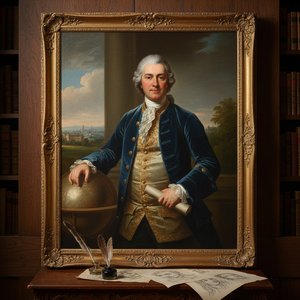
Thomas Hudson: A Study in 18th-Century Portraiture & British Artistic Identity
Explore the life & work of Thomas Hudson, a leading 18th-century British portraitist. Discover his mastery of the 'Grand Manner,' influential style, and lasting impact on British art. Learn about his notable portraits like Judge William Noel & Alexander Van Aken.


