Previzualizare
 Trimite prin felicitare
 Distribuie
 Detalii despre lucrare
 Ghid
Ghid

 Descarcă imaginea
 Produse similare
 Radiografie
 Galerie foto
 Întrebări și răspunsuri
 Statistici
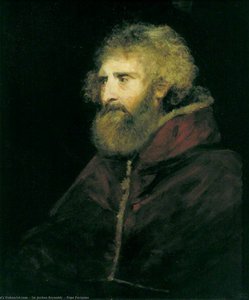
Un Vărşăitor

 Vezi mai mult
Giclée / Imprimare artistică
Printuri giclée sau pe canvas de calitate muzeală, cu proces de producție rapid și opțiuni flexibile de finisare. ( Comandă pictură realizată manual Comută pe Imagine Digitală)




































Alegeți dintre dimensiunile noastre prestabilite, care respectă proporțiile originale ale operei de artă.

Introduceți lățimea și înălțimea necesare pentru a se potrivi ramei sau peretelui dumneavoastră. O printare poate fi doar tăiată, niciodată extinsă dincolo de dimensiunea imaginii originale, astfel încât o dimensiune cu o formă diferită va pierde o parte din imagine. Vă trimitem o simulare digitală pentru aprobare înainte de a imprima orice. Imaginea afișată pe această pagină nu prezintă tăierea reală — doar simularea arată acest lucru.
Livrare în întreaga lume () în 2 săptămâni, în loc de cele 4/5 săptămâni standard. (4 Noiembrie)

Livrare expres gratuită la nivel mondial

Pânză de in de înaltă calitate

Asigurare completă pentru transport

Garanție de rambursare a taxelor vamale

Garanția fidelității culorilor

Politica de retur în 100 de zile (doar pentru defecte de fabricație)

Garanție de rambursare 100%

Ofertă pentru comenzi multiple
 Opțiunea cu sticlă este disponibilă doar pentru dimensiuni de sub 110 cm

Un Vărşăitor
Giclée / Imprimare artistică
Dimensiune reproducere
-


Preț total calculat
lei 385
Sir Joshua Reynolds și Misterul Viziunilor: O Explorare a "A Fortune-Teller"
În inima colecției Waddesdon Manor, pictura “A Fortune-Teller” de Sir Joshua Reynolds nu este doar o operă de artă; este o fereastră către un trecut fascinant, o invitație la contemplare și o mărturie a virtuților artistului englez. Realizată în jurul anului 1777, această lucrare captivantă ne oferă o privire asupra intereselor culturale ale epocii, a fascinației pentru mister și a dorinței de a înțelege viitorul.
- O Compoziție Dramatică: Centrul atenției este format din interacțiunea dintre o femeie enigmatică, probabil o vrșagâioasă, și două fete tinere. Compoziția este meticulos construită pentru a ghida privirea, concentrându-se pe dialogul subtil și expresiile fascinate ale celor trei personaje.
- Lumina și Umbra: Reynolds demonstrează măiestria sa în utilizarea luminii și umbrelor, o tehnică caracteristică stilului său "Grand Manner". Iluminarea dramatică, inspirată de Caravaggio, creează un efect teatral, accentuând detaliile și adâncind atmosfera misterioasă.
- O Reflecție a Epocii: Pictura reflectă interesul crescut al societății britanice din secolul XVIII pentru subiecte exotice și narative teatrale. Conceptul de vrșagâioasă, cu viziunile sale, era un element popular în cultura populară, iar Reynolds a capturat perfect această fascinație.
Stilul Grand Manner: O Reinterpretare Clasică
“A Fortune-Teller” este o demonstrație strălucită a stilului "Grand Manner" al lui Reynolds – un stil care depășește simpla reprezentare fidelă, îmbinând elemente din pictura istorică și clasică. Brushstrokes-urile sale libere și fluide, caracteristice perioadei sale, creează o senzație de mișcare și vitalitate, transformând scena într-o experiență vizuală vibrantă.
- Influentele Caravaggio: Reynolds a fost profund influențat de Caravaggio, în special prin utilizarea dramatică a luminii și umbrelor. Această influență se poate observa în modul în care este iluminată femeia vrșagâioasă, creând un efect puternic și memorabil.
- Detalii Precise: Deși stilul său este liber, Reynolds acordă o atenție deosebită detaliilor – texturile hainelor, expresiile faciale ale personajelor, chiar și atmosfera generală a scenei.
Simbolism și Interpretare
Dincolo de aspectul său estetic, “A Fortune-Teller” este plină de simbolism. Femeia vrșagâioasă reprezintă misterul, necunoscutul și dorința umană de a anticipa viitorul. Interacțiunea ei cu fetele tinere sugerează inocență, curiozitate și o posibilă lecție despre viață. Compoziția întregă evocă un sentiment de tensiune subtilă, invitând privitorul să se întrebe despre natura destinului și puterea viziunilor.
- Interpretarea Viziunii: Expresia fetei care ascultă este crucială. Este o expresie de uimire, curiozitate sau poate chiar teamă? Reynolds lasă interpretarea în mâinile privitorului.
- Contextul Istoric: Pictura reflectă interesul societății britanice din secolul XVIII pentru subiecte exotice și narative teatrale. Vrșagâioasele erau personaje populare, iar Reynolds a capturat perfect această fascinație.
Un Moștenire Artistică Durabilă
“A Fortune-Teller” de Sir Joshua Reynolds rămâne o operă de artă remarcabilă, apreciată pentru măiestria sa tehnică, compoziția dramatică și simbolismul profund. Această pictură este un testament al geniului lui Reynolds și o reflectare a intereselor culturale ale epocii sale – o invitație la contemplare și o celebrare a frumuseții și misterului.
Întrebări și răspunsuri
Cum se îmbină contrastul și armonia în "Un Vărşăitor"?
Compoziția cromatică a operei "Un Vărşăitor" de Sir Joshua Reynolds îmbină un Contrast maxim contrast cu o Unitate cromatică puternică armonie.
Ce reprezintă "Un Vărşăitor" și ce atmosferă transmite?
„Un Vărşăitor” surprinde fortuneteller, portraitpainting, 18thcenturyart, characterstudy, narrativescene, reynoldsstyle, fateandmystery, având o atmosferă Mistic.
Ce atmosferă transmite "Un Vărşăitor"?
"Un Vărşăitor" emană o atmosferă Mistic.
Biografie artist
A Luminary of the Enlightenment: The Life and Art of Sir Joshua Reynolds
Born in 1723 in the quaint Devonshire town of Plympton, Sir Joshua Reynolds emerged as a pivotal figure during a period of immense cultural transformation in Britain. His father, Reverend Samuel Reynolds, instilled in him a love for learning and intellectual pursuits, initially steering young Joshua towards a scholarly path. However, an undeniable artistic inclination soon surfaced, leading to his apprenticeship with Thomas Hudson in London at the age of seventeen. This formative experience provided Reynolds with a solid foundation in portraiture—a genre that would define his illustrious career. Hudson’s studio was a bustling hub of fashionable society, exposing Reynolds to the demands and expectations of aristocratic patrons, shaping not only his technique but also his understanding of the social landscape he would come to depict so masterfully. It wasn't merely about capturing likeness; it was about constructing an image that reflected status, taste, and aspiration.Forging a ‘Grand Style’ for British Portraiture
Reynolds didn’t simply replicate what he learned from Hudson. He embarked on a journey of artistic exploration, fueled by a deep admiration for the Old Masters—particularly Raphael, Michelangelo, and Titian. A pivotal moment in his development was a sojourn to Rome in 1750, where he immersed himself in classical art and absorbed the principles of the ‘Grand Style’ – an approach that prioritized idealized beauty, dramatic composition, and historical or mythological allusions. Upon returning to England, Reynolds sought to elevate British portraiture beyond mere representation, infusing it with a sense of dignity and intellectual weight previously unseen. He believed that portraits should not just record physical appearances but also reveal the sitter's character and social standing. This ambition led him to incorporate elements of history painting into his work, often depicting his subjects in elaborate costumes or staged settings reminiscent of classical narratives. He wasn’t merely painting *people*; he was crafting enduring images of power, intellect, and refinement. Reynolds meticulously studied the works of Rembrandt, Rubens, and Van Dyck, absorbing their techniques for light, shadow, and capturing psychological depth. He sought to emulate their ability to imbue portraits with a sense of life and personality, moving beyond simple likenesses to create compelling narratives about his subjects’ inner lives.The First President and Champion of the Royal Academy
Reynolds' influence extended far beyond his own canvas. In 1768, he became a founding member of the Royal Academy of Arts, and crucially, its first president—a position he held until his death in 1792. This was a watershed moment for British art, establishing an institution dedicated to fostering artistic talent and promoting national identity. Reynolds tirelessly advocated for the importance of art education and championed the recognition of artists as professionals deserving of respect and patronage. His annual Discourses – lectures delivered to Academy students – became seminal texts on artistic theory and practice, outlining his vision for a distinctly British school of painting. He stressed the importance of studying nature, mastering technique, and cultivating imagination, urging artists to strive for originality while remaining grounded in tradition. Reynolds’ leadership transformed the landscape of British art, elevating its status and laying the foundation for future generations of artistic innovation. He understood that the role of the artist was not simply to imitate reality but to interpret it—to capture the essence of a subject's character and convey their significance within a broader cultural context.Capturing an Era: Notable Works and Enduring Legacy
Reynolds’ prolific output encompassed portraits of some of the most prominent figures of 18th-century Britain—members of the aristocracy, literary luminaries, and military heroes. His portrait of Duke of Devonshire, for example, exudes an air of aristocratic power and sophistication, while his depiction of Peter Darnell Muilman, Charles Crokatt and William Keable in a Landscape showcases his ability to integrate figures seamlessly into natural settings. Mr and Mrs William Lindow is another compelling example of his skill in capturing the intimacy and social dynamics of family life. Beyond individual portraits, Reynolds also excelled at group compositions, skillfully arranging multiple figures within a single frame to create dynamic and engaging narratives. His work wasn’t simply about technical proficiency; it was about storytelling—about conveying the essence of an era through carefully constructed images. Reynolds' paintings are characterized by their masterful use of light and shadow, creating a sense of depth and drama that draws the viewer into the scene. He paid meticulous attention to detail, capturing the textures of fabrics, the gleam of jewels, and the subtle nuances of expression on his subjects’ faces.A Lasting Impact
Sir Joshua Reynolds' legacy extends far beyond his individual works. He fundamentally reshaped British portraiture, establishing it as a respected and prestigious art form. His emphasis on the ‘Grand Style’ influenced countless artists who followed in his footsteps, shaping the course of British painting for generations to come. His leadership of the Royal Academy helped establish a vibrant artistic community and fostered a culture of innovation and experimentation. Even today, Reynolds' paintings continue to be admired for their beauty, elegance, and historical significance—a testament to the enduring power of his vision and artistry. His influence can still be seen in contemporary portraiture, demonstrating the lasting impact of this pivotal figure in British art history.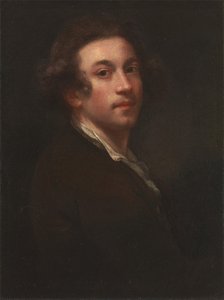
Sir Joshua Reynolds
1723 - 1792 , Regatul Marii Britanii
Detalii rapide
- Artistic Movement Or Style: Grand Style
- Artists Or Movements Influenced By This Artist:
- Titian
- Michelangelo
- Artists Who Influenced This Artist: ['Thomas Hudson']
- Date Of Birth: 1723
- Date Of Death: 1792
- Full Name: Sir Joshua Reynolds
- Nationality: British
- Notable Artworks:
- Peter Darnell...
- Mr & Mrs Lindow
- Port. John Hayes
- Place Of Birth: Plymouth, UK
Articole similare

Sir Joshua Reynolds: Cele Mai Remarcabile 25 de Capodopere – Artă Clasică pentru Decorul Tău
Descoperă cele mai frumoase 25 de picturi ale lui Sir Joshua Reynolds! Portrete clasice, stil neoclasic și capodopere romantice. Găsește inspirație pentru decorul tău și achiziționează reproduceri de artă de calitate muzeală pe OriginalUniqueArt.com.

Reflecting Nobility & Nuance: 18th-Century Portraiture as a Window into Societal Values
Explore the world of 18th-century portraiture with OriginalUniqueArt. Discover symbolism, artistic innovation & societal values reflected in masterpieces by Reynolds, Hogarth & more. Expert insights for collectors.
Mastering the Light: An Art Historian's Guide to the Grand Style of Sir Joshua Reynolds
Explore the luminous legacy of Sir Joshua Reynolds. Discover how the master of the 'Grand Style' used dramatic light and classical elegance to define 18th-century British portraiture in this expert art history guide for collectors and enthusiasts.

Sir Alfred James Munnings: Cele Mai Iubite 25 de Capodopere – Artă Excepțională pentru Decorul Casei Tale
Descoperă cele mai frumoase 25 de picturi ale lui Alfred James Munnings! Explorează capodoperele impresionismului britanic, scene rurale vibrante și arta ecvestră. Reproduceri de artă de calitate muzeală pentru decorul casei tale pe OriginalUniqueArt.com
Sir Joshua Reynolds: Shaping British Art Through Grand Style & Societal Portraiture
Explore the life & work of Sir Joshua Reynolds, a master of British portraiture and founder of the Royal Academy. Discover his 'Grand Style,' techniques, and lasting influence on art history. Learn more at OriginalUniqueArt.