
 Previzualizare
 Trimite prin felicitare
 Distribuie
 Detalii despre lucrare
 Ghid
Ghid

 Descarcă imaginea
 Produse similare
 Radiografie
 Galerie foto
 Q&A
Q&A Statistici
Intellectual Depression

- 2020.0 x 2420.0 cm


 Vezi mai mult
Lucrarea de artă afișată pe această pagină este protejată de legile privind drepturile de autor, ceea ce înseamnă că nu putem crea sau vinde în mod legal o reproducere identică. Această protecție este garantată prin acorduri internaționale, precum Convenția de la Berna și de legile naționale, inclusiv cele prevăzute de Legea dreptului de autor din S.U.A. – Titlul 17. Toate drepturile rezervate. Orice reproducere neautorizată este interzisă.
Această metodă respectă pe deplin reglementările privind drepturile de autor, deoarece nu implică copierea sau duplicarea operei protejate. În schimb, este o reinterpretare creativă – o pictură nouă, influențată de original, dar care nu este identică cu acesta.
Giclée / Imprimare artistică
Printuri giclée sau pe canvas de calitate muzeală, cu proces de producție rapid și opțiuni flexibile de finisare. ( Comandă pictură realizată manual Comută pe Imagine Digitală)




P118B lei10

P118H lei10

P118W lei10

P438Z lei10

P508JH lei12

P508YH lei12

P805H lei10

P805Z lei10

P919BZ lei10

P919G lei10

P919XJ lei10

P959ZH lei10

P968JZ lei12

W106C lei8

W218G lei10

W218JH lei8

W218Y lei10

W307PJ lei10

W316G lei10

W316PJ lei8

W316Y lei10

W398PJ lei8

W4111J lei10

W500HY lei15

W500JH lei15

W692G lei12

W849H lei8

W940BG lei15

W953PJ lei8




Alegeți dintre dimensiunile noastre prestabilite, care respectă proporțiile originale ale operei de artă.

Introduceți lățimea și înălțimea necesare pentru a se potrivi ramei sau peretelui dumneavoastră. O printare poate fi doar tăiată, niciodată extinsă dincolo de dimensiunea imaginii originale, astfel încât o dimensiune cu o formă diferită va pierde o parte din imagine. Vă trimitem o simulare digitală pentru aprobare înainte de a imprima orice. Imaginea afișată pe această pagină nu prezintă tăierea reală — doar simularea arată acest lucru.
Livrare în întreaga lume () în 2 săptămâni, în loc de cele 4/5 săptămâni standard. (2 Noiembrie)

Livrare expres gratuită la nivel mondial

Pânză de in de înaltă calitate

Asigurare completă pentru transport

Garanție de rambursare a taxelor vamale

Garanția fidelității culorilor

Politica de retur în 100 de zile (doar pentru defecte de fabricație)

Garanție de rambursare 100%

Ofertă pentru comenzi multiple
 Opțiunea cu sticlă este disponibilă doar pentru dimensiuni de sub 110 cm

Intellectual Depression
Giclée / Imprimare artistică
Dimensiune reproducere
-


Preț total calculat
lei 380
Întrebări și răspunsuri
Unde se încadrează "Intellectual Depression" în întreaga creație a lui Sir George Gilbert Scott?
În creația lui Sir George Gilbert Scott, „Intellectual Depression” se înscrie în stilul Contemporary Art, alături de temele death and decay themes, human condition focus, contrast to brighter works, london urban imagery.
Ce nivel de saturație și intensitate prezintă "Intellectual Depression" de Sir George Gilbert Scott?
Culorile din "Intellectual Depression" de Sir George Gilbert Scott prezintă o saturație de Vivid Color cu o intensitate de Vivid.
Poate fi reprodusă în mod legal opera "Intellectual Depression" de Sir George Gilbert Scott, aflată la British Council?
Statutul drepturilor de autor pentru "Intellectual Depression" de Sir George Gilbert Scott este clar: opera este încă protejată de drepturile de autor. Prezența sa la British Council nu schimbă acest statut.
Biografie artist
The Architect of Victorian Grandeur
To walk through the heart of London or traverse the historic landscapes of Britain is to encounter the enduring legacy of Sir George Gilbert Scott. A titan of the nineteenth century, Scott did not merely design buildings; he sculpted the very atmosphere of the Victorian era. His life was a profound journey through the revival of medieval splendor, a pursuit that sought to breathe new life into the stone and mortar of a rapidly industrializing world. Born into an architectural dynasty, his path was paved by the influence of his father, Sir Gilbert Scott, yet George possessed a singular vision that would allow him to transcend mere imitation, establishing himself as a master of the Gothic Revival movement.
His early years were defined by a rigorous apprenticeship within the family tradition, where he absorbed the meticulous discipline required to honor historical precedents. This foundation allowed him to approach architecture not just as an engineer, but as a storyteller. He understood that every arch, every ribbed vault, and every intricate carving could serve as a vessel for spiritual and national identity. As his career progressed, Scott became a pivotal figure in reclaiming the grandeur of the Middle Ages, rejecting the cold rationality of Neoclassicism in favor of a more emotive, textured, and spiritually resonant aesthetic.
A Legacy Carved in Stone
The sheer scale of Scott’s contribution to the British landscape is staggering. His portfolio, which includes over 800 designs and restorations, reflects a man capable of navigating both the monumental and the intimate. He was a master of the Gothic Revival, a style characterized by its soaring verticality and complex ornamentation. Through his work, he brought back the dramatic interplay of light and shadow found in ancient cathedlamls, utilizing stained glass and sculptural details to create spaces that felt both timeless and divine.
Among his most celebrated achievements are structures that have become synonymous with British heritage:
- The Midland Grand Hotel at St Pancras Station: A breathtaking masterpiece of Victorian Gothic design that remains one of London's most iconic landmarks.
- The Albert Memorial: A grand, ornate tribute to Prince Albert, showcasing Scott's ability to handle immense sculptural complexity and symbolic depth.
- The Foreign and Commonwealth Office: An exquisite example of how he could apply historical grandeur to the essential civic institutions of the British Empire.
- Ecclesiastical Masterworks: His extensive work on cathedrals and churches across the United Kingdom, where he restored and reimagined sacred spaces to evoke a sense of the sublime.
The Spirit of the Gothic Revival
Beyond the physical structures, Scott’s true achievement lay in his ability to harmonize the ancient with the modern. While his heart belonged to the medieval aesthetic, he was no stranger to the technological advancements of his time. He skillfully integrated contemporary engineering and new materials into his designs, ensuring that his Gothic visions possessed the structural integrity required for the burgeoning urban centers of the nineteenth century. This synthesis of old-world charm and new-world innovation allowed his buildings to stand as resilient monuments to progress.
His influence extended far beyond his own drafting table, shaping the tastes of an entire generation of architects and designers. By championing a style that emphasized craftsmanship, detail, and historical continuity, he provided a sense of stability and beauty during a period of unprecedented social change. Today, when we gaze upon the intricate facades of his London landmarks or the solemn arches of his restored churches, we are not just looking at architecture; we are witnessing the enduring heartbeat of the Victorian spirit, preserved forever through the visionary hand of Sir George Gilbert Scott.

Detalii rapide
- Artistic Movement Or Style: Gothic Revival
- Artists Or Movements Influenced By This Artist: ['Victorian Architecture']
- Artists Who Influenced This Artist: ['Charles Barry']
- Date Of Birth: October 8, 1839
- Date Of Death: May 6, 1897
- Full Name: George Gilbert Scott
- Nationality: British
- Notable Artworks:
- Liverpool Cathedral
- Battersea Power Station
- Leeds General Infirmary
- St Pancras Hotel
- Place Of Birth: London, England
Articole similare
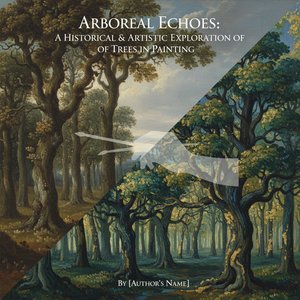
Arboreal Echoes: A Historical & Artistic Exploration of Trees in Painting
Explore the rich history of trees in painting! Discover symbolism, Romantic masterpieces by Caspar David Friedrich & beyond. A curated journey for art enthusiasts.

Top 10 Tablouri Celebre Dominante de Negru: Artă, Istorie și Decor Rafinat
Descoperă Top 10 tablouri celebre dominate de negru! Explorează istoria, simbolismul și tehnicile artistice ale unor opere iconice de Rembrandt, Goya și alți maeștri. Reproduceri de artă de calitate muzeală pe OriginalUniqueArt.com – inspiră-ți decorul!

Arboreal Echoes: A Historical & Artistic Exploration of Trees in Painting
Explore the rich history of trees in painting! Discover symbolism, Romantic masterpieces by Caspar David Friedrich & beyond. A curated journey for art enthusiasts.
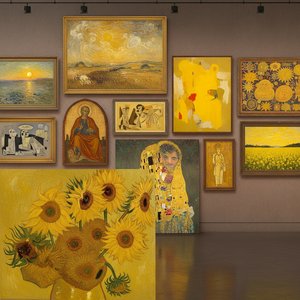
Top 10 Capodopere Picturale Dominate de Galben Crom: Artă, Istorie și Decor
Descoperă top 10 tablouri celebre dominate de galben crom! Van Gogh, Monet și alți maeștri ai impresionismului. Istorie, tehnică și inspirație pentru decorul casei tale. Reproduceri de artă de calitate muzeală pe OriginalUniqueArt.com
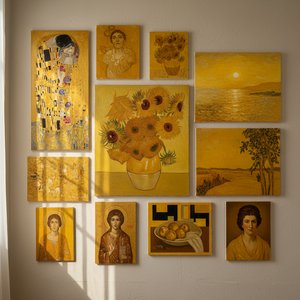
Top 10 Capodopere Pictate în Nuanțe de Ocră Galben: Artă și Decor Inspirat
Descoperă top 10 picturi celebre dominate de nuanțe calde de ocră galben! Explorează poveștile lui Van Gogh, Monet și Rembrandt. Găsește inspirație pentru decorul tău cu reproduceri artă de calitate muzeală pe OriginalUniqueArt.com