 Previzualizare
 Trimite prin felicitare
 Distribuie
 Detalii despre lucrare
 Ghid
Ghid

 Descarcă imaginea
 Produse similare
 Radiografie
 Galerie foto
 Întrebări și răspunsuri
 Statistici
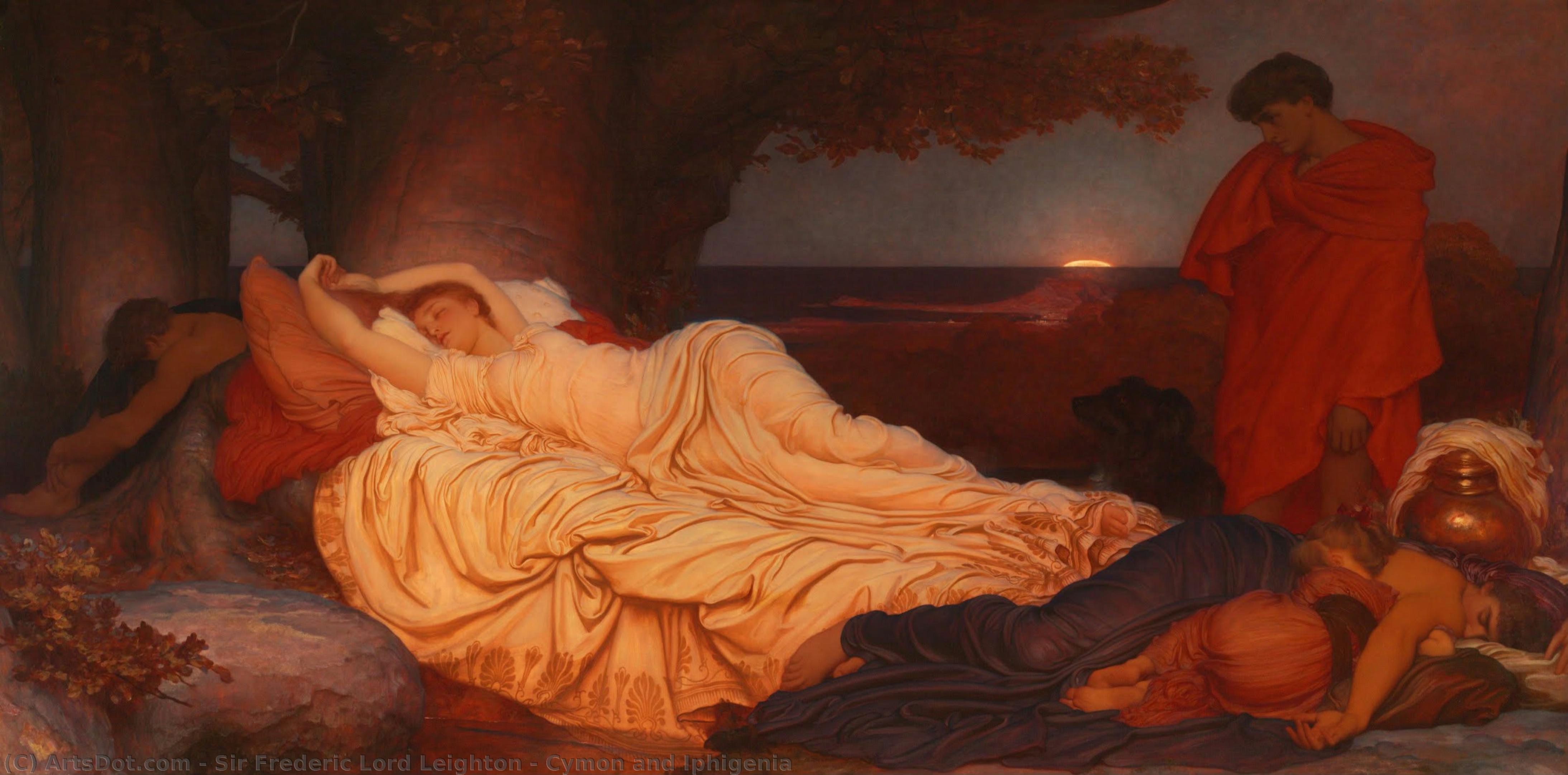
Cymon and Iphigenia

- 218.0 x 390.0 cm


 Vezi mai mult
Giclée / Imprimare artistică
Printuri giclée sau pe canvas de calitate muzeală, cu proces de producție rapid și opțiuni flexibile de finisare. ( Comandă pictură realizată manual Comută pe Imagine Digitală)




P118B lei10

P118H lei10

P118W lei10

P438Z lei10

P508JH lei12

P508YH lei12

P805H lei10

P805Z lei10

P919BZ lei10

P919G lei10

P919XJ lei10

P959ZH lei10

P968JZ lei12

W106C lei8

W218G lei10

W218JH lei8

W218Y lei10

W307PJ lei10

W316G lei10

W316PJ lei8

W316Y lei10

W398PJ lei8

W4111J lei10

W500HY lei15

W500JH lei15

W692G lei12

W849H lei8

W940BG lei15

W953PJ lei8




Alegeți dintre dimensiunile noastre prestabilite, care respectă proporțiile originale ale operei de artă.

Introduceți lățimea și înălțimea necesare pentru a se potrivi ramei sau peretelui dumneavoastră. O printare poate fi doar tăiată, niciodată extinsă dincolo de dimensiunea imaginii originale, astfel încât o dimensiune cu o formă diferită va pierde o parte din imagine. Vă trimitem o simulare digitală pentru aprobare înainte de a imprima orice. Imaginea afișată pe această pagină nu prezintă tăierea reală — doar simularea arată acest lucru.
Livrare în întreaga lume () în 2 săptămâni, în loc de cele 4/5 săptămâni standard. (3 Noiembrie)

Livrare expres gratuită la nivel mondial

Pânză de in de înaltă calitate

Asigurare completă pentru transport

Garanție de rambursare a taxelor vamale

Garanția fidelității culorilor

Politica de retur în 100 de zile (doar pentru defecte de fabricație)

Garanție de rambursare 100%

Ofertă pentru comenzi multiple
 Opțiunea cu sticlă este disponibilă doar pentru dimensiuni de sub 110 cm

Cymon and Iphigenia
Giclée / Imprimare artistică
Dimensiune reproducere
-


Preț total calculat
lei 385
A Vision of Ideal Beauty: Frederic Leighton’s “Cymon and Iphigenia”
Frederic Leighton's "Cymon and Iphigenia," painted in 1884, isn’t merely a depiction of Greek myth; it’s a carefully constructed tableau of Victorian ideals – a testament to beauty, virtue, and the transformative power of love. Leighton, already established as a Royal Academician and a master of historical painting, sought to elevate the narrative beyond its original source material, weaving in elements of Pre-Raphaelite sensuality and classical restraint into a scene brimming with quiet drama. The painting immediately draws the eye to Iphigenia, lying gracefully on a mossy bank beneath an ancient tree – her pose suggesting both languor and vulnerability. Her golden hair cascades around her face, illuminated by dappled sunlight that filters through the leaves, while her eyes are closed in peaceful slumber. The artist’s meticulous attention to detail is evident in every curve of her body, every ripple of fabric, and the delicate rendering of the foliage surrounding her.A Story of Awakening and Moral Ascent
The myth underpinning “Cymon and Iphigenia” originates from Boccaccio’s *Decameron*, a collection of tales set in Florence during the Black Death. The story recounts how the brutish youth Cymon, initially characterized by his rudeness and lack of refinement, encounters the beautiful Iphigenia. Through her presence, he undergoes a profound transformation, shedding his coarse manners and embracing intellectual pursuits – becoming a man of virtue and learning. Leighton cleverly captures this pivotal moment in the narrative, not through overt action but through subtle gestures and expressions. Cymon stands before her, gazing at her with an expression of rapturous admiration, while Iphigenia’s serene repose suggests that she has already initiated his moral awakening. The inclusion of a young slave girl, Lena, adds another layer to the scene, representing innocence and serving as a visual reminder of the transformative power of beauty.Technique and Aesthetic Choices
Leighton's mastery is evident in his masterful use of color and light. He employs a muted palette dominated by earthy greens, browns, and golds, creating an atmosphere of tranquility and timelessness. The lighting is particularly noteworthy – it’s diffused and atmospheric, casting long shadows and highlighting the textures of the foliage and Iphigenia's garments. The artist meticulously rendered every detail with painstaking precision, utilizing a smooth, polished technique that reflects his academic training. He drew heavily on classical sculpture for inspiration, evident in the idealized forms of the figures and the careful arrangement of the composition. The background landscape is deliberately vague, allowing the viewer’s attention to remain focused on the central figures. The use of a dark, almost velvety moss beneath Iphigenia further emphasizes her vulnerability and purity.Symbolism and Victorian Ideals
“Cymon and Iphigenia” is deeply rooted in the artistic and social conventions of Victorian England. The painting embodies several key ideals prevalent during that era: the celebration of beauty, the pursuit of virtue, and the reverence for classical antiquity. Leighton’s choice to depict a mythological scene rather than a contemporary subject allowed him to explore these themes within a framework of idealized beauty and moral instruction. The image speaks to the Victorian fascination with both Greek mythology and the concept of “moral education,” where art was seen as a tool for shaping virtuous citizens. Furthermore, the painting reflects Leighton’s own personal interests – his love of classical sculpture and his desire to create works that were both aesthetically pleasing and morally uplifting. The overall effect is one of serene contemplation, inviting viewers to reflect on the timeless themes of beauty, virtue, and transformation.A Legacy of Beauty: Reproductions and Inspiration
Today, “Cymon and Iphigenia” remains a beloved masterpiece, admired for its exquisite detail, evocative atmosphere, and profound symbolism. High-quality reproductions capture the painting’s luminous quality and intricate details, making it accessible to a wider audience. Its themes continue to resonate with art lovers and interior designers alike, who appreciate its timeless beauty and its ability to evoke a sense of tranquility and contemplation. When selecting a reproduction, consider the scale and framing options to best complement your space – allowing this iconic work of art to grace your home and inspire generations to come.Întrebări și răspunsuri
Există o prezentare de diapozitive pentru "Cymon and Iphigenia" de Frederic Leighton?
"Cymon and Iphigenia" de Frederic Leighton poate fi vizualizată sub formă de diaporama pe pagina dedicată operei, Galerie foto.
La ce etapă din cariera lui Frederic Leighton corespunde data de 1884 a operei „Cymon and Iphigenia”?
Data din 1884 plasează „Cymon and Iphigenia” în Mature Period dezvoltării lui Frederic Leighton.
În ce an și în cadrul cărui curent artistic a fost creată „Cymon and Iphigenia”?
„Cymon and Iphigenia” a fost creat în 1884, fiind o operă a mișcării Academic Romanticism. Data și stilul ancorează lucrarea în istoria artei.
Biografie artist
A Life Bathed in Light: The World of Sir Frederic Leighton
Sir Frederic Lord Leighton, născut în 1830 în Scarborough, Anglia, a avut o carieră artistică marcată de o combinație rară de privilegiu, educație excepțională și o fascinație profundă pentru lumea clasică. Grandfather-ul său, un medic distințat care a servit familia imperială rusă, i-a oferit o bază financiară solidă, permițându-i să își urmeze pasiunea fără constrângeri—un avantaj rar în viața de artist a secolului al XIX-lea. Această libertate l-a permis să efectueze călătorii extinse prin Europa, imersându-se în curentele artistice ale Italiei, Germaniei și Franței. În acești ani formativi, studiind sub îndrumarea unor maeștri precum Eduard von Steinle și Giovanni Costa, Leighton a început să își cultive stilul distinctiv—o fuziune de precizie academică, sensualitate Pre-Raphaelitică și o reverență profundă pentru antichitatea clasică. Un moment poignant din tinerețea sa a avut loc la vârsta de șaptesprezece ani, când a întâlnit filosoful Arthur Schopenhauer în Frankfurt, creând singurul portret de statuie cunoscut al gânditorului renumit. Această întâlnire sugerează profunzimea intelectuală a lui Leighton și fascinația sa pentru explorarea complexităților condiției umane—teme care au străbătut arta sa timp de decenii.The Painterly Embrace of Myth and History
Cariera artistică a lui Leighton a prosperat într-o epocă captivată de narațiuni istorice, povești biblice și mitologie clasică. El nu ilustra doar aceste subiecte; le *locuia*, cercetând minuțios costumele, decorurile și nuanțele vieții antice pentru a crea opere care păreau atât autentice, cât și dramatic convingătoare. Picturile sale nu erau simple reprezentări—era experiențe imersive, transportând privitorii în lumi de zei, eroi și imperii uitați. *Clytie*, probabil una dintre cele mai celebrate lucrări ale sale, exemplifică această abordare. Pictura îl prezintă pe nimfa Clytie transformată într-o girlandă, tânărind după zeul Apollo. Nu este doar o imagine frumoasă; este o explorare a iubirii neîmpărtășite, a dorinței și a puterii transformative a naturii—reprezentate cu o strălucire uimitoare și o calitate care pare să emane din interior. Similar, *Daphnephoria*, care îl prezintă pe Apollo în procesiune, demonstrează măiestria lui Leighton în compoziție, culoare și capacitatea sa de a captura mișcarea și energia pe pânză. El nu se temea să îmbrățișeze texturi bogate, țesături rafinate și iluminare dramatică—elemente care au contribuit la splendoarea vizuală generală a operei sale. Leighton era un observator atent al lumii din jurul său, captând în picturile sale nu doar frumusețea idealizată, ci și detaliile vieții cotidiene, oferind o perspectivă rară asupra epocii sale.Beyond the Canvas: Sculpture and Architectural Vision
În timp ce este mai bine cunoscut ca pictor, ambițiile artistice ale lui Leighton s-au extins dincolo de domeniul bidimensional. Era un sculptor talentat și sculptura sa *Athlete Wrestling with a Python*, creată între 1888 și 1891, a marcat o mișcare crucială în sculptura britanică—adesea considerată ca fiind un nou început pentru renașterea practicii contemporane de sculptură cunoscută sub numele de “New Sculpture”. Această lucrare, sculptată din marmură albă pură, embody atât puterea fizică cât și tensiunea dramatică. Dar viziunea creativă a lui Leighton nu s-a oprit aici. El era, de asemenea, un colecționar pasionat de artă și artefacte, în special cele din Orientul Mijlociu. Aceste comori nu erau doar expuse; erau integrate în țesutul însăși al casei sale, Leighton House în Holland Park, Londra. Proiectat de George Aitchison, Leighton House este o capodoperă în sine—un exemplu uimitor de Aestheticism care a servit ca și reședință și atelier. Sala Arabă iconică, cu lucrare ceramică complexă și arce înalte, este un tribut la gusturile eclectice ale lui Leighton și dorința sa de a crea o operă de artă totală—un mediu care l-a inspirat și hrănit creativitatea.Legacy and the Echoes of an Era
Moștenirea lui Leighton a fost profundă. A servit ca președinte al Royal Academy din 1878 până în moartea sa în 1896, o poziție pe care a deținut-o cu distincție, promovând excelența artistică și cultivând o comunitate creativă vibrantă. A fost numit cavaler în 1878, baronet în 1886 și, remarcabil, primind un titlu nobiliar doar cu o zi înainte de moartea sa—un testament la respectul imens pe care l-a primit în lumea artei și dincolo de aceasta. Deși opera sa a ieșit din graul pentru o perioadă după moartea sa, eclipsată de ascensiunea modernismului, există un interes semnificativ crescut pentru arta lui Leighton în ultimii ani. Astăzi, picturile sale și sculpturile sunt celebrate pentru măiestria lor tehnică, puterea lor evocatoare și capacitatea lor de a transporta privitorii în lumi de frumusețe și minuni. El reprezintă o intersecție fascinantă a idealurilor victoriene, a influențelor clasice și a sensibilităților Pre-Raphaelitic—o voce unică în istoria artei britanice.- Munca sa continuă să inspire artiști și să captiveze publicul din întreaga lume.
- Leighton House Museum rămâne un monument cultural vital, o dovadă durabilă a viziunii sale artistice.
- El reprezintă o intersecție fascinantă a idealurilor victoriene, a influențelor clasice și a sensibilităților Pre-Raphaelitic—o voce unică în istoria artei britanice.

Frederic Leighton
1830 - 1896 , Regatul Unit al Marii Britanii și Irlandei de Nord
Detalii rapide
- Artistic Movement Or Style: Academic, Pre-Raphaelit
- Artists Or Movements Influenced By This Artist:
- Sculptură Nouă
- Aestheticism
- Artists Who Influenced This Artist:
- Steinle
- Costa
- Date Of Birth: 3 Decembrie 1830
- Date Of Death: 25 Ianuarie 1896
- Full Name: Sir Frederic Lord Leighton
- Nationality: Britanic
- Notable Artworks:
- Clytie
- Flaming June
- Athlete Wrestling python
- Place Of Birth: Scarborough, UK
Articole similare

The Enduring Allure of Marble in Art History: From Classical Sculpture to Modern Abstraction
Explore the captivating history of marble sculpture from ancient Greece to modern art. Discover renowned artists like Canova & Michelangelo, carving techniques, and investment insights at OriginalUniqueArt.
Sir Frederic Leighton: Aestheticism, Academic Mastery & Victorian Masculinity
Explore the life & art of Sir Frederic Leighton, a master of Victorian Aestheticism. Discover his academic training, sculptural innovations, and captivating depictions of beauty. Expert insights for collectors.

Top 10 Capodopere din Bronz care au Revoluționat Arta | OriginalUniqueArt.ro
Descoperiți Top 10 capodopere din bronz care au revoluționat arta! Rodin, Michelangelo și alții. Aflați istoria sculpturilor clasice și inspirație pentru decorul casei dvs. Reproduceri de artă de calitate muzeală pe OriginalUniqueArt.com

The Enduring Form: Exploring Themes & Techniques in Sculpture Across Historical Periods
Explore the rich history of sculpture from ancient masterpieces to contemporary innovations. Discover key techniques, influential artists & investment potential for discerning art collectors.

Top 10 Capodopere din Bronz care au Revoluționat Arta – Inspirație pentru Decor
Descoperă Top 10 sculpturi din bronz care au schimbat istoria artei! Explorează operele lui Rodin, Michelangelo și alți maeștri, tehnicile lor unice și inspirația pentru decorul casei tale. Replici de calitate muzeală pe OriginalUniqueArt.com.