

 Vezi în context
 Trimite
 Distribuie
 Detalii
 Ghidul

 Descarcă
 Produse similare
 Radiografie
 Diaporama
 Statistici
Mrs Livesay


 Citește mai mult
Reproducere pictată manual în ulei
Pictură în ulei pe pânză, realizată manual de artiștii noștri la dimensiunea și ramele dorite de dumneavoastră, pe comandă. ( Comută pe versiunea Print Treci la imagine digitală)




P118B lei10

P118H lei10

P118W lei10

P438Z lei10

P508JH lei12

P508YH lei12

P805H lei10

P805Z lei10

P919BZ lei10

P919G lei10

P919XJ lei10

P959ZH lei10

P968JZ lei12

W106C lei8

W218G lei10

W218JH lei8

W218Y lei10

W307PJ lei10

W316G lei10

W316PJ lei8

W316Y lei10

W398PJ lei8

W4111J lei10

W500HY lei15

W500JH lei15

W692G lei12

W849H lei8

W940BG lei15

W953PJ lei8




Alegeți dintre dimensiunile noastre prestabilite, care respectă proporțiile originale ale operei de artă.

Introduceți lățimea și înălțimea de care aveți nevoie, pentru a se potrivi ramei sau peretelui dumneavoastră. Această lucrare este pictată manual, așa că pentru o dimensiune cu o formă diferită, artistul poate picta puțin mai mult în jurul imaginii sau poate tăia puțin din margini — dumneavoastră decideți. Vă vom trimite o simulare digitală pentru aprobare înainte de a începe pictarea. Imaginea afișată pe această pagină nu reprezintă rezultatul real — doar simularea este reprezentativă.
După plasarea comenzii, echipa OriginalUniqueArt.com va contacta clientul prin e-mail pentru instrucțiuni și îi va furniza o previzualizare a machetei
Livrare în întreaga lume () în 3-4 săptămâni, în loc de cele 5 săptămâni standard. (25 Octombrie). Fără compromisuri în ceea ce privește calitatea.

Livrare expres gratuită la nivel mondial

Pânză de in premium

Asigurare completă pentru transport

Garanție de rambursare a taxelor vamale

Garanția fidelității culorilor

Politica de retur în 100 de zile (doar pentru defecte)

Garanție de rambursare 100%

Reducere pentru comenzi multiple
 Opțiunea cu sticlă este disponibilă doar pentru dimensiuni de sub 110 cm

Mrs Livesay
Tip de reproducere
Dimensiune reproducere
-


Preț total
lei 1389
A Portrait of Quiet Dignity
Sir Francis Grant’s 1851 masterpiece, “Mrs Livesay,” serves as a profound testament to the Victorian era's fascination with refined beauty and intellectual depth. In this exquisite oil on canvas, we encounter a woman of considerable social standing, captured in a moment of serene contemplation. Seated beneath the gentle canopy of a blossoming tree, Mrs. Livesay is not merely a subject of a likeness, but an embodiment of contemplative serenity. The painting invites the viewer into her private world, where the rustle of leaves and the turning of a page are the only sounds to break the stillness of a garden setting.
The composition employs a classic three-quarter pose that prioritizes intimacy, drawing the eye directly to the subject's downward gaze. As she holds an open book in her lap, the act of reading becomes a powerful symbol of knowledge, learning, and intellectual refinement. This focus on the internal life of the sitter is beautifully framed by the natural world; the soft, organic shapes of the tree branches overhead create a protective, almost sacred space around her. The subtle recession of the landscape background, rendered in hazy greens and browns, utilizes atmospheric perspective to create a shallow depth of field, ensuring that the viewer's emotional connection remains anchored to the subject herself.
Mastery of Light and Texture
Grant’s technical prowess is on full display through his masterful use of color and light. The palette is elegantly muted, dominated by sophisticated creams, soft blues, and whites in Mrs. Livesay’s attire, which provides a luminous contrast against the bold, rich red drapery upon which she rests. This interplay of tones is further enriched by the artist's ability to manipulate texture through delicate brushwork. One can almost feel the smooth, flowing surface of her dress juxtaposed against the more tactile, textured foliage of the surrounding garden.
The lighting within the piece is soft and diffused, acting as a gentle spotlight that illuminates the most expressive elements of the portrait: Mrs. Livesay's face and hands. This careful attention to light and shadow allows for subtle gradations in skin tone, lending a lifelike realism to her features. For collectors and interior designers alike, this painting offers more than just visual beauty; it provides an atmosphere of grace and tranquility. Whether placed in a sunlit study or a formal drawing room, a high-quality reproduction of “Mrs Livesay” brings with it a sense of historical prestige and a timeless, quiet elegance that resonates deeply within any sophisticated space.
Întrebări și răspunsuri
Unde pot găsi statistici despre "Mrs Livesay" de Francis Grant?
Statistici despre "Mrs Livesay" de Francis Grant se regăsesc pe pagina Statistici a operei de artă: vizitele lunare ale operei, vizitele lucrărilor artistului și distribuția pe țări și limbi pentru vizitatorii recenti.
Cum echilibrează "Mrs Livesay" lumina și întunericul?
"Mrs Livesay" are shadow în întregime, iar luminozitatea sa este Soft Shadow.
Unde pot cumpăra o reproducere pictată manual a operei "Mrs Livesay" de Francis Grant?
Copii pictate manual ale operei "Mrs Livesay" de Francis Grant sunt vândute pe acest site: o reproducere pictată manual în ulei pe pânză de in, prin comandă de pe pagina Reproducere pictată manual.
Biografie artist
A Life Dedicated to Portraiture and the Academy
Sir Francis Grant, a name synonymous with refined portraiture and dedicated service to the British art establishment, emerged as one of the most sought-after artists of his era. Born in 1803 into a landed family in Perthshire, Scotland, young Francis initially seemed destined for a career in law. However, the allure of artistic expression proved too irresistible to resist. Though largely self-taught, he briefly studied under Alexander Nasmyth in Edinburgh, laying an early foundation before forging his own distinctive path. This path wasn’t immediately clear; Grant's initial successes came with sporting scenes, capturing the energy and vibrancy of rural life – subjects that would initially define his reputation. A pivotal moment arrived through his marriage, granting him access to the exclusive world of Melton Mowbray’s hunting set. There, he honed his skills under John Ferneley, a master of equestrian art, and began to specialize in depictions of horses and hounds – endeavors that showcased an exceptional eye for detail and composition.Early Artistic Explorations: Sporting Scenes and Impressionistic Beginnings
Grant's formative years were marked by a fascination with the natural world and particularly with equine pursuits. *Melton Breakfast* (1834), arguably his most celebrated sporting painting, exemplifies this early style – characterized by bold brushstrokes, luminous color palettes, and an acute awareness of light and atmosphere. This Impressionistic influence is palpable in his depiction of Ascot Heath, capturing the dynamism of the hunt with remarkable precision. It was a deliberate departure from academic conventions, reflecting a broader artistic trend toward capturing fleeting moments and sensory experiences. His meticulous observation of animal anatomy and movement demonstrated a profound understanding of scientific principles – an uncommon trait for artists of his time. These initial works established Grant as a talented artist capable of conveying emotion and capturing the spirit of his subjects with remarkable sensitivity.The Equestrian Tradition: Mastering John Ferneley’s Influence
Grant's artistic trajectory took another decisive turn when he encountered John Ferneley, a renowned equestrian painter who instilled in him invaluable techniques for portraying horses and riders. Ferneley’s mastery of anatomy and perspective profoundly impacted Grant’s style, shaping his approach to capturing the grandeur and nobility of equine subjects. This collaboration resulted in breathtaking portraits of Queen Victoria and Prince Albert – monumental canvases that solidified Grant's reputation as one of Britain’s foremost equestrian artists. The resulting images are imbued with a palpable sense of movement and power, reflecting Ferneley’s influence on Grant’s artistic vision. These commissions underscored the importance of patronage within Victorian society and cemented Grant’s position at the forefront of his field.Portraiture: Capturing Character and Status
Grant swiftly transitioned from sporting scenes to portraiture, achieving unparalleled success in capturing not merely physical likeness but also the inner essence of his subjects – a distinction that elevated him above many of his contemporaries. His portraits of Lady Glenlyon (1842) stand as a testament to his skill in conveying psychological depth and social standing. Unlike earlier artists who prioritized idealized representations, Grant sought to portray individuals authentically, revealing their personalities alongside their formal attire and surroundings. He skillfully blended Neoclassical elegance with Romantic sensibility – tempering the formality of Lawrence’s style with a touch of Victorian introspection. This approach resonated deeply with his aristocratic clientele, who recognized the value of portraying themselves in a manner that reflected both their accomplishments and their social identity.Royal Patronage and Artistic Legacy: Shaping the Royal Academy
Grant's artistic career reached its zenith when he was elected President of the Royal Academy in 1866 – an honor bestowed upon him by his peers recognizing his exceptional talent and unwavering dedication to the art world. During his tenure, Grant championed innovation and broadened the Academy’s scope, instituting a groundbreaking practice: the holding of major loan exhibitions that showcased masterpieces from across Europe. This initiative dramatically increased public engagement with art and cemented the Royal Academy's role as a cornerstone of British cultural life. He skillfully navigated the complexities of Victorian artistic discourse, advocating for critical inquiry and fostering dialogue between established traditions and emerging trends. Grant’s influence extended beyond his own work, shaping the careers of younger artists like Martin Archer Shee and Solomon Alexander Hart – ensuring that his artistic vision would endure for generations to come. His paintings continue to inspire admiration and scholarly study today—a lasting testament to a remarkable artist who captured the spirit of his time with unparalleled grace and artistry.
Francis Grant
1803 - 1878 , Regatul Unit al Marii Britanii și Irlandei
Informații rapide
- Artistic Movement Or Style: Neoclasicism și Romanticism
- Artists Or Movements Influenced By This Artist: ['Martin Archer Shee']
- Artists Who Influenced This Artist:
- Alexander Nasmyth
- John Ferneley
- Date Of Birth: Ianuarie 18, 1803
- Date Of Death: Octombrie 5, 1878
- Full Name: Sir Francis Grant
- Nationality: Scottish
- Notable Artworks:
- Melton Breakfast
- Lady Glenlyon
- Portrete regale
- Place Of Birth: Edimburg, Regatul Unit
Articole conexe
Reflections of an Era: Identity & Social Commentary in 19th-Century Portraiture
Explore the captivating world of 19th-century portraiture! Discover key artists, movements like Realism & Impressionism, and the powerful social commentary embedded within these iconic artworks. Expert insights at OriginalUniqueArt.
Francis Bacon: Cele Mai Iconice Lucrări – Artă Expresionistă pentru Decor Rafinat
Descoperă cele mai iconice 25 de lucrări ale lui Francis Bacon – picturi expresioniste pline de emoție și forță. Explorează biografia artistului, tehnicile sale unice și impactul asupra artei moderne. Reproduceri artă de calitate muzeală pe OriginalUniqueArt.com!
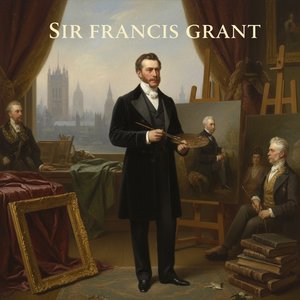
Sir Francis Grant: Portraiture, Patronage & Victorian Society
Explore the life & work of Sir Francis Grant, a leading Victorian portraitist. Discover his aristocratic clientele, role at the Royal Academy, and enduring artistic legacy. Learn about art patronage in 19th-century Britain.

Sir Alfred James Munnings: Cele Mai Iubite 25 de Capodopere – Artă Excepțională pentru Decorul Casei Tale
Descoperă cele mai frumoase 25 de picturi ale lui Alfred James Munnings! Explorează capodoperele impresionismului britanic, scene rurale vibrante și arta ecvestră. Reproduceri de artă de calitate muzeală pentru decorul casei tale pe OriginalUniqueArt.com
Sir Joshua Reynolds: Cele Mai Remarcabile 25 de Capodopere – Artă Clasică pentru Decorul Tău
Descoperă cele mai frumoase 25 de picturi ale lui Sir Joshua Reynolds! Portrete clasice, stil neoclasic și capodopere romantice. Găsește inspirație pentru decorul tău și achiziționează reproduceri de artă de calitate muzeală pe OriginalUniqueArt.com.

