
 Previzualizare
 Trimite
 Distribuie
 Detalii despre lucrare

 Descarcă
 Produse similare
 Radiografie
 Diapozitive automate
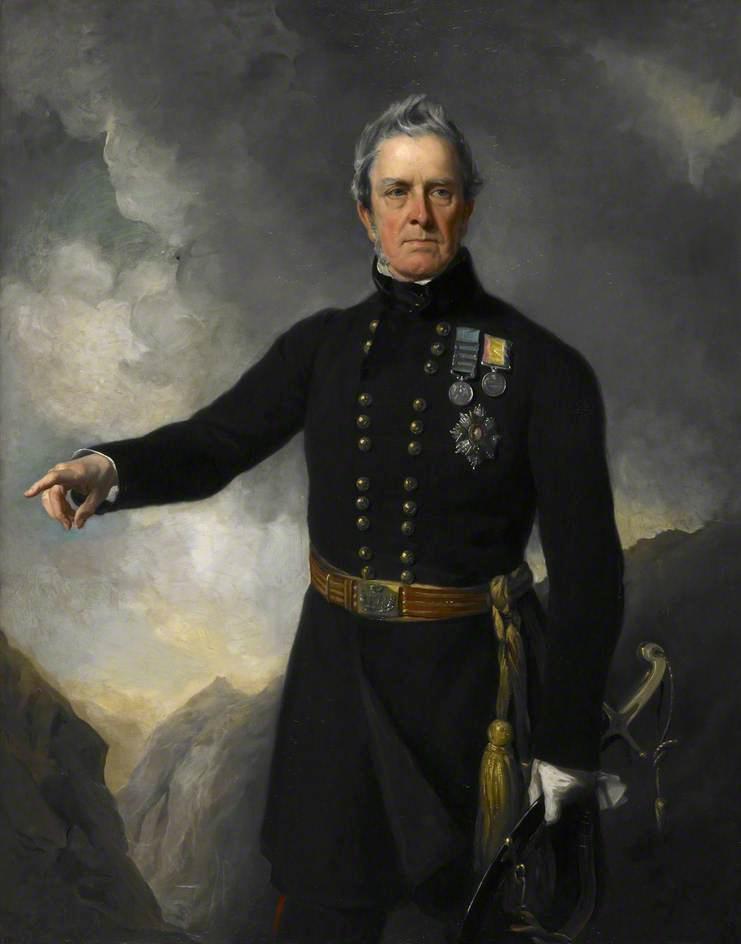
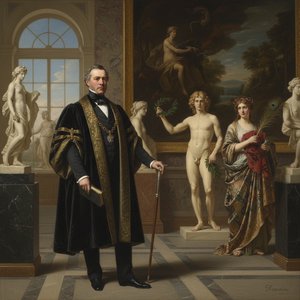
Lieutenant General Sir George Pollock


 Vezi mai mult
Giclée / Imprimare artistică
Printuri giclée sau pe canvas de calitate muzeală, cu proces de producție rapid și opțiuni flexibile de finisare. ( Comandă pictură lucrată manual Cumpără imaginea)




P118B $10

P118H $10

P118W $10

P438Z $10

P508JH $12

P508YH $12

P805H $10

P805Z $10

P919BZ $10

P919G $10

P919XJ $10

P959ZH $10

P968JZ $12

W106C $8

W218G $10

W218JH $8

W218Y $10

W307PJ $10

W316G $10

W316PJ $8

W316Y $10

W398PJ $8

W4111J $10

W500HY $15

W500JH $15

W692G $12

W849H $8

W940BG $15

W953PJ $8




Alegeți dintre dimensiunile noastre prestabilite, care respectă proporțiile originale ale operei de artă.

Puteți introduce propriile dimensiuni pentru a se potrivi unui anumit cadru sau spațiu. Dacă dimensiunea selectată nu corespunde proporțiilor imaginii originale, vom decupa lucrarea de artă sau vom extinde imaginea cu margini oglindite sau cu o culoare uniformă. Un mockup digital va fi trimis pentru aprobarea dumneavoastră înainte de începerea producției.
Vă rugăm să rețineți că previzualizarea de pe ecran nu reflectă decuparea sau extinderea reală. Doar mockup-ul va arăta cu exactitate compoziția finală.
Deși dimensiunile personalizate sunt disponibile, vă recomandăm să selectați o dimensiune din lista predefinită pentru a păstra proporțiile originale.
Livrare în întreaga lume () în 2 săptămâni, în loc de cele 4/5 săptămâni standard. (25 August)

Livrare expres gratuită la nivel mondial

Pânză de in de înaltă calitate

Asigurare completă pentru transport

Garanție de rambursare a taxelor vamale

Garanția fidelității culorilor

Politica de retur în 60 de zile (doar pentru defecte)

Garanție de rambursare 100%

Ofertă pentru comenzi multiple
 Opțiunea cu sticlă este disponibilă doar pentru dimensiuni de sub 110 cm

Lieutenant General Sir George Pollock
Giclée / Imprimare artistică
Dimensiune reproducere
-


Preț total calculat
$ 80
Descriere obiect de colecție
A Portrait of Command: Sir Francis Grant’s Reverent Depiction of Lieutenant General Sir George Pollock
Sir Francis Grant's “Lieutenant General Sir George Pollock,” painted in 1856, stands as a testament to the Victorian obsession with formal portraiture and the meticulous observation of academic art. More than just a likeness, it’s an embodiment of military prestige and aristocratic dignity—a scene meticulously crafted to convey both visual splendor and profound symbolic resonance.
- Subject Matter & Context: The artwork portrays Lieutenant General Sir George Pollock (1786–1872), a celebrated British soldier who achieved renown for his leadership during the Napoleonic Wars, specifically his decisive role in securing the Battle of Waterloo. Grant’s depiction captures Pollock at the height of his career, reflecting the societal values of the time—honor, duty, and unwavering loyalty to the Crown.
- Composition & Technique: Employing a classic three-quarter pose against a subtly blurred landscape backdrop, Grant utilizes a pyramidal composition that directs the viewer’s gaze towards Pollock's face. The artist skillfully blends muted browns and blacks with delicate touches of gold—primarily in the medals adorning Pollock’s uniform—creating depth and highlighting his status. Oil paint on canvas allows for nuanced tonal gradations and textural detail, achieved through meticulous layering and blending.
- Color Palette & Lighting: The subdued color palette reinforces the solemn mood of the portrait. Dark hues dominate, emphasizing seriousness and conveying a sense of gravitas. Diffused lighting illuminates Pollock’s face and upper torso, casting shadows that accentuate his musculature and contribute to the overall dramatic effect. This careful manipulation of light underscores Grant's mastery of artistic realism.
- Symbolism & Emotional Impact: The prominent medals serve as potent symbols of Pollock’s military achievements—visual representations of bravery and victory. Furthermore, Grant subtly conveys Pollock’s inner fortitude through his posture and gaze, suggesting confidence and unwavering resolve. The landscape background evokes memories of Waterloo campaigns, hinting at the challenges faced by Britain's military elite.
- Style & Artistic Merit: “Lieutenant General Sir George Pollock” exemplifies the stylistic conventions of academic painting—characterized by precise anatomical accuracy and adherence to established compositional principles. Grant’s meticulous attention to detail elevates the artwork beyond mere representation, transforming it into a powerful statement about Victorian ideals of leadership and honor.
This reproduction captures not only the visual beauty of Grant's masterpiece but also its enduring significance as an emblem of British military history and artistic excellence. It’s ideal for discerning collectors and interior designers seeking to infuse their spaces with a touch of Victorian grandeur.
Biografie artist
A Life Dedicated to Portraiture and the Academy
Sir Francis Grant, a name synonymous with refined portraiture and dedicated service to the British art establishment, emerged as one of the most sought-after artists of his era. Born in 1803 into a landed family in Perthshire, Scotland, young Francis initially seemed destined for a career in law. However, the allure of artistic expression proved too irresistible to resist. Though largely self-taught, he briefly studied under Alexander Nasmyth in Edinburgh, laying an early foundation before forging his own distinctive path. This path wasn’t immediately clear; Grant's initial successes came with sporting scenes, capturing the energy and vibrancy of rural life – subjects that would initially define his reputation. A pivotal moment arrived through his marriage, granting him access to the exclusive world of Melton Mowbray’s hunting set. There, he honed his skills under John Ferneley, a master of equestrian art, and began to specialize in depictions of horses and hounds – endeavors that showcased an exceptional eye for detail and composition.Early Artistic Explorations: Sporting Scenes and Impressionistic Beginnings
Grant's formative years were marked by a fascination with the natural world and particularly with equine pursuits. *Melton Breakfast* (1834), arguably his most celebrated sporting painting, exemplifies this early style – characterized by bold brushstrokes, luminous color palettes, and an acute awareness of light and atmosphere. This Impressionistic influence is palpable in his depiction of Ascot Heath, capturing the dynamism of the hunt with remarkable precision. It was a deliberate departure from academic conventions, reflecting a broader artistic trend toward capturing fleeting moments and sensory experiences. His meticulous observation of animal anatomy and movement demonstrated a profound understanding of scientific principles – an uncommon trait for artists of his time. These initial works established Grant as a talented artist capable of conveying emotion and capturing the spirit of his subjects with remarkable sensitivity.The Equestrian Tradition: Mastering John Ferneley’s Influence
Grant's artistic trajectory took another decisive turn when he encountered John Ferneley, a renowned equestrian painter who instilled in him invaluable techniques for portraying horses and riders. Ferneley’s mastery of anatomy and perspective profoundly impacted Grant’s style, shaping his approach to capturing the grandeur and nobility of equine subjects. This collaboration resulted in breathtaking portraits of Queen Victoria and Prince Albert – monumental canvases that solidified Grant's reputation as one of Britain’s foremost equestrian artists. The resulting images are imbued with a palpable sense of movement and power, reflecting Ferneley’s influence on Grant’s artistic vision. These commissions underscored the importance of patronage within Victorian society and cemented Grant’s position at the forefront of his field.Portraiture: Capturing Character and Status
Grant swiftly transitioned from sporting scenes to portraiture, achieving unparalleled success in capturing not merely physical likeness but also the inner essence of his subjects – a distinction that elevated him above many of his contemporaries. His portraits of Lady Glenlyon (1842) stand as a testament to his skill in conveying psychological depth and social standing. Unlike earlier artists who prioritized idealized representations, Grant sought to portray individuals authentically, revealing their personalities alongside their formal attire and surroundings. He skillfully blended Neoclassical elegance with Romantic sensibility – tempering the formality of Lawrence’s style with a touch of Victorian introspection. This approach resonated deeply with his aristocratic clientele, who recognized the value of portraying themselves in a manner that reflected both their accomplishments and their social identity.Royal Patronage and Artistic Legacy: Shaping the Royal Academy
Grant's artistic career reached its zenith when he was elected President of the Royal Academy in 1866 – an honor bestowed upon him by his peers recognizing his exceptional talent and unwavering dedication to the art world. During his tenure, Grant championed innovation and broadened the Academy’s scope, instituting a groundbreaking practice: the holding of major loan exhibitions that showcased masterpieces from across Europe. This initiative dramatically increased public engagement with art and cemented the Royal Academy's role as a cornerstone of British cultural life. He skillfully navigated the complexities of Victorian artistic discourse, advocating for critical inquiry and fostering dialogue between established traditions and emerging trends. Grant’s influence extended beyond his own work, shaping the careers of younger artists like Martin Archer Shee and Solomon Alexander Hart – ensuring that his artistic vision would endure for generations to come. His paintings continue to inspire admiration and scholarly study today—a lasting testament to a remarkable artist who captured the spirit of his time with unparalleled grace and artistry.
Francis Grant
1803 - 1878 , Regatul Unit al Marii Britanii și Irlandei
Detalii rapide
- Artistic Movement Or Style: Neoclasicism și Romanticism
- Artists Or Movements Influenced By This Artist: ['Martin Archer Shee']
- Artists Who Influenced This Artist:
- Alexander Nasmyth
- John Ferneley
- Date Of Birth: Ianuarie 18, 1803
- Date Of Death: Octombrie 5, 1878
- Full Name: Sir Francis Grant
- Nationality: Scottish
- Notable Artworks:
- Melton Breakfast
- Lady Glenlyon
- Portrete regale
- Place Of Birth: Edimburg, Regatul Unit
Articole similare
Sir Joshua Reynolds: Cele Mai Remarcabile 25 de Capodopere – Artă Clasică pentru Decorul Tău
Descoperă cele mai frumoase 25 de picturi ale lui Sir Joshua Reynolds! Portrete clasice, stil neoclasic și capodopere romantice. Găsește inspirație pentru decorul tău și achiziționează reproduceri de artă de calitate muzeală pe OriginalUniqueArt.com.
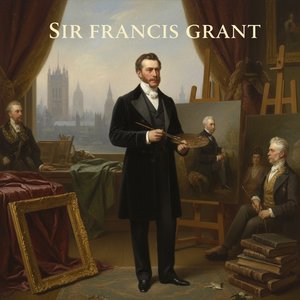
Sir Francis Grant: Portraiture, Patronage & Victorian Society
Explore the life & work of Sir Francis Grant, a leading Victorian portraitist. Discover his aristocratic clientele, role at the Royal Academy, and enduring artistic legacy. Learn about art patronage in 19th-century Britain.
Francis Bacon: Cele Mai Iconice Lucrări – Artă Expresionistă pentru Decor Rafinat
Descoperă cele mai iconice 25 de lucrări ale lui Francis Bacon – picturi expresioniste pline de emoție și forță. Explorează biografia artistului, tehnicile sale unice și impactul asupra artei moderne. Reproduceri artă de calitate muzeală pe OriginalUniqueArt.com!

Sir Alfred James Munnings: Cele Mai Iubite 25 de Capodopere – Artă Excepțională pentru Decorul Casei Tale
Descoperă cele mai frumoase 25 de picturi ale lui Alfred James Munnings! Explorează capodoperele impresionismului britanic, scene rurale vibrante și arta ecvestră. Reproduceri de artă de calitate muzeală pentru decorul casei tale pe OriginalUniqueArt.com
Sir Frederic Leighton: Aestheticism, Academic Mastery & Victorian Masculinity
Explore the life & art of Sir Frederic Leighton, a master of Victorian Aestheticism. Discover his academic training, sculptural innovations, and captivating depictions of beauty. Expert insights for collectors.



