
 Previzualizare
 Trimite prin felicitare
 Distribuie
 Detalii despre lucrare
 Ghid
Ghid

 Descarcă imaginea
 Produse similare
 Radiografie
 Galerie foto
 Întrebări și răspunsuri
 Statistici
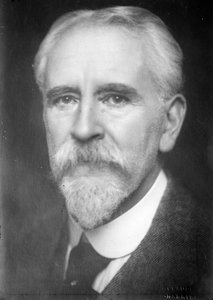
John Belcher

- 127.0 x 102.0 cm


 Vezi mai mult
Giclée / Imprimare artistică
Printuri giclée sau pe canvas de calitate muzeală, cu proces de producție rapid și opțiuni flexibile de finisare. ( Comandă pictură realizată manual Comută pe Imagine Digitală)




P118B lei10

P118H lei10

P118W lei10

P438Z lei10

P508JH lei12

P508YH lei12

P805H lei10

P805Z lei10

P919BZ lei10

P919G lei10

P919XJ lei10

P959ZH lei10

P968JZ lei12

W106C lei8

W218G lei10

W218JH lei8

W218Y lei10

W307PJ lei10

W316G lei10

W316PJ lei8

W316Y lei10

W398PJ lei8

W4111J lei10

W500HY lei15

W500JH lei15

W692G lei12

W849H lei8

W940BG lei15

W953PJ lei8




Alegeți dintre dimensiunile noastre prestabilite, care respectă proporțiile originale ale operei de artă.

Introduceți lățimea și înălțimea necesare pentru a se potrivi ramei sau peretelui dumneavoastră. O printare poate fi doar tăiată, niciodată extinsă dincolo de dimensiunea imaginii originale, astfel încât o dimensiune cu o formă diferită va pierde o parte din imagine. Vă trimitem o simulare digitală pentru aprobare înainte de a imprima orice. Imaginea afișată pe această pagină nu prezintă tăierea reală — doar simularea arată acest lucru.
Livrare în întreaga lume () în 2 săptămâni, în loc de cele 4/5 săptămâni standard. (3 Noiembrie)

Livrare expres gratuită la nivel mondial

Pânză de in de înaltă calitate

Asigurare completă pentru transport

Garanție de rambursare a taxelor vamale

Garanția fidelității culorilor

Politica de retur în 100 de zile (doar pentru defecte de fabricație)

Garanție de rambursare 100%

Ofertă pentru comenzi multiple
 Opțiunea cu sticlă este disponibilă doar pentru dimensiuni de sub 110 cm

John Belcher
Giclée / Imprimare artistică
Dimensiune reproducere
-


Preț total calculat
lei 385
Biografie artist
Sir Frank Dicksee: A Romantic Visionary of the Victorian Era
Sir Francis Bernard Dicksee, known affectionately to many as Frank, stands as a luminous figure in the tapestry of Victorian art history. Born in London in 1853, his life was destined for a profound engagement with the aesthetics of beauty and drama. He did not merely stumble into the world of fine art; rather, he inherited a deep artistic lineage from his father, Thomas Dicksee, whose early guidance instilled in the young artist a reverence for classical technique and narrative power. Growing up in the vibrant atmosphere of Fitzroy Square, Bloomsbury, Dicksee was immersed in a culture where the brushstroke was a tool for storytelling, laying the groundwork for a career that would eventually see him ascend to the highest echelons of the British art establishment.
His formal training began at the Royal Academy Schools in 1870, a period that provided the rigorous technical foundation necessary to execute his grander, more imaginative visions. While his roots were firmly planted in classical discipline, his spirit was deeply intertwined with the burgeoning interest in Pre-Raphaelite aesthetics. Although he was not an official member of the Pre-Rapha lite group, the influence of masters like Dante Gabriel Rossetti and William Holman Hunt is unmistakable in his work. From them, he adopted a commitment to capturing idealized beauty, often infused with mythological or literary references, and a dedication to meticulous detail that demanded the viewer's full, contemplative attention.
The Mastery of Narrative and Emotion
Dicksee’s oeuvre is celebrated for its ability to bridge the gap between historical documentation and romantic dreaming. He possessed a rare gift for transforming literary legends into breathing, emotive realities. One cannot discuss his contribution to art without reflecting on his hauntingly beautiful depiction of La belle dame sans merci. Inspired by the evocative poetry of John Keats, this masterpiece demonstrates his command over composition and expressive brushwork, transporting the viewer into a medieval world of enchantment and melancholy. Similarly, works such as The Mother showcase his ability to pivot from the epic to the intimate, capturing the tender essence of devotion and human connection with breathtaking realism.
Beyond the realm of legend, Dicksee was a master of portraiture, particularly noted for his exquisite renderings of fashionable women. These portraits were more than mere likenesses; they were studies in grace, elegance, and the subtle psychological depths of his subjects. Through the use of layering thin glazes of oil paint, he achieved a remarkable tonal subtlety and an atmospheric depth that allowed light to seem as though it were emanating from within the canvas itself. Whether portraying the contemplative gaze of a gentleman in John Belcher or the refined sophistication of Miss Edith Fitton, his technique always served the ultimate goal of emotional resonance.
Legacy and the Height of Artistic Achievement
The trajectory of Dicksee’s career was marked by consistent prestige and growing influence within the British art world. His talent was recognized early, leading to his election as a member of the Royal Academy in 1891. This ascent culminated in one of the most significant honors an artist could achieve: serving as the President of the Royal Academy in 1924. His contributions to the arts were so profound that he was knighted in 1925, a testament to his status as a pillar of his era. His work remains a vital window into the late nineteenth-century soul, reflecting a period defined by romantic idealism and an unwavering belief in the power of beauty.
Today, the legacy of Sir Frank Dicksee continues to inspire admiration among collectors and historians alike. His paintings, now housed in prestigious institutions such as the Bristol Museum and Art Gallery and the Haslemere Educational Museum, serve as enduring monuments to a vanished age of craftsmanship. He remains a definitive voice of the Victorian era, an artist who could weave together the threads of history, literature, and personal emotion into a seamless, luminous tapestry of light and color.
Sir Francis Bernard (Frank) Dicksee
1853 - 1928
Detalii rapide
- Full Name: Sir Francis Bernard Dicksee
- Nationality: British
- Date Of Birth: 1853
- Date Of Death: 1928
- Place Of Birth: London, England
- Notable Artworks:
- John Belcher
- La belle dame sans merci
- My Lady Fair
- Artistic Movement Or Style: Victorian painting; Pre-Raphaelite influences
- Artists Who Influenced This Artist:
- William Holman Hunt
- John Everett Millais
Articole similare

Sir Alfred James Munnings: Cele Mai Iubite 25 de Capodopere – Artă Excepțională pentru Decorul Casei Tale
Descoperă cele mai frumoase 25 de picturi ale lui Alfred James Munnings! Explorează capodoperele impresionismului britanic, scene rurale vibrante și arta ecvestră. Reproduceri de artă de calitate muzeală pentru decorul casei tale pe OriginalUniqueArt.com

The Enduring Power of Painting: A Historical & Contemporary Exploration of Form and Emotion
Explore the rich history & enduring techniques of oil painting with OriginalUniqueArt. Discover masterpieces, learn about art collecting, and find authentic handmade reproductions crafted by skilled artists.

Sir Joshua Reynolds: Cele Mai Remarcabile 25 de Capodopere – Artă Clasică pentru Decorul Tău
Descoperă cele mai frumoase 25 de picturi ale lui Sir Joshua Reynolds! Portrete clasice, stil neoclasic și capodopere romantice. Găsește inspirație pentru decorul tău și achiziționează reproduceri de artă de calitate muzeală pe OriginalUniqueArt.com.

The Enduring Legacy of Oil on Canvas: Technique, History & Aesthetic Impact
Explore the rich history & techniques of oil painting – from Renaissance masters to Impressionism. Discover pigments, layering methods, and why this timeless medium endures. Expert insights for artists & art enthusiasts.

Oil on Canvas: A Historical & Technical Exploration of a Timeless Artistic Medium
Explore the rich history & enduring techniques of oil painting on canvas. Discover the science behind its longevity, conservation practices, and contemporary relevance. Expert insights for art enthusiasts.