
 Previzualizare
 Trimite prin felicitare
 Distribuie
 Detalii despre lucrare
 Ghid
Ghid

 Descarcă imaginea
 Produse similare
 Radiografie
 Galerie foto
 Întrebări și răspunsuri
 Statistici
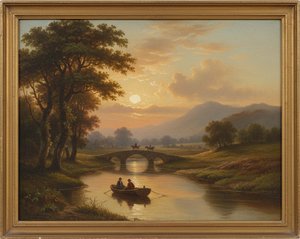
On the Tiber

- 89.0 x 119.0 cm


 Vezi mai mult
Giclée / Imprimare artistică
Printuri giclée sau pe canvas de calitate muzeală, cu proces de producție rapid și opțiuni flexibile de finisare. ( Comandă pictură realizată manual Comută pe Imagine Digitală)




P118B lei10

P118H lei10

P118W lei10

P438Z lei10

P508JH lei12

P508YH lei12

P805H lei10

P805Z lei10

P919BZ lei10

P919G lei10

P919XJ lei10

P959ZH lei10

P968JZ lei12

W106C lei8

W218G lei10

W218JH lei8

W218Y lei10

W307PJ lei10

W316G lei10

W316PJ lei8

W316Y lei10

W398PJ lei8

W4111J lei10

W500HY lei15

W500JH lei15

W692G lei12

W849H lei8

W940BG lei15

W953PJ lei8




Alegeți dintre dimensiunile noastre prestabilite, care respectă proporțiile originale ale operei de artă.

Introduceți lățimea și înălțimea necesare pentru a se potrivi ramei sau peretelui dumneavoastră. O printare poate fi doar tăiată, niciodată extinsă dincolo de dimensiunea imaginii originale, astfel încât o dimensiune cu o formă diferită va pierde o parte din imagine. Vă trimitem o simulare digitală pentru aprobare înainte de a imprima orice. Imaginea afișată pe această pagină nu prezintă tăierea reală — doar simularea arată acest lucru.
Livrare în întreaga lume () în 2 săptămâni, în loc de cele 4/5 săptămâni standard. (6 Noiembrie)

Livrare expres gratuită la nivel mondial

Pânză de in de înaltă calitate

Asigurare completă pentru transport

Garanție de rambursare a taxelor vamale

Garanția fidelității culorilor

Politica de retur în 100 de zile (doar pentru defecte de fabricație)

Garanție de rambursare 100%

Ofertă pentru comenzi multiple
 Opțiunea cu sticlă este disponibilă doar pentru dimensiuni de sub 110 cm

On the Tiber
Giclée / Imprimare artistică
Dimensiune reproducere
-


Preț total calculat
lei 387
On the Tiber – A Tranquil Reflection of Victorian England
Sir Augustus Wall Callcott’s “On the Tiber,” completed in 1840, transcends mere landscape painting; it embodies a profound yearning for serenity and represents a quintessential snapshot of Victorian Britain. Housed at The Mercer Art Gallery in Harrogate, this oil on canvas masterpiece—measuring 89 x 119 cm—captures a scene bathed in diffused sunlight overlooking the Tiber River, offering viewers an immersive experience into a bygone era.
Artistic Elements and Style: Callcott’s masterful approach to composition prioritizes harmony and depth. The artist skillfully employs color palettes dominated by muted blues and greens, mirroring the tranquil waters of the river and the verdant foliage surrounding it. Delicate brushstrokes contribute to a velvety texture that enhances the painting's visual appeal. Furthermore, the inclusion of figures—likely observing the picturesque vista—adds a human element, subtly animating the stillness of the landscape.
- Color Palette: Predominantly blues and greens convey calmness and natural beauty.
- Brushwork: Soft, blended strokes create texture and depth, enhancing realism.
- Composition: Balanced arrangement emphasizes tranquility and invites contemplation.
Historical Context: Created during the Victorian period—a time marked by social reform and artistic innovation—Callcott’s work reflects the prevailing fascination with idealized landscapes as expressions of moral virtue and spiritual solace. The painting aligns perfectly with the Romantic movement's emphasis on emotion and imagination, capturing a moment of sublime beauty.
Symbolism: Beyond its aesthetic qualities, “On the Tiber” carries symbolic resonance. The river itself represents fluidity and renewal, symbolizing passage into a new phase of life. The statues adorning the riverside suggest permanence and grandeur—a reminder of Britain’s rich history and cultural heritage. The birds soaring overhead symbolize freedom and aspiration.
Emotional Impact: Viewing “On the Tiber” evokes feelings of peace, contemplation, and nostalgia for a simpler time. Its luminous quality transports viewers to a sunlit riverside scene, fostering an appreciation for natural beauty and artistic craftsmanship. It’s a piece that speaks to the human desire for respite from the complexities of modern life.
Further Exploration: To delve deeper into Callcott's oeuvre and The Mercer Art Gallery’s impressive collection, visit /art/list/?Filter=AQRRWA-Sir-Augustus-Wall-Callcott-On-the-Tiber and /art/list/?Filter=A@D3CCMT-Discovering-the-Masterpieces-of-The-Mercer-Art-Gallery-Harrogate-United-Kin... Also, consider examining Callcott’s other celebrated works like “Dutch River Scene” ( /art/list/?Filter=AQRRUQ-Sir-Augustus-Wall-Callcott-Dutch-River-Scene) and “Staithes” ( /art/list/?Filter=AQU7H4-Robert-Ernest-Roe-Staithes), showcased at The Mercer Art Gallery alongside works by William Shackleton and Robert Ernest Roe.
Întrebări și răspunsuri
Ce atmosferă conferă "On the Tiber" de Sir Augustus Wall Callcott unui interior?
Atmosfera Serene a operei "On the Tiber" de Sir Augustus Wall Callcott se potrivește perfect spațiului recomandat: un Living Room.
Cum face "On the Tiber" de Sir Augustus Wall Callcott legătura între Romantic Landscape și țara de origine a artistului?
"On the Tiber" a fost creat de Sir Augustus Wall Callcott, născut în Regatul Unit al Marii Britanii și Irlandei, în cadrul mișcării Romantic Landscape. Originea artistului leagă această operă de Romantic Landscape, așa cum este practicat de artiștii din Regatul Unit al Marii Britanii și Irlandei.
Este "On the Tiber" o operă celebră de Romantic Landscape?
"On the Tiber" de Sir Augustus Wall Callcott este clasificată ca fiind Recognized și face parte din mișcarea Romantic Landscape.
Biografie artist
Early Life and Training
Augustus Wall Callcott (1779 – 1844) was an English landscape painter who achieved renown for his serene depictions of British rivers, coasts, and occasionally venturing into figure painting—a rare occurrence for his era. Born in Kensington Gravel Pits, a village nestled on the western edge of London, Callcott’s formative years were steeped in musical pursuits; he sang regularly in the choir of Westminster Abbey, nurturing an artistic sensibility from a young age. This early exposure to music would undoubtedly have instilled a sense of harmony and balance—qualities that would permeate his subsequent artistic endeavors. His formal education commenced at the Royal Academy in 1804, where he studied under the tutelage of John Hoppner, a celebrated portrait painter whose meticulous attention to detail influenced Callcott’s approach to composition and tonal gradation. Hoppner's influence is palpable in Callcott’s canvases, particularly his landscapes which strive for an understated elegance—a deliberate contrast to the grand Romantic style prevalent at the time.Rise to Prominence
Callcott swiftly established himself as a landscape artist of considerable distinction. Abandoning portraiture after 1804, he dedicated himself exclusively to capturing the beauty of the British countryside. His canvases possessed an uncanny ability to convey tranquility and evoke profound emotion—a testament to his masterful command of tonal color and atmospheric perspective. Critics lauded Callcott’s “harmonious blending of hues,” noting a sensitivity to light that mirrored Turner's own groundbreaking innovations. By 1806, he was elected an Associate Academician, marking a pivotal moment in his artistic career and solidifying his position within the Royal Academy—the foremost institution for artistic training in Britain. This honor underscored the recognition of his talent and signaled the beginning of a prolific period characterized by numerous commissions and exhibitions.Notable Works and Exhibitions
Callcott’s oeuvre comprises approximately 300 paintings, predominantly landscapes executed with remarkable precision and imbued with an ethereal quality. Among his most celebrated works are: “The Entrance to the Pool of London” (1816), a dramatic portrayal of the Thames estuary bathed in twilight; “The Mouth of the Tyne” (1818), capturing the rugged majesty of Northumberland’s coastline; “A Dead Calm on the Medway” (1820)—a masterful depiction of stillness and reflection—and “Rochester” (1824), commemorating Wordsworth's beloved retreat. Furthermore, Callcott produced a singular foray into figure painting – “Raffaelle and the Fornarina” (1837) – housed in the South Kensington Museum’s Sheepshanks Collection. This ambitious undertaking demonstrated Callcott’s versatility and showcased his ability to convey human emotion within a landscape setting—a stylistic departure that distinguished him from many of his contemporaries.Legacy and Later Life
Callcott received the prestigious knighthood bestowed upon Queen Victoria in 1837, acknowledging his contribution to British art and culture. He served as Surveyor of the Queen’s Pictures from 1843 until his death in November 1844, overseeing the curation and preservation of royal artworks—a role that cemented his reputation as a respected connoisseur and guardian of artistic heritage. Callcott was interred at Kensal Green Cemetery, alongside numerous luminaries of Victorian society, ensuring his enduring presence within London’s historic necropolis. His landscapes continue to inspire admiration for their understated beauty and masterful execution, securing his place as one of the most influential figures in Romantic landscape painting.
Sir Augustus Wall Callcott
1779 - 1844 , Regatul Unit al Marii Britanii și Irlandei
Detalii rapide
- Artistic Movement Or Style: Romantic Landscape Painting
- Artists Or Movements Influenced By This Artist: ['Turner']
- Artists Who Influenced This Artist: ['John Hoppner']
- Date Of Birth: Feb 20, 1779
- Date Of Death: Nov 25, 1844
- Full Name: Augustus Wall Callcott
- Nationality: British
- Notable Artworks:
- The Entrance to the Pool of London
- The Mouth of the Tyne
- A Dead Calm on the Medway
- Rochester
- Raffaelle and the Fornarina
- Place Of Birth: Kensington, UK
Articole similare
Sir Augustus Wall Callcott: A Life Painted with Light & Atmosphere
Explore the life & art of Sir Augustus Wall Callcott, a celebrated British landscape painter known for his serene scenes and elegant compositions. Discover his Romantic influences & lasting legacy at OriginalUniqueArt.

Peisaje Romantice Iconice: 10 Capodopere Artistice pentru Decorul de Lux
Descoperă 10 capodopere romantice iconice de Caspar David Friedrich, Turner și alți maeștri. Explorează istoria artei, emoțiile din peisaje și găsește tablouri canvas perfecte pentru decorul tău pe OriginalUniqueArt.com!

Sir Alfred James Munnings: Cele Mai Iubite 25 de Capodopere – Artă Excepțională pentru Decorul Casei Tale
Descoperă cele mai frumoase 25 de picturi ale lui Alfred James Munnings! Explorează capodoperele impresionismului britanic, scene rurale vibrante și arta ecvestră. Reproduceri de artă de calitate muzeală pentru decorul casei tale pe OriginalUniqueArt.com

Sir Joshua Reynolds: Cele Mai Remarcabile 25 de Capodopere – Artă Clasică pentru Decorul Tău
Descoperă cele mai frumoase 25 de picturi ale lui Sir Joshua Reynolds! Portrete clasice, stil neoclasic și capodopere romantice. Găsește inspirație pentru decorul tău și achiziționează reproduceri de artă de calitate muzeală pe OriginalUniqueArt.com.

John Constable: Cele Mai Frumoase 25 de Capodopere – Artă Clasică pentru Decorul Casei Tale
Descoperă cele mai frumoase 25 de picturi ale lui John Constable, maestru al peisajului englezesc! Explorează stilul romantic, Dedham Vale și capodopere precum The Hay Wain. Reproduceri artă clasică pentru decorul casei tale – OriginalUniqueArt.com.
