

 Vezi în context
 Trimite
 Distribuie
 Detalii
 Ghidul

 Descarcă
 Produse similare
 Radiografie
 Diaporama
 Statistici
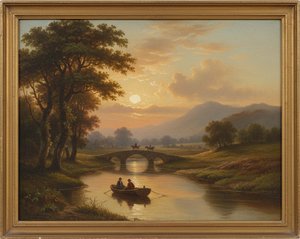
Edward Whitaker Gray (1748–1806)
 Oil On Canvas
- WallArt
- Romantic Landscape Painting
 1800
1800 75.0 x 63.0 cm
 Royal Society
 Citește mai mult
Giclée / Imprimare artistică
Printuri giclée sau pe canvas de calitate muzeală, cu proces de producție rapid și opțiuni flexibile de finisare. ( Comandă pictură realizată manual Treci la imagine digitală)




P118B $10

P118H $10

P118W $10

P438Z $10

P508JH $12

P508YH $12

P805H $10

P805Z $10

P919BZ $10

P919G $10

P919XJ $10

P959ZH $10

P968JZ $12

W106C $8

W218G $10

W218JH $8

W218Y $10

W307PJ $10

W316G $10

W316PJ $8

W316Y $10

W398PJ $8

W4111J $10

W500HY $15

W500JH $15

W692G $12

W849H $8

W940BG $15

W953PJ $8




Alegeți dintre dimensiunile noastre prestabilite, care respectă proporțiile originale ale operei de artă.

Puteți introduce propriile dimensiuni pentru a se potrivi unui anumit cadru sau spațiu. Dacă dimensiunea selectată nu corespunde proporțiilor imaginii originale, vom decupa lucrarea de artă sau vom extinde imaginea cu margini oglindite sau cu o culoare uniformă. Un mockup digital va fi trimis pentru aprobarea dumneavoastră înainte de începerea producției.
Vă rugăm să rețineți că previzualizarea de pe ecran nu reflectă decuparea sau extinderea reală. Doar mockup-ul va arăta cu exactitate compoziția finală.
Deși dimensiunile personalizate sunt disponibile, vă recomandăm să selectați o dimensiune din lista predefinită pentru a păstra proporțiile originale.
Livrare în întreaga lume () în 2 săptămâni, în loc de cele 4/5 săptămâni standard. (27 Septembrie)

Livrare expres gratuită la nivel mondial

Pânză de in premium

Asigurare completă pentru transport

Garanție de rambursare a taxelor vamale

Garanția fidelității culorilor

Politica de retur în 100 de zile (doar pentru defecte)

Garanție de rambursare 100%

Reducere pentru comenzi multiple
 Opțiunea cu sticlă este disponibilă doar pentru dimensiuni de sub 110 cm

Edward Whitaker Gray (1748–1806)
Giclée / Imprimare artistică
Dimensiune reproducere
-


Preț total
$ 80
Edward Whitaker Gray (1748–1806): A Portrait of Dignified Observation
Edward Whitaker Gray (1748–1806) stands as a testament to the neoclassical aesthetic—a genre defined by its unwavering commitment to realism, clarity, and order. This striking portrait captures the essence of a man whose gaze holds both intellectual curiosity and quiet composure, reflecting the spirit of Enlightenment Britain. Commissioned likely during Gray’s tenure as secretary to the Royal Society, the artwork embodies the values of scientific inquiry and aristocratic refinement prevalent in his era.- Subject Matter: The portrait depicts Edward Whitaker Gray himself, a botanist renowned for his meticulous cataloguing of plant specimens and contributions to Linnaean taxonomy. His dignified posture conveys authority and intellectual prowess—a reflection of his prominent role within the scientific community.
- Style & Technique: Executed in monochrome, primarily graphite and charcoal, the piece exemplifies the precision characteristic of neoclassical drawing. Artists like Gray favored detailed hatching and cross-hatching to achieve tonal variations and convincingly render volume, creating a palpable sense of depth and texture. The artist’s masterful handling of light and shadow—known as chiaroscuro—further enhances the dramatic effect, emphasizing the contours of Gray's face and clothing.
- Composition: The portrait employs a three-quarter profile view, positioning Gray’s head and shoulders centrally within the frame. This deliberate compositional choice directs the viewer’s attention to his countenance, allowing for an intimate study of his expression and features. The dark background serves as a counterpoint to the illuminated subject, amplifying the impact of the light source—positioned from the left—which casts deep shadows on Gray's right side.
- Historical Context: Gray’s work aligns seamlessly with the broader intellectual currents of the late 18th century. The neoclassical style championed reason and observation as tools for understanding the natural world, mirroring Gray’s scientific pursuits. Furthermore, portraits like this served as symbols of social status and familial lineage—affirming the importance of aristocratic patronage in supporting artistic endeavors.
- Symbolic Elements: Gray's solemn expression speaks to a profound seriousness of purpose – an unwavering dedication to scientific exploration and intellectual contemplation. The attire—formal robes indicative of his position within the Royal Society—underscores his status as a respected scholar and statesman, embodying the ideals of Enlightenment thought.
Detailed Examination: Line Work & Texture Rendering
The artist’s meticulous attention to detail is evident in the intricate line work that defines Gray's facial features and clothing folds. Hatching and cross-hatching techniques skillfully convey tonal gradations, creating a convincing illusion of surface texture—particularly noticeable in the wig’s voluminous curls and the fabric of Gray’s jacket. The subtle variations in linework contribute to the overall sense of realism, immersing the viewer in the likeness of Gray himself. Graphite and charcoal were favored mediums for capturing nuanced shades of gray, allowing artists like Gray to achieve remarkable expressive power.Material Considerations: Charcoal & Paper
Based on visual analysis, it’s probable that Gray utilized graphite and charcoal—perhaps supplemented with black ink—on paper or canvas. Graphite offered exceptional control over tonal values, facilitating the creation of subtle gradations essential for achieving chiaroscuro effects. Charcoal provided a darker pigment capable of producing dramatic contrasts—a technique favored by neoclassical painters to heighten visual impact and convey emotional depth. The choice of paper—likely linen—would have ensured durability and stability, preserving the artwork’s integrity across generations.Overall Impression & Artistic Legacy
Ultimately, Gray's portrait transcends mere representation; it embodies the intellectual spirit of its time—a celebration of observation, reason, and dignified contemplation. Its enduring appeal lies in its masterful execution—the artist’s ability to capture not only Gray’s physical likeness but also his inner character—solidifying his place as a pivotal figure within neoclassical art history.Biografie artist
Early Life and Training
Augustus Wall Callcott (1779 – 1844) was an English landscape painter who achieved renown for his serene depictions of British rivers, coasts, and occasionally venturing into figure painting—a rare occurrence for his era. Born in Kensington Gravel Pits, a village nestled on the western edge of London, Callcott’s formative years were steeped in musical pursuits; he sang regularly in the choir of Westminster Abbey, nurturing an artistic sensibility from a young age. This early exposure to music would undoubtedly have instilled a sense of harmony and balance—qualities that would permeate his subsequent artistic endeavors. His formal education commenced at the Royal Academy in 1804, where he studied under the tutelage of John Hoppner, a celebrated portrait painter whose meticulous attention to detail influenced Callcott’s approach to composition and tonal gradation. Hoppner's influence is palpable in Callcott’s canvases, particularly his landscapes which strive for an understated elegance—a deliberate contrast to the grand Romantic style prevalent at the time.Rise to Prominence
Callcott swiftly established himself as a landscape artist of considerable distinction. Abandoning portraiture after 1804, he dedicated himself exclusively to capturing the beauty of the British countryside. His canvases possessed an uncanny ability to convey tranquility and evoke profound emotion—a testament to his masterful command of tonal color and atmospheric perspective. Critics lauded Callcott’s “harmonious blending of hues,” noting a sensitivity to light that mirrored Turner's own groundbreaking innovations. By 1806, he was elected an Associate Academician, marking a pivotal moment in his artistic career and solidifying his position within the Royal Academy—the foremost institution for artistic training in Britain. This honor underscored the recognition of his talent and signaled the beginning of a prolific period characterized by numerous commissions and exhibitions.Notable Works and Exhibitions
Callcott’s oeuvre comprises approximately 300 paintings, predominantly landscapes executed with remarkable precision and imbued with an ethereal quality. Among his most celebrated works are: “The Entrance to the Pool of London” (1816), a dramatic portrayal of the Thames estuary bathed in twilight; “The Mouth of the Tyne” (1818), capturing the rugged majesty of Northumberland’s coastline; “A Dead Calm on the Medway” (1820)—a masterful depiction of stillness and reflection—and “Rochester” (1824), commemorating Wordsworth's beloved retreat. Furthermore, Callcott produced a singular foray into figure painting – “Raffaelle and the Fornarina” (1837) – housed in the South Kensington Museum’s Sheepshanks Collection. This ambitious undertaking demonstrated Callcott’s versatility and showcased his ability to convey human emotion within a landscape setting—a stylistic departure that distinguished him from many of his contemporaries.Legacy and Later Life
Callcott received the prestigious knighthood bestowed upon Queen Victoria in 1837, acknowledging his contribution to British art and culture. He served as Surveyor of the Queen’s Pictures from 1843 until his death in November 1844, overseeing the curation and preservation of royal artworks—a role that cemented his reputation as a respected connoisseur and guardian of artistic heritage. Callcott was interred at Kensal Green Cemetery, alongside numerous luminaries of Victorian society, ensuring his enduring presence within London’s historic necropolis. His landscapes continue to inspire admiration for their understated beauty and masterful execution, securing his place as one of the most influential figures in Romantic landscape painting.
Sir Augustus Wall Callcott
1779 - 1844 , Regatul Unit al Marii Britanii și Irlandei
Informații rapide
- Artistic Movement Or Style: Romantic Landscape Painting
- Artists Or Movements Influenced By This Artist: ['Turner']
- Artists Who Influenced This Artist: ['John Hoppner']
- Date Of Birth: Feb 20, 1779
- Date Of Death: Nov 25, 1844
- Full Name: Augustus Wall Callcott
- Nationality: British
- Notable Artworks:
- The Entrance to the Pool of London
- The Mouth of the Tyne
- A Dead Calm on the Medway
- Rochester
- Raffaelle and the Fornarina
- Place Of Birth: Kensington, UK
Articole conexe
Sir Augustus Wall Callcott: A Life Painted with Light & Atmosphere
Explore the life & art of Sir Augustus Wall Callcott, a celebrated British landscape painter known for his serene scenes and elegant compositions. Discover his Romantic influences & lasting legacy at OriginalUniqueArt.

John Constable: Cele Mai Frumoase 25 de Capodopere – Artă Clasică pentru Decorul Casei Tale
Descoperă cele mai frumoase 25 de picturi ale lui John Constable, maestru al peisajului englezesc! Explorează stilul romantic, Dedham Vale și capodopere precum The Hay Wain. Reproduceri artă clasică pentru decorul casei tale – OriginalUniqueArt.com.

Evocations of Place: A Historical Journey Through Landscape Art
Explore the rich history of landscape art with OriginalUniqueArt. Discover renowned artists, movements like Impressionism & Romanticism, and expert guidance for collecting timeless pieces. Find your perfect serene escape today!

Peisaje Romantice Iconice: 10 Capodopere Artistice pentru Decorul de Lux
Descoperă 10 capodopere romantice iconice de Caspar David Friedrich, Turner și alți maeștri. Explorează istoria artei, emoțiile din peisaje și găsește tablouri canvas perfecte pentru decorul tău pe OriginalUniqueArt.com!

Evoking Atmosphere & Identity: A Journey Through Landscape Painting's History
Explore the rich history of landscape painting! Discover renowned artists, movements like Romanticism, & techniques such as atmospheric perspective. Find inspiration and quality reproductions at OriginalUniqueArt.
