Meniu
Text size

() ·

A painting made for you, by hand

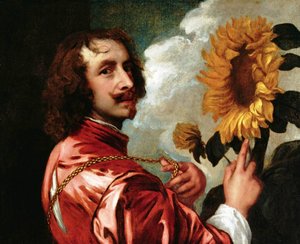
Self-Portrait

Reproducere pictată manual în ulei

Pictură în ulei pe pânză, pictată manual de artiștii noștri la dimensiunea și ramele dorite de dumneavoastră, pe comandă. ( Comută pe versiunea Print Comută pe Imagine Digitală)

Descriere obiect de colecție

Admire Sir Anthony van Dyck’s ‘Self-Portrait,’ a captivating Baroque masterpiece showcasing his elegance and skill. Explore the life & artistry of the Flemish court painter at OriginalUniqueArt.com.

Biografie artist

Sir Anthony van Dyck (1599-1641): Maestru flamand al barocului, renumit pentru portrete elegante de aristocrație engleză & curtea regelui Carol I. Influență majoră în arta englezească, cunoscut pentru scene religioase și stil inovator.

from ·

Chapter 1

How large should it be?

Slide to change the size; the picture on the left shows the frame at its real width. The proportions of the original are kept.

Standard
personalizat
CM
INCH

Alegeți dintre dimensiunile noastre prestabilite, care respectă proporțiile originale ale operei de artă.

lățime
înălțime

Introduceți lățimea și înălțimea necesare pentru a se potrivi ramei sau peretelui dumneavoastră. Această lucrare este pictată manual, așa că, pentru o dimensiune cu o formă diferită, artistul poate picta puțin mai mult în jurul imaginii sau poate tăia puțin din margini — dumneavoastră decideți. Vă vom trimite o simulare digitală pentru aprobare înainte de a începe pictarea. Imaginea afișată pe această pagină nu reprezintă rezultatul real — doar simularea este reprezentativă.

Chapter 2

How should it arrive?

Choose the edges of the stretched canvas

Choose your frame

Corner sample of the WhiteWrap canvas edge finish, stretched on lemn masiv bars
White lei1
Corner sample of the BlurSideWrap canvas edge finish, stretched on lemn masiv bars
Blurside lei1
Corner sample of the ExtendedWrap canvas edge finish, stretched on lemn masiv bars
Extended lei1
Corner sample of the P118B picture frame: polistiren turnat, 5 cm wide and 3 cm thick
P118B lei10
Corner sample of the P118H picture frame: polistiren turnat, 5 cm wide and 3 cm thick
P118H lei10
Corner sample of the P118W picture frame: polistiren turnat, 5 cm wide and 3 cm thick
P118W lei10
Corner sample of the P438Z picture frame: polistiren turnat, 5.5 cm wide and 3.5 cm thick
P438Z lei10
Corner sample of the P508JH picture frame: polistiren turnat, 7 cm wide and 3.5 cm thick
P508JH lei12
Corner sample of the P508YH picture frame: polistiren turnat, 7 cm wide and 3.5 cm thick
P508YH lei12
Corner sample of the P805H picture frame: polistiren turnat, 5 cm wide and 3.5 cm thick
P805H lei10
Corner sample of the P805Z picture frame: polistiren turnat, 5 cm wide and 3.5 cm thick
P805Z lei10
Corner sample of the P919BZ picture frame: polistiren turnat, 7 cm wide and 3.5 cm thick
P919BZ lei10
Corner sample of the P919G picture frame: polistiren turnat, 7 cm wide and 3.5 cm thick
P919G lei10
Corner sample of the P919XJ picture frame: polistiren turnat, 7 cm wide and 3.5 cm thick
P919XJ lei10
Corner sample of the P959ZH picture frame: polistiren turnat, 5 cm wide and 3 cm thick
P959ZH lei10
Corner sample of the P968JZ picture frame: polistiren turnat, 6 cm wide and 4 cm thick
P968JZ lei12
Corner sample of the W106C picture frame: lemn masiv, 5 cm wide and 3 cm thick
W106C lei8
Corner sample of the W218G picture frame: lemn masiv, 5 cm wide and 3 cm thick
W218G lei10
Corner sample of the W218JH picture frame: lemn masiv, 5 cm wide and 3 cm thick
W218JH lei8
Corner sample of the W218Y picture frame: lemn masiv, 5 cm wide and 3 cm thick
W218Y lei10
Corner sample of the W307PJ picture frame: lemn masiv, 6 cm wide and 3 cm thick
W307PJ lei10
Corner sample of the W316G picture frame: lemn masiv, 6 cm wide and 3 cm thick
W316G lei10
Corner sample of the W316PJ picture frame: lemn masiv, 6 cm wide and 3 cm thick
W316PJ lei8
Corner sample of the W316Y picture frame: lemn masiv, 6 cm wide and 3 cm thick
W316Y lei10
Corner sample of the W398PJ picture frame: lemn masiv, 5 cm wide and 3 cm thick
W398PJ lei8
Corner sample of the W4111J picture frame: lemn masiv, 6.5 cm wide and 3.5 cm thick
W4111J lei10
Corner sample of the W500HY picture frame: lemn masiv, 7 cm wide and 5 cm thick
W500HY lei15
Corner sample of the W500JH picture frame: lemn masiv, 7 cm wide and 5 cm thick
W500JH lei15
Corner sample of the W692G picture frame: lemn masiv, 8 cm wide and 4 cm thick
W692G lei12
Corner sample of the W849H picture frame: lemn masiv, 5 cm wide and 3 cm thick
W849H lei8
Corner sample of the W940BG picture frame: lemn masiv, 7.5 cm wide and 4.5 cm thick
W940BG lei15
Corner sample of the W953PJ picture frame: lemn masiv, 6 cm wide and 3.5 cm thick
W953PJ lei8
Corner sample of the H24-GOLD picture frame: lemn sculptat cu gesso, 10 cm wide and 6 cm thick
H24-GOLD lei30
Corner sample of the H24-SILVER picture frame: lemn sculptat cu gesso, 10 cm wide and 6 cm thick
H24-SILVER lei30
Corner sample of the H36-GOLD picture frame: lemn sculptat cu gesso, 15 cm wide and 6.5 cm thick
H36-GOLD lei45
Corner sample of the H36-SILVER picture frame: lemn sculptat cu gesso, 15 cm wide and 6.5 cm thick
H36-SILVER lei45

Moulding: . Overall size with the frame: .

Chapter 3

Who paints it, and should anything change?

Examples of what can be changed: Replace face with customer photo; Add pet (e.g., replace cat with dog); Include hidden message in background; Change background landscape or elements.
After order, OriginalUniqueArt.com team will email client for instructions and provide a mockup preview

Livrare în întreaga lume () în 3-4 săptămâni, în loc de cele 5 săptămâni standard. (31 Octombrie). Fără compromisuri în ceea ce privește calitatea.

Chapter 4

The finishing touches

A nameplate, as in a museum?

Detalii plăcuță din bronz gravat

This elegant plaque features the artist's name and the title of the artwork, finely engraved for a timeless presentation.

It is made from bronze with a refined, elegant finish. The text is precisely laser-engraved for a sharp and permanent result. Measuring 9x2 cm, the plaque is compact yet easy to read. It's built to be durable and scratch-resistant, offering a professional, museum-quality look. Mounting is simple thanks to the included adhesive backing.

Detalii plăcuță din acril transparent

The plaque includes essential engraved details such as the artist's name, the title of the artwork, the date it was created, the type of media used-like oil on canvas or watercolor-a brief description of the piece, and a QR code that links to the complete artwork information.

It is crafted from clear acrylic, offering a sleek, modern appearance. The text is UV-engraved in black to ensure strong visual contrast. With a size of 10x15 cm, it ensures optimal readability. It comes equipped with two metal hooks for secure wall mounting. The plaque is designed to be weather-resistant, making it suitable for various environments, and it includes interactive features that work seamlessly with smartphone scanning.

Detalii placă din acril negru

This elegant plaque includes engraved information such as the artist's name, the title of the artwork, the date it was created, the type of media used (like oil on canvas or watercolor), a short description of the artwork, and a QR code for quick access to more information.

The plaque itself is made from refined black acrylic with a premium finish. The text is laser-engraved in white for high contrast and readability. Its size is 10x15 cm, designed to be easy to read. It comes with two metal hooks for professional mounting. The design is sleek and fits any interior style. It is also weather-resistant and durable, with built-in digital integration for mobile compatibility.

A protective varnish?

When do you need it?

Chapter 5

Your painting, as you ordered it

Self-Portrait

Tehnică de reproducere

Dimensiune reproducere

-

Selecție de artiști de elită

Mai multe detalii, rafinament și timp suplimentar de execuție

-

Ramă pentru reproducere artistică

-

-

Pentru opere de artă sau reproduceri care depășesc 105 cm (aproximativ 41 de inch) pe oricare dintre laturi, cadrul va fi livrat demontat, sub formă de kit. Această metodă asigură o livrare sigură și previne deteriorarea în timpul transportului.

Este necesară asamblarea profesională – acest produs nu este de tip DIY (de făcut singur).
Kitul trebuie asamblat, iar pânza întinsă, de către un legător de cadre experimentat, utilizând adeziv pentru lemn (neinclus în colet), o cheie pentru întinderea pânzei și cleme pentru a menține barele la unghi drept în timp ce adezivul se usucă. Asamblarea incorectă sau tensiunea neuniformă a pânzei pot deteriora permanent opera de artă și nu sunt acoperite de garanția noastră.

  • Toate barele din lemn masiv sunt incluse, tăiate cu precizie la dimensiunea necesară.

  • Asamblat cu șuruburile incluse, plus adeziv pentru lemn pentru îmbinările de colț, care nu este furnizat și trebuie achiziționat de către tâmplarul dumneavoastră.

  • Sunt necesare unelte profesionale care nu sunt incluse: o șipte de întindere a pânzei (tensionator) și cleme pentru a menține barele la unghi drept în timp ce adezivul se usucă.

Important:
Îmbinările de colț necesită adeziv pentru lemn, barele trebuie fixate cu clești de strângere până când adezivul este complet uscat, iar întinderea pânzei pe cadrul asamblat necesită un clește pentru întins pânza. Niciunul dintre aceste elemente nu este inclus în kit. Vă rugăm să consultați un încadrator profesionist cu experiență înainte de a comanda această dimensiune.

Etichetă de prezentare

-

-

Lac de protecție

Lac lucios (intensifică nuanțele și oferă protecție împotriva luminii și a umidității)

-

Personalizează opera mea de artă

Exemple de elemente ce pot fi personalizate: Înlocuirea feței cu fotografia clientului; Adăugarea unui animal de companie (de exemplu, înlocuirea unei pisici cu un câine); Includerea unui mesaj ascuns în fundal; Modificarea peisajului sau a elementelor din fundal.

-

Livrare rapidă

Livrare la nivel mondial () în 3-4 săptămâni, în loc de cele 5 săptămâni standard. (31 Octombrie). Fără compromisuri când vine vorba de calitate.

-

Livrare rapidă

Livrare la nivel mondial () în 5 săptămâni. (7 Noiembrie).

Inclus

Preț total calculat

lei 1408

Preț total lei 1408

Opțiunea cu sticlă este disponibilă doar pentru dimensiuni de sub 110 cm

Included with every order

  • Livrare expres gratuită la nivel mondial
  • Pânză de in de înaltă calitate
  • Asigurare completă pentru transport
  • Garanție de rambursare a taxelor vamale
  • Garanția fidelității culorilor
  • Politica de retur în 100 de zile (doar pentru defecte de fabricație)
  • Garanție de rambursare 100%
  • Ofertă pentru comenzi multiple

A Portrait of Power and Grace: Sir Anthony van Dyck’s Self-Portrait

Sir Anthony van Dyck's 1632 self-portrait offers an intimate glimpse into the mind of one of the most celebrated portraitists of the Baroque era. More than a simple likeness, this painting is a carefully constructed statement about artistic identity, ambition, and the burgeoning confidence of a rising star. Measuring a modest 79 x 62 cm, it’s deceptively rich in detail – a testament to van Dyck's meticulous technique and his profound understanding of human form and expression. The blurred background immediately draws the eye to the central figure, emphasizing his presence and inviting us into a private moment.

Van Dyck, born in Antwerp in 1599, rapidly ascended through the ranks of Flemish art, initially apprenticed under Hendrick van Balen before finding his true voice under the tutelage of Peter Paul Rubens. This formative period instilled within him a deep appreciation for dynamic composition, vibrant color palettes, and masterful use of light – elements that would become hallmarks of his distinctive style. However, unlike Rubens’ often theatrical grandeur, Van Dyck cultivated an elegance and refinement, a subtle sophistication that quickly established him as the premier court painter in England.

The Anatomy of Confidence: Style and Technique

Painted during a pivotal period of his career – just before he secured his position at Charles I's court – this self-portrait reveals much about Van Dyck’s artistic approach. Note the remarkably realistic depiction of his features, achieved through careful observation and an understanding of anatomy gleaned from extensive study. The slightly turned head, with its direct gaze towards the viewer, conveys a sense of quiet authority and engagement. His meticulously rendered beard, a fashionable trend at the time, adds to the image’s dignified composure.

Van Dyck's mastery lies not just in his ability to capture likeness but also in his skillful manipulation of light and shadow. The soft, diffused lighting creates a sense of depth and volume, highlighting the contours of his face and clothing. The subtle gradations of tone – from the dark shadows beneath his chin to the highlights on his forehead – contribute significantly to the painting’s overall atmosphere of serenity and self-assuredness. He employed a technique known as *sfumato*, borrowed from Leonardo da Vinci, creating hazy outlines that soften edges and add an ethereal quality.

Symbolism and Context: A Royal Portraitist

The black shirt worn by Van Dyck is significant; it was the color of choice for court painters at the time, signifying their status and connection to royalty. The rope around his neck, a seemingly simple detail, could be interpreted as a subtle reference to mortality – a poignant reminder of the artist’s own fleeting existence. It's also possible that it represents the burdens and responsibilities associated with his prestigious position.

This self-portrait was created during a period of immense artistic and political change in England. Charles I, who commissioned many of Van Dyck’s portraits, sought to project an image of strength and stability – qualities reflected in the artist's carefully crafted depiction of himself. Van Dyck’s success at court solidified his reputation as a leading figure in English art, influencing generations of portrait painters to come. The painting stands as a powerful symbol of artistic ambition, personal identity, and the enduring legacy of one of the Baroque era’s greatest talents.

Bringing Van Dyck's Vision Home: A Hand-Painted Reproduction

OriginalUniqueArt offers exquisite, hand-painted reproductions of Sir Anthony van Dyck’s “Self-Portrait.” Each reproduction is meticulously crafted by skilled artists who have painstakingly studied the original, ensuring an unparalleled level of accuracy and detail. Unlike digital prints, our hand-painted reproductions capture the nuances of Van Dyck's technique – the subtle gradations of light, the delicate brushstrokes, and the overall atmosphere of elegance and grace. Whether you’re a seasoned art collector or simply seeking to add a touch of Baroque sophistication to your interior design, a OriginalUniqueArt reproduction of this iconic portrait is an investment in timeless beauty and artistic excellence.

Explore the full artwork details and order your hand-painted reproduction today: Click Here

Întrebări și răspunsuri

Cine este autorul operei "Self-Portrait" și din ce curent artistic face parte?

Antoon van Dyck a creat "Self-Portrait", parte a mișcării Baroque Portraiture.

Ce reprezintă "Self-Portrait"?

"Self-Portrait" de Antoon van Dyck surprinde: portraiture, baroque, dutch art, van dyck, england, nobleman, rope, mystery.

Unde ar trebui expusă o reproducere a "Self-Portrait" de Antoon van Dyck?

Cu formatul său Portrait, o reproducere a operei „Self-Portrait” este recomandată pentru un Living Room.

More about this painting

Previzualizare Previzualizare AR Comută pe versiunea Print Comută pe Imagine Digitală Trimite prin felicitare
Detalii despre lucrare Ghid Adaugă la favorite Descarcă imaginea Produse similare Radiografie Galerie foto Q&A Statistici

In numbers

  • 1632the year it was painted
  • 29frames to choose from
  • standard sizes, in its own proportions
  • 5weeks to paint and deliver it
Antoon van Dyck

Antoon van Dyck

1599 - 1641, Belgia

Quick facts about Antoon van Dyck

  • Artistic Movement Or Style: Baroc
  • Artists Or Movements Influenced By This Artist: ['Pictura engleză']
  • Artists Who Influenced This Artist: ['Peter Paul Rubens']
  • Date Of Birth: 22 martie 1599
  • Date Of Death: 9 decembrie 1641
  • Full Name: Sir Anthony van Dyck
  • Nationality: Flemish
  • Notable Artworks:
    • Portret unei femei
    • Portretul regelui Carol I
  • Place Of Birth: Antwerpen, Belgia

Biografie artist

A Flemish Master at the Courts of Europe

Sir Anthony van Dyck, născut în Antwerp în 1599, a răsunat ca unul dintre cei mai remarcabili și influențatori pictori de portret ai epocii Barocului. Viața sa, tragică din punct de vedere al duratei sale, a fost o perioadă plină de explorare artistică și comizii prestigioase care l-au condus din orașul său natal din Flandra spre Italia și, în cele din urmă, către inima curții engleze. De la o vârstă fragedă, van Dyck a demonstrat un talent remarcabil, intrând în atelierul lui Hendrick van Balen ca ucenic tânăr și absorbând rapid stilurile predominante ale vremii. Cu toate acestea, asocierea sa cu Peter Paul Rubens – nu doar ca student, ci și ca colaborator – a modelat fundamental fundația artistică a lui van Dyck. A învățat din dinamismul compozițiilor, paleta bogată de culori și măiestria în utilizarea luminii și umbrei a lui Rubens, dar a început curând să își modeleze propriul drum distinctiv, caracterizat printr-o eleganță și rafinament care au devenit semnăturile sale.

Sărbătoriri italienești și nașterea unui stil

Anii petrecuți în Italia, începând cu aproximativ 1621, au reprezentat o perioadă crucială în dezvoltarea sa artistică. S-a stabilit în principal în Genova, unde a câștigat favorul familiilor aristocratice din oraș. Aici a început să cultive stilul sofisticat pentru care va deveni renumit – un stil marcat de posturi grațioase, țesături luxoase și o senzație palpabilă de nobilitate. Spre deosebire de energia robustă adesea găsită în lucrările lui Rubens, portretele italiene ale lui van Dyck emană o compoziție rafinată, capturând nu doar asemănarea fizică, ci și personalitatea interioară și statutul social al subiectelor sale. În această perioadă, a pornit și el în *Iconografia*, o serie de gravuri meticulos realizate de portret care au prezentat figuri proeminente ale timpului său – artiști, savanți și conducători. Acest proiect a demonstrat abilitățile sale tehnice excepționale și l-a stabilit ca fiind un grafician de top. Aceste gravuri nu au fost doar înregistrări; au fost imagini concepute cu grijă, create pentru a immortaliza subiectele și a transmite statutul și inteligența lor.

Influențe și evoluții

Înainte de a ajunge la curtea englezească, van Dyck a petrecut timp în Flandra, unde a continuat să își perfecționeze stilul, influențat de Rubens, dar dezvoltând o abordare mai individuală. A fost un observator atent al tehnicilor și tendințelor artistice ale vremii, adaptându-le la propriile sale viziuni. În această perioadă, a dezvoltat o înțelegere profundă a anatomiei umane, a perspectivei și a modului de a reda texturile și materialele. Aceste cunoștințe i-au permis să creeze portrete care nu erau doar reprezentări fizice, ci și expresii ale personalității și statutului social al subiectelor sale.

Curtea Regelui Carol I Stuart

În 1632, van Dyck a primit o invitație care a schimbat fundamental traseul său profesional – un apel din partea regelui Carol I Stuart al Angliei pentru a deveni pictorul curții. Această numire a marcat o întorsătură de situație, nu numai pentru van Dyck, ci și pentru pictura englezească. A sosit în Londra cu o reputație considerabilă și a devenit rapid indispensabil regelui, fiind însărcinat să creeze imagini care să proiecteze un aer de putere, măreție și drept divin. Portreteele lui Carol I sunt în special notabile; el a părăsit reprezentările rigide și formale favorizate de artiștii anteriori, pictând în schimb regele ca pe un lider dinamic și charismatic. A folosit tehnici inovatoare – iluminare dramatică, gesturi ample și fundaluri bine alese – pentru a crea imagini care erau atât de impresionante vizual, cât și politică. Influența sa s-a extins dincolo de familia regală, modelând cultura vizuală a aristocrației englezești timp de generații. Nu doar că a pictat portrete; a creat o imagine a monarhiei, influențând modul în care regele era perceput timp de peste un secol.

Moștenire și influență durabilă

Decesul prematur al lui van Dyck în 1641 a privajat un talent prodigios, dar moștenirea sa trăiește până astăzi. Impactul său asupra picturii englezești este imens; a stabilit un standard de eleganță și rafinament pe care artiștii următori au încercat să îl imite.
  • Inovație tehnică: A fost un maestru atât al picturii în ulei, cât și al gravării, experimentând constant cu noi tehnici.
  • Stil rafinat: Portretele sale sunt caracterizate de posturi grațioase, țesături luxoase și subtile perspective psihologice.
  • Influență curtoasă: A transformat imaginea monarhiei englezești, creând un limbaj vizual al puterii și prestigiei.
Dincolo de măiestria sa tehnică, van Dyck a avut o capacitate excepțională de a surprinde esența subiectelor sale – personalitatea lor, statutul social și aspirațiile lor. Lucrările sale continuă să captiveze publicul cu frumusețea, eleganța și profunzimea psihologică durabilă. *Copiii Balbi*, *Carol I în trei poziții* și numeroase alte capodopere sunt mărturii ale geniului său, asigurând că Sir Anthony van Dyck rămâne unul dintre cei mai celebrați artiști ai epocii Barocului. Influența sa este încă vizibilă astăzi în modă, fotografie și pictură contemporană, o dovadă a atracției fără timp a artei sale.

Informații rapide

  • Medium: Oil on panel
  • Title: Self-Portrait
  • Artistic style: Elegant portraiture
  • Movement: Baroque
  • Year: 1632
  • Location: Private Collection

Test de cunoștințe despre artă

Fiecare întrebare are un singur răspuns corect.

Întrebare 1:
What is the primary subject of Sir Anthony van Dyck’s ‘Self-Portrait’?
Întrebare 2:
In what year was Sir Anthony van Dyck’s ‘Self-Portrait’ painted?
Întrebare 3:
The blurry background in the ‘Self-Portrait’ serves what purpose?
Întrebare 4:
Sir Anthony van Dyck is best known for his work during which period?
Întrebare 5:
What artistic style is most closely associated with Sir Anthony van Dyck’s work?