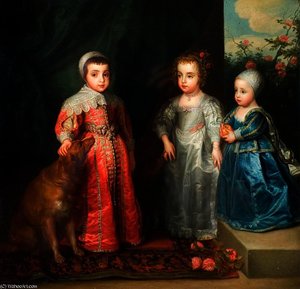
Previzualizare
 Trimite prin felicitare
 Distribuie
 Detalii despre lucrare
 Ghid
Ghid

 Descarcă imaginea
 Produse similare
 Radiografie
 Galerie foto
 Statistici
Deux têtes d
 Oil
Oil- WallArt
- Baroque
 1650
1650 5.0 x 61.0 cm
 Muzeul Fine Arts din Lyon
 Vezi mai mult
Reproducere pictată manual în ulei
Pictură în ulei pe pânză, pictată manual de artiștii noștri la dimensiunea și ramele dorite de dumneavoastră, pe comandă. ( Comută pe versiunea Print Comută pe Imagine Digitală)




P118B lei10

P118H lei10

P118W lei10

P438Z lei10

P508JH lei12

P508YH lei12

P805H lei10

P805Z lei10

P919BZ lei10

P919G lei10

P919XJ lei10

P959ZH lei10

P968JZ lei12

W106C lei8

W218G lei10

W218JH lei8

W218Y lei10

W307PJ lei10

W316G lei10

W316PJ lei8

W316Y lei10

W398PJ lei8

W4111J lei10

W500HY lei15

W500JH lei15

W692G lei12

W849H lei8

W940BG lei15

W953PJ lei8




Alegeți dintre dimensiunile noastre prestabilite, care respectă proporțiile originale ale operei de artă.

Introduceți lățimea și înălțimea necesare pentru a se potrivi ramei sau peretelui dumneavoastră. Această lucrare este pictată manual, așa că, pentru o dimensiune cu o formă diferită, artistul poate picta puțin mai mult în jurul imaginii sau poate tăia puțin din margini — dumneavoastră decideți. Vă vom trimite o simulare digitală pentru aprobare înainte de a începe pictarea. Imaginea afișată pe această pagină nu reprezintă rezultatul real — doar simularea este reprezentativă.
După plasarea comenzii, echipa OriginalUniqueArt.com va contacta clientul prin e-mail pentru instrucțiuni și îi va furniza o previzualizare a machetei
Livrare în întreaga lume () în 3-4 săptămâni, în loc de cele 5 săptămâni standard. (25 Octombrie). Fără compromisuri în ceea ce privește calitatea.

Livrare expres gratuită la nivel mondial

Pânză de in de înaltă calitate

Asigurare completă pentru transport

Garanție de rambursare a taxelor vamale

Garanția fidelității culorilor

Politica de retur în 100 de zile (doar pentru defecte de fabricație)

Garanție de rambursare 100%

Ofertă pentru comenzi multiple
 Opțiunea cu sticlă este disponibilă doar pentru dimensiuni de sub 110 cm

Deux têtes d
Tehnică de reproducere
Dimensiune reproducere
-


Preț total calculat
lei 1389
A Portrait of Shared Intensity: Exploring Van Dyck’s “Deux têtes d”
Sir Anthony van Dyck's "Deux têtes d" – literally, “Two Heads” – is not merely a painting; it’s an arresting tableau of psychological depth and subtle drama. Completed in 1650, this double portrait transcends the conventional formality of courtly portraiture, offering instead a glimpse into a complex exchange between two figures shrouded in shadow and suggestion. The work immediately commands attention with its unusual composition: two male heads, rendered with Van Dyck’s signature meticulous detail and masterful use of light, are presented side-by-side within a dark, almost claustrophobic space. The faces themselves are not overtly expressive – there's no boisterous laughter or triumphant gaze – but rather convey an undercurrent of contemplation, perhaps even unease. The artist’s skill lies in the way he uses darkness and light to create a sense of intimacy and shared experience, inviting the viewer to become an active participant in deciphering the unspoken narrative.
The Master at Work: Technique and Style
Van Dyck's technique is instantly recognizable. He employs a loose, almost impasto application of paint, particularly noticeable in the rendering of the hair and beards – textures that seem to practically leap off the canvas. The use of chiaroscuro—the dramatic contrast between light and dark—is exceptionally sophisticated here. The figures are bathed in a soft, diffused light emanating from an unseen source, while the background plunges into deep shadow, intensifying the sense of intimacy and drawing focus entirely onto the faces. This technique wasn’t simply aesthetic; it was integral to Van Dyck's approach to portraiture. He sought not just to capture likeness but also to convey character—the mood, temperament, and even the inner life of his subjects. The subtle variations in tone and texture across each face contribute significantly to this effect, revealing a remarkable sensitivity to human expression.
Historical Context: Courtly Intrigue and Artistic Influence
"Deux têtes d" was painted during a pivotal period in Van Dyck’s career. Having established himself as the leading court painter for Charles I of England, he was deeply immersed in the world of aristocratic patronage. The painting reflects this environment – it's not a grand, celebratory portrait but rather something more intimate and psychologically probing. It’s believed that the subjects were likely members of the English nobility, possibly connected to a complex web of courtly alliances and rivalries. Van Dyck was heavily influenced by the Italian Renaissance masters, particularly Titian and Raphael, evident in his masterful use of color, composition, and anatomical accuracy. However, he skillfully adapted these influences to create a distinctly personal style—one characterized by elegance, grace, and an unparalleled ability to capture the nuances of human emotion.
Symbolism and Interpretation: A Dialogue Unspoken
The true meaning of “Deux têtes d” remains open to interpretation, adding to its enduring appeal. The positioning of the heads – close together, almost touching – suggests a profound connection between the two figures, yet their averted gazes hint at an unspoken tension or perhaps even a concealed disagreement. Some art historians speculate that the painting represents a philosophical debate, a discussion about morality, politics, or simply the nature of human existence. The shadows enveloping them could symbolize hidden secrets or unresolved conflicts. The lack of explicit narrative allows viewers to project their own interpretations onto the scene, transforming it into a mirror reflecting our own anxieties and desires. It’s this ambiguity—this refusal to offer easy answers—that makes “Deux têtes d” such a compelling and thought-provoking work of art.
The painting's enduring power lies in its ability to evoke a sense of mystery and invite contemplation. Reproductions, meticulously crafted to capture the original’s atmospheric depth and nuanced details, offer a remarkable opportunity to experience Van Dyck’s genius firsthand. Whether displayed as a centerpiece in a grand salon or a subtle addition to a more intimate space, “Deux têtes d” continues to captivate viewers with its arresting composition, masterful technique, and profound psychological insight.
Întrebări și răspunsuri
Există o fișă informativă despre "Deux têtes d" de Antoon van Dyck pentru studenți?
O pagină de Fișă informativă este disponibilă pentru "Deux têtes d" de Antoon van Dyck: o fișă informativă imprimabilă despre operă, concepută pentru elevi și utilizare în mediul școlar.
Unde pot vedea originalul "Deux têtes d" de Antoon van Dyck?
Originalul "Deux têtes d" de Antoon van Dyck este păstrat la Muzeul Fine Arts din Lyon, Lyon, Franța. O reproducere permite expunerea operei în propria locuință.
Antoon van Dyck, creatorul operei „Deux têtes d”, este cunoscut și sub alte nume?
Antoon van Dyck este cunoscut și sub numele de Sir Anthony van Dyck, Anthonie van Dyck.
Biografie artist
A Flemish Master at the Courts of Europe
Sir Anthony van Dyck, născut în Antwerp în 1599, a răsunat ca unul dintre cei mai remarcabili și influențatori pictori de portret ai epocii Barocului. Viața sa, tragică din punct de vedere al duratei sale, a fost o perioadă plină de explorare artistică și comizii prestigioase care l-au condus din orașul său natal din Flandra spre Italia și, în cele din urmă, către inima curții engleze. De la o vârstă fragedă, van Dyck a demonstrat un talent remarcabil, intrând în atelierul lui Hendrick van Balen ca ucenic tânăr și absorbând rapid stilurile predominante ale vremii. Cu toate acestea, asocierea sa cu Peter Paul Rubens – nu doar ca student, ci și ca colaborator – a modelat fundamental fundația artistică a lui van Dyck. A învățat din dinamismul compozițiilor, paleta bogată de culori și măiestria în utilizarea luminii și umbrei a lui Rubens, dar a început curând să își modeleze propriul drum distinctiv, caracterizat printr-o eleganță și rafinament care au devenit semnăturile sale.Sărbătoriri italienești și nașterea unui stil
Anii petrecuți în Italia, începând cu aproximativ 1621, au reprezentat o perioadă crucială în dezvoltarea sa artistică. S-a stabilit în principal în Genova, unde a câștigat favorul familiilor aristocratice din oraș. Aici a început să cultive stilul sofisticat pentru care va deveni renumit – un stil marcat de posturi grațioase, țesături luxoase și o senzație palpabilă de nobilitate. Spre deosebire de energia robustă adesea găsită în lucrările lui Rubens, portretele italiene ale lui van Dyck emană o compoziție rafinată, capturând nu doar asemănarea fizică, ci și personalitatea interioară și statutul social al subiectelor sale. În această perioadă, a pornit și el în *Iconografia*, o serie de gravuri meticulos realizate de portret care au prezentat figuri proeminente ale timpului său – artiști, savanți și conducători. Acest proiect a demonstrat abilitățile sale tehnice excepționale și l-a stabilit ca fiind un grafician de top. Aceste gravuri nu au fost doar înregistrări; au fost imagini concepute cu grijă, create pentru a immortaliza subiectele și a transmite statutul și inteligența lor.Influențe și evoluții
Înainte de a ajunge la curtea englezească, van Dyck a petrecut timp în Flandra, unde a continuat să își perfecționeze stilul, influențat de Rubens, dar dezvoltând o abordare mai individuală. A fost un observator atent al tehnicilor și tendințelor artistice ale vremii, adaptându-le la propriile sale viziuni. În această perioadă, a dezvoltat o înțelegere profundă a anatomiei umane, a perspectivei și a modului de a reda texturile și materialele. Aceste cunoștințe i-au permis să creeze portrete care nu erau doar reprezentări fizice, ci și expresii ale personalității și statutului social al subiectelor sale.Curtea Regelui Carol I Stuart
În 1632, van Dyck a primit o invitație care a schimbat fundamental traseul său profesional – un apel din partea regelui Carol I Stuart al Angliei pentru a deveni pictorul curții. Această numire a marcat o întorsătură de situație, nu numai pentru van Dyck, ci și pentru pictura englezească. A sosit în Londra cu o reputație considerabilă și a devenit rapid indispensabil regelui, fiind însărcinat să creeze imagini care să proiecteze un aer de putere, măreție și drept divin. Portreteele lui Carol I sunt în special notabile; el a părăsit reprezentările rigide și formale favorizate de artiștii anteriori, pictând în schimb regele ca pe un lider dinamic și charismatic. A folosit tehnici inovatoare – iluminare dramatică, gesturi ample și fundaluri bine alese – pentru a crea imagini care erau atât de impresionante vizual, cât și politică. Influența sa s-a extins dincolo de familia regală, modelând cultura vizuală a aristocrației englezești timp de generații. Nu doar că a pictat portrete; a creat o imagine a monarhiei, influențând modul în care regele era perceput timp de peste un secol.Moștenire și influență durabilă
Decesul prematur al lui van Dyck în 1641 a privajat un talent prodigios, dar moștenirea sa trăiește până astăzi. Impactul său asupra picturii englezești este imens; a stabilit un standard de eleganță și rafinament pe care artiștii următori au încercat să îl imite.- Inovație tehnică: A fost un maestru atât al picturii în ulei, cât și al gravării, experimentând constant cu noi tehnici.
- Stil rafinat: Portretele sale sunt caracterizate de posturi grațioase, țesături luxoase și subtile perspective psihologice.
- Influență curtoasă: A transformat imaginea monarhiei englezești, creând un limbaj vizual al puterii și prestigiei.
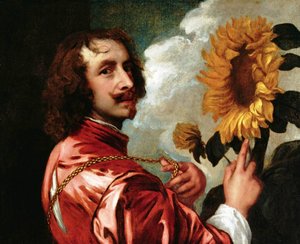
Antoon van Dyck
1599 - 1641 , Belgia
Detalii rapide
- Artistic Movement Or Style: Baroc
- Artists Or Movements Influenced By This Artist: ['Pictura engleză']
- Artists Who Influenced This Artist: ['Peter Paul Rubens']
- Date Of Birth: 22 martie 1599
- Date Of Death: 9 decembrie 1641
- Full Name: Sir Anthony van Dyck
- Nationality: Flemish
- Notable Artworks:
- Portret unei femei
- Portretul regelui Carol I
- Place Of Birth: Antwerpen, Belgia
Articole similare

Rembrandt van Rijn: Cele Mai Frumoase 25 de Capodopere – Artă, Istorie și Decorațiuni Interioare
Descoperă cele mai frumoase 25 de picturi ale lui Rembrandt van Rijn! Explorează capodopere baroce, portrete emoționante și peisaje iconice. Reproduceri de artă de calitate muzeală pentru un design interior rafinat. Descoperă toate operele pe OriginalUniqueArt.com!

Top 10 Capodopere ale Picturii Netherlandeze Timpurii: Frumusețe și Simbolism pentru Decorul Tău
Descoperă top 10 capodopere ale picturii netherlandeze timpurii! Jan van Eyck, Robert Campin și alți maeștri renascentiști. Află poveștile din spatele simbolismului bogat și tehnicilor inovatoare. Reproduceri de artă de calitate muzeală pe OriginalUniqueArt.com.
Sir Anthony van Dyck: Courtly Portraiture & the Shaping of Baroque Identity
Explore the life & legacy of Sir Anthony van Dyck, the leading court painter of his era. Discover his innovative portraiture, Baroque masterpieces, and investment potential for discerning collectors. Learn more at OriginalUniqueArt.
The Grandeur of Baroque Portraiture: Power, Emotion & Artistic Innovation
Explore the grandeur of Baroque portraiture! Discover Rubens, Van Dyck & the masters of 17th-century art. Uncover symbolism, techniques & lasting influence. Expert insights for collectors and enthusiasts.

Barocul în Splendoare: Cele Mai Reprezentative 10 Capodopere Artistice | OriginalUniqueArt.ro
Descoperă splendoarea Barocului! Explorează cele mai importante 10 capodopere ale lui Caravaggio, Rembrandt și Rubens. Află poveștile din spatele picturilor iconice și adu eleganța clasică în casa ta cu reproduceri de artă premium pe OriginalUniqueArt.ro