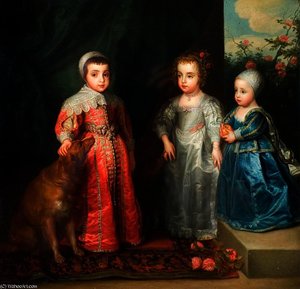
Previzualizare
 Trimite prin felicitare
 Distribuie
 Detalii despre lucrare
 Ghid
Ghid

 Descarcă imaginea
 Produse similare
 Radiografie
 Galerie foto
 Q&A
Q&A Statistici
Abraham and Isaac

- 119.0 x 178.0 cm


 Vezi mai mult
Giclée / Imprimare artistică
Printuri giclée sau pe canvas de calitate muzeală, cu proces de producție rapid și opțiuni flexibile de finisare. ( Comandă pictură realizată manual Comută pe Imagine Digitală)




P118B lei10

P118H lei10

P118W lei10

P438Z lei10

P508JH lei12

P508YH lei12

P805H lei10

P805Z lei10

P919BZ lei10

P919G lei10

P919XJ lei10

P959ZH lei10

P968JZ lei12

W106C lei8

W218G lei10

W218JH lei8

W218Y lei10

W307PJ lei10

W316G lei10

W316PJ lei8

W316Y lei10

W398PJ lei8

W4111J lei10

W500HY lei15

W500JH lei15

W692G lei12

W849H lei8

W940BG lei15

W953PJ lei8




Alegeți dintre dimensiunile noastre prestabilite, care respectă proporțiile originale ale operei de artă.

Introduceți lățimea și înălțimea necesare pentru a se potrivi ramei sau peretelui dumneavoastră. O printare poate fi doar tăiată, niciodată extinsă dincolo de dimensiunea imaginii originale, astfel încât o dimensiune cu o formă diferită va pierde o parte din imagine. Vă trimitem o simulare digitală pentru aprobare înainte de a imprima orice. Imaginea afișată pe această pagină nu prezintă tăierea reală — doar simularea arată acest lucru.
Livrare în întreaga lume () în 2 săptămâni, în loc de cele 4/5 săptămâni standard. (1 Noiembrie)

Livrare expres gratuită la nivel mondial

Pânză de in de înaltă calitate

Asigurare completă pentru transport

Garanție de rambursare a taxelor vamale

Garanția fidelității culorilor

Politica de retur în 100 de zile (doar pentru defecte de fabricație)

Garanție de rambursare 100%

Ofertă pentru comenzi multiple
 Opțiunea cu sticlă este disponibilă doar pentru dimensiuni de sub 110 cm

Abraham and Isaac
Giclée / Imprimare artistică
Dimensiune reproducere
-


Preț total calculat
lei 379
A Testament to Faith: Van Dyck’s Abraham and Isaac
Sir Anthony van Dyck's “Abraham and Isaac,” painted in 1617, is more than just a biblical scene; it’s a profound meditation on faith, obedience, and the agonizing weight of divine command. This masterful work transcends its religious subject matter to become a timeless exploration of human emotion and the complex relationship between man and God. Van Dyck, already establishing his signature style—characterized by elegant portraits and a remarkable ability to capture fleeting expressions—delves into this pivotal narrative with an intensity that resonates deeply even today.
The painting depicts the moment before Abraham is poised to sacrifice Isaac, as recounted in Genesis. The composition is remarkably balanced, drawing the eye immediately to the central figures of the father and son. Abraham, rendered with a dignified sorrow etched onto his face, holds Isaac firmly but gently, conveying both resolve and heartbreaking reluctance. Isaac’s youthful countenance reflects a mixture of apprehension and acceptance—a poignant testament to the boy's unwavering trust in his father’s judgment. The surrounding figures – servants, messengers, and the landscape itself – are rendered with subtle detail, contributing to the overall sense of drama and solemnity.
Baroque Drama: Technique and Composition
Van Dyck’s technical prowess is immediately evident in the painting's rich textures and masterful use of light. He employs a technique known as “sfumato,” blurring the edges of forms to create an atmospheric haze that envelops the scene, intensifying the emotional impact. The deep, saturated colors—particularly the earthy tones of Abraham’s robe and the muted blues of the sky—lend a sense of gravitas and timelessness to the composition. Van Dyck's brushwork is remarkably fluid, particularly in depicting the drapery, which flows with an almost sculptural quality. Note how he uses light to highlight key elements – Isaac’s face, Abraham’s hand – drawing attention to the central drama.
The painting adheres closely to the conventions of Baroque art, but Van Dyck infuses it with a distinctly personal touch. The composition is carefully structured around a triangular arrangement, anchoring the scene and directing the viewer's gaze towards the central figures. The use of perspective creates a sense of depth, drawing the viewer into the narrative and immersing them in the emotional intensity of the moment. Van Dyck’s ability to capture such nuanced emotion within a formal structure is a hallmark of his genius.
Symbolism and Interpretation
“Abraham and Isaac” is laden with symbolic meaning. The ram, sacrificed in place of Isaac, represents divine mercy and substitution—a powerful image of God's willingness to accept alternative offerings in lieu of human sacrifice. The mountain itself – Jehovah-jireh, “the Lord will provide” – symbolizes a moment of faith tested to its limits. It’s not merely a landscape; it’s a stage for the drama of divine revelation and humanity’s response to it.
Beyond the biblical narrative, the painting can be interpreted as an allegory of the human condition—a reflection on the challenges of obedience, the burden of responsibility, and the enduring struggle between faith and doubt. Abraham's anguish mirrors our own moments of uncertainty and moral dilemmas, while Isaac’s youthful acceptance speaks to the power of trust and unwavering belief. The painting invites viewers to contemplate their own relationship with faith, morality, and the choices they make in the face of adversity.
A Legacy of Elegance: Van Dyck's Enduring Influence
Sir Anthony van Dyck’s “Abraham and Isaac” stands as a testament to his artistic skill and profound understanding of human emotion. His masterful technique, combined with a keen awareness of symbolism and narrative depth, elevates the painting beyond a simple depiction of a biblical story. It remains a powerful and moving work of art, admired for its beauty, its emotional resonance, and its enduring relevance. Reproductions of this iconic piece capture the essence of Van Dyck’s genius, offering a glimpse into a world of elegance, drama, and timeless contemplation.
Întrebări și răspunsuri
Ce dimensiune și orientare sunt recomandate pentru o printare a lucrării "Abraham and Isaac" de Antoon van Dyck?
Pentru "Abraham and Isaac", dimensiunea de imprimare recomandată este Large, cu orientarea Landscape.
În ce an și în cadrul cărui curent artistic a fost creată „Abraham and Isaac”?
„Abraham and Isaac” a fost creat în 1617, fiind o operă a mișcării Baroque. Data și stilul ancorează lucrarea în istoria artei.
În ce tehnică este realizată lucrarea "Abraham and Isaac" de Antoon van Dyck?
"Abraham and Isaac" este realizat în Oil On Canvas."
Biografie artist
A Flemish Master at the Courts of Europe
Sir Anthony van Dyck, născut în Antwerp în 1599, a răsunat ca unul dintre cei mai remarcabili și influențatori pictori de portret ai epocii Barocului. Viața sa, tragică din punct de vedere al duratei sale, a fost o perioadă plină de explorare artistică și comizii prestigioase care l-au condus din orașul său natal din Flandra spre Italia și, în cele din urmă, către inima curții engleze. De la o vârstă fragedă, van Dyck a demonstrat un talent remarcabil, intrând în atelierul lui Hendrick van Balen ca ucenic tânăr și absorbând rapid stilurile predominante ale vremii. Cu toate acestea, asocierea sa cu Peter Paul Rubens – nu doar ca student, ci și ca colaborator – a modelat fundamental fundația artistică a lui van Dyck. A învățat din dinamismul compozițiilor, paleta bogată de culori și măiestria în utilizarea luminii și umbrei a lui Rubens, dar a început curând să își modeleze propriul drum distinctiv, caracterizat printr-o eleganță și rafinament care au devenit semnăturile sale.Sărbătoriri italienești și nașterea unui stil
Anii petrecuți în Italia, începând cu aproximativ 1621, au reprezentat o perioadă crucială în dezvoltarea sa artistică. S-a stabilit în principal în Genova, unde a câștigat favorul familiilor aristocratice din oraș. Aici a început să cultive stilul sofisticat pentru care va deveni renumit – un stil marcat de posturi grațioase, țesături luxoase și o senzație palpabilă de nobilitate. Spre deosebire de energia robustă adesea găsită în lucrările lui Rubens, portretele italiene ale lui van Dyck emană o compoziție rafinată, capturând nu doar asemănarea fizică, ci și personalitatea interioară și statutul social al subiectelor sale. În această perioadă, a pornit și el în *Iconografia*, o serie de gravuri meticulos realizate de portret care au prezentat figuri proeminente ale timpului său – artiști, savanți și conducători. Acest proiect a demonstrat abilitățile sale tehnice excepționale și l-a stabilit ca fiind un grafician de top. Aceste gravuri nu au fost doar înregistrări; au fost imagini concepute cu grijă, create pentru a immortaliza subiectele și a transmite statutul și inteligența lor.Influențe și evoluții
Înainte de a ajunge la curtea englezească, van Dyck a petrecut timp în Flandra, unde a continuat să își perfecționeze stilul, influențat de Rubens, dar dezvoltând o abordare mai individuală. A fost un observator atent al tehnicilor și tendințelor artistice ale vremii, adaptându-le la propriile sale viziuni. În această perioadă, a dezvoltat o înțelegere profundă a anatomiei umane, a perspectivei și a modului de a reda texturile și materialele. Aceste cunoștințe i-au permis să creeze portrete care nu erau doar reprezentări fizice, ci și expresii ale personalității și statutului social al subiectelor sale.Curtea Regelui Carol I Stuart
În 1632, van Dyck a primit o invitație care a schimbat fundamental traseul său profesional – un apel din partea regelui Carol I Stuart al Angliei pentru a deveni pictorul curții. Această numire a marcat o întorsătură de situație, nu numai pentru van Dyck, ci și pentru pictura englezească. A sosit în Londra cu o reputație considerabilă și a devenit rapid indispensabil regelui, fiind însărcinat să creeze imagini care să proiecteze un aer de putere, măreție și drept divin. Portreteele lui Carol I sunt în special notabile; el a părăsit reprezentările rigide și formale favorizate de artiștii anteriori, pictând în schimb regele ca pe un lider dinamic și charismatic. A folosit tehnici inovatoare – iluminare dramatică, gesturi ample și fundaluri bine alese – pentru a crea imagini care erau atât de impresionante vizual, cât și politică. Influența sa s-a extins dincolo de familia regală, modelând cultura vizuală a aristocrației englezești timp de generații. Nu doar că a pictat portrete; a creat o imagine a monarhiei, influențând modul în care regele era perceput timp de peste un secol.Moștenire și influență durabilă
Decesul prematur al lui van Dyck în 1641 a privajat un talent prodigios, dar moștenirea sa trăiește până astăzi. Impactul său asupra picturii englezești este imens; a stabilit un standard de eleganță și rafinament pe care artiștii următori au încercat să îl imite.- Inovație tehnică: A fost un maestru atât al picturii în ulei, cât și al gravării, experimentând constant cu noi tehnici.
- Stil rafinat: Portretele sale sunt caracterizate de posturi grațioase, țesături luxoase și subtile perspective psihologice.
- Influență curtoasă: A transformat imaginea monarhiei englezești, creând un limbaj vizual al puterii și prestigiei.
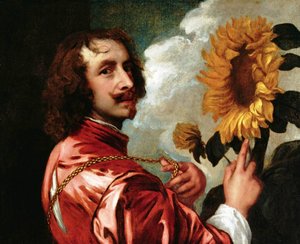
Antoon van Dyck
1599 - 1641 , Belgia
Detalii rapide
- Artistic Movement Or Style: Baroc
- Artists Or Movements Influenced By This Artist: ['Pictura engleză']
- Artists Who Influenced This Artist: ['Peter Paul Rubens']
- Date Of Birth: 22 martie 1599
- Date Of Death: 9 decembrie 1641
- Full Name: Sir Anthony van Dyck
- Nationality: Flemish
- Notable Artworks:
- Portret unei femei
- Portretul regelui Carol I
- Place Of Birth: Antwerpen, Belgia
Articole similare
The Grandeur of Baroque Portraiture: Power, Emotion & Artistic Innovation
Explore the grandeur of Baroque portraiture! Discover Rubens, Van Dyck & the masters of 17th-century art. Uncover symbolism, techniques & lasting influence. Expert insights for collectors and enthusiasts.
Cornelis van Poelenburch: Bridging Mannerism & the Dutch Baroque Landscape
Discover Cornelis van Poelenburch, a pivotal Dutch Baroque landscape painter bridging Mannerism & Italianate styles. Explore his life, key works, and lasting influence on 17th-century art with OriginalUniqueArt.
Sir Anthony van Dyck: Courtly Portraiture & the Shaping of Baroque Identity
Explore the life & legacy of Sir Anthony van Dyck, the leading court painter of his era. Discover his innovative portraiture, Baroque masterpieces, and investment potential for discerning collectors. Learn more at OriginalUniqueArt.

Barocul în Splendoare: Cele Mai Reprezentative 10 Capodopere Artistice | OriginalUniqueArt.ro
Descoperă splendoarea Barocului! Explorează cele mai importante 10 capodopere ale lui Caravaggio, Rembrandt și Rubens. Află poveștile din spatele picturilor iconice și adu eleganța clasică în casa ta cu reproduceri de artă premium pe OriginalUniqueArt.ro

Rembrandt van Rijn: Cele Mai Frumoase 25 de Capodopere – Artă, Istorie și Decorațiuni Interioare
Descoperă cele mai frumoase 25 de picturi ale lui Rembrandt van Rijn! Explorează capodopere baroce, portrete emoționante și peisaje iconice. Reproduceri de artă de calitate muzeală pentru un design interior rafinat. Descoperă toate operele pe OriginalUniqueArt.com!