
 Trimite prin felicitare
 Distribuie
 Detalii despre lucrare
 Ghid
Ghid

 Descarcă imaginea
 Produse similare
 Galerie foto
 Statistici
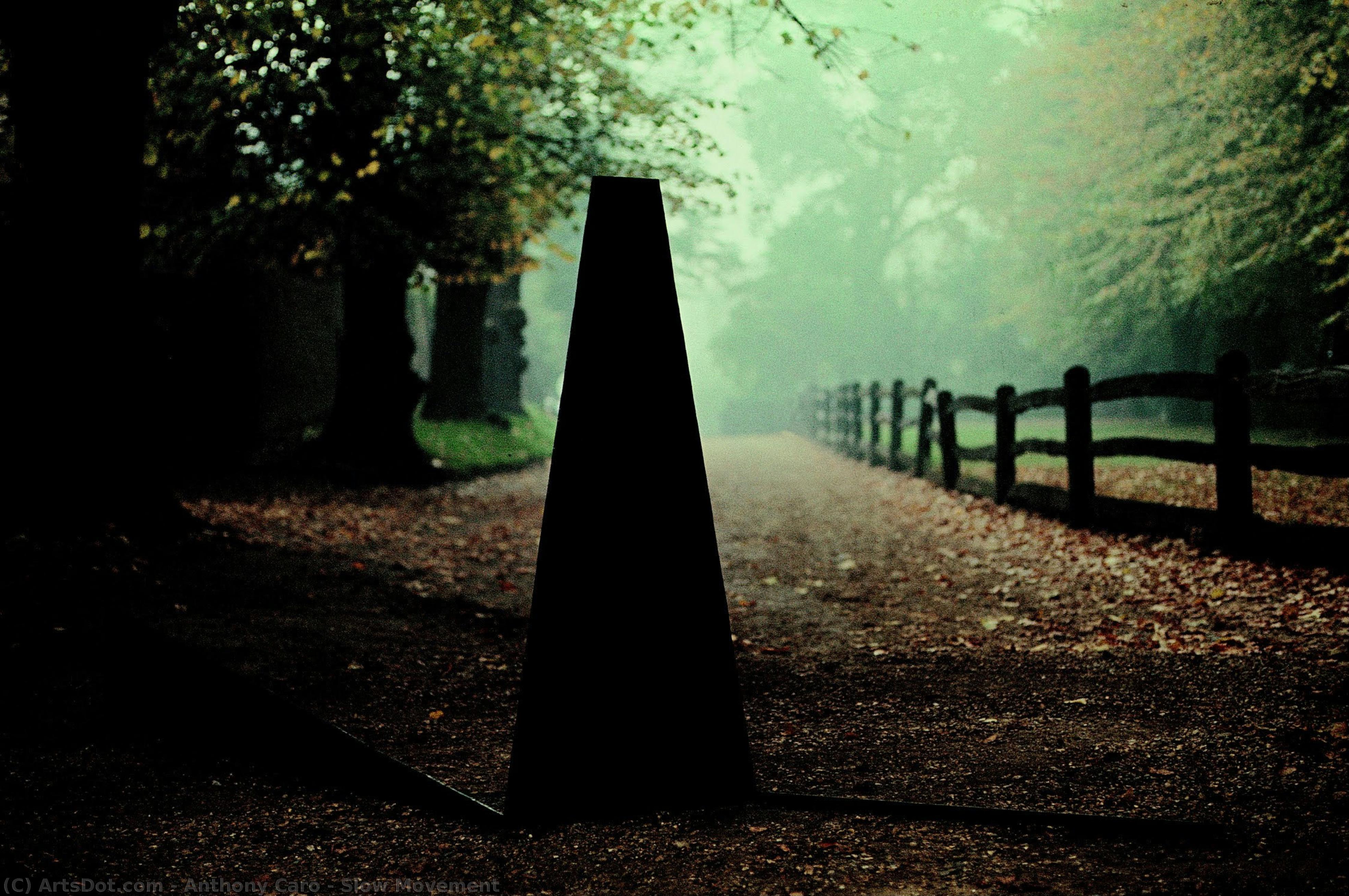
Slow Movement


 Vezi mai mult
Lucrarea de artă afișată pe această pagină este protejată de legile privind drepturile de autor, ceea ce înseamnă că nu putem crea sau vinde în mod legal o reproducere identică. Această protecție este garantată prin acorduri internaționale, precum Convenția de la Berna și de legile naționale, inclusiv cele prevăzute de Legea dreptului de autor din S.U.A. – Titlul 17. Toate drepturile rezervate. Orice reproducere neautorizată este interzisă.
Ca alternativă respectuoasă și legală, oferim tablouri pictate manual, personalizate, inspirate de original. Artistii noștri experimentați și profesioniști studiază cu atenție stilul, starea de spirit și esența artistică a originalului pentru a crea o piesă nouă și unică, care evocă aceeași emoție – rămânând, în același timp, o creație originală în sine.
Această metodă respectă pe deplin reglementările privind drepturile de autor, deoarece nu implică copierea sau duplicarea operei protejate. În schimb, este o reinterpretare creativă – o pictură nouă, influențată de original, dar care nu este identică cu acesta.
Reproducere pictată manual în ulei
Pictură în ulei pe pânză, pictată manual de artiștii noștri la dimensiunea și ramele dorite de dumneavoastră, pe comandă. ( Comută pe versiunea Print Comută pe Imagine Digitală)




































Alegeți dintre dimensiunile noastre prestabilite, care respectă proporțiile originale ale operei de artă.

Introduceți lățimea și înălțimea necesare pentru a se potrivi ramei sau peretelui dumneavoastră. Această lucrare este pictată manual, așa că, pentru o dimensiune cu o formă diferită, artistul poate picta puțin mai mult în jurul imaginii sau poate tăia puțin din margini — dumneavoastră decideți. Vă vom trimite o simulare digitală pentru aprobare înainte de a începe pictarea. Imaginea afișată pe această pagină nu reprezintă rezultatul real — doar simularea este reprezentativă.
După plasarea comenzii, echipa OriginalUniqueArt.com va contacta clientul prin e-mail pentru instrucțiuni și îi va furniza o previzualizare a machetei
Livrare în întreaga lume () în 3-4 săptămâni, în loc de cele 5 săptămâni standard. (27 Octombrie). Fără compromisuri în ceea ce privește calitatea.

Livrare expres gratuită la nivel mondial

Pânză de in de înaltă calitate

Asigurare completă pentru transport

Garanție de rambursare a taxelor vamale

Garanția fidelității culorilor

Politica de retur în 100 de zile (doar pentru defecte de fabricație)

Garanție de rambursare 100%

Ofertă pentru comenzi multiple
 Opțiunea cu sticlă este disponibilă doar pentru dimensiuni de sub 110 cm

Slow Movement
Tehnică de reproducere
Dimensiune reproducere
-


Preț total calculat
lei 1392
The Poetics of Form: Encountering Slow Movement
In the realm of modern abstraction, few works command the space with such quiet authority as Sir Anthony Caro’s Slow Movement. Created in 1965, this masterpiece serves as a profound testament to the evolution of British sculpture. At first glance, the work presents a striking geometric configuration—a deliberate arrangement of triangular planes and a singular bar, all unified by a deep, resonant blue that seems to vibrate against the eye. As noted by the critic Norbert Lynton, the sculpture possesses a rhythmic complexity; while it appears as a singular, cohesive entity, its structural components hint at a much more intricate architectural history. The interplay of these planes creates a deceptive sense of perspective, inviting the viewer to navigate a perceived depth that shifts and breathes as one moves around the piece.
The emotional resonance of Slow Movement lies in its ability to evoke motion through stillness. Despite being composed of rigid, industrial elements, the sculpture suggests a kinetic energy—a slow, deliberate unfolding of space. The deep blue coating does more than merely color the metal; it provides a soulful weight, transforming cold, industrial materials into something evocative and atmospheric. For the collector or the enthusiast of modernism, this work offers a meditative experience, pulling the observer into a dialogue between the physical presence of the steel and the ephemeral concept of movement through an unseen void.
A Revolution in Metal and Space
To understand the significance of Slow Movement, one must look to the radical shift in Caro’s artistic journey during the late 1950s. Moving away from the heavy, figurative traditions of his mentor Henry Moore, Caro underwent a metamorphosis following his transformative encounter with American Abstract Expressionism. Influenced by the bold, expansive works of David Smith and Kenneth Noland, he abandoned traditional modeling and the use of the pedestal. By placing his sculptures directly onto the floor, Caro dismantled the barrier between the artwork and the viewer’s reality. This technique brought the sculpture into a direct, unmediated relationship with the surrounding environment, making the ground itself an extension of the art.
In Slow Movement, this revolutionary approach is fully realized. The work does not sit atop a plinth, isolated from the world; instead, it occupies the floor as a participant in the room's architecture. This method allows the sculpture to interact with light, shadow, and the very air of the gallery or home. For interior designers and curators, this makes the piece an incredibly versatile element of spatial composition. It does not merely decorate a room; it redefines its boundaries, creating new focal points and directing the flow of visual energy throughout a sophisticated interior.
The Legacy of Industrial Elegance
The technique behind Slow Movement reflects Caro’s mastery over industrial materials. By manipulating steel and metal with the precision of an engineer—a nod to his early studies in engineering at Cambridge—he achieved a delicate balance between strength and lightness. The use of "found" or industrial components allowed him to strip away the ego of the sculptor's hand, focusing instead on the pure, sculptural truth of the material itself. This approach paved the way for a new era of assemblage art that would influence generations of artists worldwide.
For those seeking to bring the prestige of mid-century modernism into their private collections or professional spaces, a high-quality reproduction of Slow Movement offers an unparalleled opportunity. It serves as a sophisticated anchor for contemporary decor, embodying a timeless elegance that transcends fleeting trends. Whether placed in a sunlit studio or a minimalist corporate lobby, the sculpture’s deep blues and sharp geometries provide a sense of intellectual depth and aesthetic permanence, making it a truly captivating centerpiece for any discerning art lover.
Întrebări și răspunsuri
Care este orientarea lucrării "Slow Movement" de Sir Anthony Alfred Caro?
"Slow Movement" de Sir Anthony Alfred Caro este o compoziție de tip Landscape. Proporțiile merită verificate înainte de a alege dimensiunea printului.
Pot folosi realitatea augmentată pentru a vedea "Slow Movement" de Sir Anthony Alfred Caro în camera mea?
Poți vizualiza "Slow Movement" de Sir Anthony Alfred Caro pe propriul tău perete folosind pagina Previzualizare în AR a operei de artă, prin intermediul realității augmentate pe un dispozitiv compatibil.
Ce dimensiune de print pentru "Slow Movement" de Sir Anthony Alfred Caro se potrivește cu camera recomandată?
Pentru o Hotel Lobby, dimensiunea recomandată de imprimare pentru "Slow Movement" de Sir Anthony Alfred Caro este Large.
Biografie artist
Sir Anthony Caro: A Pioneer of Modern Sculpture
Early Life and Education
- Born: March 8, 1924, in New Malden, Surrey, England.
- Family Background: Caro was the youngest of three children to a Jewish family.
- Education: He attended Charterhouse School, where he was introduced to sculpture through his housemaster and Charles Wheeler. Further studies included Farnham School of Art, Christ's College Cambridge (Engineering degree), Regent Street Polytechnic, and the Royal Academy Schools (1947-1952).
Artistic Development and Influences
- Early Influences: Initially influenced by Henry Moore, with whom he worked as a studio assistant from 1951-1953. This early association instilled in him an appreciation for modernist sculpture.
- Turning Point: A 1959 Ford Foundation scholarship led to a transformative trip to the United States, where he encountered American Abstract Expressionism and met key figures like Clement Greenberg, Kenneth Noland, and David Smith. The work of David Smith was particularly influential.
- Shift in Style: Inspired by his experiences in America, Caro abandoned figurative sculpture and began creating abstract assemblages using welded steel and found industrial objects.
Key Characteristics and Style
- Assemblage & Materials: Caro is renowned for his innovative use of materials – often ‘found’ or industrial components like I-beams, steel plates, and mesh.
- Removing the Plinth: A defining characteristic of his work is removing sculptures from their traditional plinths, allowing viewers to engage with them directly on the floor and experience them in a more immersive way. This challenged conventional sculptural presentation.
- Abstract Forms & Spatial Exploration: His sculptures are characterized by dynamic abstract forms that explore spatial relationships and create a sense of openness and movement.
Notable Works and Exhibitions
- Twenty Four Hours (1960): An early example of his abstract steel sculptures, now in the Tate Britain collection.
- Leaf Pool (1967): Showcased at Paintings in Hospitals, demonstrating his unique style and approach to form.
- After Olympia (1982-87): A large-scale narrative work inspired by the Temple of Zeus at Olympia, showcasing his ability to create monumental pieces with complex narratives.
- Exhibitions: Caro exhibited extensively internationally, including solo shows in Milan and New York, and participated in major group exhibitions.
Awards and Legacy
- Order of the British Empire (CBE): Awarded for his services to art.
- Triangle Arts Trust: Co-founded the Triangle Arts Trust in 1982, providing a space for artists to collaborate and experiment.
- Historical Significance: Caro is considered one of the most important British sculptors of his generation. His work revolutionized sculpture by challenging traditional conventions and exploring new materials and forms. He profoundly influenced subsequent generations of sculptors and continues to inspire artists today.
Artistic Movements
- Modernism: A core influence, breaking from traditional artistic norms.
- Abstract Expressionism: Impacted his shift towards abstraction and emphasis on form and material.
- Neoclassicism: Later work showed influences of classical Greek and Roman styles, particularly in narrative pieces like 'After Olympia'.

Sir Anthony Alfred Caro
1924 - 2013 , United Kingdom
Detalii rapide
- Name: Sir Anthony Alfred Caro
- Movement:
- Modernism
- Abstract Expressionism
- Neoclassicism
- Birth Date: 1924-03-08
- Death Date: 2013-10-23
- Birth Place: New Malden, United Kingdom
- Nationality: British
- Date Of Birth: 1924
- Date Of Death: 2013
- Influenced By:
- Henry Moore
- Charles Wheeler
- David Smith
- Notable Works:
- Leaf Pool
- After Olympia
- Twenty Four Hours
- Place Of Birth: New Malden, United Kingdom
Articole similare

Wassily Kandinsky: Cele Mai Iconice 25 De Opere – Artă Abstractă pentru Decor Rafinat
Descoperă cele mai emblematice 25 de opere ale lui Wassily Kandinsky, pionierul artei abstracte! Explorează culorile vibrante, compozițiile unice și istoria fascinantă din spatele fiecărei picturi. Reproduceri de calitate muzeală pe OriginalUniqueArt.com – inspiră-ți decorul cu artă modernă!

Top 10 Capodopere din Bronz care au Revoluționat Arta – Inspirație pentru Decor
Descoperă Top 10 sculpturi din bronz care au schimbat istoria artei! Explorează operele lui Rodin, Michelangelo și alți maeștri, tehnicile lor unice și inspirația pentru decorul casei tale. Replici de calitate muzeală pe OriginalUniqueArt.com.

Top 10 Capodopere Albastre: Picturi Celebre și Inspirație pentru Decor
Descoperă top 10 picturi celebre dominate de nuanțe subtile de albastru! Explorează poveștile din spatele capodoperelor Monet, Renoir și Van Gogh. Inspirație decor interior & reproducere tablouri pe OriginalUniqueArt.com

Neo-Abstract Art: The High-Impact Evolution of Modern Visual Energy and Geometric Sophistication
Discover the power of Neo-Abstract art. Explore how bold geometric forms and high-impact visual energy are redefining modern design. Learn to curate sophisticated, high-energy spaces with the latest trends in contemporary abstraction and structural color.

Cele mai importante 10 capodopere ale abstracției geometrice | Artă & Decor de lux pe OriginalUniqueArt.com
Descoperă cele mai importante 10 capodopere ale abstracției geometrice! Explorează istoria, artiștii (Mondrian, Kandinsky) și culorile vibrante care au definit arta modernă. Reproduceri de tablouri de lux pe OriginalUniqueArt.com pentru un decor interior rafinat. Explorează colecția online!