Vezi în context
 Trimite
 Distribuie
 Detalii
 Ghidul

 Descarcă
 Produse similare
 Radiografie
 Diaporama
 Statistici
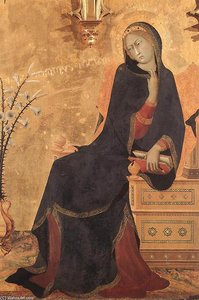
The Miracle of the Resurrected Child, approx. -


 Citește mai mult
Giclée / Imprimare artistică
Printuri giclée sau pe canvas de calitate muzeală, cu proces de producție rapid și opțiuni flexibile de finisare. ( Comandă pictură realizată manual Treci la imagine digitală)




P118B $10

P118H $10

P118W $10

P438Z $10

P508JH $12

P508YH $12

P805H $10

P805Z $10

P919BZ $10

P919G $10

P919XJ $10

P959ZH $10

P968JZ $12

W106C $8

W218G $10

W218JH $8

W218Y $10

W307PJ $10

W316G $10

W316PJ $8

W316Y $10

W398PJ $8

W4111J $10

W500HY $15

W500JH $15

W692G $12

W849H $8

W940BG $15

W953PJ $8




Alegeți dintre dimensiunile noastre prestabilite, care respectă proporțiile originale ale operei de artă.

Puteți introduce propriile dimensiuni pentru a se potrivi unui anumit cadru sau spațiu. Dacă dimensiunea selectată nu corespunde proporțiilor imaginii originale, vom decupa lucrarea de artă sau vom extinde imaginea cu margini oglindite sau cu o culoare uniformă. Un mockup digital va fi trimis pentru aprobarea dumneavoastră înainte de începerea producției.
Vă rugăm să rețineți că previzualizarea de pe ecran nu reflectă decuparea sau extinderea reală. Doar mockup-ul va arăta cu exactitate compoziția finală.
Deși dimensiunile personalizate sunt disponibile, vă recomandăm să selectați o dimensiune din lista predefinită pentru a păstra proporțiile originale.
Livrare în întreaga lume () în 2 săptămâni, în loc de cele 4/5 săptămâni standard. (25 Septembrie)

Livrare expres gratuită la nivel mondial

Pânză de in premium

Asigurare completă pentru transport

Garanție de rambursare a taxelor vamale

Garanția fidelității culorilor

Politica de retur în 100 de zile (doar pentru defecte)

Garanție de rambursare 100%

Reducere pentru comenzi multiple
 Opțiunea cu sticlă este disponibilă doar pentru dimensiuni de sub 110 cm

The Miracle of the Resurrected Child, approx. -
Giclée / Imprimare artistică
Dimensiune reproducere
-


Preț total
$ 80
A Moment of Profound Grace: Simone Martini's *The Miracle of the Resurrected Child*
Simone Martini’s The Miracle of the Resurrected Child, painted circa 1321, is more than a religious depiction; it’s a meticulously crafted tableau of human emotion and spiritual wonder. This extraordinary work, emerging from the heart of Siena during a period of profound artistic transition, offers a rare glimpse into the sensibilities of a master whose influence resonated throughout the late medieval world. The painting captures a pivotal moment – the miraculous return to life of a young child – transforming a sacred event into a scene brimming with palpable concern and burgeoning hope. The sheer detail and emotional intensity are hallmarks of Martini’s distinctive style, solidifying his reputation as a leading figure in Sienese art.
A Symphony of Color and Line: Artistic Technique
- Sienese Gothic at its Finest: Martini exemplifies the height of Sienese Gothic painting. The elongated figures, characteristic of the style, are rendered with a remarkable sense of grace and fluidity, conveying movement and emotion with subtle shifts in posture and gesture.
- Glosses and Burnishing: Like many works from this period, *The Miracle* is likely constructed using the technique of glazing – applying thin layers of translucent paint (often egg tempera) over a ground layer to achieve luminous colors and rich textures. The burnished effect, achieved through polishing the surface with agate stones, adds an unparalleled sheen to the figures and architectural elements.
- Architectural Precision: The castle-like backdrop is not merely decorative; it’s meticulously rendered, demonstrating Martini's skill as an architect and his understanding of spatial perspective – a burgeoning concern in artistic circles at the time. This architectural detail elevates the scene beyond a simple religious narrative, suggesting a setting of importance and perhaps even divine intervention.
Symbolism and Narrative: Decoding the Scene
The painting’s narrative is rooted in a popular miracle story, likely derived from hagiographies detailing the life of Saint Peter Canisius. The central figure – the resurrected child – represents innocence, vulnerability, and the power of divine grace. Surrounding him are a throng of onlookers, each with their own expression of awe, fear, or compassion. These figures aren’t simply passive observers; they actively participate in the miracle's unfolding drama. Note the gestures of those closest to the child – reaching out, offering comfort – highlighting the immediacy and emotional weight of the event. The inclusion of a richly dressed man, possibly representing a wealthy patron or religious official, underscores the importance of this miraculous occurrence within the social fabric of Siena.
Historical Context: A City Transformed
Painted in 1321, *The Miracle* reflects a pivotal moment in Sienese history. The city was experiencing a period of immense wealth and artistic innovation, fueled by its role as a major trading center. This prosperity fostered a vibrant cultural scene, attracting artists like Martini and encouraging experimentation with new techniques and styles. Martini’s work stands as a testament to this flourishing environment, blending religious devotion with the worldly sophistication that characterized Siena at the time. The painting's creation coincided with the rise of Gothic architecture and illuminated manuscripts, reflecting broader trends in European art and culture. It is a powerful reminder of a moment when faith and artistry converged to create an enduring masterpiece.
Biografie artist
A Sienese Master of Elegance and Grace
Simone Martini, born around 1284 in the heart of Siena, Italy, stands as a pivotal figure in the transition from medieval to Renaissance art. He wasn’t merely a painter; he was an architect of elegance, a master of line and color who infused his works with a courtly refinement that distinguished him from contemporaries like Giotto. While historical accounts vary regarding his early training—some suggest apprenticeship under Duccio di Buoninsegna, the leading Sienese artist of the time, while others point to Florence and the influence of Giotto—Martini undeniably forged a unique artistic path. His brother-in-law, Lippo Memmi, was also an artist with whom he frequently collaborated, further enriching the vibrant artistic landscape of Siena. The city itself played a crucial role in shaping Martini’s aesthetic; Siena, a thriving center of commerce and culture, fostered an environment where art flourished, blending religious devotion with worldly sophistication.
The Flourishing of International Gothic
Martini's style is immediately recognizable for its departure from the more monumental forms favored in Florence. He embraced a delicate sensibility, characterized by flowing lines, soft decorative details, and an overall sense of grace. This aesthetic wasn’t born in isolation; it was profoundly influenced by external forces. The Via Francigena, a major pilgrimage route traversing Europe, brought with it artistic currents from France—particularly the refined elegance of French manuscript illumination and ivory carving. These influences are readily apparent in Martini's work, manifesting as intricate patterns, elongated figures, and a heightened attention to surface ornamentation. He didn’t simply copy these styles; he synthesized them with existing Sienese traditions, creating something entirely new. His paintings weren’t merely representations of religious scenes but rather elegant narratives imbued with emotional depth and visual poetry.
Early Life and Training
Little is known about Simone Martini's early life, a common situation for many artists of the period. While some accounts suggest he began his artistic training under Duccio di Buoninsegna, the most celebrated Sienese painter of his time, definitive proof remains elusive. Others propose that he spent formative years in Florence, absorbing the influences of Giotto, whose naturalistic style represented a significant departure from the more stylized conventions of the Gothic era. Regardless of the precise details of his early education, it’s clear that Martini quickly developed a distinctive artistic voice—one characterized by an unparalleled sensitivity to line, color, and composition. His collaboration with Lippo Memmi, his brother-in-law, further enriched his creative environment, fostering a dynamic exchange of ideas and techniques.
Major Works and Artistic Development
Martini’s most celebrated works exemplify the pinnacle of his artistic development. The *Maestà* fresco, commissioned for the Palazzo Pubblico in Siena around 1315, stands as a testament to his mastery—a monumental depiction of the Virgin Mary enthroned with angels and saints that seamlessly blends Gothic elegance with emerging Renaissance principles. The *Annunciation*, painted circa 1330, showcases Martini’s ability to capture delicate emotion and intricate detail, while the *Saint Louis of Toulouse Crowning His Brother Robert of Anjou* (1317), created during his time in Naples, demonstrates his skill in portraying complex narratives with a refined sense of courtly splendor. His *Saint Catherine of Alexandria Polyptych*, completed around 1320, further highlights his command of color and form, solidifying his reputation as one of the most influential artists of his generation.
Legacy and Historical Significance
Simone Martini’s impact on the development of European art cannot be overstated. He played a crucial role in disseminating the International Gothic style—a movement characterized by its elegance, refinement, and emphasis on decorative detail—across the continent. His influence extended to generations of artists who followed, shaping the course of late medieval and early Renaissance painting. Martini’s work wasn't simply about technical skill; it was about creating a visual language that resonated with the sensibilities of his time—a language of beauty, grace, and spiritual devotion. Even today, his paintings continue to captivate viewers with their exquisite detail, harmonious compositions, and enduring sense of elegance. His frescoes in San Francesco d’Assisi demonstrate his mastery of large-scale decorative painting, while works like the *Saint Catherine of Alexandria Polyptych* showcase his unparalleled command of color and form. Simone Martini died in Avignon in 1344, leaving behind a legacy that continues to inspire awe and admiration centuries later—a testament to the enduring power of art to transcend time and touch the human spirit.

Simone Martini
1284 - 1344 , Italia
Informații rapide
- Artistic Movement Or Style: Gotic Internațional
- Artists Or Movements Influenced By This Artist: ['Duccio di Buoninsegna']
- Artists Who Influenced This Artist:
- Duccio di Buoninsegna
- Giotto
- Date Of Birth: c. 1284
- Date Of Death: 1344
- Full Name: Simone Martini
- Nationality: Italian
- Notable Artworks:
- Maestà
- Annunțarea
- Saint Louis
- Place Of Birth: Siena, Italia
Articole conexe

Divine Light & Golden Splendor: A Journey Through the Sacred Grandeur of High Medieval Art
Embark on a soulful journey through High Medieval art. Explore the divine light of Gothic cathedrals, Byzantine splendor, and sacred masterpieces that shaped Western history with our expert-led cultural reflections.

Simone Martini: Innovation, Spirituality & Courtly Refinement in Sienese Painting
Explore the captivating world of Simone Martini, a pivotal figure in Sienese painting & the International Gothic style. Discover his innovative techniques, spiritual depth, and lasting influence on early Renaissance art.
High Medieval Art: 10 Masterpieces That Shaped an Era | OriginalUniqueArt
Journey through High Medieval Art! Explore 10 iconic masterpieces – from Giotto's frescoes to stunning Gothic cathedrals. Discover the stories behind these timeless paintings, sculptures & illuminated manuscripts. Find museum-quality art reproductions at OriginalUniqueArt.com.
Simon Vouet: A Baroque Master's Journey from Italian Influence to French Classicism
Explore the life & art of Simon Vouet, a pivotal French Baroque painter who introduced Italian styles to France. Discover his masterpieces and lasting influence on 17th-century art.
Late Medieval Masterpieces: 10 Artworks That Defined an Era | OriginalUniqueArt
Journey through 10 defining Late Medieval masterpieces – from Giotto's frescoes to Jan van Eyck’s realism. Explore the stories, techniques & vibrant colors of Gothic art. Find museum-quality reproductions and elevate your home decor with OriginalUniqueArt.com! Discover all masterpieces on OriginalUniqueArt.com