Trimite
 Distribuie
 Detalii
 Ghidul

 Descarcă
 Produse similare
 Diaporama
 Statistici
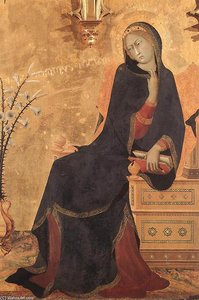
Maestà (detail)


 Citește mai mult
Giclée / Imprimare artistică
Printuri giclée sau pe canvas de calitate muzeală, cu proces de producție rapid și opțiuni flexibile de finisare. ( Comandă pictură realizată manual Treci la imagine digitală)




































Alegeți dintre dimensiunile noastre prestabilite, care respectă proporțiile originale ale operei de artă.

Introduceți lățimea și înălțimea de care aveți nevoie, pentru a se potrivi ramei sau peretelui dumneavoastră. O printare poate fi doar tăiată, niciodată extinsă dincolo de dimensiunea imaginii originale, astfel încât o dimensiune cu o formă diferită va pierde o parte din imagine. Vă trimitem o simulare digitală pentru aprobare înainte de a imprima orice. Imaginea afișată pe această pagină nu prezintă tăierea reală — doar simularea arată acest lucru.
Livrare în întreaga lume () în 2 săptămâni, în loc de cele 4/5 săptămâni standard. (23 Octombrie)

Livrare expres gratuită la nivel mondial

Pânză de in premium

Asigurare completă pentru transport

Garanție de rambursare a taxelor vamale

Garanția fidelității culorilor

Politica de retur în 100 de zile (doar pentru defecte)

Garanție de rambursare 100%

Reducere pentru comenzi multiple
 Opțiunea cu sticlă este disponibilă doar pentru dimensiuni de sub 110 cm

Maestà (detail)
Giclée / Imprimare artistică
Dimensiune reproducere
-


Preț total
lei 371
A Symphony of Grace: The Ethereal Vision of Simone Martini
To gaze upon the detail of Simone Martini’s Maestà is to step through a portal into the golden age of Sienese Gothic art. Created around 1315, this fresco fragment serves as a breathtaking window into a period where spiritual devotion and courtly elegance danced in perfect harmony. The artwork presents a celestial assembly, a rhythmic arrangement of angels and saints whose presence transcends the physical realm. Each figure, adorned with delicate halos, seems to exist in a state of perpetual adoration, their forms layered with a sense of orderly divinity. The composition does not merely depict a group of holy figures; it orchestrates a visual hymn, where the soft interplay of light and shadow creates an atmosphere of profound serenity and timelessness.
The technical mastery displayed in this work is nothing short of extraordinary, showcasing Martini’s unique ability to marry linear precision with a luminous, flowing grace. Unlike the more robust and muscular figures found in the Florentine works of Giotto, Martini’s hand is characterized by an exquisite delicacy. He employs a meticulous linework that defines the rhythmic folds of drapery, lending the figures a weightless, almost ethereal quality. The palette is a masterclass in color harmony, dominated by cool, contemplative blues and verdant greens that evoke the tranquil sanctity of the Basilica di San Domenico. This subtle use of shading and color creates an illusion of three-dimensional form that feels soft to the eye, inviting the viewer into a meditative state of contemplation.
Historical Splendor and Symbolic Depth
The historical backdrop of the Maestà is as rich as its visual textures. Painted during a time when Siena was ascending as a powerful papal stronghold under the influence of Pope Boniface VIII, the artwork reflects the political and religious fervor of the era. This was a period of immense patronage, where art served as both an expression of faith and a symbol of civic and ecclesiastical authority. Martini, a master of the Sienese school, infused this commission with the sophisticated aesthetic of the International Gothic style—a movement that sought to blend the spiritual intensity of the Middle Ages with the refined, courtly splendor of European royalty.
Beyond its surface beauty, every element of the fresco is imbued with deep symbolic significance. The arrangement of the saints and angels represents the hierarchical order of the heavens, a visual manifestation of divine grace descending upon the earthly realm. The very act of looking upon these figures was intended to inspire piety and a sense of connection to the divine. For the modern collector or interior designer, this piece offers more than mere decoration; it provides a focal point of profound emotional resonance. A high-quality reproduction of this masterpiece brings an air of historical prestige and sophisticated tranquility to any space, acting as a bridge between the storied past of the Trecento and the refined elegance of contemporary living.
Întrebări și răspunsuri
Din ce este realizată "Maestà (detail)" și în ce stil?
"Maestà (detail)" este realizată în Fresco, în stilul Late Gothic.
Cine este artistul din spatele "Maestà (detail)"?
„Maestà (detail)” a fost creat de Simone Martini. Informațiile de pe această pagină descriu opera originală a lui Simone Martini.
Ce spațiu este recomandat pentru "Maestà (detail)" de Simone Martini?
Spațiul recomandat pentru "Maestà (detail)" de Simone Martini este o Hotel Lobby. Sugestia poate fi, desigur, adaptată interiorului dumneavoastră.
Biografie artist
A Sienese Master of Elegance and Grace
Simone Martini, born around 1284 in the heart of Siena, Italy, stands as a pivotal figure in the transition from medieval to Renaissance art. He wasn’t merely a painter; he was an architect of elegance, a master of line and color who infused his works with a courtly refinement that distinguished him from contemporaries like Giotto. While historical accounts vary regarding his early training—some suggest apprenticeship under Duccio di Buoninsegna, the leading Sienese artist of the time, while others point to Florence and the influence of Giotto—Martini undeniably forged a unique artistic path. His brother-in-law, Lippo Memmi, was also an artist with whom he frequently collaborated, further enriching the vibrant artistic landscape of Siena. The city itself played a crucial role in shaping Martini’s aesthetic; Siena, a thriving center of commerce and culture, fostered an environment where art flourished, blending religious devotion with worldly sophistication.
The Flourishing of International Gothic
Martini's style is immediately recognizable for its departure from the more monumental forms favored in Florence. He embraced a delicate sensibility, characterized by flowing lines, soft decorative details, and an overall sense of grace. This aesthetic wasn’t born in isolation; it was profoundly influenced by external forces. The Via Francigena, a major pilgrimage route traversing Europe, brought with it artistic currents from France—particularly the refined elegance of French manuscript illumination and ivory carving. These influences are readily apparent in Martini's work, manifesting as intricate patterns, elongated figures, and a heightened attention to surface ornamentation. He didn’t simply copy these styles; he synthesized them with existing Sienese traditions, creating something entirely new. His paintings weren’t merely representations of religious scenes but rather elegant narratives imbued with emotional depth and visual poetry.
Early Life and Training
Little is known about Simone Martini's early life, a common situation for many artists of the period. While some accounts suggest he began his artistic training under Duccio di Buoninsegna, the most celebrated Sienese painter of his time, definitive proof remains elusive. Others propose that he spent formative years in Florence, absorbing the influences of Giotto, whose naturalistic style represented a significant departure from the more stylized conventions of the Gothic era. Regardless of the precise details of his early education, it’s clear that Martini quickly developed a distinctive artistic voice—one characterized by an unparalleled sensitivity to line, color, and composition. His collaboration with Lippo Memmi, his brother-in-law, further enriched his creative environment, fostering a dynamic exchange of ideas and techniques.
Major Works and Artistic Development
Martini’s most celebrated works exemplify the pinnacle of his artistic development. The *Maestà* fresco, commissioned for the Palazzo Pubblico in Siena around 1315, stands as a testament to his mastery—a monumental depiction of the Virgin Mary enthroned with angels and saints that seamlessly blends Gothic elegance with emerging Renaissance principles. The *Annunciation*, painted circa 1330, showcases Martini’s ability to capture delicate emotion and intricate detail, while the *Saint Louis of Toulouse Crowning His Brother Robert of Anjou* (1317), created during his time in Naples, demonstrates his skill in portraying complex narratives with a refined sense of courtly splendor. His *Saint Catherine of Alexandria Polyptych*, completed around 1320, further highlights his command of color and form, solidifying his reputation as one of the most influential artists of his generation.
Legacy and Historical Significance
Simone Martini’s impact on the development of European art cannot be overstated. He played a crucial role in disseminating the International Gothic style—a movement characterized by its elegance, refinement, and emphasis on decorative detail—across the continent. His influence extended to generations of artists who followed, shaping the course of late medieval and early Renaissance painting. Martini’s work wasn't simply about technical skill; it was about creating a visual language that resonated with the sensibilities of his time—a language of beauty, grace, and spiritual devotion. Even today, his paintings continue to captivate viewers with their exquisite detail, harmonious compositions, and enduring sense of elegance. His frescoes in San Francesco d’Assisi demonstrate his mastery of large-scale decorative painting, while works like the *Saint Catherine of Alexandria Polyptych* showcase his unparalleled command of color and form. Simone Martini died in Avignon in 1344, leaving behind a legacy that continues to inspire awe and admiration centuries later—a testament to the enduring power of art to transcend time and touch the human spirit.

Simone Martini
1284 - 1344 , Italia
Informații rapide
- Artistic Movement Or Style: Gotic Internațional
- Artists Or Movements Influenced By This Artist: ['Duccio di Buoninsegna']
- Artists Who Influenced This Artist:
- Duccio di Buoninsegna
- Giotto
- Date Of Birth: c. 1284
- Date Of Death: 1344
- Full Name: Simone Martini
- Nationality: Italian
- Notable Artworks:
- Maestà
- Annunțarea
- Saint Louis
- Place Of Birth: Siena, Italia
Articole conexe

Gothic Vibes: From Dark Shadows to Bold Modern Edge | The Ultimate Trend Forecast
Explore the evolution of Gothic vibes, from historical shadows to bold modern edge. Discover how dark aesthetics, noir interiors, and contemporary subcultures are redefining modern design through a high-impact, trend-focused lens.
The Radiant Dusk of Medieval Vision: Exploring Late Gothic Art's Synthesis of Faith, Form & Emotionality (c. 1300-1500)
Explore the exquisite beauty & spiritual depth of Late Gothic art (c. 1300-1500). Discover key artists, symbolism, and its lasting influence on the Renaissance. Expert insights at OriginalUniqueArt.

Simone Martini: Innovation, Spirituality & Courtly Refinement in Sienese Painting
Explore the captivating world of Simone Martini, a pivotal figure in Sienese painting & the International Gothic style. Discover his innovative techniques, spiritual depth, and lasting influence on early Renaissance art.

Beyond Borders: The Spiritual & Stylistic Innovations of International Gothic Art
Explore the exquisite beauty & spiritual depth of International Gothic art. Discover key artists like Simone Martini & Pol de Limbourg, its origins, symbolism, and lasting influence on European painting. Expert insights at OriginalUniqueArt.

International Gothic Style: The Elegant Dawn of European Art History and the Transition to Renaissance Naturalism
Explore the elegance of International Gothic art. Discover how masters like Simone Martini bridged medieval symbolism and Renaissance naturalism through courtly grace, luminous gold, and intricate detail in this expert guide to European art history.