Vezi în context
 Trimite
 Distribuie
 Detalii
 Ghidul

 Descarcă
 Produse similare
 Radiografie
 Diaporama
 Statistici
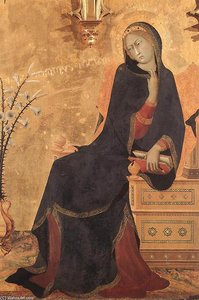
Maestà (detail)
 Acrylic On Canvas
- WallArt
- Late Gothic Style
 1315
1315 99.0 x 85.0 cm
 Palazzo Pubblico
 Citește mai mult
Giclée / Imprimare artistică
Printuri giclée sau pe canvas de calitate muzeală, cu proces de producție rapid și opțiuni flexibile de finisare. ( Comandă pictură realizată manual Treci la imagine digitală)




P118B lei10

P118H lei10

P118W lei10

P438Z lei10

P508JH lei12

P508YH lei12

P805H lei10

P805Z lei10

P919BZ lei10

P919G lei10

P919XJ lei10

P959ZH lei10

P968JZ lei12

W106C lei8

W218G lei10

W218JH lei8

W218Y lei10

W307PJ lei10

W316G lei10

W316PJ lei8

W316Y lei10

W398PJ lei8

W4111J lei10

W500HY lei15

W500JH lei15

W692G lei12

W849H lei8

W940BG lei15

W953PJ lei8




Alegeți dintre dimensiunile noastre prestabilite, care respectă proporțiile originale ale operei de artă.

Introduceți lățimea și înălțimea de care aveți nevoie, pentru a se potrivi ramei sau peretelui dumneavoastră. O printare poate fi doar tăiată, niciodată extinsă dincolo de dimensiunea imaginii originale, astfel încât o dimensiune cu o formă diferită va pierde o parte din imagine. Vă trimitem o simulare digitală pentru aprobare înainte de a imprima orice. Imaginea afișată pe această pagină nu prezintă tăierea reală — doar simularea arată acest lucru.
Livrare în întreaga lume () în 2 săptămâni, în loc de cele 4/5 săptămâni standard. (21 Octombrie)

Livrare expres gratuită la nivel mondial

Pânză de in premium

Asigurare completă pentru transport

Garanție de rambursare a taxelor vamale

Garanția fidelității culorilor

Politica de retur în 100 de zile (doar pentru defecte)

Garanție de rambursare 100%

Reducere pentru comenzi multiple
 Opțiunea cu sticlă este disponibilă doar pentru dimensiuni de sub 110 cm

Maestà (detail)
Giclée / Imprimare artistică
Dimensiune reproducere
-


Preț total
lei 368
A Vision of Divine Majesty: Simone Martini’s *Maestà* – A Window into Medieval Grace
The year is 1315, and within the vibrant heart of Siena, Italy, Simone Martini was meticulously crafting a masterpiece that would forever alter the course of European art. His *Maestà*, or “Majesty,” isn’t merely a painting; it's an immersive experience, a shimmering testament to faith, power, and the profound beauty of the Virgin Mary. This exquisite detail, rendered in painstaking miniature, offers a tantalizing glimpse into the world of this Sienese Master of Elegance and Grace – a man who understood how to imbue religious iconography with a breathtaking sense of courtly refinement.
The image captures a pivotal moment within the composition: Mary, radiant and serene, holds her infant son Jesus close. The sheer opulence of her presentation is immediately arresting. A magnificent crown, adorned with jewels that seem to catch and refract light even in this reproduction, proclaims her divine status – a visual echo of royalty and spiritual authority. Her hands, delicately rendered, cradle the scepter, symbolizing her dominion over both heaven and earth, while the open book represents her role as the Word made flesh, the embodiment of God’s wisdom. The subtle folds of her robes, achieved through Martini's masterful use of layered glazes, create a sense of incredible depth and texture, drawing the viewer into this sacred space.
Technique and Materials: A Symphony of Color and Gold
Simone Martini was renowned for his innovative approach to painting, particularly his embrace of tempera on panel. This medium, favored in Siena during the 13th and 14th centuries, allowed for a luminosity and richness of color rarely achieved with oil paints at the time. Notice the vibrant blues and reds – pigments painstakingly ground from lapis lazuli and kermes beetles respectively – that dominate the scene. The gold leaf, applied with astonishing precision, isn’t simply decorative; it represents the divine light emanating from God himself, bathing Mary and Jesus in an ethereal glow. The intricate detailing, achieved through countless hours of layering thin glazes, is a hallmark of Martini's style—a testament to his patience and unparalleled skill.
- Tempera on Panel: The foundation of the work, providing exceptional color vibrancy and detail.
- Gold Leaf: Used extensively to symbolize divinity and illuminate the scene.
- Layered Glazes: Martini’s signature technique creating depth, luminosity, and a remarkable sense of texture.
Symbolism and Context: A Reflection of Medieval Belief
The *Maestà* is deeply rooted in the theological beliefs of the High Middle Ages. Mary's position as Queen of Heaven is central to Marian devotion, reflecting the growing importance of her role within Christian spirituality. The figures surrounding her – including angels and kneeling donors (though only partially visible in this detail) – represent the Church hierarchy and the faithful paying homage to their patron saint. The book held by Mary isn’t just a symbol of scripture; it's a visual representation of her role as the Mother of God, the vessel through which Christ entered the world. The overall composition echoes Byzantine models, particularly those found in mosaics, demonstrating Martini’s engagement with established artistic traditions while imbuing them with his own distinctive style.
Emotional Resonance and Artistic Legacy
More than six centuries after its creation, Simone Martini's *Maestà* continues to captivate viewers. It evokes a profound sense of reverence, tranquility, and the enduring power of faith. The painting’s delicate beauty, combined with its rich symbolism, speaks to the timeless appeal of Christian iconography. A reproduction by OriginalUniqueArt offers an unparalleled opportunity to experience this masterpiece in exquisite detail, bringing its ethereal grace into your home or studio. This isn't simply a print; it’s a portal to a world of medieval artistry and spiritual contemplation – a tangible connection to one of the most influential figures in Western art history.
Întrebări și răspunsuri
Ce utilizare și ce spațiu sunt recomandate pentru "Maestà (detail)" de Simone Martini?
„Maestà (detail)” este recomandat pentru Statement, iar spațiul ideal este o Living Room.
Cum se raportează subiectul operei „Maestà (detail)” la temele obișnuite ale lui Simone Martini?
"Maestà (detail)" înfățișează virgin mary, christ child, majesty, scepter, book, angel, siena, medieval, în timp ce temele recurente ale lui Simone Martini sunt sienese gothic elegance, royal, divine iconography, courtly, devotional art, martini’s signature style, key sienese masterpiece. Compararea celor două relevă modul în care această lucrare se raportează la subiectele obișnuite ale artistului.
Ce atmosferă aduce "Maestà (detail)" de Simone Martini într-un interior?
Cu atmosfera sa Elegant, „Maestà (detail)” este recomandată pentru o Living Room.
Biografie artist
A Sienese Master of Elegance and Grace
Simone Martini, born around 1284 in the heart of Siena, Italy, stands as a pivotal figure in the transition from medieval to Renaissance art. He wasn’t merely a painter; he was an architect of elegance, a master of line and color who infused his works with a courtly refinement that distinguished him from contemporaries like Giotto. While historical accounts vary regarding his early training—some suggest apprenticeship under Duccio di Buoninsegna, the leading Sienese artist of the time, while others point to Florence and the influence of Giotto—Martini undeniably forged a unique artistic path. His brother-in-law, Lippo Memmi, was also an artist with whom he frequently collaborated, further enriching the vibrant artistic landscape of Siena. The city itself played a crucial role in shaping Martini’s aesthetic; Siena, a thriving center of commerce and culture, fostered an environment where art flourished, blending religious devotion with worldly sophistication.
The Flourishing of International Gothic
Martini's style is immediately recognizable for its departure from the more monumental forms favored in Florence. He embraced a delicate sensibility, characterized by flowing lines, soft decorative details, and an overall sense of grace. This aesthetic wasn’t born in isolation; it was profoundly influenced by external forces. The Via Francigena, a major pilgrimage route traversing Europe, brought with it artistic currents from France—particularly the refined elegance of French manuscript illumination and ivory carving. These influences are readily apparent in Martini's work, manifesting as intricate patterns, elongated figures, and a heightened attention to surface ornamentation. He didn’t simply copy these styles; he synthesized them with existing Sienese traditions, creating something entirely new. His paintings weren’t merely representations of religious scenes but rather elegant narratives imbued with emotional depth and visual poetry.
Early Life and Training
Little is known about Simone Martini's early life, a common situation for many artists of the period. While some accounts suggest he began his artistic training under Duccio di Buoninsegna, the most celebrated Sienese painter of his time, definitive proof remains elusive. Others propose that he spent formative years in Florence, absorbing the influences of Giotto, whose naturalistic style represented a significant departure from the more stylized conventions of the Gothic era. Regardless of the precise details of his early education, it’s clear that Martini quickly developed a distinctive artistic voice—one characterized by an unparalleled sensitivity to line, color, and composition. His collaboration with Lippo Memmi, his brother-in-law, further enriched his creative environment, fostering a dynamic exchange of ideas and techniques.
Major Works and Artistic Development
Martini’s most celebrated works exemplify the pinnacle of his artistic development. The *Maestà* fresco, commissioned for the Palazzo Pubblico in Siena around 1315, stands as a testament to his mastery—a monumental depiction of the Virgin Mary enthroned with angels and saints that seamlessly blends Gothic elegance with emerging Renaissance principles. The *Annunciation*, painted circa 1330, showcases Martini’s ability to capture delicate emotion and intricate detail, while the *Saint Louis of Toulouse Crowning His Brother Robert of Anjou* (1317), created during his time in Naples, demonstrates his skill in portraying complex narratives with a refined sense of courtly splendor. His *Saint Catherine of Alexandria Polyptych*, completed around 1320, further highlights his command of color and form, solidifying his reputation as one of the most influential artists of his generation.
Legacy and Historical Significance
Simone Martini’s impact on the development of European art cannot be overstated. He played a crucial role in disseminating the International Gothic style—a movement characterized by its elegance, refinement, and emphasis on decorative detail—across the continent. His influence extended to generations of artists who followed, shaping the course of late medieval and early Renaissance painting. Martini’s work wasn't simply about technical skill; it was about creating a visual language that resonated with the sensibilities of his time—a language of beauty, grace, and spiritual devotion. Even today, his paintings continue to captivate viewers with their exquisite detail, harmonious compositions, and enduring sense of elegance. His frescoes in San Francesco d’Assisi demonstrate his mastery of large-scale decorative painting, while works like the *Saint Catherine of Alexandria Polyptych* showcase his unparalleled command of color and form. Simone Martini died in Avignon in 1344, leaving behind a legacy that continues to inspire awe and admiration centuries later—a testament to the enduring power of art to transcend time and touch the human spirit.

Simone Martini
1284 - 1344 , Italia
Informații rapide
- Artistic Movement Or Style: Gotic Internațional
- Artists Or Movements Influenced By This Artist: ['Duccio di Buoninsegna']
- Artists Who Influenced This Artist:
- Duccio di Buoninsegna
- Giotto
- Date Of Birth: c. 1284
- Date Of Death: 1344
- Full Name: Simone Martini
- Nationality: Italian
- Notable Artworks:
- Maestà
- Annunțarea
- Saint Louis
- Place Of Birth: Siena, Italia
Articole conexe
Late Medieval Masterpieces: 10 Artworks That Defined an Era | OriginalUniqueArt
Journey through 10 defining Late Medieval masterpieces – from Giotto's frescoes to Jan van Eyck’s realism. Explore the stories, techniques & vibrant colors of Gothic art. Find museum-quality reproductions and elevate your home decor with OriginalUniqueArt.com! Discover all masterpieces on OriginalUniqueArt.com

Simone Martini: Innovation, Spirituality & Courtly Refinement in Sienese Painting
Explore the captivating world of Simone Martini, a pivotal figure in Sienese painting & the International Gothic style. Discover his innovative techniques, spiritual depth, and lasting influence on early Renaissance art.
High Medieval Art: 10 Masterpieces That Shaped an Era | OriginalUniqueArt
Journey through High Medieval Art! Explore 10 iconic masterpieces – from Giotto's frescoes to stunning Gothic cathedrals. Discover the stories behind these timeless paintings, sculptures & illuminated manuscripts. Find museum-quality art reproductions at OriginalUniqueArt.com.

Divine Light & Golden Splendor: A Journey Through the Sacred Grandeur of High Medieval Art
Embark on a soulful journey through High Medieval art. Explore the divine light of Gothic cathedrals, Byzantine splendor, and sacred masterpieces that shaped Western history with our expert-led cultural reflections.
Jacob Henricus Maris: A Master of Dutch Atmospheric Realism & the Intimate Landscape
Explore the captivating world of Jacob Henricus Maris, a leading figure of the Dutch Hague School. Discover his atmospheric landscapes, signature brushstrokes & lasting influence on 19th-century art. Learn more at OriginalUniqueArt.