Vezi în context
 Trimite
 Distribuie
 Detalii
 Ghidul

 Descarcă
 Produse similare
 Radiografie
 Diaporama
 Statistici
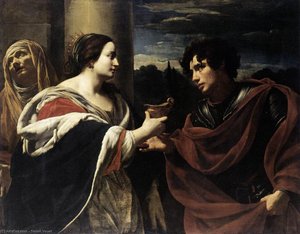
The Entombment
 Oil On Canvas
- WallArt
- Baroque Painting
 1638
1638 57.0 x 42.0 cm
 Muzeul Fitzwilliam din Cambridge
 Citește mai mult
Giclée / Imprimare artistică
Printuri giclée sau pe canvas de calitate muzeală, cu proces de producție rapid și opțiuni flexibile de finisare. ( Comandă pictură realizată manual Treci la imagine digitală)




P118B lei10

P118H lei10

P118W lei10

P438Z lei10

P508JH lei12

P508YH lei12

P805H lei10

P805Z lei10

P919BZ lei10

P919G lei10

P919XJ lei10

P959ZH lei10

P968JZ lei12

W106C lei8

W218G lei10

W218JH lei8

W218Y lei10

W307PJ lei10

W316G lei10

W316PJ lei8

W316Y lei10

W398PJ lei8

W4111J lei10

W500HY lei15

W500JH lei15

W692G lei12

W849H lei8

W940BG lei15

W953PJ lei8




Alegeți dintre dimensiunile noastre prestabilite, care respectă proporțiile originale ale operei de artă.

Introduceți lățimea și înălțimea de care aveți nevoie, pentru a se potrivi ramei sau peretelui dumneavoastră. O printare poate fi doar tăiată, niciodată extinsă dincolo de dimensiunea imaginii originale, astfel încât o dimensiune cu o formă diferită va pierde o parte din imagine. Vă trimitem o simulare digitală pentru aprobare înainte de a imprima orice. Imaginea afișată pe această pagină nu prezintă tăierea reală — doar simularea arată acest lucru.
Livrare în întreaga lume () în 2 săptămâni, în loc de cele 4/5 săptămâni standard. (22 Octombrie)

Livrare expres gratuită la nivel mondial

Pânză de in premium

Asigurare completă pentru transport

Garanție de rambursare a taxelor vamale

Garanția fidelității culorilor

Politica de retur în 100 de zile (doar pentru defecte)

Garanție de rambursare 100%

Reducere pentru comenzi multiple
 Opțiunea cu sticlă este disponibilă doar pentru dimensiuni de sub 110 cm

The Entombment
Giclée / Imprimare artistică
Dimensiune reproducere
-


Preț total
lei 370
The Weight of Sorrow: Simon Vouet’s “The Entombment”
Simon Vouet's "The Entombment," painted in 1635–1638, is not merely a depiction of a biblical scene; it’s an exquisitely rendered meditation on grief, faith, and the profound dignity of sacrifice. This monumental work, currently residing within the collection of the Fitzwilliam Museum in Cambridge, transcends its subject matter to become a powerful testament to the Baroque era's ability to evoke intense emotion through masterful technique and carefully considered symbolism. Vouet, a pivotal figure in bridging the gap between Mannerism and the burgeoning Baroque style in France, imbued this piece with the dramatic lighting and emotional depth that would define his career.
The painting immediately draws the viewer into a scene of palpable sorrow. Jesus Christ, recently taken from the cross, lies supine within a richly appointed tomb – a bed draped in luxurious fabrics, its details suggesting both earthly comfort and impending finality. The figures surrounding him are rendered with an almost sculptural quality, their bodies conveying a range of emotions: Mary Magdalene, her face etched with anguish, gently lays her head upon Christ’s chest; John the Evangelist kneels in prayer, his posture reflecting deep contemplation; while other mourners – including soldiers and attendants – stand as witnesses to this solemn event. Vouet's skill lies not just in capturing individual likenesses but in conveying the collective weight of grief that permeates the scene.
A Masterclass in Baroque Technique
Vouet’s mastery of technique is evident in every brushstroke. He employed a layered approach, building up the image through numerous glazes – a hallmark of his style and one that contributes to the painting's luminous quality. The use of *chiaroscuro*, or dramatic contrasts between light and shadow, is particularly striking. The soft, diffused light emanating from an unseen source illuminates Christ’s body and the faces of the mourners, while plunging the tomb into a deeper darkness, symbolizing death and the unknown. This interplay of light and shadow not only creates a sense of drama but also directs the viewer's eye to the most important elements of the composition.
Furthermore, Vouet’s attention to detail is remarkable. The textures of the fabrics – the velvet, linen, and wool – are rendered with astonishing realism, as are the folds of Christ’s garments and the expressions on the faces of the figures. The artist's meticulous observation of anatomy and drapery reflects his extensive training in Italy, where he had spent much of his early career studying the works of masters like Titian and Veronese. The composition itself is carefully balanced, with a clear sense of depth and perspective that draws the viewer into the scene.
Symbolism and Spiritual Resonance
Beyond its technical brilliance, “The Entombment” is rich in symbolic meaning. The tomb itself represents not just death but also resurrection – the promise of eternal life offered through Christ’s sacrifice. The presence of Mary Magdalene, traditionally depicted as a repentant sinner, underscores the theme of redemption and forgiveness. The soldiers guarding the tomb symbolize earthly authority and the limitations of human power to prevent divine destiny. The bird perched atop the tomb, often interpreted as an angel or dove, represents hope and the arrival of the Holy Spirit.
Moreover, the painting’s emotional intensity speaks to a broader spiritual concern – the universality of suffering and the importance of compassion. Vouet's depiction of grief is not merely sentimental; it is profoundly moving, inviting viewers to contemplate their own experiences of loss and mortality. The scene resonates with the viewer on a deeply human level, reminding us of the enduring power of faith and the significance of acts of kindness and empathy.
A Legacy of Elegance and Emotion
“The Entombment” stands as a quintessential example of Baroque art – a fusion of technical virtuosity, dramatic emotion, and profound symbolism. Simon Vouet’s ability to capture both the physical beauty of his subjects and the depth of their emotional experience is truly remarkable. Reproductions of this masterpiece offer an opportunity to bring its elegance and spiritual resonance into any setting, serving as a poignant reminder of humanity's shared journey through life and death.
Întrebări și răspunsuri
Ce nivel de saturație și intensitate prezintă "The Entombment" de Simon Vouet?
Culoarea operei "The Entombment" are o Subtle Color în saturație și o Monochromatic în intensitate.
Ce dimensiune de reproducere este recomandată pentru "The Entombment" de Simon Vouet?
Pentru "The Entombment", se recomandă o dimensiune de imprimare de Medium. Sunt disponibile și alte dimensiuni, păstrând aceleași proporții.
În ce direcție cromatică tinde "The Entombment"?
Culoarea dominantă a operei "The Entombment" de Simon Vouet este Ochre to Sepia. Această nuanță reprezintă tonul de bază al paletei cromatice.
Biografie artist
Simon Vouet: Un Pasionat Al Renașterii Târzie și Pionier al Barocului Francez
Simon Vouet, născut în Paris pe 9 ianuarie 1590 și decedat tot acolo pe 30 iunie 1649, este o figură esențială în istoria artei franceze. El marchează tranziția subtilă, dar profundă, de la manierismul sofisticat al Renașterii târzie către exuberanța și dramatismul barocului. Provenind dintr-o familie cu tradiție artistică – tatăl său, Laurent Vouet, fiind un pictor respectat, iar fratele său, Aubin, urmând o carieră similară – Simon a beneficiat de o educație timpurie solidă, care i-a pus bazele succesului viitor. Chiar și nepotul său, Ludovico Dorigny, a continuat tradiția familială, demonstrând longevitatea impactului Vouet asupra artei.
De La Portrete Timpurii la Influențe Italiene: O Călătorie de Formare
Cariera lui Simon Vouet a debutat cu portrete, o specializare care i-a permis să își demonstreze rapid talentul și să câștige recunoaștere. La vârsta de doar 14 ani, a fost trimis în Anglia pentru a picta un portret comandat, un semn al reputației sale emergente. O aventură neobișnuită l-a purtat apoi în Imperiul Otoman, unde a lucrat ca portretist în anturajul Baronului de Sancy, ambasadorul francez la Constantinopol. Această călătorie exotică, urmată de o vizită la Veneția în 1612, i-a deschis ochii asupra unor noi orizonturi artistice și culturale. Dar cea mai importantă perioadă a formării sale a fost petrecută la Roma, între 1614 și 1627. Aici, timp de treisprezece ani, s-a scufundat în atmosfera vibrantă a scenei artistice romane, aflată în plină expansiune barocă.
Roma a fost un teren fertil pentru asimilarea influențelor diverse. Vouet a studiat cu atenție tehnica dramatică a luminii utilizată de Caravaggio, a îmbrățișat elemente ale manierismului italian, dar și a analizat meticulos paletele de culori și perspectiva di sotto in su (perspectiva văzută de jos în sus) folosite de Paolo Veronese. Nu s-a oprit aici; a căutat inspirație în operele lui Carracci, Guercino, Lanfranco și Guido Reni, sintetizând aceste stiluri disparate într-o viziune artistică unică și personală. Această perioadă romană nu doar l-a format ca artist, ci i-a adus și recunoaștere internațională.
Crearea unui Stil Distinctiv și Introducerea Barocului în Franța
Succesul său la Roma a culminat cu alegerea sa ca președinte al prestigioasei Accademia di San Luca în 1624, o dovadă incontestabilă a abilităților sale artistice și a respectului de care se bucura în lumea artei italiene. Stilul lui Vouet era caracterizat prin capacitatea sa de a absorbi și de a distila diverse influențe artistice. El nu copia pur și simplu, ci integra aceste elemente într-o estetică barocă distinctivă, cu o puternică amprentă italiană. La întoarcerea sa în Franța în 1627, Vouet a jucat un rol crucial în introducerea stilului baroc italian în pictura franceză, transformând peisajul artistic al țării.
Moștenire și Influență: Un Pod Între Culturi
Simon Vouet a fost numit Premier peintre du Roi (Pictul Principal al Regelui), o poziție de prestigiu și influență considerabilă. A condus un atelier prolific, formând numeroși artiști care au modelat generația următoare de pictori francezi. Printre cei mai importanți elevi ai săi se numără Charles Le Brun (care a organizat ulterior toată pictura decorativă de la Versailles), Valentin de Boulogne, Charles Alphonse du Fresnoy, Pierre Mignard, Eustache Le Sueur și Claude Mellan. Influența lui Vouet s-a extins dincolo de propriile sale opere; elevii săi au răspândit stilul și tehnicile sale în toată Franța, stabilind o școală distinctivă de pictură barocă. Impactul său este vizibil mai ales în schemele decorative grandioase comandate de Ludovic al XIV-lea.
Moștenirea lui Simon Vouet rezidă în rolul său esențial ca punte între arta italiană și cea franceză. A importat cu succes dinamismul și măreția barocului italian, transformându-l într-un stil care a rezonat cu gusturile curții regale și ale aristocrației franceze. Contribuțiile sale sunt recunoscute de istoricii artei până în prezent, iar impactul său asupra dezvoltării picturii franceze din secolul al XVII-lea este incontestabil.

Simon Vouet
1590 - 1649 , Franța
Informații rapide
- Artiști Influențați:
- Charles Le Brun
- Valentin de Boulogne
- Pictură barocă franceză
- Artiști Influenți:
- Caravaggio
- Paolo Veronese
- Carracci
- Guercino
- Lanfranco
- Guido Reni
- Data Decesului: 30 iunie 1649
- Data Nașterii: 9 ianuarie 1590
- Locul Nașterii: Paris, Franța
- Mișcare Artistică: Baroc francez
- Naționalitate: Francez
- Nume Complet: Simon Vouet
Articole conexe

The Dramatic Flourish: Exploring the Baroque Movement's Enduring Legacy in Art History
Explore the dramatic world of Baroque art! Discover iconic artists like Caravaggio & Rubens, defining techniques, and its lasting impact on art history. Expert insights for collectors & enthusiasts at OriginalUniqueArt.
Simon Vouet: A Baroque Master's Journey from Italian Influence to French Classicism
Explore the life & art of Simon Vouet, a pivotal French Baroque painter who introduced Italian styles to France. Discover his masterpieces and lasting influence on 17th-century art.

Drama Barocă: Cum să Aduceți Splendoare și Emoție în Interioarele Contemporane
Descoperiți cum să integrați splendoarea stilului baroc în locuința dumneavoastră! Ghid complet cu elemente de design, culori și inspirație pentru interioare luxoase și pline de emoție.

The Visceral Stage: Exploring Dramatic Narratives & Emotional Intensity in Baroque Art
Explore the dramatic world of Baroque art! Discover iconic masters like Caravaggio & Rembrandt, their techniques, and the movement's lasting impact. Expert insights for collectors & enthusiasts at OriginalUniqueArt.

Barocul în Splendoare: Cele Mai Reprezentative 10 Capodopere Artistice | OriginalUniqueArt.ro
Descoperă splendoarea Barocului! Explorează cele mai importante 10 capodopere ale lui Caravaggio, Rembrandt și Rubens. Află poveștile din spatele picturilor iconice și adu eleganța clasică în casa ta cu reproduceri de artă premium pe OriginalUniqueArt.ro