
 Previzualizare
 Trimite
 Distribuie
 Detalii despre lucrare

 Descarcă
 Produse similare
 Radiografie
 Diapozitive automate
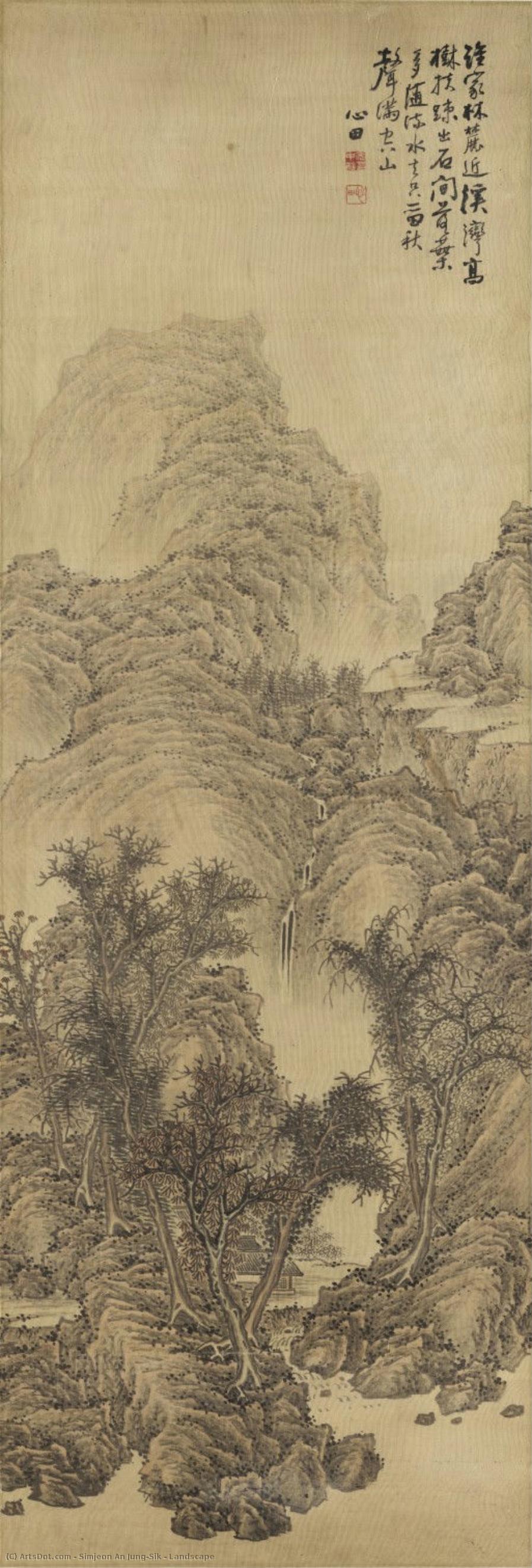
Landscape
 126.0 x 43.0 cm
 Horim Museum
 Vezi mai mult
Achiziționați o imagine digitală de înaltă rezoluție, îmbunătățită, mult superioară previzualizării online.
Fiecare fișier este pregătit cu meticulozitate de specialiștii noștri interni, utilizând instrumente avansate și retușare manuală expertă. Ne asigurăm că fiecare imagine beneficiază de o claritate excepțională, o acuratețe precisă a culorilor și detalii fine.
Fișierul final este livrat prin e-mail în termen de 72 de ore, optimizat pentru utilizare imediată în medii profesionale, editoriale și de imprimare. Aceasta este aceeași calitate în care au încredere studiouri de design, edituri și galerii de top.
Imagine Digitală
Descărcați un fișier la rezoluție înaltă pentru afișare personală, imprimare și proiecte creative. ( Comandă printul Comandă pictură lucrată manual)
Inclus în fiecare comandă de imagini digitale
Livrare digitală de expertiză, garantată
Când alegeți OriginalUniqueArt.com, nu primiți doar o simplă imagine – primiți o operă de artă digitală îmbunătățită profesional, creată cu precizie și susținută de o garanție de satisfacție. Iată tot ceea ce primești odată cu comanda ta, în mod automat:

Livrare rapidă prin e-mail
Fișierul imaginii digitale la rezoluție înaltă vă va fi trimis prin e-mail în termen de 72 de ore de la finalizarea comenzii – gata pentru utilizare imediată.

Fișier digital optimizat prin IA
Opera ta de artă este optimizată profesional prin intermediul unor instrumente AI avansate și al editării manuale, asigurând un nivel maxim de detalii, claritate și acuratețe a culorilor.

Retransmitere gratuită pe viață
Ai șters sau ai pierdut din greșeală fișierul? Nu îți face griji – ți-l vom retrimite oricând, gratuit.

Fără taxe de import – Întotdeauna
Bucură-te instant de noua ta operă de artă, fără taxe vamale, taxe de import sau costuri de livrare – descărcările digitale sunt întotdeauna fără taxe.

Garanția acurateții culorilor
Asigurăm o reflectare cât mai fidelă a culorilor originale în imaginea ta digitală, prin utilizarea unor instrumente profesionale și a proceselor de gestionare a culorii.

Garanție de satisfacție de 60 de zile
Dacă nu sunteți mulțumit de imaginea digitală achiziționată, o vom revizui sau vă vom returna 100% în termen de 60 de zile – fără nicio explicație necesară.

Garanție de returnare 100% a banilor
Nu ești mulțumit? Obține o rambursare completă în termen de 60 de zile de la primirea fișierului tău digital – fără întrebări.

Reduceri pentru comenzi în volum
Cumpără 3 imagini, economisește 10% - Cumpără 5, economisește 15% - Cumpără 10+, economisește 20%. Ideal pentru proiecte creative, galerii și agenții.
Biografie artist
Frederic Remington: A Chronicle of the American West
Born in Canton, New York, in 1861, Frederic Sackrider Remington’s life and art were inextricably linked to the vast, rapidly changing landscape of the American West. His early years, steeped in the traditions of his family – a prominent lineage of hardware merchants and newspaper publishers – provided a unique foundation for his future endeavors. His father, Seth Remington, was a Civil War veteran and journalist, instilling in young Frederic a deep appreciation for storytelling and observation, skills that would prove invaluable as he sought to capture the spirit of frontier life. This familial influence, combined with a childhood spent exploring the natural world – hunting, fishing, and hiking throughout upstate New York – ignited an enduring fascination with the West’s rugged beauty and its inhabitants.
Remington's formal artistic training was surprisingly limited. He eschewed a traditional college education after his father’s death in 1880, opting instead to pursue his passion directly. He spent three months at the Art Students League in New York City in 1886, supplemented by a brief stint studying drawing with John Henry Niemeyer at Yale University. This lack of formal instruction, however, didn't hinder his development; rather, it fostered an independent and intensely personal style, rooted in direct observation and a profound understanding of the subjects he depicted.
Early Career and Illustrative Success
Remington’s career began to gain momentum through his illustrations for *Harper’s Weekly*, a prestigious periodical that provided him with a national platform. His evocative sketches of cowboys, Native Americans, and cavalrymen quickly captivated readers and established his reputation as a skilled storyteller. These early works weren't merely depictions of the West; they were carefully constructed narratives, imbued with a romanticized vision of frontier life – a blend of adventure, hardship, and stoic resilience. He skillfully employed dramatic lighting and dynamic compositions to convey a sense of immediacy and excitement, drawing heavily from the academic painters of France, particularly Ernest Meissonier and Édouard Detaille, whose techniques he adopted for their ability to capture movement and emotion.
Remington’s illustrations were immensely popular, appearing in forty-one periodicals between 1885 and 1913, including *Century Magazine*, *Collier's*, and most notably, *Harper’s Weekly*. He also illustrated books by prominent authors such as Henry Wadsworth Longfellow, Owen Wister, Francis Parkman, and Theodore Roosevelt – a testament to his growing influence and recognition within the literary world. His work wasn’t simply decorative; it actively shaped public perception of the West, contributing significantly to the romanticized image that would dominate American culture for decades.
Transition to Painting and Sculpture
While illustrations brought him initial success, Remington always considered himself primarily a painter. He began exhibiting his paintings at the National Academy of Design in 1887, steadily developing a distinctive style characterized by bold brushstrokes, dramatic lighting, and a focus on narrative detail. His early paintings often reflected the influence of academic traditions, but he gradually developed a more personal approach, incorporating elements of tonalism – an emphasis on subtle gradations of tone to create mood and atmosphere.
Around 1891, Remington turned his attention to sculpture, initially experimenting with sand casting techniques. He later mastered the lost wax process, allowing him to create remarkably detailed and expressive bronze figures. His sculptures, like his paintings, captured the essence of Western life – cowboys, Native Americans, soldiers, and horses – imbued with a sense of power, dignity, and vulnerability. The influence of Charles Courtney Curran, a contemporary artist who was also experimenting with sculpture at the time, is evident in Remington’s later work.
Later Years and Legacy
Remington's travels throughout the American West during his career provided him with invaluable firsthand experience and inspiration. He documented his journeys through sketches, photographs, and written accounts, continually refining his understanding of the region and its people. His experiences as a war correspondent in Cuba during the Spanish-American War profoundly impacted his perspective, leading to disillusionment with the realities of conflict and influencing his later artistic themes.
Despite facing health challenges in his final years, Remington continued to work prolifically until his death in 1909. His legacy as America’s most popular nineteenth-century artist is firmly established, largely due to his evocative depictions of the West's frontier spirit and his skillful blending of storytelling, observation, and artistic technique. His works continue to resonate with audiences today, offering a glimpse into a bygone era and reminding us of the enduring allure of the American West.
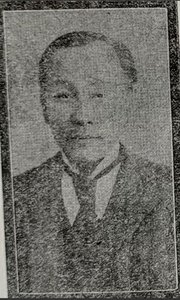
simjeon an jung-sik
1861 - 1919 , South Korea
Detalii rapide
- Artistic Movement Or Style: Western American Art
- Artists Or Movements Influenced By This Artist:
- George Catlin
- Theodore Roosevelt
- Artists Who Influenced This Artist:
- Ernest Meissonier
- Édouard Detaille
- Date Of Birth: October 4, 1861
- Date Of Death: December 26, 1909
- Full Name: Frederic Sackrider Remington
- Nationality: American
- Notable Artworks:
- A Dash for the Timber
- The Bronco Buster
- Place Of Birth: Canton, New York, USA

