

 Previzualizare
 Trimite prin felicitare
 Distribuie
 Detalii despre lucrare
 Ghid
Ghid

 Descarcă imaginea
 Produse similare
 Radiografie
 Galerie foto
 Statistici
Grass and Insects


 Vezi mai mult
Giclée / Imprimare artistică
Printuri giclée sau pe canvas de calitate muzeală, cu proces de producție rapid și opțiuni flexibile de finisare. ( Comandă pictură realizată manual Comută pe Imagine Digitală)




P118B lei10

P118H lei10

P118W lei10

P438Z lei10

P508JH lei12

P508YH lei12

P805H lei10

P805Z lei10

P919BZ lei10

P919G lei10

P919XJ lei10

P959ZH lei10

P968JZ lei12

W106C lei8

W218G lei10

W218JH lei8

W218Y lei10

W307PJ lei10

W316G lei10

W316PJ lei8

W316Y lei10

W398PJ lei8

W4111J lei10

W500HY lei15

W500JH lei15

W692G lei12

W849H lei8

W940BG lei15

W953PJ lei8




Alegeți dintre dimensiunile noastre prestabilite, care respectă proporțiile originale ale operei de artă.

Introduceți lățimea și înălțimea necesare pentru a se potrivi ramei sau peretelui dumneavoastră. O printare poate fi doar tăiată, niciodată extinsă dincolo de dimensiunea imaginii originale, astfel încât o dimensiune cu o formă diferită va pierde o parte din imagine. Vă trimitem o simulare digitală pentru aprobare înainte de a imprima orice. Imaginea afișată pe această pagină nu prezintă tăierea reală — doar simularea arată acest lucru.
Livrare în întreaga lume () în 2 săptămâni, în loc de cele 4/5 săptămâni standard. (25 Octombrie)

Livrare expres gratuită la nivel mondial

Pânză de in de înaltă calitate

Asigurare completă pentru transport

Garanție de rambursare a taxelor vamale

Garanția fidelității culorilor

Politica de retur în 100 de zile (doar pentru defecte de fabricație)

Garanție de rambursare 100%

Ofertă pentru comenzi multiple
 Opțiunea cu sticlă este disponibilă doar pentru dimensiuni de sub 110 cm

Grass and Insects
Giclée / Imprimare artistică
Dimensiune reproducere
-


Preț total calculat
lei 370
Sin Saimdang's "Grass and Insects": A Window into Joseon Dynasty Korea
“Grass and Insects,” painted in 1500 by the remarkable Sin Saimdang, offers a captivating glimpse into the artistic sensibilities of the Joseon dynasty. This exquisite piece, part of a ten-panel folding screen, transcends mere botanical illustration; it’s a vibrant testament to a woman's creative genius within a rigidly structured society. Born in Gangneung in 1504, Saimdang was far more than just a painter – she was a poet, calligrapher, and writer, deeply connected to her family’s legacy at Ojukheon, a site still preserved as a cultural treasure today. The painting's meticulous detail and luminous colors speak volumes about the artistic traditions of the time, reflecting a profound appreciation for nature’s beauty and a mastery of brushwork that would influence generations of Korean artists.
A Symphony of Natural Detail
The scene depicted is a meticulously rendered garden teeming with life. Saimdang's skill lies in her ability to capture the essence of each element – from the plump watermelons and vibrant eggplants to the delicate poppies, hibiscus, and intricate patterns of cockscomb feathers and princess flowers. A remarkable array of insects populate the composition: long-headed grasshoppers, frogs, lizards, dragonflies, dung beetles, mantises, and cicadas, each rendered with astonishing precision. The inclusion of bees flitting around a purple flower highlights the artist's keen observation of the natural world and her ability to translate it onto silk. This isn’t simply a representation; it’s an immersive experience of a Korean garden at its most vibrant.
Technique and Symbolism
The painting is executed with characteristic fine brushstrokes, a hallmark of Saimdang's style, and employs vivid colors achieved through mineral pigments – a testament to the sophisticated techniques employed during the Joseon period. The tenth panel adds another layer of meaning, featuring a critique by O Sechang, a prominent art critic of the time. This suggests that Saimdang’s work was not only admired for its aesthetic qualities but also subjected to rigorous artistic evaluation, reflecting the importance placed on scholarly discourse within Korean art circles. The selection of specific plants and insects likely held symbolic significance, though interpretations vary; watermelons often represented prosperity, while certain flowers were associated with particular virtues or seasons.
Historical Context and Legacy
Created in 1500, “Grass and Insects” provides a valuable window into the artistic landscape of the Joseon dynasty. Saimdang’s work stands as a remarkable achievement for a woman operating within a patriarchal society where artistic pursuits were often considered secondary to domestic duties. Her influence extended beyond her own creations; she mentored younger artists and contributed significantly to the development of Korean painting techniques. Today, reproductions of this stunning artwork offer an opportunity to appreciate not only Saimdang’s exceptional talent but also the rich cultural heritage of Korea – a legacy that continues to inspire awe and admiration.
Întrebări și răspunsuri
Care este culoarea dominantă în "Grass and Insects" de Shin Saimdang?
Driftwood (#c99865) este culoarea dominantă a operei "Grass and Insects" de Shin Saimdang.
Unde pot achiziționa o printă a lucrării "Grass and Insects" de Shin Saimdang?
O ediție print a lucrării "Grass and Insects" de Shin Saimdang poate fi comandată direct pe pagina sa de Print Fine Art: o printă fine art pe canvas din bumbac sau pe hârtie canvas arhivistică.
Cum se încadrează "Grass and Insects" în rândul temelor recurente ale lui Shin Saimdang?
Printre temele consacrate ale lui Shin Saimdang, an gyeon influence, korean court culture, female artistic legacy, ten-panel screen format, o sechang critique – „Grass and Insects” oferă o perspectivă proprie asupra korean painting, shin saimdang, folding screen, plants & insects, joseon dynasty, calligraphy critique, garden scene.
Biografie artist
o artistă pionieră în dinastia Joseon din Coreea
shin saimdang, o artistă polimată din Coreea de Sud, a trăit în perioada Joseon, lăsând o amprentă indelabilă asupra istoriei artei coreene. Născută pe 29 octombrie 1504, în Gangneung, provincia Gangwon, ea nu a fost doar o pictoriță, ci și scriitoare, caligrafă și poetă.primii ani și începuturile artistice
talentul artistic al lui shin saimdang a fost evident încă de la o vârstă fragedă. La doar șapte ani, ea a început să imite stilul pictural al lui an gyeon, un alt artist coreean de prim rang. Casa în care s-a născut, ojukheon, care este tot casa familiei sale materne, rămâne bine conservată și în zilele noastre.contribuții artistice și stil
picturile lui shin saimdang, caracterizate prin pensule fine și culori vibrante, fac parte dintr-un paravan cu zece panouri. Operele sale, precum iarba și insectele, prezintă o varietate de subiecte, inclusiv pepeni, vinete, maci, hibiscus și diverse insecte. Aceste picturi pot fi admirate în cadrul Muzeului Național din Coreea (Seul, Coreea de Sud), unde continuă să inspire pasionații de artă.- vizualizați operele lui shin saimdang pe OriginalUniqueArt: https://OriginalUniqueArt.com/@/shin-saimdang
- explorați colecția Muzeului Național din Coreea: /en/art/show/national-museum-of-korea-seoul/
- descoperiți mai multe despre mișcarea artistică din dinastia Joseon: mișcarea artistică din dinastia Joseon
moștenire și impact
moștenirea lui shin saimdang depășește limitele propriilor sale opere, fiind cunoscută și pentru rolul de mamă a lui yi i, un savant și politician celebru al dinastiei Joseon. Viața și munca sa servesc drept inspirație pentru mulți, întruchipând esența artei coreene din perioada Joseon. opere cheie ale lui shin saimdang:- iarba și insectele (Muzeul Național din Coreea, Seul, Coreea de Sud)
- alte lucrări remarcabile ce prezintă pensule fine și culori clare și vii, parte a unui paravan cu zece panouri.
- an gyeon, un alt pictor coreean prominent din perioada timpurie a dinastiei Joseon.

Shin Saimdang
1504 - 1551 , Coreea de Sud
Detalii rapide
- Artistic Movement Or Style: Art din Dinastia Joseon
- Artists Or Movements Influenced By This Artist: Art din Dinastia Joseon
- Artists Who Influenced This Artist: An Gyeon
- Date Of Birth: 29 octombrie 1504
- Date Of Death: 1551
- Full Name: Shin Saimdang
- Nationality: Coreeană
- Notable Artworks: ['Iarbă și insecte']
- Place Of Birth: Gangneung, Coreea de Sud
Articole similare
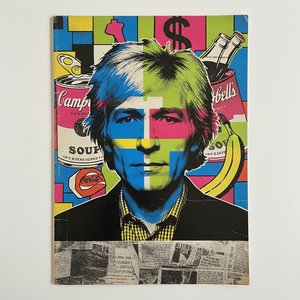
Andy Warhol: Deconstructing Pop Culture & Redefining Artistic Expression
Explore the revolutionary art of Andy Warhol & the Pop Art movement. Discover his iconic techniques, cultural impact, and investment potential. A guide for discerning collectors.

Dots & Screens: The Industrial Secrets Behind 1960s Pop Art Masterpieces
Explore the industrial secrets of 1960s Pop Art. Discover how Ben-Day dots and silk screening transformed mass media into masterpieces by Roy Lichtenstein. An in-depth look at the intersection of mechanical printing and fine art history for students and collectors.

Beyond the Screen: Transforming Personal Memories into Timeless AI-Driven Anime Masterpieces
Experience the magic of digital metamorphosis. Transform your cherished photos into stunning, hand-painted anime masterpieces using our proprietary AI technology and professional artists. Elevate your personal story with a timeless, high-quality oil painting on canvas.
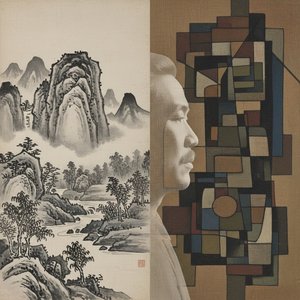
Yi Eungro: Bridging East & West in the Landscape of Korean Modernism
Explore the captivating world of Yi Eungro (Lee Ungno), a pivotal figure in Korean modernism. Discover his unique fusion of Eastern and Western artistic traditions, abstract masterpieces, and lasting legacy. A must-read for discerning art collectors.
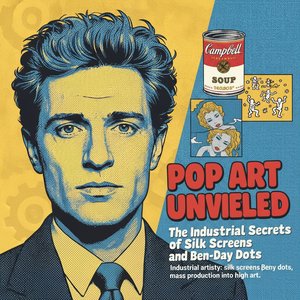
Pop Art Unveiled: The Industrial Secrets of Silk Screens and Ben-Day Dots
Explore the industrial artistry of Pop Art. Delve into the sophisticated history of Ben-Day dots and silk screen techniques that transformed mass media into high art, perfect for discerning collectors seeking deep historical insight and aesthetic excellence.