
 Previzualizare
 Trimite prin felicitare
 Distribuie
 Detalii despre lucrare
 Ghid
Ghid

 Descarcă imaginea
 Produse similare
 Radiografie
 Galerie foto
 Întrebări și răspunsuri
 Statistici
Mama și copil


 Vezi mai mult
Lucrarea de artă afișată pe această pagină este protejată de legile privind drepturile de autor, ceea ce înseamnă că nu putem crea sau vinde în mod legal o reproducere identică. Această protecție este garantată prin acorduri internaționale, precum Convenția de la Berna și de legile naționale, inclusiv cele prevăzute de Legea dreptului de autor din S.U.A. – Titlul 17. Toate drepturile rezervate. Orice reproducere neautorizată este interzisă.
Această metodă respectă pe deplin reglementările privind drepturile de autor, deoarece nu implică copierea sau duplicarea operei protejate. În schimb, este o reinterpretare creativă – o pictură nouă, influențată de original, dar care nu este identică cu acesta.
Giclée / Imprimare artistică
Printuri giclée sau pe canvas de calitate muzeală, cu proces de producție rapid și opțiuni flexibile de finisare. ( Comandă pictură realizată manual Comută pe Imagine Digitală)




P118B lei10

P118H lei10

P118W lei10

P438Z lei10

P508JH lei12

P508YH lei12

P805H lei10

P805Z lei10

P919BZ lei10

P919G lei10

P919XJ lei10

P959ZH lei10

P968JZ lei12

W106C lei8

W218G lei10

W218JH lei8

W218Y lei10

W307PJ lei10

W316G lei10

W316PJ lei8

W316Y lei10

W398PJ lei8

W4111J lei10

W500HY lei15

W500JH lei15

W692G lei12

W849H lei8

W940BG lei15

W953PJ lei8




Alegeți dintre dimensiunile noastre prestabilite, care respectă proporțiile originale ale operei de artă.

Introduceți lățimea și înălțimea necesare pentru a se potrivi ramei sau peretelui dumneavoastră. O printare poate fi doar tăiată, niciodată extinsă dincolo de dimensiunea imaginii originale, astfel încât o dimensiune cu o formă diferită va pierde o parte din imagine. Vă trimitem o simulare digitală pentru aprobare înainte de a imprima orice. Imaginea afișată pe această pagină nu prezintă tăierea reală — doar simularea arată acest lucru.
Livrare în întreaga lume () în 2 săptămâni, în loc de cele 4/5 săptămâni standard. (7 Noiembrie)

Livrare expres gratuită la nivel mondial

Pânză de in de înaltă calitate

Asigurare completă pentru transport

Garanție de rambursare a taxelor vamale

Garanția fidelității culorilor

Politica de retur în 100 de zile (doar pentru defecte de fabricație)

Garanție de rambursare 100%

Ofertă pentru comenzi multiple
 Opțiunea cu sticlă este disponibilă doar pentru dimensiuni de sub 110 cm

Mama și copil
Giclée / Imprimare artistică
Dimensiune reproducere
-


Preț total calculat
lei 387
Zainul Abedin: A Beacon of Bangladeshi Art
Zainul Abedin (জয়নুল আবেদিন), revered as Bangladesh’s *Shilpacharya* – Great Master of Art – stands as a monumental figure in the nation's artistic landscape. Born December 29, 1914, in Kishoreganj, his formative years were marked by an innate fascination for capturing the essence of rural Bengali life through sketching and observation—a passion that would propel him to become one of Bangladesh’s most influential artists. His formal artistic training at Calcutta (now Kolkata) from 1933 to 1938 provided invaluable exposure to diverse artistic movements, shaping his early stylistic sensibilities and establishing a foundation for his groundbreaking achievements.- Early Influences: Abedin’s initial style drew inspiration from traditional Bengali art forms—particularly folk motifs and stylized depictions of rural landscapes—reflecting the cultural heritage of his homeland.
- The Bengal Famine Series: His ascent to artistic prominence arrived in 1944 with the poignant “Bengal Famine Series,” a collection of ink and watercolor paintings documenting the devastating consequences of the 1943 famine. These works transcended mere representation; they conveyed profound empathy for the suffering endured by victims, cementing Abedin’s reputation as a social realist artist committed to confronting societal injustices.
The Famine Series: A Testament to Suffering and Resilience
These paintings are not simply visual records of hardship but powerful expressions of human dignity amidst despair. Abedin skillfully employed stark lines and muted colors—a deliberate stylistic choice—to convey the grim realities faced by Bengali families during the famine. The resulting images resonate with an enduring emotional impact, prompting viewers to contemplate themes of vulnerability, compassion, and the importance of collective responsibility. Critics universally acknowledge these works as a cornerstone of Bangladeshi social realism and a testament to Abedin’s artistic integrity.Beyond Realism: Embracing Modern Aesthetic
Despite his unwavering commitment to portraying social realities, Abedin swiftly evolved beyond traditional stylistic conventions, embracing the burgeoning modernist aesthetic that was gaining traction across Europe and Asia. This transition is evident in his later paintings—particularly “Manpura ’70”—where he utilized bold brushstrokes and a restrained palette to depict the devastating cyclone and famine of 1970, capturing the anguish and vulnerability of coastal Bangladesh with remarkable sensitivity.“Mother and Child”: Symbolism and Emotional Depth
“Mother and Child,” created in 1960, exemplifies Abedin’s ability to distill complex emotions into a deceptively simple composition. Rendered in color pencil on cartes paper, the artwork portrays a woman cradling her child—a motif imbued with universal symbolism representing nurturing, protection, and unconditional love. The artist's masterful technique—characterized by precise lines and subtle tonal variations—enhances the painting’s emotional resonance, inviting contemplation on themes of familial bonds and enduring human compassion. It stands as a poignant reminder of Abedin’s unwavering belief in art’s capacity to illuminate the human condition and inspire empathy for those facing adversity.Legacy and Influence
Zainul Abedin's artistic legacy extends far beyond his individual oeuvre, shaping the trajectory of Bangladeshi art history and inspiring generations of artists. His pioneering approach to social realism—coupled with his embrace of modernist aesthetics—established him as a pivotal figure in Bangladesh’s cultural identity. Today, his works continue to captivate audiences worldwide, serving as enduring symbols of compassion, resilience, and the transformative power of artistic expression.Întrebări și răspunsuri
Ce culoare domină compoziția lucrării "Mama și copil" de Shilpacharya Zainul Abedin?
Magenta de quinacridonă (#774f46) este culoarea dominantă a operei "Mama și copil" de Shilpacharya Zainul Abedin.
Cum este descrisă atmosfera din "Mama și copil" de Shilpacharya Zainul Abedin?
Ambianta generală a operei "Mama și copil" de Shilpacharya Zainul Abedin este Serenitate. Această stare descrie atmosfera generală a lucrării.
Există lucrări similare cu "Mama și copil"?
Pagina Lucrări similare pentru "Mama și copil" de Shilpacharya Zainul Abedin prezintă opere de artă similare.
Biografie artist
Zainul Abedin: A Pioneer of Bangladeshi Art
Early Life and Education
- Zainul Abedin was born on December 29, 1914, in Kendujang, Bangladesh.
- He demonstrated an early passion for art, sketching landscapes and village life.
- Abedin received his formal artistic training at the Government Art School in Calcutta (now Kolkata) from 1933 to 1938.
- His time in Calcutta exposed him to various artistic styles and techniques, shaping his early development.
The Bengal Famine Series and Early Work
- Abedin rose to prominence in 1944 with his poignant series of paintings depicting the devastating Bengal famine of 1943.
- These works, rendered in ink and watercolor on paper, powerfully captured the suffering and desperation of the victims.
- The famine series is considered a landmark achievement in social realism and remains some of his most iconic work.
- His early style was influenced by traditional Bengali art forms but quickly evolved towards a more modern aesthetic.
Establishing the Institute of Arts and Crafts
- Following the partition of India in 1947, Abedin moved to East Pakistan (now Bangladesh).
- In 1948, he played a pivotal role in establishing the Institute of Arts and Crafts at the University of Dhaka.
- This institution became a breeding ground for modern art in Bangladesh, nurturing generations of artists.
- Abedin served as its principal for many years, shaping the curriculum and fostering a vibrant artistic community.
Artistic Development and Style
- Abedin’s style evolved over time, incorporating elements of Cubism, Expressionism, and traditional Bengali folk art.
- He experimented with various mediums, including oil paint, watercolor, and etching.
- His work often focused on the lives of ordinary people – farmers, laborers, and rural communities.
- Mother and Child is a notable example showcasing his sensitive portrayal of human relationships.
- He was known for his mastery of line and form, creating dynamic compositions with a strong sense of movement.
Major Achievements and Recognition
- Abedin received numerous awards and accolades throughout his career, including the National Award of Pakistan in 1964.
- He was honored with the title ‘Shilpacharya’ (Great Teacher of the Arts) by the Government of Bangladesh for his significant contributions to the nation's artistic heritage.
- His work has been exhibited internationally, bringing Bangladeshi art to a global audience.
Historical Significance and Legacy
- Zainul Abedin is considered the pioneer of modern art in Bangladesh and a key figure in the country’s cultural identity.
- His paintings served as powerful social commentary, raising awareness about issues such as poverty, famine, and injustice.
- He inspired countless artists to embrace their own cultural heritage and explore new artistic possibilities.
- Abedin's legacy continues to resonate today, shaping the landscape of Bangladeshi art and inspiring future generations.

Shilpacharya Zainul Abedin
1914 - 1976 , Bangladesh
Detalii rapide
- Name: Zainul Abedin
- Movement: Modern art, Social Realism
- Birth Date: December 29, 1914
- Death Date: May 28, 1976
- Birth Place: Kendujang, Bangladesh
- Nationality: Bangladeshi
- Date Of Birth: 1914
- Date Of Death: 1976
- Notable Works: Bengal famine paintings, Mother and Child, Study of a Crow
- Place Of Birth: Kendujang, Bangladesh
Articole similare
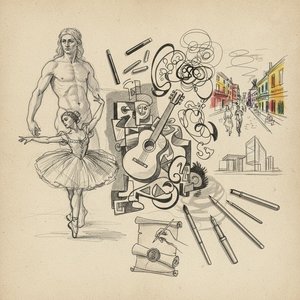
The Eloquent Line: Exploring the Artistic Significance of Sketches Across Movements and Media
Explore the profound artistic significance of sketches throughout history. From Renaissance masters to modern innovators like Van Gogh & Guston, discover how these foundational works reveal technique, emotion, and vision. Learn more at OriginalUniqueArt.
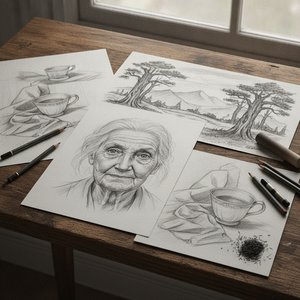
The Timeless Beauty of Pencil Sketches: Mastering the Art of Line, Shadow, and Tonal Depth
Explore the profound elegance of pencil and charcoal sketching. Discover how masters use line, shadow, and chiaroscuro to capture light and texture, bridging the gap between preparatory studies and timeless fine art masterpieces.
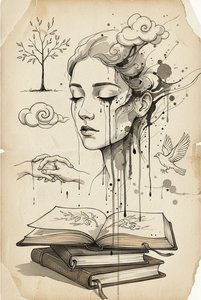
Ephemeral Lines: Exploring Emotional Resonance in Ink Sketching Traditions
Explore the profound art of ink sketching! Discover techniques to express emotion, master line work, and cultivate artistic sensitivity. Learn from historical masters & unlock your creative potential.

De la Pixel la Schiță: Transformarea Autentică a Fotografiilor în Desene Realizate cu AI – O Explorare a Esenței și Purității Momentului
Transformă fotografiile tale în opere de artă unice cu OriginalUniqueArt! Picturi ulei handmade realizate de artiști talentați, calitate superioară și garanție 100%. Creează o moștenire vizuală atemporală. Comandă acum!
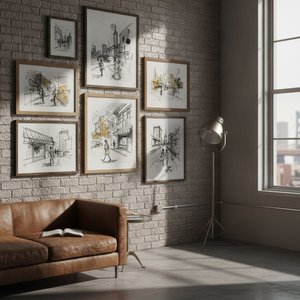
Raw Energy: Why Sketch Studies are the Ultimate Urban Vibe for Your Walls
Elevate your space with the raw energy of sketch studies. Discover how the unfiltered power of charcoal, line, and gesture creates the ultimate urban vibe for modern interiors. Expert trends in contemporary wall art curation for the design-conscious professional.
