
 Previzualizare
 Trimite
 Distribuie
 Detalii despre lucrare

 Descarcă
 Produse similare
 Radiografie
 Diapozitive automate
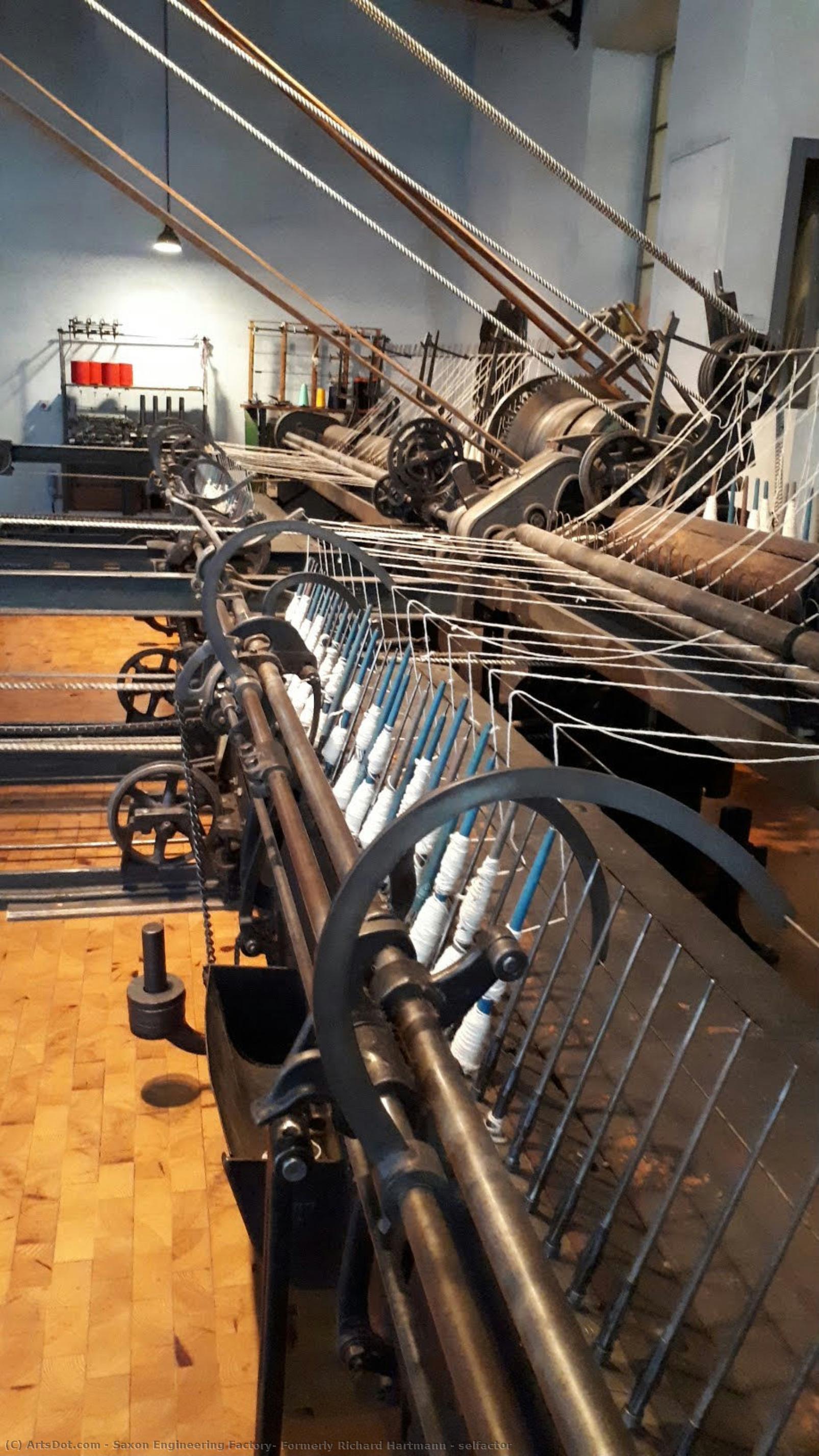
selfactor


 Vezi mai mult
Achiziționați o imagine digitală de înaltă rezoluție, îmbunătățită, mult superioară previzualizării online.
Fiecare fișier este pregătit cu meticulozitate de specialiștii noștri interni, utilizând instrumente avansate și retușare manuală expertă. Ne asigurăm că fiecare imagine beneficiază de o claritate excepțională, o acuratețe precisă a culorilor și detalii fine.
Fișierul final este livrat prin e-mail în termen de 72 de ore, optimizat pentru utilizare imediată în medii profesionale, editoriale și de imprimare. Aceasta este aceeași calitate în care au încredere studiouri de design, edituri și galerii de top.
Imagine Digitală
Descărcați un fișier la rezoluție înaltă pentru afișare personală, imprimare și proiecte creative. ( Comandă printul Comandă pictură lucrată manual)
Inclus în fiecare comandă de imagini digitale
Livrare digitală de expertiză, garantată
Când alegeți OriginalUniqueArt.com, nu primiți doar o simplă imagine – primiți o operă de artă digitală îmbunătățită profesional, creată cu precizie și susținută de o garanție de satisfacție. Iată tot ceea ce primești odată cu comanda ta, în mod automat:

Livrare rapidă prin e-mail
Fișierul imaginii digitale la rezoluție înaltă vă va fi trimis prin e-mail în termen de 72 de ore de la finalizarea comenzii – gata pentru utilizare imediată.

Fișier digital optimizat prin IA
Opera ta de artă este optimizată profesional prin intermediul unor instrumente AI avansate și al editării manuale, asigurând un nivel maxim de detalii, claritate și acuratețe a culorilor.

Retransmitere gratuită pe viață
Ai șters sau ai pierdut din greșeală fișierul? Nu îți face griji – ți-l vom retrimite oricând, gratuit.

Fără taxe de import – Întotdeauna
Bucură-te instant de noua ta operă de artă, fără taxe vamale, taxe de import sau costuri de livrare – descărcările digitale sunt întotdeauna fără taxe.

Garanția acurateții culorilor
Asigurăm o reflectare cât mai fidelă a culorilor originale în imaginea ta digitală, prin utilizarea unor instrumente profesionale și a proceselor de gestionare a culorii.

Garanție de satisfacție de 60 de zile
Dacă nu sunteți mulțumit de imaginea digitală achiziționată, o vom revizui sau vă vom returna 100% în termen de 60 de zile – fără nicio explicație necesară.

Garanție de returnare 100% a banilor
Nu ești mulțumit? Obține o rambursare completă în termen de 60 de zile de la primirea fișierului tău digital – fără întrebări.

Reduceri pentru comenzi în volum
Cumpără 3 imagini, economisește 10% - Cumpără 5, economisește 15% - Cumpără 10+, economisește 20%. Ideal pentru proiecte creative, galerii și agenții.
Biografie artist
From Railway Pioneers to Industrial Titans: The Legacy of Saxon Engineering Factory, Formerly Richard Hartmann
The story of the Saxon Engineering Factory, formerly Richard Hartmann, is more than a chronicle of industrial innovation; it’s a compelling narrative woven into the very fabric of Germany's 19th and 20th-century ascent. Founded in 1839 by Richard Hartmann in Chemnitz, Saxony, the enterprise began as a modest railway workshop, responding to the burgeoning demand for locomotives during Europe’s “railway mania.” Hartmann wasn’t merely building trains; he was constructing the arteries of progress, facilitating trade, connecting communities, and reshaping the economic landscape. His early success stemmed from a commitment to quality and precision engineering – hallmarks that would define the company for generations. The initial focus on locomotive construction quickly expanded to include railway cars, forging a reputation for reliability and durability that secured Hartmann’s position as a leading force in the German rail industry. This period wasn't simply about fulfilling orders; it was about mastering new technologies, refining manufacturing processes, and establishing a skilled workforce – laying the foundation for future diversification.Expansion, Innovation, and the Rise of a Manufacturing Powerhouse
As the railway network matured, Richard Hartmann astutely recognized the need to broaden his company’s scope. The latter half of the 19th century witnessed a remarkable period of expansion, driven by relentless innovation. While locomotives remained central, Hartmann ventured into the production of stationary engines, boilers, and increasingly complex industrial machinery. This diversification wasn't accidental; it was a strategic response to evolving market demands and a testament to the company’s engineering prowess. The factory became a crucible for technological advancement, attracting talented engineers and fostering a culture of experimentation. Crucially, Hartmann embraced steel production, establishing its own steelworks to ensure control over material quality and reduce reliance on external suppliers. This vertical integration proved pivotal, allowing the company to maintain competitive pricing and consistently deliver superior products. The factory’s growth mirrored Germany's own industrial revolution, becoming a symbol of national ambition and technological achievement. Hartmann’s locomotives weren’t just powering trains; they were propelling Germany towards economic dominance.Navigating War, Reconstruction, and the Challenges of the 20th Century
The 20th century presented unprecedented challenges for the Saxon Engineering Factory. The two World Wars demanded a shift in production priorities, with the factory contributing significantly to the German war effort – manufacturing locomotives for military transport, artillery pieces, and other wartime necessities. This period was marked by immense strain on resources and workforce, but also demonstrated the company’s adaptability and resilience. Following both wars, the factory faced the arduous task of reconstruction, grappling with economic instability, political upheaval, and the devastation of infrastructure. The post-war era saw a renewed focus on civilian production, albeit within the constraints of a changing geopolitical landscape. The nationalization of industries in East Germany after World War II profoundly impacted the company, transforming it into a state-owned enterprise known as VEB Lokomotivbau Karl Marx. Despite the limitations imposed by centralized planning, the factory continued to produce locomotives and railway equipment, albeit with reduced autonomy and innovation.Transformation and Legacy in a Unified Germany
The reunification of Germany in 1990 brought about another period of dramatic change for the Saxon Engineering Factory. The transition from a centrally planned economy to a market-based system was fraught with difficulties, requiring significant restructuring and modernization. Following privatization, the company underwent several ownership changes and strategic realignments. Today, while no longer operating under the Hartmann name, its legacy endures through various successor companies specializing in railway technology and industrial engineering within the Chemnitz region. The factory’s historical archives remain a valuable resource for understanding Germany's industrial past, documenting decades of innovation, craftsmanship, and entrepreneurial spirit.- The company played a vital role in establishing Saxony as a major industrial center.
- Hartmann’s commitment to quality engineering set a benchmark for the German railway industry.
- Its ability to adapt to changing market demands ensured its long-term survival through periods of significant upheaval.


