Comută pe versiunea Print
 Vezi mai mult







































 Pentru opere de artă sau reproduceri care depășesc 105 cm (aproximativ 41 de inch) pe oricare dintre laturi, cadrul va fi livrat demontat, sub formă de kit. Această metodă asigură o livrare sigură și previne deteriorarea în timpul transportului.


A Visual Echo of Dante’s Epic Journey
In the delicate interplay of line and light, Sandro Botticelli’s Drawings for Dante’s Divine Comedy offer far more than a mere illustration of a literary masterpiece; they serve as a profound intellectual and artistic dialogue between poet and painter. Created around 1495-1496 under the prestigious patronage of Lorenzo di Pierfrancesco de’ Medici, these works emerged during the height of Florentine humanism. Botticelli did not simply seek to replicate the narrative beats of Dante's Inferno, Purgatorio, and Paradiso; instead, he wrestled with the monumental challenge of translating complex theological allegory and philosophical contemplation into a visual language. The result is a series of works that capture the very essence of the soul's journey through the afterlife, inviting viewers to wander through landscapes of both profound terror and celestial grace.
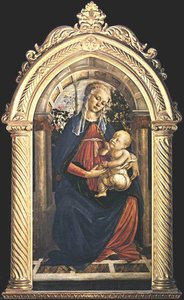
The composition of these drawings presents a captivating tapestry of religious and mythological elements. Within the frame, one might encounter angels poised atop rolling hills, their ethereal presence acting as silent sentinaries over the human drama unfolding below. A diverse crowd of figures—some gathered in solemn lines, others scattered in moments of individual struggle—populates the scene, creating a sense of rhythmic movement that guides the eye across the panel. This arrangement creates an intriguing visual experience, where the boundaries between the earthly and the divine become beautifully blurred, making it an ideal centerpiece for those seeking art that provokes deep thought and conversation.
Mastery of Line and the Florentine Spirit
Beyond their narrative purpose, these drawings reveal Botticelli’s unmistakable stylistic signature, characterized by a graceful fluidity and an almost otherworldly luminosity. While many of his contemporaries in Florence were moving toward bolder, more muscular forms, Botticelli maintained a devotion to disegno—the art of precise, expressive drawing. His technique, often utilizing tempera on poplar panels, allows for subtle tonal gradations that lend the figures a soft, breathing quality. The meticulous attention to detail, from the delicate folds of drapery to the emotive, searching expressions on the faces of celestial beings, demonstrates a mastery of form that serves as the foundation for his more famous paintings.
For the discerning collector or interior designer, these works represent a pinnacle of Renaissance elegance. The fine, rhythmic linework provides a sense of structural clarity, while the delicate coloration offers a warmth that can elevate any sophisticated space. Whether placed in a sunlit study or a grand gallery, a high-quality reproduction of these drawings brings with it the intellectual fervor of the Medici era. They are not merely decorations but windows into a period where art and literature were inextricably linked, offering an enduring sense of beauty, mystery, and historical depth that continues to inspire the modern eye.
Întrebări și răspunsuri
Unde pot descărca imaginea pentru "Drawings for Dante´s Divine Comedy" de Sandro Botticelli?
Imaginea pentru "Drawings for Dante´s Divine Comedy" de Sandro Botticelli poate fi descărcată de pe pagina dedicată lucrării, Descărcare: descărcare imagine digitală de înaltă rezoluție.
Ce format și orientare de imprimare se recomandă pentru "Drawings for Dante´s Divine Comedy" de Sandro Botticelli?
Pentru "Drawings for Dante´s Divine Comedy", dimensiunea de imprimare recomandată este Small, cu orientarea Landscape.
Cine a creat "Drawings for Dante´s Divine Comedy" și în ce stil este realizată?
"Drawings for Dante´s Divine Comedy" a fost creat de Sandro Botticelli, în stilul Renaissance Humanism. Artistul și mișcarea definesc tradiția acestei opere.
 Previzualizare
 Trimite prin felicitare
 Distribuie
 Detalii despre lucrare
 Ghid
Ghid

 Descarcă imaginea
 Produse similare
 Radiografie
 Galerie foto
 Q&A
Q&A Statistici