Vezi în context
 Trimite
 Distribuie
 Detalii
 Ghidul

 Descarcă
 Produse similare
 Radiografie
 Diaporama
 Statistici
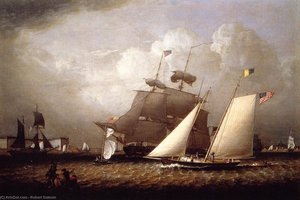
View of Greenock, Scotland


 Citește mai mult
Giclée / Imprimare artistică
Printuri giclée sau pe canvas de calitate muzeală, cu proces de producție rapid și opțiuni flexibile de finisare. ( Comandă pictură realizată manual Treci la imagine digitală)




P118B $10

P118H $10

P118W $10

P438Z $10

P508JH $12

P508YH $12

P805H $10

P805Z $10

P919BZ $10

P919G $10

P919XJ $10

P959ZH $10

P968JZ $12

W106C $8

W218G $10

W218JH $8

W218Y $10

W307PJ $10

W316G $10

W316PJ $8

W316Y $10

W398PJ $8

W4111J $10

W500HY $15

W500JH $15

W692G $12

W849H $8

W940BG $15

W953PJ $8




Alegeți dintre dimensiunile noastre prestabilite, care respectă proporțiile originale ale operei de artă.

Puteți introduce propriile dimensiuni pentru a se potrivi unui anumit cadru sau spațiu. Dacă dimensiunea selectată nu corespunde proporțiilor imaginii originale, vom decupa lucrarea de artă sau vom extinde imaginea cu margini oglindite sau cu o culoare uniformă. Un mockup digital va fi trimis pentru aprobarea dumneavoastră înainte de începerea producției.
Vă rugăm să rețineți că previzualizarea de pe ecran nu reflectă decuparea sau extinderea reală. Doar mockup-ul va arăta cu exactitate compoziția finală.
Deși dimensiunile personalizate sunt disponibile, vă recomandăm să selectați o dimensiune din lista predefinită pentru a păstra proporțiile originale.
Livrare în întreaga lume () în 2 săptămâni, în loc de cele 4/5 săptămâni standard. (27 Septembrie)

Livrare expres gratuită la nivel mondial

Pânză de in premium

Asigurare completă pentru transport

Garanție de rambursare a taxelor vamale

Garanția fidelității culorilor

Politica de retur în 100 de zile (doar pentru defecte)

Garanție de rambursare 100%

Reducere pentru comenzi multiple
 Opțiunea cu sticlă este disponibilă doar pentru dimensiuni de sub 110 cm

View of Greenock, Scotland
Giclée / Imprimare artistică
Dimensiune reproducere
-


Preț total
$ 80
A Panoramic Vision of Industry and Nature – Robert W. Salmon’s ‘View of Greenock’
Robert W. Salmon's 1816 painting, “View of Greenock, Scotland,” isn’t merely a landscape; it’s a meticulously observed snapshot of a burgeoning port city on the cusp of transformation. More than two centuries after its creation, this oil-on-canvas masterpiece offers a rare glimpse into the heart of a Scottish industrial awakening, blending the romantic ideals of the late 18th and early 19th centuries with a remarkably detailed depiction of everyday life and burgeoning maritime activity. The painting captures Greenock – then a vital trading hub on the River Clyde – not as a pristine wilderness but as an integrated part of its environment, showcasing the complex relationship between human settlement and the natural world.
Salmon’s artistic lineage is immediately apparent. He was deeply influenced by the Dutch masters of the 17th century, particularly their skill in rendering atmospheric perspective and capturing the subtle nuances of light and shadow. Furthermore, he drew inspiration from Italian *vedute* – landscape views – exemplified by artists like Claude Lorrain, whose emphasis on idealized landscapes and dramatic lighting resonates strongly within Salmon’s composition. This fusion of styles results in a painting that is both technically proficient and emotionally evocative, transporting the viewer to a specific moment in time and place.
The Scene Unfolds: A City in Transition
The painting immediately establishes a sense of depth and perspective through a carefully orchestrated arrangement of elements. The foreground features a small group of figures – likely travelers or laborers – resting near a cart and scattered belongings, providing a human scale to the vast landscape. These individuals are positioned strategically to draw the eye into the scene, leading us towards the sprawling cityscape nestled along the River Clyde. The buildings themselves—a mix of warehouses, factories, and residential structures—are rendered with remarkable precision, reflecting Salmon’s keen observational skills and his understanding of urban planning. Notice the linear arrangement of streets, mirroring a nascent grid system that would soon define Greenock's development.
Dominating the midground is the River Clyde, teeming with sailing vessels – evidence of Greenock’s thriving trade in timber, coal, and other commodities. The masts and sails create a dynamic interplay of lines, adding movement and vitality to the composition. The distant hills provide a dramatic backdrop, anchoring the scene within its geographical context. Salmon masterfully employs atmospheric perspective—the subtle shift in color and detail as objects recede into the distance—to convey the immense scale of the landscape and the sense of depth that stretches towards the horizon.
Symbolism and Historical Context
“View of Greenock” is more than just a topographical record; it’s imbued with symbolic meaning. The painting reflects a pivotal moment in Scottish history – the aftermath of the Napoleonic Wars and the rapid expansion of industrialization. Greenock, strategically located at the “Tail of the Bank,” where the Clyde deepens into the Firth of Clyde, was rapidly becoming a major port for exporting Scotland’s agricultural produce and importing manufactured goods. The presence of numerous ships signifies Greenock's growing importance as a commercial center, while the figures in the foreground represent the human cost – and potential benefits – of this economic transformation.
The painting also offers insights into the social fabric of Greenock at the time. The washerwomen depicted in the foreground are a common motif in 19th-century art, symbolizing hard work and domesticity. Their presence reminds us that even amidst the bustle of industrial activity, everyday life continued much as it always had.
A Legacy Preserved: Reproduction and Artistic Impact
Today, “View of Greenock” is held in the collection of the Museo Thyssen-Bornemisza in Madrid. Its enduring appeal lies not only in its technical brilliance but also in its ability to transport us back in time, offering a vivid glimpse into a rapidly changing world. Reproductions of this remarkable painting capture the essence of Salmon’s vision, allowing viewers to appreciate the intricate details and emotional depth of this historical masterpiece. When selecting a reproduction, consider the quality of materials used – oil on canvas is essential for achieving the authentic look and feel of the original—and the level of detail captured in the print.
Salmon's work stands as a testament to his skill and vision, offering a valuable window into the history of Greenock and the broader story of industrialization in Scotland. It’s a painting that continues to resonate with viewers today, reminding us of the enduring power of art to capture both the beauty and complexity of human experience.
Biografie artist
Primii Ani și Formarea Artistică
- Origini: Salmon s-a născut sub numele de Robert Salomon, fiind fiul bijutierului Francis Salomon. Portul aglomerat din Whitehaven a oferit o influență timpurie asupra dezvoltării sale artistice.
- <Influențe timpurii: Deși instruirea sa nu este documentată în detaliu, se crede că a studiat pictorii navali olandezi din secolul al XVII-lea, artiștii italieni de vedute și pe Claude Lorrain.
- <Primele lucrări: Cele mai vechi opere cunoscute ale sale, „Two Armed Merchantmen Leaving Whitehaven Harbor” (1800) și „The ‘Estridge’ off Dover”, demonstrează abilitatea sa timpurie de a surprinde scene maritime.
- <Debutul la Royal Academy: Salmon a expus pentru prima dată la Royal Academy în 1802, marcând un pas semnificativ în cariera sa.
Evoluția Carierei și Stilul Artistic
- <Mutarea la Liverpool (1806): Salmon s-a stabilit în Liverpool și și-a schimbat numele în Salmon. Această perioadă a fost marcată de producerea numeroaselor picturi marine care sunt găzduite astăzi de National Maritime Museum din Londra.
- <Portrete de Nave: Portretele sale de nave dezvăluie o familiaritate profundă cu navele cu pânze și mecanica acestora, reprezentând adesea aceeași embarcațiune din mai multe unghiuri pe aceeași pânză.
- <Popularitate și Colecționari: Opera lui Salmon a câștigat popularitate printre boemii și oameni de seamă din Boston, precum Samuel Cabot, Robert Bennett Forbes și John Newmarch Cushing, indicând recunoașterea sa tot mai mare în America.
- <Pionier al Luminismului: El este considerat o figură cheie în dezvoltarea Luminismului american, influențând artiști precum William Bradford și Fitz Henry Lane. Accentul său pus pe lumină și atmosferă a creat scene senine și liniștite.
Opere Remarcabile și Semnificație Artistică
- <Picturi Cheie: Printre cele mai recunoscute opere ale lui Salmon se numără „The Brig 'Ariel'”, „Sailing Ship 'Trelawney'” și „View of Liverpool from Cheshire”. Aceste picturi exemplifică abilitatea sa de a surprinde frumusețea și complexitatea navelor cu pânze.
- <Seria Portului Boston: El a realizat un corpus semnificativ de lucrări care înfățișează portul Boston, prezentând viața maritimă și Bostonul istoric. „Boston Harbor from Castle Island (Ship Charlotte)” este un exemplu notabil.
- <Influența asupra Artei Americane: Stilul lui Salmon a influențat profund generațiile ulterioare de pictori de peisaje marine americani, contribuind la dezvoltarea Luminismului ca un mișcare artistică importantă.
Moștenire și Recunoaștere
- <Colecții în Muzee: Operele lui Salmon sunt păstrate în instituții prestigioase, inclusiv U.S. Naval Academy, Museum of Fine Arts din Boston și National Maritime Museum din Greenwich.
- <Impact Durabil: Picturile sale continuă să inspire artiștii de astăzi, servind drept mărturie a îndemânării și artei sale.
- <Părintele Luminismului American: Moștenirea lui Salmon este ferm stabilită ca fiind cea a unui pionier al Luminismului american, lăsând o amprentă indelibilă asupra lumii artei.

Robert W. Salmon
1775 - 1845 , Regatul Unit
Informații rapide
- Artistic Movement Or Style: American Luminism
- Artists Who Influenced This Artist:
- Dutch marine painters
- Italian vedute artists
- Claude Lorrain
- Date Of Birth: 1775
- Full Name: Robert W. Salmon
- Nationality: British
- Notable Artworks:
- Sailing Ship 'Trelawney'
- Boston Harbor from Castle Island
- Place Of Birth: Whitehaven, United Kingdom
Articole conexe
Robert W. Salmon: Navigating the Currents of Maritime Painting & American Realism
Explore the captivating maritime paintings of Robert W. Salmon, a pioneer of American Luminism. Discover his Boston Harbor scenes, legacy, and collecting guide at OriginalUniqueArt.

Peisaje Romantice Iconice: 10 Capodopere Artistice pentru Decorul de Lux
Descoperă 10 capodopere romantice iconice de Caspar David Friedrich, Turner și alți maeștri. Explorează istoria artei, emoțiile din peisaje și găsește tablouri canvas perfecte pentru decorul tău pe OriginalUniqueArt.com!
Alexander Nasmyth: Picturing Scotland's Romantic Landscape – Innovation & Identity
Explore the life & art of Alexander Nasmyth, a pivotal figure in Scottish Romantic landscape painting. Discover his iconic works, including portraits of Robert Burns, and learn about his lasting influence on national identity. Fine art reproductions available.

Evocations of Place: A Historical Journey Through Landscape Art
Explore the rich history of landscape art with OriginalUniqueArt. Discover renowned artists, movements like Impressionism & Romanticism, and expert guidance for collecting timeless pieces. Find your perfect serene escape today!

David Roberts: A Scottish Pioneer of Topographical Art & Orientalist Vision
Explore the captivating world of David Roberts, a pioneering Scottish painter renowned for his detailed Orientalist scenes & stunning Egyptian landscapes. Discover his legacy and find museum-quality reproductions at OriginalUniqueArt.