

 Previzualizare
 Trimite prin felicitare
 Distribuie
 Detalii despre lucrare
 Ghid
Ghid

 Descarcă imaginea
 Produse similare
 Radiografie
 Galerie foto
 Statistici
Gallery Low


 Vezi mai mult
Lucrarea de artă afișată pe această pagină este protejată de legile privind drepturile de autor, ceea ce înseamnă că nu putem crea sau vinde în mod legal o reproducere identică. Această protecție este garantată prin acorduri internaționale, precum Convenția de la Berna și de legile naționale, inclusiv cele prevăzute de Legea dreptului de autor din S.U.A. – Titlul 17. Toate drepturile rezervate. Orice reproducere neautorizată este interzisă.
Această metodă respectă pe deplin reglementările privind drepturile de autor, deoarece nu implică copierea sau duplicarea operei protejate. În schimb, este o reinterpretare creativă – o pictură nouă, influențată de original, dar care nu este identică cu acesta.
Giclée / Imprimare artistică
Printuri giclée sau pe canvas de calitate muzeală, cu proces de producție rapid și opțiuni flexibile de finisare. ( Comandă pictură realizată manual Comută pe Imagine Digitală)




































Alegeți dintre dimensiunile noastre prestabilite, care respectă proporțiile originale ale operei de artă.

Introduceți lățimea și înălțimea necesare pentru a se potrivi ramei sau peretelui dumneavoastră. O printare poate fi doar tăiată, niciodată extinsă dincolo de dimensiunea imaginii originale, astfel încât o dimensiune cu o formă diferită va pierde o parte din imagine. Vă trimitem o simulare digitală pentru aprobare înainte de a imprima orice. Imaginea afișată pe această pagină nu prezintă tăierea reală — doar simularea arată acest lucru.
Livrare în întreaga lume () în 2 săptămâni, în loc de cele 4/5 săptămâni standard. (26 Octombrie)

Livrare expres gratuită la nivel mondial

Pânză de in de înaltă calitate

Asigurare completă pentru transport

Garanție de rambursare a taxelor vamale

Garanția fidelității culorilor

Politica de retur în 100 de zile (doar pentru defecte de fabricație)

Garanție de rambursare 100%

Ofertă pentru comenzi multiple
 Opțiunea cu sticlă este disponibilă doar pentru dimensiuni de sub 110 cm

Gallery Low
Giclée / Imprimare artistică
Dimensiune reproducere
-


Preț total calculat
lei 370
Biografie artist
The Poetics of Decay: The Visionary World of Robert Polidori
To gaze upon the work of Robert Polidori is to enter a realm where time itself seems to have paused, caught in the delicate, crumbling embrace of architectural ruin. Born on February 10, 1951, in Montreal, Quebec, Polidori’s life and artistic trajectory reflect a profound connection between geography and memory. Raised in the United States amidst the landscapes of Seattle, Southern California, and New Orleans, his early exposure to diverse environments laid the groundwork for a career dedicated to documenting the physical traces of history. As a Canadian-American photographer, he possesses a unique perspective that bridges the gap between the personal and the monumental, finding deep emotional resonance in the spaces left behind by human civilization.
Polidori’s artistic sensibilities were profoundly shaped by his academic pursuits and early cinematic encounters. His journey through the study of photography and film—influenced by the structural explorations of Michael Snow’s Wavelength—instilled in him a fascination with how light, space, and duration interact within a frame. He drew significant inspiration from Surrealist masters such as René Magritte and Giorgio Morandi, whose works taught him that the most profound truths often lie beneath a surface of quiet contemplation or subtle illusion. This influence is evident in his ability to transform a mere photograph of an abandoned room into a psychological landscape, where the textures of peeling wallpaper and sun-bleached floors evoke unspoken anxieties and the haunting beauty of what has been lost.
Architectural Echoes and the Beauty of Ruin
The hallmark of Polidori’s oeuvre is his mastery of large-scale color photography, a technique that allows him to present architectural decay with an almost tactile intensity. He does not merely document destruction; he celebrates the melancholic grandeur of it. His lens has traveled to the most evocative corners of the globe, capturing the aftermath of catastrophe and the slow erosion of time. From the shell-shocked structures of Beirut and the nuclear silence of Chernobyl to the post-Hurricane Katrina devastation in New and Orleans, Polidori’s work serves as a vital historical record. He captures the way light interacts with debris, turning dust and wreckage into elements of a sublime, dreamlike composition.
His explorations are not limited to disaster zones; they extend into the quiet, dignified decay of colonial legacies and cultural landmarks. His studies of Havana, Cuba, and the interiors of Mumbai or Amman reveal a fascination with how urban environments evolve and dissolve. Through his meticulous attention to textural detail and a muted, sophisticated color palette, he achieves a level of photographic realism that feels both hyper-present and otherworldly. In these images, the architecture becomes a protagonist, telling stories of vanished inhabitants, forgotten rituals, and the inexorable march of entropy.
A Legacy Written in Light and Shadow
The significance of Robert Polidori’s contribution to contemporary photography cannot be overstated. He has been recognized as one of the most esteemed practitioners of large-scale photography, with his work commanding presence in the world's most prestigious institutions. His career is marked by a series of monumental achievements that have solidified his place in the canon of modern art:
- Exhibition Excellence: His work has been featured in solo exhibitions at the Metropolitan Museum of Art in New York, the Musée d'art contemporain de Montréal, and the Martin-Gropius-Bau in Berlin.
- Permanent Collections: Polidori’s photographs are held in the permanent collections of the Museum of Modern Art (MoMA), the J. Paul Getty Museum, the Victoria & Albert Museum, and the Château de Versailles.
- Documentary Depth: Beyond his architectural studies, his ability to document the restoration of historical sites, such as the Château de Versailles, demonstrates a unique capacity to bridge the gap between preservation and artistic expression.
Ultimately, Polidori’s work invites us to share in a collective memory. As curator Paulette Gagnon once noted, his photographic accounts invite viewers to inhabit historical moments, making them part of our shared human experience. By finding the "utopia" within decay, Polidori reminds us that even in the process of falling apart, there is a profound, enduring grace that demands to be seen.

Robert Polidori
1951 -
Detalii rapide
- Full Name: Robert Polidori
- Nationality: British
- Date Of Birth: 1951
- Place Of Birth: London, England
- Notable Artworks: ['5417 Marigny Street']
- Artistic Movement Or Style: Surrealism
- Artists Who Influenced This Artist: ['Salvador Dalí']
- Artists Or Movements Influenced By This Artist: ['Joan Miró']
Articole similare
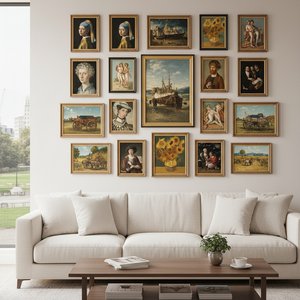
Capodopere la National Gallery Londra: 25 de picturi iconice pentru iubitorii de artă și decor rafinat
Descoperă cele mai iconice 25 de picturi din National Gallery Londra! Explorează poveștile lui Van Gogh, Monet, Da Vinci și Rembrandt. Găsește inspirație pentru decorul casei tale cu reproduceri de artă de calitate muzeală pe OriginalUniqueArt.com.
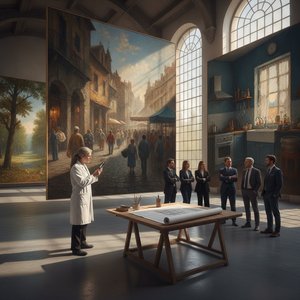
Realism in Art: A Professional Guide to Authentic Detail and Lifelike Masterpieces for Large-Scale Interior Projects
Master the use of Realism in professional interiors. This expert guide explores 19th-century masterpieces, offering procurement managers and designers technical insights into selecting authentic, hand-painted oil reproductions for high-end hotel and corporate projects.
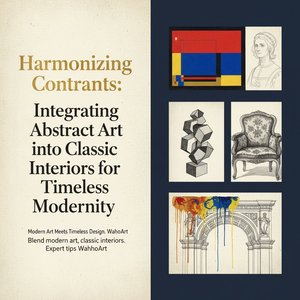
Echilibru și Audență: Integrarea Picturii Abstracte în Interioare Clasice pentru o Modernitate Atemporală
Descoperă ghidul expert OriginalUniqueArt pentru integrarea perfectă a picturii abstracte în interioarele clasice! Sfaturi practice, inspirație și soluții personalizate pentru un decor atemporal și elegant. Transformă-ți spațiul cu artă de calitate!

Romantic Realism's Finest: 10 Masterpieces for Your Home | OriginalUniqueArt
Explore 10 defining masterpieces of Romantic Realism! Discover Courbet, Millet & Daumier's powerful paintings—capturing emotion and social realities. Find museum-quality reproductions for your home at OriginalUniqueArt.com.
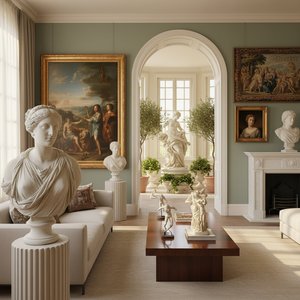
Top 10 Capodopere Neoclasice: Artă, Istorie și Decorațiuni Interioare de Lux
Descoperă top 10 capodopere neoclasice de la David, Ingres și Canova! Explorează istoria artei, tehnicile artistice și semnificația culturală a picturilor și sculpturilor clasice. Găsește reproducerea perfectă pentru decorul tău pe OriginalUniqueArt.com.