Previzualizare
 Trimite prin felicitare
 Distribuie
 Detalii despre lucrare
 Ghid
Ghid

 Descarcă imaginea
 Produse similare
 Radiografie
 Galerie foto
 Statistici
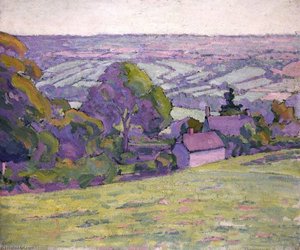
Sub răscruce
 Ulei pe pânză
- Artă de perete
- Early Modernism
 1913
1913 64.0 x 92.0 cm
 Walker Art Gallery
 Vezi mai mult
Reproducere pictată manual în ulei
Pictură în ulei pe pânză, pictată manual de artiștii noștri la dimensiunea și ramele dorite de dumneavoastră, pe comandă. ( Comută pe versiunea Print Comută pe Imagine Digitală)




P118B lei10

P118H lei10

P118W lei10

P438Z lei10

P508JH lei12

P508YH lei12

P805H lei10

P805Z lei10

P919BZ lei10

P919G lei10

P919XJ lei10

P959ZH lei10

P968JZ lei12

W106C lei8

W218G lei10

W218JH lei8

W218Y lei10

W307PJ lei10

W316G lei10

W316PJ lei8

W316Y lei10

W398PJ lei8

W4111J lei10

W500HY lei15

W500JH lei15

W692G lei12

W849H lei8

W940BG lei15

W953PJ lei8




Alegeți dintre dimensiunile noastre prestabilite, care respectă proporțiile originale ale operei de artă.

Introduceți lățimea și înălțimea necesare pentru a se potrivi ramei sau peretelui dumneavoastră. Această lucrare este pictată manual, așa că, pentru o dimensiune cu o formă diferită, artistul poate picta puțin mai mult în jurul imaginii sau poate tăia puțin din margini — dumneavoastră decideți. Vă vom trimite o simulare digitală pentru aprobare înainte de a începe pictarea. Imaginea afișată pe această pagină nu reprezintă rezultatul real — doar simularea este reprezentativă.
După plasarea comenzii, echipa OriginalUniqueArt.com va contacta clientul prin e-mail pentru instrucțiuni și îi va furniza o previzualizare a machetei
Livrare în întreaga lume () în 3-4 săptămâni, în loc de cele 5 săptămâni standard. (28 Octombrie). Fără compromisuri în ceea ce privește calitatea.

Livrare expres gratuită la nivel mondial

Pânză de in de înaltă calitate

Asigurare completă pentru transport

Garanție de rambursare a taxelor vamale

Garanția fidelității culorilor

Politica de retur în 100 de zile (doar pentru defecte de fabricație)

Garanție de rambursare 100%

Ofertă pentru comenzi multiple
 Opțiunea cu sticlă este disponibilă doar pentru dimensiuni de sub 110 cm

Sub răscruce
Tehnică de reproducere
Dimensiune reproducere
-


Preț total calculat
lei 1392
Under the Hammer: A Snapshot of British Modernism
Robert Bevan’s “Under the Hammer,” completed in 1913, isn't merely a depiction of a horse auction; it’s a crystallized moment of artistic transformation—a testament to the burgeoning Fauvist movement and the Camden Town Group’s fascination with capturing everyday life with bold color and uncompromising realism. This oil on canvas masterpiece resides within the Walker Art Gallery in Liverpool, serving as an emblem of British cultural heritage and inviting viewers into a dialogue about art's role in reflecting society.
Artist and Style: Bevan’s Earthy Vision
Robert Polhill Bevan (1865-1925) emerged from a Quaker upbringing—a lineage marked by intellectual rigor and social conscience—to become one of Britain’s foremost innovators in early 20th-century art. His artistic journey began at Westminster School of Art, fostering an appreciation for meticulous observation alongside experimentation with new stylistic approaches. Crucially, his studies in Paris under Fred Brown exposed him to the revolutionary ideas circulating amongst Impressionists and Post-Impressionists like Matisse and Picasso.
Painting Description: Capturing the Essence of Routine
The painting portrays a bustling stable scene—a gathering of individuals intently focused on the impending sale of a horse. Bevan’s masterful technique utilizes oil paint on canvas to achieve remarkable depth and luminosity, skillfully layering tones of ochre, umber, and crimson to convey both the physical environment and the palpable anticipation within the crowd. Notice the careful positioning of figures – some prominent in the foreground, others receding into the background—creating a dynamic composition that draws the eye across the surface.
Historical Context: Fauvism’s Influence
"Under the Hammer" embodies the spirit of Fauvist painting, championed by Bevan and his fellow Camden Town Group artists. Unlike Impressionists who sought to capture fleeting impressions of light and color, Fauvist painters deliberately distorted hues for expressive purposes—a bold rejection of academic conventions. This stylistic choice reflects a broader cultural shift toward embracing emotion and subjectivity in artistic representation.
Importance & Reproduction: Preserving Artistic Legacy
The Walker Art Gallery’s dedication to showcasing Bevan's work underscores the significance of preserving artistic heritage for future generations. For those wishing to experience the beauty and power of “Under the Hammer” firsthand, handmade oil painting reproductions are available at OriginalUniqueArt.com. These reproductions utilize traditional methods and premium materials, faithfully recreating Bevan’s distinctive palette and textural qualities—allowing admirers worldwide to appreciate this pivotal piece of British art history.
Întrebări și răspunsuri
Este "Sub răscruce" reprezentativ pentru temele abordate de obicei de Robert Polhill Bevan?
Temele recurente ale lui Robert Polhill Bevan includ bevan’s fauvist impressionism, camden town group vision, domestic scene reflection, british artistic heritage, early 20th century symbolism; „Sub răscruce” se concentrează pe auction, horse, stable, landscape, figures, painting, britishart.
În ce perioadă și în ce stil a fost creat(ă) "Sub răscruce" de Robert Polhill Bevan?
„Sub răscruce” a fost creat în 1913, făcând parte din mișcarea Early Modernism.
Ce vârstă avea Robert Polhill Bevan când a fost creat "Sub răscruce"?
Robert Polhill Bevan a creat "Sub răscruce" la vârsta de 48. Artistul s-a născut în 1865, iar lucrarea datează din 1913.
Biografie artist
A Pioneer of British Modernism: The Life and Art of Robert Polhill Bevan
Robert Polhill Bevan, born in Hove in 1865, occupies a pivotal yet often understated position within the narrative of early 20th-century British art. Emerging from a Quaker background steeped in banking connections – his parents were Richard Alexander Bevan and Laura Maria Polhill – he defied conventional expectations to become a daring innovator, a key figure in the transition from Impressionism towards more radical explorations of color and form. His journey was one of constant experimentation, absorbing influences from across Europe while forging a distinctly personal artistic vision that would profoundly impact the development of modern art in Britain. Bevan’s early education at Westminster School of Art under Fred Brown provided a solid foundation, but it was his subsequent studies at the Académie Julian in Paris that truly ignited his creative spark. There, he encountered a constellation of rising stars – Paul Sérusier, Pierre Bonnard, Édouard Vuillard, and Maurice Denis – artists who were challenging academic conventions and embracing new approaches to painting. These encounters proved formative, exposing Bevan to the principles of synthetism and laying the groundwork for his future explorations.Early Influences and Parisian Awakening
Bevan’s immersion in Parisian artistic culture was transformative. The Académie Julian wasn't merely a place of instruction; it was a crucible where innovative ideas collided and established traditions were questioned. He immediately gravitated towards artists who championed a departure from traditional realism, prioritizing expressive color and simplified forms—a trend powerfully embodied by Gauguin’s bold landscapes and symbolic imagery. Particularly influential were Sérusier’s Breton landscapes, which demonstrated the power of tonal harmony and the deliberate suppression of detail to convey mood and atmosphere. Bonnard's subtle explorations of light and color offered Bevan a contrasting perspective, highlighting the importance of capturing fleeting moments and conveying emotional nuance. Vuillard’s delicate brushwork and penchant for depicting everyday scenes instilled in Bevan a fascination with portraying ordinary life with artistic sensitivity. And Denis’s unwavering belief in the spiritual dimension of art encouraged Bevan to consider broader philosophical questions alongside his technical skills. These connections cemented Bevan's commitment to synthetism—a stylistic approach that favored flattened planes of color and geometric shapes over meticulous representation—marking him as an early adopter of a movement destined to reshape European painting.Brittany: The Catalyst for Color
Bevan’s two expeditions to Brittany in 1890 and 1891 proved decisive in shaping his artistic trajectory. Drawn to Pont-Aven, a coastal town renowned for its vibrant hues and simplified compositions—a haven for artists seeking respite from the pressures of Parisian society—he was profoundly moved by Gauguin’s pioneering vision of Breton landscape painting. The artist's deliberate use of color to evoke emotion and atmosphere resonated deeply with Bevan, informing his initial sketches and prints. He meticulously studied the interplay of light on water and earth tones, striving to capture the essence of Brittany’s distinctive character—a quest that would continue throughout his career. This fascination wasn’t simply aesthetic; it represented a fundamental shift away from Impressionistic preoccupation with optical accuracy toward a more subjective engagement with visual experience. The influence of Gauguin extended beyond mere stylistic imitation; it instilled in Bevan a conviction that art could communicate profound truths about the human condition—a belief that would permeate his subsequent works.The Fauvist Breakthrough and Divisionist Technique
Around 1904, Bevan embarked on a daring experiment with pure color—a move that foreshadowed the emergence of Fauvism on the continent. His painting “Courtyard” stands as a remarkable testament to this proto-Fauvist impulse, abandoning naturalistic representation in favor of intense chromatic vibrancy—a boldness that distinguished him from many of his peers. He deliberately rejected blending colors to create subtle gradations, opting instead for juxtaposed hues that clashed dramatically yet harmoniously on the canvas. This stylistic choice wasn’t arbitrary; it reflected Bevan's conviction that color possessed inherent expressive power—a belief rooted in his observations of Cézanne and Van Gogh. Furthermore, Bevan honed his artistic skills by mastering divisionist technique—also known as pointillism—evident in masterpieces like “Ploughing on the Downs” and “The Turn-Rice Plough.” This method involved applying tiny dots of color to create an image from which the eye blends them optically, resulting in a luminous surface that captures the subtleties of light and atmosphere. The divisionist approach allowed Bevan to achieve unparalleled textural richness and visual complexity—a feat that cemented his reputation as one of Britain’s foremost innovators.Collective Spirit and Legacy
Bevan wasn't an artist who operated alone; he actively sought collaboration with fellow creatives who shared his vision for modern art. As a founding member of the Camden Town Group, he joined forces with artists determined to depict urban life in London with uncompromising honesty—a challenge to the prevailing artistic conventions of the time. This collective spirit extended to his involvement with the London Group and the Cumberland Market Group, fostering an environment of intellectual exchange and stimulating artistic experimentation. Notably, Bevan’s relationship with Walter Sickert proved particularly fruitful, encouraging him to explore themes of social realism and capturing the psychological complexities of human experience. The Allied Artists’ Association exhibition in 1908 provided another crucial platform for Bevan—introducing him to the burgeoning world of international modernism, notably through his encounter with Wassily Kandinsky. His influence on subsequent generations of painters is undeniable, securing his place as a pivotal figure in British art history and ensuring that his pioneering spirit continues to inspire artists today. Robert Polhill Bevan’s unwavering dedication to artistic innovation—coupled with his profound engagement with the social landscape—solidifies his enduring legacy as a cornerstone of British Modernism.
Robert Polhill Bevan
1865 - 1925 , Regatul Unit
Detalii rapide
- Artistic Movement Or Style: Fauvism, Divisionism
- Artists Or Movements Influenced By This Artist: ['Modern British Art']
- Artists Who Influenced This Artist:
- Paul Gauguin
- Velázquez
- Goya
- Renoir
- Date Of Birth: 1865
- Full Name: Robert Polhill Bevan
- Nationality: British
- Notable Artworks:
- The Farmhouse
- Ploughing on the Downs
- Queen's Grove
- The Cab Horse
- Place Of Birth: Hove, United Kingdom
Articole similare

Hubert Robert: Picturing Ruins, Preserving Memory – A Study of Romantic Antiquarianism & Artistic Innovation
Explore the captivating world of Hubert Robert, master of Romantic landscape painting & 'capriccio' ruins. Discover his historical context, artistic innovations, and collecting insights with OriginalUniqueArt.
Top 10 Capodopere Fauviste: Explozie de Culoare și Expresivitate în Artă | OriginalUniqueArt.ro
Descoperă Top 10 capodopere fauviste – Matisse, Derain și alți maeștri ai culorii! Explorează istoria, tehnicile și expresivitatea picturilor fauve. Reproduceri de artă de calitate muzeală pe OriginalUniqueArt.com. Inspiră-te pentru decorul tău!

David Roberts: A Scottish Pioneer of Topographical Art & Orientalist Vision
Explore the captivating world of David Roberts, a pioneering Scottish painter renowned for his detailed Orientalist scenes & stunning Egyptian landscapes. Discover his legacy and find museum-quality reproductions at OriginalUniqueArt.
Top 10 Capodopere Fauviste: Culoare și Emoție în Arta Modernă | OriginalUniqueArt.ro
Descoperă Top 10 capodopere fauviste – Matisse, Derain și alți maeștri ai culorii! Explorează istoria artei moderne, tehnicile îndrăznețe și emoția vibrantă din picturile fauviste. Reproduceri de artă premium pe OriginalUniqueArt.ro
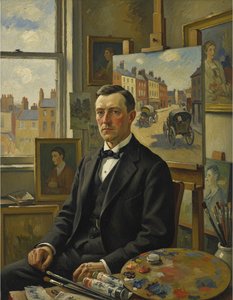
Robert Bevan: Pioneering British Post-Impressionism & the Camden Town Group's Intimate Vision
Explore the life & work of Robert Bevan, a pioneer of British Post-Impressionism and founding member of the Camden Town Group. Discover his vibrant landscapes and lasting impact on early 20th-century art.