
 Vezi în context
 Trimite prin felicitare
 Distribuie
 Detalii

 Descarcă imaginea
 Produse similare
 Radiografie
 Galerie foto
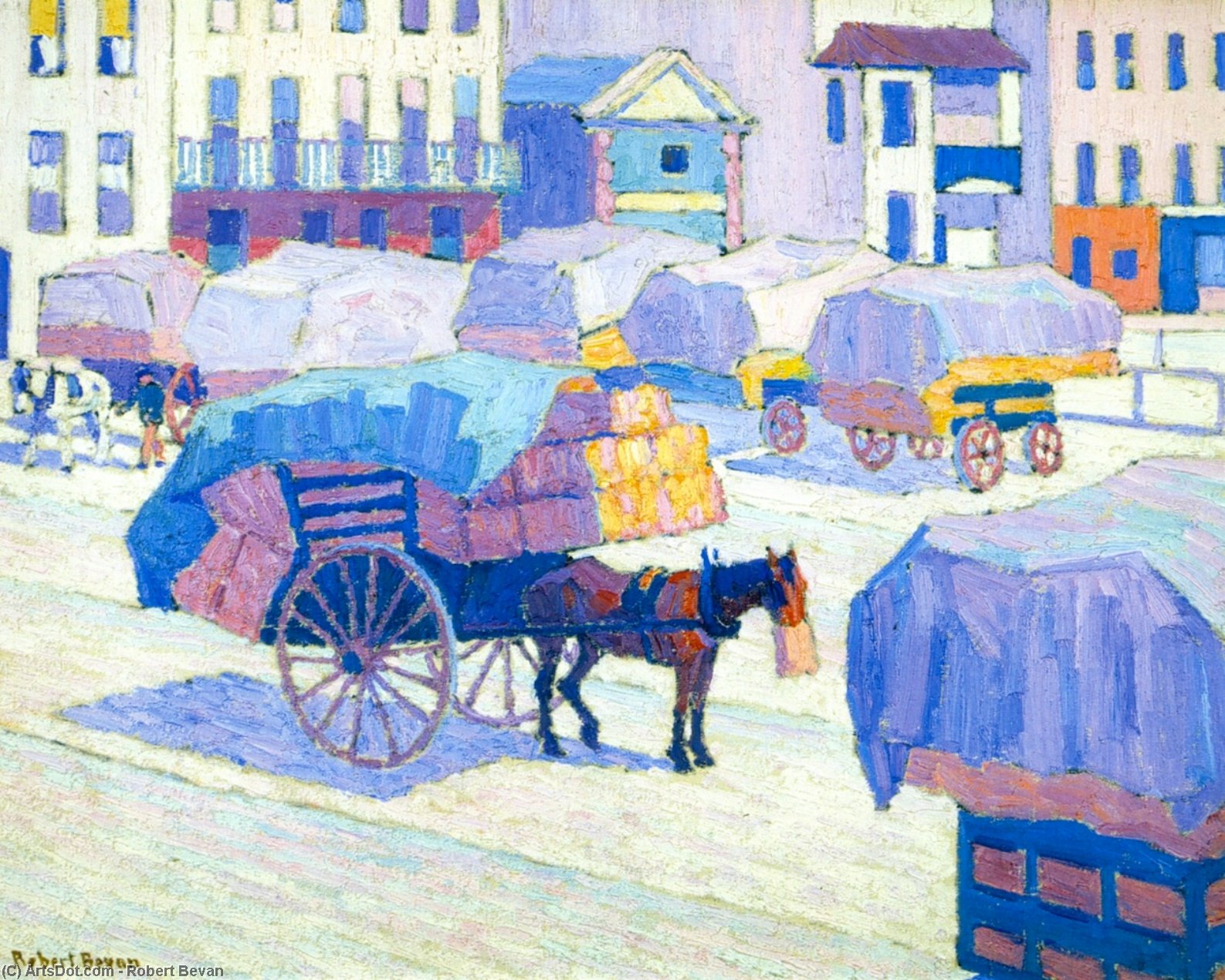
Hay Carts
 Oil On Canvas
- WallArt
- Fauvism
 1915
1915- Modern
 48.0 x 60.0 cm
 Citește mai mult
Reproducere manuală în ulei
Pictură în ulei pe pânză, pictată manual, la dimensiunea și ramele dorite de dumneavoastră, realizată la comandă de artiștii noștri. ( Comandă versiunea tipărită Comută la imagine)




P118B $10

P118H $10

P118W $10

P438Z $10

P508JH $12

P508YH $12

P805H $10

P805Z $10

P919BZ $10

P919G $10

P919XJ $10

P959ZH $10

P968JZ $12

W106C $8

W218G $10

W218JH $8

W218Y $10

W307PJ $10

W316G $10

W316PJ $8

W316Y $10

W398PJ $8

W4111J $10

W500HY $15

W500JH $15

W692G $12

W849H $8

W940BG $15

W953PJ $8




Alegeți dintre dimensiunile noastre prestabilite, care respectă proporțiile originale ale operei de artă.

Puteți introduce propriile dimensiuni pentru a se potrivi unui anumit cadru sau spațiu. Dacă dimensiunea selectată nu corespunde proporțiilor imaginii originale, vom decupa opera de artă sau vom extinde pictura cu elemente suplimentare pictate manual. O simulare digitală vă va fi trimisă pentru aprobare înainte de începerea producției.
Vă rugăm să rețineți că previzualizarea de pe ecran nu reflectă decuparea sau extinderea reală. Doar macheta va arăta cu exactitate compoziția finală.
Deși sunt disponibile dimensiuni personalizate, vă recomandăm să selectați o dimensiune din lista predefinită pentru a păstra proporțiile originale.
După plasarea comenzii, echipa OriginalUniqueArt.com va contacta clientul prin e-mail pentru instrucțiuni și îi va furniza o previzualizare a machetei
Livrare în întreaga lume () în 3-4 săptămâni, în loc de cele 5 săptămâni standard. (7 August). Fără compromisuri în ceea ce privește calitatea.

Livrare expres gratuită la nivel mondial

Pânză de in premium

Asigurare completă pentru transport

Garanție de rambursare a taxelor vamale

Garanția fidelității culorilor

Politica de retur în 60 de zile (doar pentru defecte)

Garanție de rambursare 100%

Reducere pentru comenzi multiple
 Opțiunea cu sticlă este disponibilă doar pentru dimensiuni sub 110 cm

Hay Carts
Tip de reproducere
Dimensiuni reproducere
-


Preț total
$ 300
Descriere operă
A Symphony of Motion: The Vibrant World of Robert Bevan’s Hay Carts
In the heart of 1915, amidst a world undergoing profound transformation, Robert Polhill Bevan captured a fleeting moment of rhythmic vitality in his masterpiece, "Hay Carts." This oil on canvas is far more than a mere depiction of a street scene; it is a sensory experience that invites the viewer to step into a bustling era of transition. The painting presents a lively tableau of horse-drawn carriages and wagons navigating a sunlit thoroughfare, where the heavy labor of the carts meets the casual stride of pedestrians. Through his masterful use of color and composition, Bevan breathes life into the inanimate, turning a routine moment of transport into a dynamic dance of light and movement.
The brilliance of this work lies in its ability to balance the weight of the subject matter with an almost weightless energy. The horses, serving as the focal points of the piece, are rendered with a keen eye for both anatomical presence and spirited character. As they pull their respective loads, there is a palpable sense of momentum that pulls the viewer’s gaze along the road, following the trajectory of the wagons. Bevan utilizes bold, confident brushstrokes that do not merely outline forms but suggest the very vibration of life on a busy street. This technique creates a textured surface where light seems to dance across the canvas, reflecting the shimmering atmosphere of a day in motion.
Modernist Vision and the Art of Everyday Life
As a pioneer of British Modernism and a founding member of the Camden Town Group, Bevan brought a revolutionary perspective to the depiction of everyday life. In "Hay Carts," we see the influence of Fauvism—a movement characterized by its use of intense, non-naturalistic colors to evoke emotion rather than strictly mimic reality. The palette is strikingly vibrant, utilizing rich tones that heighten the sense of warmth and activity. This approach allows the artist to transcend simple documentation, instead offering a psychological landscape where the interaction between humans, animals, and their environment feels deeply interconnected.
For the discerning collector or interior designer, "Hay Carts" offers a unique opportunity to introduce a piece of art history that is both intellectually stimulating and aesthetically pleasing. The painting’s composition—a sophisticated arrangement of diagonal lines and scattered figures—provides a sense of organized chaos that can serve as a captivating centerpiece in any curated space. Whether placed in a contemporary setting to provide a bold pop of color or within a more traditional gallery-style room to evoke a sense of nostalgia, the work radiates an enduring charm. It is a celebration of the beauty found in the mundane, reminding us that even the most routine street scenes hold the potential for profound artistic splendor.
Biografie artist
A Pioneer of British Modernism: The Life and Art of Robert Polhill Bevan
Robert Polhill Bevan, born in Hove in 1865, occupies a pivotal yet often understated position within the narrative of early 20th-century British art. Emerging from a Quaker background steeped in banking connections – his parents were Richard Alexander Bevan and Laura Maria Polhill – he defied conventional expectations to become a daring innovator, a key figure in the transition from Impressionism towards more radical explorations of color and form. His journey was one of constant experimentation, absorbing influences from across Europe while forging a distinctly personal artistic vision that would profoundly impact the development of modern art in Britain. Bevan’s early education at Westminster School of Art under Fred Brown provided a solid foundation, but it was his subsequent studies at the Académie Julian in Paris that truly ignited his creative spark. There, he encountered a constellation of rising stars – Paul Sérusier, Pierre Bonnard, Édouard Vuillard, and Maurice Denis – artists who were challenging academic conventions and embracing new approaches to painting. These encounters proved formative, exposing Bevan to the principles of synthetism and laying the groundwork for his future explorations.Early Influences and Parisian Awakening
Bevan’s immersion in Parisian artistic culture was transformative. The Académie Julian wasn't merely a place of instruction; it was a crucible where innovative ideas collided and established traditions were questioned. He immediately gravitated towards artists who championed a departure from traditional realism, prioritizing expressive color and simplified forms—a trend powerfully embodied by Gauguin’s bold landscapes and symbolic imagery. Particularly influential were Sérusier’s Breton landscapes, which demonstrated the power of tonal harmony and the deliberate suppression of detail to convey mood and atmosphere. Bonnard's subtle explorations of light and color offered Bevan a contrasting perspective, highlighting the importance of capturing fleeting moments and conveying emotional nuance. Vuillard’s delicate brushwork and penchant for depicting everyday scenes instilled in Bevan a fascination with portraying ordinary life with artistic sensitivity. And Denis’s unwavering belief in the spiritual dimension of art encouraged Bevan to consider broader philosophical questions alongside his technical skills. These connections cemented Bevan's commitment to synthetism—a stylistic approach that favored flattened planes of color and geometric shapes over meticulous representation—marking him as an early adopter of a movement destined to reshape European painting.Brittany: The Catalyst for Color
Bevan’s two expeditions to Brittany in 1890 and 1891 proved decisive in shaping his artistic trajectory. Drawn to Pont-Aven, a coastal town renowned for its vibrant hues and simplified compositions—a haven for artists seeking respite from the pressures of Parisian society—he was profoundly moved by Gauguin’s pioneering vision of Breton landscape painting. The artist's deliberate use of color to evoke emotion and atmosphere resonated deeply with Bevan, informing his initial sketches and prints. He meticulously studied the interplay of light on water and earth tones, striving to capture the essence of Brittany’s distinctive character—a quest that would continue throughout his career. This fascination wasn’t simply aesthetic; it represented a fundamental shift away from Impressionistic preoccupation with optical accuracy toward a more subjective engagement with visual experience. The influence of Gauguin extended beyond mere stylistic imitation; it instilled in Bevan a conviction that art could communicate profound truths about the human condition—a belief that would permeate his subsequent works.The Fauvist Breakthrough and Divisionist Technique
Around 1904, Bevan embarked on a daring experiment with pure color—a move that foreshadowed the emergence of Fauvism on the continent. His painting “Courtyard” stands as a remarkable testament to this proto-Fauvist impulse, abandoning naturalistic representation in favor of intense chromatic vibrancy—a boldness that distinguished him from many of his peers. He deliberately rejected blending colors to create subtle gradations, opting instead for juxtaposed hues that clashed dramatically yet harmoniously on the canvas. This stylistic choice wasn’t arbitrary; it reflected Bevan's conviction that color possessed inherent expressive power—a belief rooted in his observations of Cézanne and Van Gogh. Furthermore, Bevan honed his artistic skills by mastering divisionist technique—also known as pointillism—evident in masterpieces like “Ploughing on the Downs” and “The Turn-Rice Plough.” This method involved applying tiny dots of color to create an image from which the eye blends them optically, resulting in a luminous surface that captures the subtleties of light and atmosphere. The divisionist approach allowed Bevan to achieve unparalleled textural richness and visual complexity—a feat that cemented his reputation as one of Britain’s foremost innovators.Collective Spirit and Legacy
Bevan wasn't an artist who operated alone; he actively sought collaboration with fellow creatives who shared his vision for modern art. As a founding member of the Camden Town Group, he joined forces with artists determined to depict urban life in London with uncompromising honesty—a challenge to the prevailing artistic conventions of the time. This collective spirit extended to his involvement with the London Group and the Cumberland Market Group, fostering an environment of intellectual exchange and stimulating artistic experimentation. Notably, Bevan’s relationship with Walter Sickert proved particularly fruitful, encouraging him to explore themes of social realism and capturing the psychological complexities of human experience. The Allied Artists’ Association exhibition in 1908 provided another crucial platform for Bevan—introducing him to the burgeoning world of international modernism, notably through his encounter with Wassily Kandinsky. His influence on subsequent generations of painters is undeniable, securing his place as a pivotal figure in British art history and ensuring that his pioneering spirit continues to inspire artists today. Robert Polhill Bevan’s unwavering dedication to artistic innovation—coupled with his profound engagement with the social landscape—solidifies his enduring legacy as a cornerstone of British Modernism.
Robert Polhill Bevan
1865 - 1925 , Regatul Unit
Informații rapide
- Artistic Movement Or Style: Fauvism, Divisionism
- Artists Or Movements Influenced By This Artist: ['Modern British Art']
- Artists Who Influenced This Artist:
- Paul Gauguin
- Velázquez
- Goya
- Renoir
- Date Of Birth: 1865
- Full Name: Robert Polhill Bevan
- Nationality: British
- Notable Artworks:
- The Farmhouse
- Ploughing on the Downs
- Queen's Grove
- The Cab Horse
- Place Of Birth: Hove, United Kingdom
Articole conexe
Culorile Maestrilor: Top 10 Opere de Artă și Inspirație pentru Decor
Descoperă top 10 opere de artă care celebrează puterea culorilor! De la Van Gogh la Matisse, explorează poveștile artiștilor și semnificația fiecărei palete. Găsește inspirație pentru decorul tău și reproduceri de calitate muzeală pe OriginalUniqueArt.com.
Claude Monet: Cele Mai Iconice Lucrări – O Călătorie Prin Frumusețea Impresionismului | OriginalUniqueArt.ro
Descoperă cele mai frumoase lucrări Claude Monet – o călătorie prin impresionism, nufăr și peisaje iconice. Află povestea fiecărui tablou și adu atmosfera artistică în casa ta cu reproduceri de calitate superioară pe OriginalUniqueArt.com!
Henri Matisse: Cele Mai Iconice 25 De Opere – Artă, Decorațiuni și Inspirație
Descoperă cele mai emblematice 25 de opere ale lui Henri Matisse! Explorează fauvismul, culorile vibrante și stilul unic al artistului francez. Reproduceri tablouri de calitate muzeală & inspirație pentru decor pe OriginalUniqueArt.com.
Chromatic Resonance: Exploring the Psychological & Aesthetic Impact of Vibrant Colors in Art History
Explore the fascinating relationship between color & emotion in art history. Discover how master artists used vibrant hues to evoke feelings, cultural meanings, and psychological responses. A deep dive for classic art enthusiasts.
Chromatic Abundance: Exploring the Psychological Impact of Rich Color Palettes in Painting
Explore the fascinating world of color theory in painting! Discover how Impressionist & Post-Impressionist masters used vibrant hues to evoke emotion and create lasting impact. Expert insights for collectors & art enthusiasts.



