
 Previzualizare
 Trimite
 Distribuie
 Detalii despre lucrare

 Descarcă
 Produse similare
 Radiografie
 Diapozitive automate
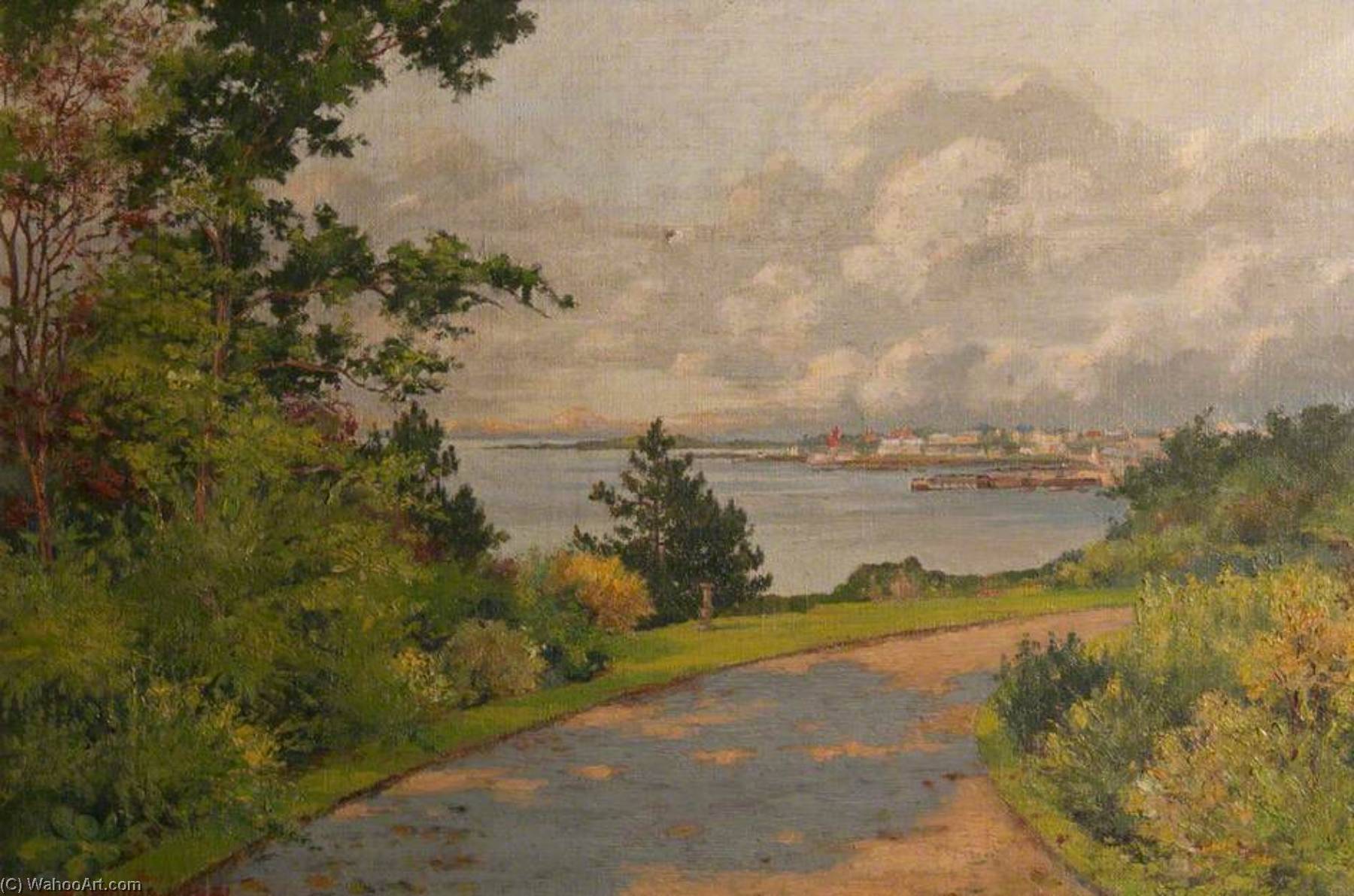
View from Princetown Lodge
 1941
1941 36.0 x 51.0 cm
 Bangor Castle
 Vezi mai mult
Reproducere pictată manual în ulei
Pictură în ulei pe pânză, realizată manual de artiștii noștri la dimensiunea și ramele dorite de dumneavoastră, pe comandă. ( Comandă printul Cumpără imaginea)




































Alegeți dintre dimensiunile noastre prestabilite, care respectă proporțiile originale ale operei de artă.

Puteți introduce propriile dimensiuni pentru a se potrivi unui anumit cadru sau spațiu. Dacă dimensiunea selectată nu corespunde proporțiilor imaginii originale, vom decupa opera de artă sau vom extinde pictura cu elemente suplimentare pictate manual. O simulare digitală vă va fi trimisă pentru aprobare înainte de începerea producției.
Vă rugăm să rețineți că previzualizarea de pe ecran nu reflectă decuparea sau extinderea reală. Doar macheta va arăta cu exactitate compoziția finală.
Deși sunt disponibile dimensiuni personalizate, vă recomandăm să selectați o dimensiune din lista predefinită pentru a păstra proporțiile originale.
După plasarea comenzii, echipa OriginalUniqueArt.com va contacta clientul prin e-mail pentru instrucțiuni și îi va furniza o previzualizare a machetei
Livrare în întreaga lume () în 3-4 săptămâni, în loc de cele 5 săptămâni standard. (20 August). Fără compromisuri în ceea ce privește calitatea.

Livrare expres gratuită la nivel mondial

Pânză de in de înaltă calitate

Asigurare completă pentru transport

Garanție de rambursare a taxelor vamale

Garanția fidelității culorilor

Politica de retur în 60 de zile (doar pentru defecte)

Garanție de rambursare 100%

Ofertă pentru comenzi multiple
 Opțiunea cu sticlă este disponibilă doar pentru dimensiuni de sub 110 cm

View from Princetown Lodge
Tehnică de reproducere
Dimensiune reproducere
-


Preț total calculat
$ 300
Descriere operă de artă
About the Painting
The View from Princetown Lodge depicts a scenic countryside view with a dirt road running through it, surrounded by trees on both sides. The distant boats visible in the water add to the picturesque scene, while the cloudy sky above creates depth and interest. This painting is a prime example of landscape art, where the artist has successfully conveyed a sense of tranquility and calmness.Artist and Style
Robert John Woods was a skilled artist known for his work in oil on canvas. His style is characterized by attention to detail and a deep understanding of color and light. The View from Princetown Lodge showcases the artist's ability to balance colors and create a harmonious composition.- The painting is available for viewing at the Bangor Castle in Bangor, United Kingdom.
- A similar artwork by Robert John Woods is the Seacourt and the Coastal Path, which can be found on OriginalUniqueArt.com.
- For more information on Robert John Woods and his artwork, visit the OriginalUniqueArt.com website.
The View from Princetown Lodge by Robert John Woods is a remarkable painting that invites viewers to experience the serenity of nature. With its beautiful composition and attention to detail, this artwork is a must-see for anyone who appreciates landscape art.
Biografie artist
Robert John Woods: A Vision of Scottish Wilderness
The evocative landscapes of Robert John Woods, a 19th-century Scottish artist, offer a profound glimpse into the untamed beauty of Scotland’s highlands and lochs. Born in Gorrie, Huron County, Canada West (later Ontario), in 1871, Woods’ artistic journey began not amidst the rolling hills of his birthplace, but within the rugged terrain of Dufferin County, where he established a farm and ultimately became reeve. This intimate connection with the land—its dramatic light, its shifting mists, and its resilient flora and fauna—became the very bedrock of his artistic vision. While often categorized as a landscape painter, Woods’ work transcends simple representation; it's imbued with a deep sense of atmosphere, mood, and a subtle, almost melancholic appreciation for nature’s power.
Woods’ early life remains somewhat shrouded in detail, though he later moved to Carrick Township in Bruce County. His artistic training is not extensively documented, suggesting a largely self-taught approach—a deliberate choice that allowed him to develop his unique style, heavily influenced by the Hudson River School movement and the Romantic ideals of capturing sublime natural beauty. The influence of artists like Thomas Cole and Frederic Church is evident in Woods’ use of dramatic light, expansive compositions, and an emphasis on conveying a sense of awe and wonder at the scale of the Scottish wilderness. However, unlike his American counterparts, Woods filtered this influence through a distinctly Scottish lens, prioritizing the unique character of his homeland.
The Palette of Highland Light
Woods’ artistic technique is characterized by a restrained palette—a deliberate avoidance of vibrant hues in favor of muted tones of grey, brown, ochre, and deep blues. This tonal control is crucial to creating the atmospheric depth and sense of distance that defines his landscapes. He masterfully employed glazing techniques, layering thin washes of color to build up subtle gradations and textures, mimicking the effects of light and shadow on water and stone. His brushwork is often loose and expressive, conveying a feeling of movement and spontaneity—as if capturing a fleeting moment in time.
A key element of Woods’ style is his ability to capture the elusive quality of Highland light. He wasn't simply depicting the landscape; he was attempting to translate its essence – the way sunlight filters through clouds, the shimmering reflections on lochs, and the dramatic interplay of light and shadow across rugged peaks. His paintings rarely offer a clear, straightforward view; instead, they invite the viewer into a world of atmospheric suggestion, where forms are hinted at rather than explicitly defined.
Notable Works & Influences
Among Woods’ most celebrated works is “Monarch of the Glade” (1945), an oil landscape depicting a solitary pine tree standing sentinel amidst a vast expanse of moorland. The painting exemplifies his signature style—a masterful blend of atmospheric perspective, tonal control, and a profound appreciation for the solitude and majesty of the Scottish wilderness. The composition draws the eye towards the distant horizon, creating a sense of limitless space and emphasizing the insignificance of human presence within this grand landscape.
Another significant piece is “Stopping by Woods on a Snowy Evening,” though it’s important to note that this painting isn't directly related to Robert Frost's famous poem. Instead, it reflects the Romantic fascination with nature and the contemplation of solitude—themes prevalent in the art of the era. The scene depicts a quiet winter landscape, evoking a sense of peaceful introspection.
Woods’ work also demonstrates an awareness of contemporary artistic trends, particularly the influence of Japanese prints on Western artists during this period. The use of negative space and simplified forms—though less pronounced than in Japanese art—can be observed in his compositions, contributing to their overall sense of spaciousness and tranquility.
Legacy & Historical Context
Robert John Woods’ contribution to Scottish landscape painting is often understated, overshadowed by the more prominent figures of the Victorian era. However, his work represents a vital link between the Romantic tradition and the emerging modern aesthetic. His paintings offer a unique perspective on the Scottish Highlands—a vision shaped by personal experience, artistic sensibility, and a deep respect for the natural world.
During his lifetime, Woods’ art was exhibited in various venues, including the Royal Scottish Academy. His work gained recognition as a skilled interpreter of the Scottish landscape, capturing its dramatic beauty with remarkable sensitivity. Today, his paintings are held in public collections and private hands, serving as enduring reminders of Scotland's wild heart and the artistic vision of Robert John Woods.
It’s worth noting that while often categorized as an artist working within the Hudson River School tradition, Woods’ work possesses a distinctly Scottish character—a sensitivity to light, atmosphere, and the unique qualities of his homeland that sets him apart from his American counterparts. His legacy lies not just in his technical skill but also in his ability to evoke a profound sense of place and connection with the natural world.

robert john woods
1871 - 1955
Detalii rapide
- Artistic Movement Or Style: Landscape Photography
- Artists Or Movements Influenced By This Artist: ['None listed']
- Artists Who Influenced This Artist: ['Hudson River School']
- Date Of Birth: January 7, 1859
- Date Of Death: June 19, 1944
- Full Name: Robert John Woods
- Nationality: Canadian
- Notable Artworks:
- Monarch of the Glade
- Stopping by Woods on a Snowy Evening
- Place Of Birth: Gorrie, Huron County, Canada

