Ashcan School · 1904
Eakers (Robert Henri, 1904)
Robert Henri (1865–1929) a realizat Eakers. Data sa este din 1904. Face parte din mișcarea Ashcan School. Este realizată în Oil On Canvas. Este păstrat la Harvard Art Museums în Cambridge, Statele Unite ale Americii.
- 1904
- Oil On Canvas
- Harvard Art Museums, Cambridge

 Previzualizare

 Tablou în ulei pictat manual
 Trimite prin felicitare
 Distribuie
 Fișă informativă


 Descarcă imaginea
 Produse similare
 Radiografie
 Galerie foto
 Întrebări și răspunsuri

 Statistici
Eakers, pe scurt
- Titlu
- Eakers
- Artist
- Robert Henri (1865–1929)
- Artist născut în
- Cincinnati, Statele Unite ale Americii
- Date
- 1904
- Medium
- Oil On Canvas
- Unde poate fi vizualizată
- Harvard Art Museums, Cambridge, Statele Unite ale Americii
- Mișcare
- Ashcan School
- Perioadă
- Modern
- Subiect
- man, portrait, grayscale, face, shoulder, clothing
Ce reprezintă Eakers?
Identification of Eakers by Robert Henri
In this 1904 work, titled Eakers, the artist Robert Henri presents us with a quiet, singular presence. The painting focuses entirely on a single male figure, captured in a moment of stillness that feels both heavy and deeply personal. There is a certain gravity to his posture, as he sits with his arms crossed, a stance that suggests a man settled within his own thoughts.
The subject carries a contemplative or somber expression, inviting a closer look at the psychological weight he holds. Henri avoids the superficiality of a casual pose, opting instead to document a sense of introspection. Through this direct engagement, the figure becomes a study of resilience and quietude, presented without the need for external distraction or artifice.
Composition and Visual Elements
The composition is a medium close-up, focusing on the subject from the chest up. By positioning the figure slightly off-center, the artist avoids a static, formal arrangement, opting instead for a sense of immediacy. The perspective is set at eye-level, which establishes an intimate connection between the viewer and the subject's contemplative expression. This directness is heightened by a strictly grayscale color palette, where the absence of color forces a total reliance on tonal shifts to define form and presence.
Light enters the frame from the upper left, creating a dramatic chiaroscuro effect. This directional light casts strong highlights across the forehead, the cheek, and the shoulder, carving the subject out of the darkness. In contrast, the right side of the face and the surrounding background are submerged in deep shadow. These heavy shadows create a sense of depth and tension, emphasizing the contours of the face through light rather than through sharp outlines.
Technique and Artistic Style
The execution of this work suggests a deep engagement with the impasto technique, likely rendered in oil on canvas. There is a palpable sense of immediacy in the application of the medium. Bold, gestural brushwork defines the surface, moving beyond mere representation to emphasize the physical presence of the paint itself. These thick, visible strokes do more than suggest form; they actively construct the texture of the clothing and the contours of the face, lending the piece a sense of movement and raw vitality.
The artist’s approach here is reminiscent of Impressionism or early Expressionism, favoring a directness that avoids the rigidity of academic precision. Rather than relying on sharp outlines, the shapes are loosely defined through a sophisticated interplay of light and shadow. This chiaroscuro effect creates a profound sense of depth and tension, particularly where the light catches the high points of the subject's features and recedes into deep, dark tones. The result is a composition that feels both spontaneous and deeply considered.
Current Collection and Location
This work is held within the collections of the Harvard Art Museums. It is specifically part of the holdings at the Fogg Museum, where it is cataloged under the identification number 1948.85. The piece remains a permanent part of this institutional repository, preserved for study and observation.
The collection is situated in Cambridge, United States of America. Visitors to the museum can find this work within the specialized environment of the Fogg Museum's galleries. It is maintained as part of the modern and contemporary art holdings within the Cambridge campus.
În ce muzeu se află Eakers?
Harvard Art Museums
Cambridge, Statele Unite ale Americii
Istoria Harvard Art Museums Harvard Art Museums există ca o parte integrantă a Universității Harvard. Forma actuală a instituției a apărut din integrarea a trei entități distincte în anul 1983. Această unificare a adus împreună Fogg Museum, înființat în 1895, Muzeul Busch-Reisinger, fondat în 1903, și Muzeul Arthur M.


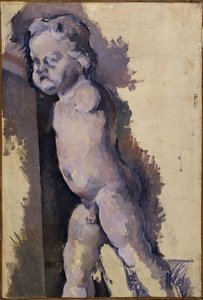
Imagini la înaltă rezoluție ale lui Eakers

Domeniu public: artistul a decedat în 1929.
Alte dimensiuni, cadrări și citări →Robert Henri, Eakers (1904), Harvard Art Museums. Domeniu public
Întrebări despre Eakers, răspunsuri
În ce muzeu se află originalul "Eakers"?
"Eakers" de Robert Henri este expusă la Harvard Art Museums, Cambridge, Statele Unite ale Americii. Mențiunea muzeului se referă la lucrarea originală, nu la reproduceri.
În ce an a fost creat "Eakers" de Robert Henri?
„Eakers” datează din 1904. Această dată plasează lucrarea în cadrul carierei lui Robert Henri și în contextul epocii sale.
Ce tehnică a fost utilizată pentru "Eakers" de Robert Henri?
Tehnica utilizată pentru "Eakers" de Robert Henri este Oil On Canvas, iar reproducerile urmăresc să reducă aspectul acestei tehnici.
Ce reprezintă "Eakers" de Robert Henri?
Temele prezente în "Eakers" de Robert Henri includ man, portrait, grayscale, face, shoulder, clothing. Împreună, acestea definesc subiectul întregii opere de artă.
Este "Eakers" în domeniul public?
"Eakers" de Robert Henri este în domeniul public (în domeniul public – drepturile de autor au expirat). Acest statut reglementează modul în care imaginea lucrării poate fi reprodusă.
La ce artist este atribuită opera „Eakers”?
„Eakers” este atribuit lui Robert Henri.
Din ce curent artistic face parte "Eakers" de Robert Henri?
„Eakers” este o operă de Ashcan School. Acest curent indică tradiția artistică din care face parte lucrarea.
În ce perioadă a carierei lui Robert Henri se încadrează "Eakers"?
"Eakers" reprezintă perioada Mature Period a lui Robert Henri.
La ce vârstă a creat Robert Henri opera „Eakers”?
Robert Henri avea 39 ani când a creat "Eakers" în 1904. Vârsta este calculată pe baza anului nașterii artistului, 1865.
Despre artistul Robert Henri

1865–1929, Statele Unite ale Americii
Robert Henri
A Turbulent Genesis: The Early Life of Robert Henri Robert Henri, născut Robert Henry Cozad în Cincinnati, Ohio, în 1865, purta încă de la naștere o senzație de deplasare și reinventare care urma să-și modeleze profund atât viața, cât și arta. Copilăria sa nu a fost deloc idilică; a fost umbrită de relația volatilă dintre tatăl său, John Jackson Cozad – un om al ambiției și riscului ca jucător de noroc și dezvoltator imobiliar – și mama sa, Theresa Gatewood Cozad. Această instabilitate s-a concretizat într-un eveniment dramatic din 1882: o împușcătură fatală cauzată de o dispută asupra terenurilor care a forțat familia să fugă, adoptând noi identități pentru a scăpa de răzbunare. Tânărul Robert a devenit Robert Henri, o tăiere deliberată de la un trecut plin de conflict și o renaștere simbolică ca artist.
Despre Robert Henri Lucrări remarcabile ale lui Robert Henri
Alte lucrări ale lui Robert Henri
 Betalo Rubino, Dramatic Dancer1916
 The Green Fan (Girl of Toledo, Spain)
 O'Malley Home (Achill Island, County Mayo, Ireland)1913
 Young Woman in Black

Eseuri despre Eakers
 The Weight of Stillness: Examining Melancholy in the Art of Edvard Munch and Hendrick ter BrugghenExplore the profound history of melancholy through Munch and Ter Brugghen. Discover the emotional depth of art today.
 Mastering the Frame: How Detailed Composition and Structural Harmony Bring Artworks to LifeDiscover the profound impact of composition on fine art. Explore how masters use geometry, light, and structural harmony to breathe life in…
 The Art of Prestige: How Fine Reproductions Anchor Elite Gallery CollectionsDiscover how museum-grade fine art reproductions anchor elite collections. Explore the intersection of historical mastery and modern luxury…