
 Vezi în context
 Trimite
 Distribuie
 Detalii
 Ghidul

 Descarcă
 Produse similare
 Radiografie
 Diaporama
 Statistici
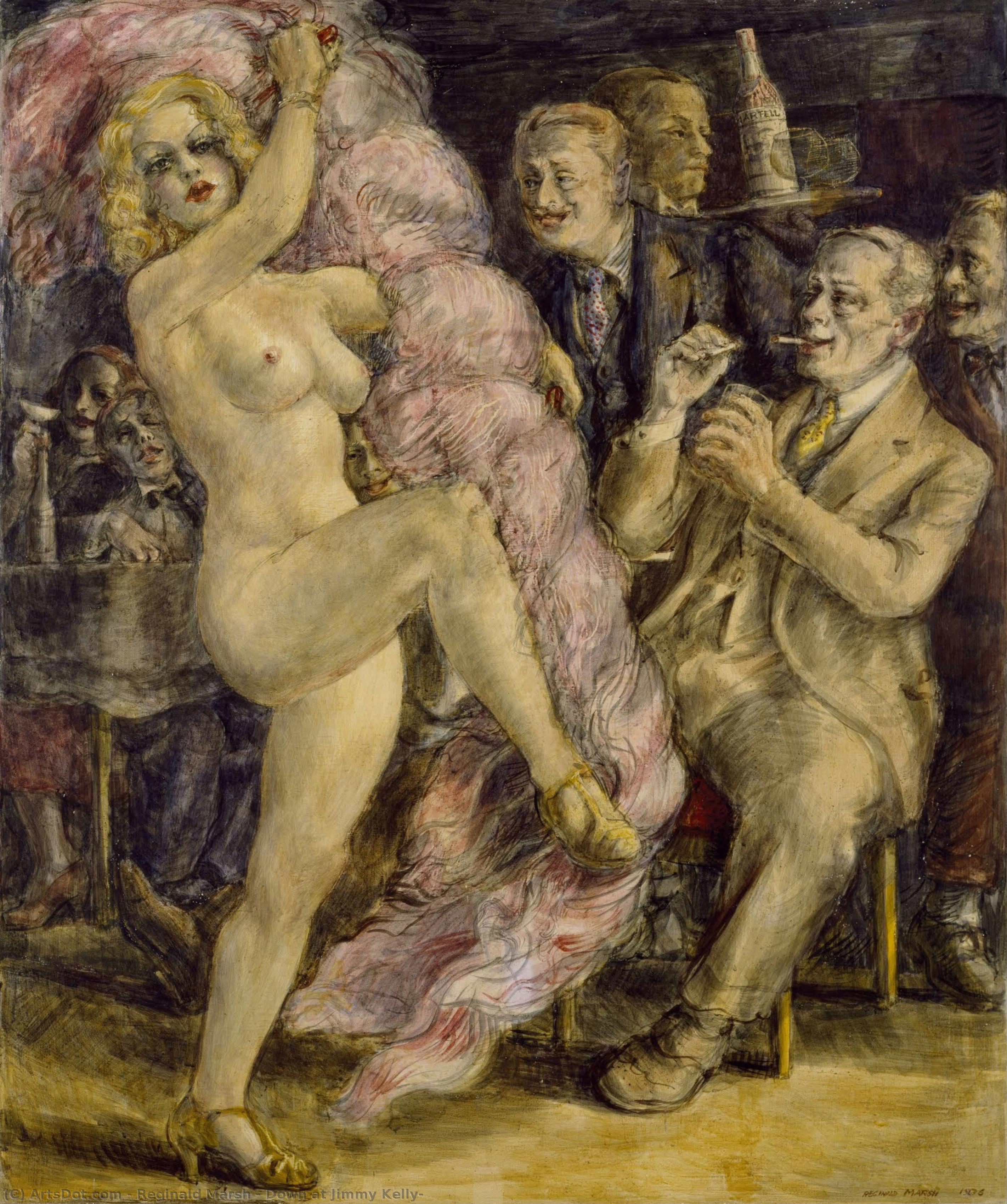
Down at Jimmy Kelly
 Acrylic
- WallArt
- Social Realism
 91.0 x 76.0 cm
 Chrysler Museum of Art
 Citește mai mult
Reproducere pictată manual în ulei
Pictură în ulei pe pânză, realizată manual de artiștii noștri la dimensiunea și ramele dorite de dumneavoastră, pe comandă. ( Comută pe versiunea Print Treci la imagine digitală)




P118B lei10

P118H lei10

P118W lei10

P438Z lei10

P508JH lei12

P508YH lei12

P805H lei10

P805Z lei10

P919BZ lei10

P919G lei10

P919XJ lei10

P959ZH lei10

P968JZ lei12

W106C lei8

W218G lei10

W218JH lei8

W218Y lei10

W307PJ lei10

W316G lei10

W316PJ lei8

W316Y lei10

W398PJ lei8

W4111J lei10

W500HY lei15

W500JH lei15

W692G lei12

W849H lei8

W940BG lei15

W953PJ lei8




Alegeți dintre dimensiunile noastre prestabilite, care respectă proporțiile originale ale operei de artă.

Puteți introduce propriile dimensiuni pentru a se potrivi unui anumit cadru sau spațiu. Dacă dimensiunea selectată nu corespunde proporțiilor imaginii originale, vom decupa opera de artă sau vom extinde pictura cu elemente suplimentare pictate manual. O simulare digitală vă va fi trimisă pentru aprobare înainte de începerea producției.
Vă rugăm să rețineți că previzualizarea de pe ecran nu reflectă decuparea sau extinderea reală. Doar macheta va arăta cu exactitate compoziția finală.
Deși sunt disponibile dimensiuni personalizate, vă recomandăm să selectați o dimensiune din lista predefinită pentru a păstra proporțiile originale.
După plasarea comenzii, echipa OriginalUniqueArt.com va contacta clientul prin e-mail pentru instrucțiuni și îi va furniza o previzualizare a machetei
Livrare în întreaga lume () în 3-4 săptămâni, în loc de cele 5 săptămâni standard. (8 Octombrie). Fără compromisuri în ceea ce privește calitatea.

Livrare expres gratuită la nivel mondial

Pânză de in premium

Asigurare completă pentru transport

Garanție de rambursare a taxelor vamale

Garanția fidelității culorilor

Politica de retur în 100 de zile (doar pentru defecte)

Garanție de rambursare 100%

Reducere pentru comenzi multiple
 Opțiunea cu sticlă este disponibilă doar pentru dimensiuni de sub 110 cm

Down at Jimmy Kelly
Tip de reproducere
Dimensiune reproducere
-


Preț total
lei 1355
Reginald Marsh: Capturing Urban Grit and Artistic Vision
Reginald Marsh (1898-1954) stands as a pivotal figure in American Social Realism, renowned for his strikingly detailed depictions of New York City during the 1920s and 1930s. More than just documenting scenes of Coney Island beaches or burlesque performances—though these undeniably populate his oeuvre—Marsh’s art embodies a profound engagement with the textures and rhythms of urban life, underpinned by an unwavering commitment to artistic exploration. His legacy resides not only in his iconic images but also in his pioneering techniques and enduring influence on subsequent generations of artists. Born in Paris above the Café du Dome, Marsh's formative years were steeped in artistic heritage. The son of Frederick Dana Marsh—a muralist who championed American Impressionism—and Alice Randall, a miniaturist painter—Marsh’s family fostered an environment where creativity flourished. His father’s early embrace of modernist aesthetics established a foundation for Marsh’s own distinctive approach to visual representation.The Canvas of Coney Island
Marsh's fascination with the burgeoning American urban landscape found its most immediate expression in works like “Down at Jimmy Kelly’s,” a vibrant tableau capturing the frenetic energy of a burlesque nightclub. Painted in 1936, this piece exemplifies Marsh’s masterful use of conte crayon and gouache—a technique he honed to achieve unparalleled realism—resulting in an astonishing level of detail that transports viewers directly into the smoky atmosphere of Jimmy Kelly's. The composition is deliberately asymmetrical, mirroring the chaotic dynamism of the scene itself; figures jostle for space amidst a backdrop of tables, bottles, and performers, creating a palpable sense of immediacy. Marsh’s meticulous rendering of light and shadow further enhances this effect, emphasizing the physicality of the environment and conveying its emotional impact—a celebration of hedonistic indulgence juxtaposed with an underlying awareness of social disparity.Symbolism Within Spectacle
Marsh wasn't merely recording what he saw; he was actively interpreting it through a lens informed by Social Realist principles. The inclusion of portraits, notably Lloyd Goodrich—a prominent art critic and Marsh’s close collaborator—serves as more than just stylistic embellishment. Goodrich represents the intellectual discourse surrounding artistic innovation at the time, highlighting the tension between aesthetic beauty and social responsibility. Furthermore, the depiction of a woman performing in burlesque underscores themes of female agency and vulnerability within a societal context marked by shifting gender roles. Marsh’s subtle use of symbolism elevates “Down at Jimmy Kelly’s” beyond mere visual representation, prompting contemplation about the complexities of urban culture and its influence on human experience.A Pioneer's Technique
Marsh’s groundbreaking approach to painting—characterized by his unwavering dedication to meticulous observation and painstaking execution—established him as a leader in American Social Realism. He rejected idealized representations, favoring instead unflinching portrayals of everyday life that confronted social issues head-on. His mastery of conte crayon and gouache allowed him to achieve remarkable tonal range and textural depth, capturing the gritty surfaces of urban spaces with astonishing accuracy. This technique—a deliberate departure from Impressionistic tendencies—became a cornerstone of Marsh’s artistic vision, ensuring that his images retained an enduring power to engage viewers emotionally and intellectually.Legacy and Influence
Reginald Marsh's influence extends far beyond his own lifetime, inspiring countless artists who followed in his footsteps. His commitment to realism combined with a keen awareness of social commentary continues to resonate within contemporary art practice. “Down at Jimmy Kelly’s,” as well as his broader body of work—including depictions of Coney Island and the Bowery—remains a testament to Marsh's enduring legacy as one of America’s most compelling Social Realist painters, securing his place in art history as an artist who captured not only the visual splendor of his era but also its underlying moral dilemmas.Întrebări și răspunsuri
Cine a creat "Down at Jimmy Kelly"?
Artistul din spatele operei „Down at Jimmy Kelly” este Reginald Marsh. Lucrarea este catalogată sub numele lui Reginald Marsh.
Ce atmosferă aduce "Down at Jimmy Kelly" de Reginald Marsh într-un interior?
Cu atmosfera sa Serene, „Down at Jimmy Kelly” este recomandată pentru o Living Room.
Ce dimensiune de tipar pentru "Down at Jimmy Kelly" de Reginald Marsh se potrivește cu camera recomandată?
Combinația recomandată pentru "Down at Jimmy Kelly" de Reginald Marsh: o printare de dimensiunea Large, ideală pentru o Living Room.
Despre ce este despre "Down at Jimmy Kelly"?
"Down at Jimmy Kelly" de Reginald Marsh reprezintă: burlesque show, nyc nightlife, jazz age, performance art, social commentary, urban spectacle, male figure.
Unde pot cumpăra o ediție print a lucrării "Down at Jimmy Kelly" de Reginald Marsh?
O printă a lucrării "Down at Jimmy Kelly" de Reginald Marsh poate fi comandată direct pe această pagină: o printă de fine art pe canvas din bumbac sau pe hârtie canvas arhivistică.
Pot comanda o reproducere în ulei a operei "Down at Jimmy Kelly"?
"Down at Jimmy Kelly" este disponibil sub formă de o reproducere pictată manual în ulei pe pânză de in. Comanda poate fi plasată pe această pagină, având la dispoziție mai multe dimensiuni.
Cum pot vizualiza "Down at Jimmy Kelly" de Reginald Marsh sub formă de diaporama?
"Down at Jimmy Kelly" de Reginald Marsh poate fi vizualizată sub formă de diaporama pe pagina dedicată operei, Diapozitive.
Biografie artist
Reginald Marsh: Capturing Urban Grit and Artistic Vision
Reginald Marsh (1898-1954) stands as a pivotal figure in American Social Realism, renowned for his strikingly detailed depictions of New York City during the 1920s and 1930s. More than just documenting scenes of Coney Island beaches or burlesque performances—though these undeniably populate his oeuvre—Marsh’s art embodies a profound engagement with the textures and rhythms of urban life, underpinned by an unwavering commitment to artistic exploration. His legacy resides not only in his iconic images but also in his pioneering techniques and enduring influence on subsequent generations of artists. Born in Paris above the Café du Dome, Marsh's formative years were steeped in artistic heritage. The son of Frederick Dana Marsh—a muralist who championed American Impressionism—and Alice Randall, a miniaturist painter—Marsh’s family fostered an environment where creativity flourished. His father’s early embrace of modernist aesthetics instilled in him a deep appreciation for the transformative power of art and its ability to convey complex emotions and ideas. Moving to Nutley, New Jersey, at the age of two, Marsh benefited from proximity to Frank Fowler's Artist Colony—a haven for American painters seeking inspiration and camaraderie—further cementing his connection to the artistic tradition. Marsh pursued formal education diligently, earning a Bachelor’s degree in Law from Yale University in 1920 and subsequently delving into art studies at Yale Art School. There he honed his skills as illustrator for Campus Humor magazine's *Yale Record*, immersing himself in the vibrant spirit of collegiate life and developing an early mastery of visual storytelling. This formative period solidified his artistic sensibilities and prepared him for a career dedicated to capturing the essence of human experience through compelling imagery. His professional journey began in New York City, where Marsh tirelessly sought freelance illustration work—a pursuit that ultimately led him to a pivotal collaboration with Peter Arno at *The New Yorker*. Beginning in 1925, Marsh’s contributions to the magazine spanned nearly two decades, establishing him as a respected voice within American journalism and cementing his reputation for astute observation and nuanced storytelling. Beyond caricature, he produced evocative illustrations for publications like *The Masses*, reflecting his commitment to social commentary and artistic experimentation. Marsh's artistic technique was characterized by remarkable versatility. Primarily working in egg tempera and oil paints—though he also embraced watercolor, ink wash drawings, and prints—he consistently pushed the boundaries of conventional painting methods. Influenced profoundly by European masters like Raphael, Leonardo da Vinci, and Michelangelo—whose reproductions adorned his father’s studio—Marsh sought to emulate their compositional strategies and expressive power. Notably, a chance encounter with Thomas Hart Benton in Paris ignited his fascination with Baroque art, prompting him to adopt Benton's stylistic approach—characterized by monumental scale and dramatic lighting—a deliberate effort to elevate his own artistic vision. He studied the techniques employed by Titian, Tintoretto, and Rubens, absorbing their mastery of color and texture. This immersion in Old Master traditions culminated in a transformative encounter with Kenneth Hayes Miller and George Luks—artists who championed realism and social engagement—who encouraged him to prioritize artistic integrity over commercial considerations. Miller’s guidance instilled in Marsh the conviction that “these awkward things are your work. These are real. Stick to these things and don't let anyone dissuade you!” He continued his artistic development under Miller’s mentorship, embracing experimentation with watercolor and oil—a testament to his unwavering dedication to honing his craft. Marsh’s exploration of European painting extended beyond mere admiration; he actively studied the techniques employed by Titian, Tintoretto, and Rubens, absorbing their mastery of color and texture. This immersion in Old Master traditions culminated in a transformative encounter with Kenneth Hayes Miller and George Luks—artists who championed realism and social engagement—who encouraged him to prioritize artistic integrity over commercial considerations. Miller’s guidance instilled in Marsh the conviction that “these awkward things are your work. These are real. Stick to these things and don't let anyone dissuade you!” He continued his artistic development under Miller’s mentorship, embracing experimentation with watercolor and oil—a testament to his unwavering dedication to honing his craft. Marsh’s meticulous attention to detail—documented through detailed records of plate etching processes and pigment mixing—reflected his unwavering commitment to preserving the legacy of Old Master techniques while forging new paths for artistic innovation. His enduring contribution to American art lies in his ability to capture both the grandeur of historical influences and the immediacy of urban experience, securing his place as a cornerstone of Social Realism and an exemplar of artistic integrity.
Reginald Marsh
1898 - 1954 , Franța
Informații rapide
- Artistic Movement Or Style: Social Realism
- Artists Or Movements Influenced By This Artist:
- Tintoretto
- Rubens
- Artists Who Influenced This Artist:
- Thomas Hart Benton
- John Sloan
- Kenneth Hayes Miller
- Date Of Birth: Paris, France (1898)
- Date Of Death: July 3, 1954
- Full Name: Reginald Marsh
- Nationality: American
- Notable Artworks:
- Atlantic Liner in Harbor with Tug
- The Steeplechase
- Asbury Park The Morrow Castle
- Place Of Birth: Paris
Articole conexe

Romantic Realism's Finest: 10 Masterpieces for Your Home | OriginalUniqueArt
Explore 10 defining masterpieces of Romantic Realism! Discover Courbet, Millet & Daumier's powerful paintings—capturing emotion and social realities. Find museum-quality reproductions for your home at OriginalUniqueArt.com.

Echoes of Society: Exploring Social Realism's Enduring Legacy in Art
Explore the powerful world of Social Realism art! Discover key artists, masterpieces & its profound social commentary. Expert insights into this influential movement's history and enduring legacy.

The Poetic Truth of Observation: Exploring 19th-Century Realism in Painting
Explore the captivating world of 19th-century Realism! Discover key artists like Courbet & Millet, masterpieces, and the powerful social commentary behind this influential art movement. Expert insights at OriginalUniqueArt.
Realism in Art: A Professional Guide to Authentic Detail and Lifelike Masterpieces for Large-Scale Interior Projects
Master the use of Realism in professional interiors. This expert guide explores 19th-century masterpieces, offering procurement managers and designers technical insights into selecting authentic, hand-painted oil reproductions for high-end hotel and corporate projects.

The Evocative Embrace of Reality: Exploring Romantic Realism in 19th-Century Painting
Explore the captivating world of Romantic Realism! Discover key artists like Courbet & Millet, masterpieces, and the social context behind this influential art movement. Expert insights for collectors at OriginalUniqueArt.
