
 Previzualizare
 Trimite
 Distribuie
 Detalii despre lucrare

 Descarcă
 Produse similare
 Radiografie
 Diapozitive automate
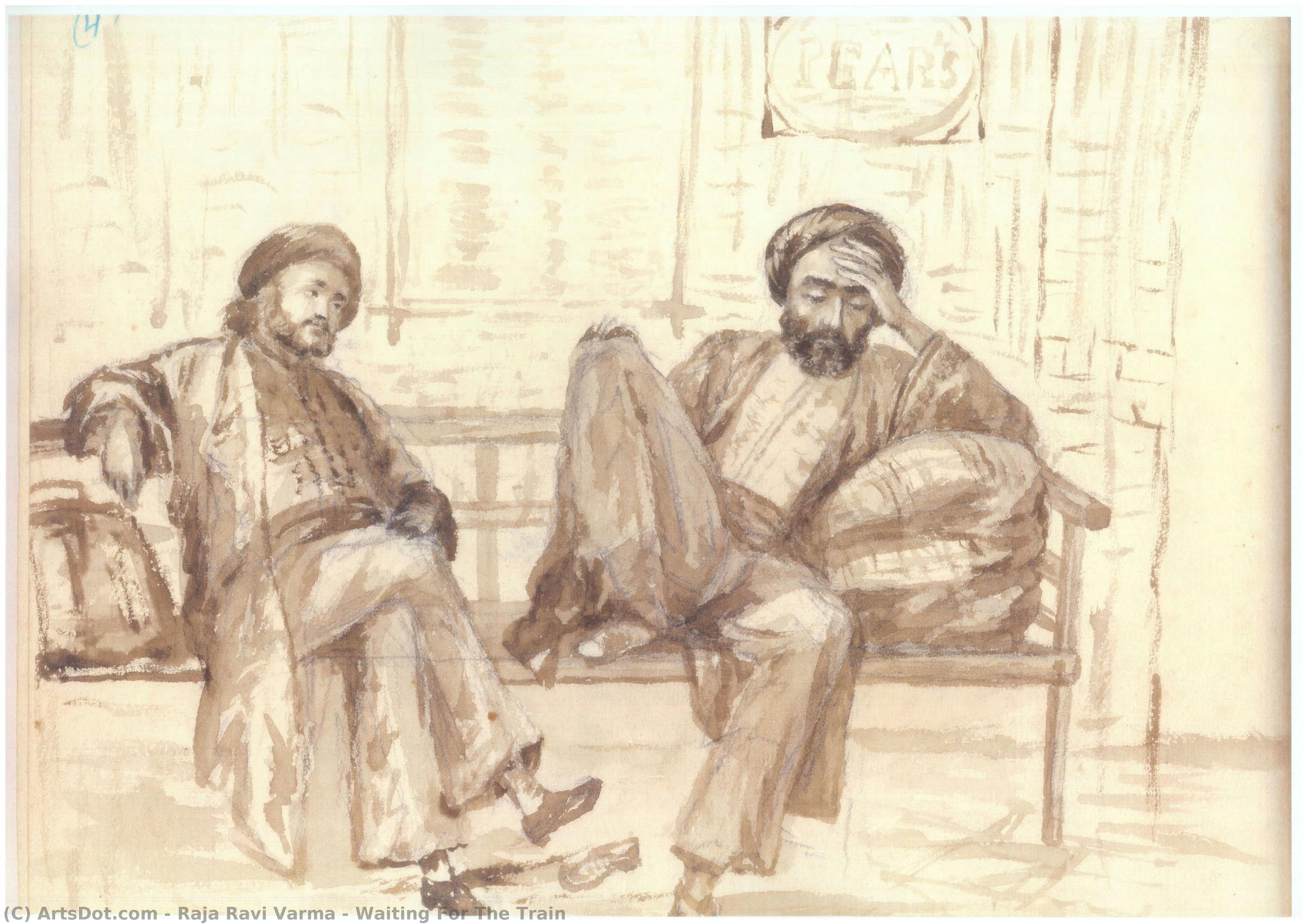
Waiting For The Train


 Vezi mai mult
Reproducere pictată manual în ulei
Pictură în ulei pe pânză, realizată manual de artiștii noștri la dimensiunea și ramele dorite de dumneavoastră, pe comandă. ( Comandă printul Cumpără imaginea)




P118B $10

P118H $10

P118W $10

P438Z $10

P508JH $12

P508YH $12

P805H $10

P805Z $10

P919BZ $10

P919G $10

P919XJ $10

P959ZH $10

P968JZ $12

W106C $8

W218G $10

W218JH $8

W218Y $10

W307PJ $10

W316G $10

W316PJ $8

W316Y $10

W398PJ $8

W4111J $10

W500HY $15

W500JH $15

W692G $12

W849H $8

W940BG $15

W953PJ $8




Alegeți dintre dimensiunile noastre prestabilite, care respectă proporțiile originale ale operei de artă.

Puteți introduce propriile dimensiuni pentru a se potrivi unui anumit cadru sau spațiu. Dacă dimensiunea selectată nu corespunde proporțiilor imaginii originale, vom decupa opera de artă sau vom extinde pictura cu elemente suplimentare pictate manual. O simulare digitală vă va fi trimisă pentru aprobare înainte de începerea producției.
Vă rugăm să rețineți că previzualizarea de pe ecran nu reflectă decuparea sau extinderea reală. Doar macheta va arăta cu exactitate compoziția finală.
Deși sunt disponibile dimensiuni personalizate, vă recomandăm să selectați o dimensiune din lista predefinită pentru a păstra proporțiile originale.
După plasarea comenzii, echipa OriginalUniqueArt.com va contacta clientul prin e-mail pentru instrucțiuni și îi va furniza o previzualizare a machetei
Livrare în întreaga lume () în 3-4 săptămâni, în loc de cele 5 săptămâni standard. (13 August). Fără compromisuri în ceea ce privește calitatea.

Livrare expres gratuită la nivel mondial

Pânză de in de înaltă calitate

Asigurare completă pentru transport

Garanție de rambursare a taxelor vamale

Garanția fidelității culorilor

Politica de retur în 60 de zile (doar pentru defecte)

Garanție de rambursare 100%

Ofertă pentru comenzi multiple
 Opțiunea cu sticlă este disponibilă doar pentru dimensiuni de sub 110 cm

Waiting For The Train
Tehnică de reproducere
Dimensiune reproducere
-


Preț total calculat
$ 300
Descriere operă de artă
A Moment Suspended in Time: Analyzing "Waiting For The Train"
To gaze upon this evocative black and white drawing, "Waiting For The Train," is to be instantly transported to a liminal space—that charged moment between departure and arrival. It captures not merely two men on a bench, but the universal human experience of anticipation itself. The composition, rendered with careful draughtsmanship, places us at an outdoor station, a nexus point where journeys begin and end. The scattered suitcases are silent witnesses to untold stories, suggesting lives paused momentarily before the next great movement. One man, his hand raised near his face in a gesture that speaks volumes—is it contemplation, weariness, or deep thought? His companion watches him, an unspoken dialogue passing between them across the weathered wood of the bench.
The Artistry and Technique
While the original medium is a drawing, its enduring power lies in its narrative depth. The artist masterfully employs tonal contrast inherent to black and white work, allowing the subtle gradations of shadow and light to define mood as much as form. Notice the background detail: the visible clock face serves as a relentless, ticking reminder that time marches on, even when one wishes it would pause. Raja Ravi Varma, though known for his vibrant mythological scenes, demonstrates here a profound skill in capturing the mundane with such dramatic flair. The technique suggests an academic understanding of human anatomy and perspective, grounding the emotional weight of the scene within believable architectural and physical space.
Historical Echoes and Context
Dating to 1891, this piece emerges from a period of significant cultural confluence in India—a time when traditional artistic sensibilities were engaging with burgeoning European influences. The setting itself speaks to the railway age, an era that irrevocably changed human connection and movement across continents. For collectors today, owning a reproduction allows one to connect with this historical moment, appreciating how daily life was captured through the lens of grand technological shifts. It is a snapshot of transition, imbued with the weight of early 20th-century travel narratives.
Symbolism of Waiting and Connection
The symbolism here is rich and deeply resonant. The train itself represents destiny, change, and the unknown future. To wait for it is to confront one's own state of being—are we ready to move? Are we content to remain still? The interaction between the two figures suggests themes of companionship against the backdrop of individual journeys. They are together in this shared suspension, finding a quiet intimacy amidst the potential chaos of travel. This painting invites us to look inward: who are we waiting for, and what journey awaits us when the whistle finally blows?
Bringing the Scene Home
For interior design or personal contemplation, "Waiting For The Train" offers unparalleled atmospheric depth. Its monochromatic palette lends itself beautifully to sophisticated, moody interiors—think deep wood tones, aged metals, and rich textiles. It is not merely decoration; it is a conversation starter, an object that encourages pause. Owning this reproduction means curating a corner of your space dedicated to reflection, acknowledging the beauty found in the quiet moments between one chapter and the next.
Biografie artist
The Princely Brush: Raja Ravi Varma and the Dawn of Modern Indian Painting
Raja Ravi Varma, a name that echoes through the halls of Indian art history, wasn’t merely a painter; he was a cultural architect, a bridge between tradition and innovation. Born in 1848 within the opulent confines of Kilimanoor Palace, nestled amidst the verdant hills of Kerala, his life unfolded as a remarkable synthesis of aristocratic privilege and an incandescent creative spirit. He didn't simply capture images on canvas; he breathed life into ancient myths, imbued them with human emotion, and ultimately, reshaped how India perceived its own artistic heritage. Ravi Varma’s lineage was deeply intertwined with the Travancore royal family – two of his daughters were later adopted into the court, a testament to his noble standing and the profound respect he commanded. From a young age, a keen eye for detail and an innate talent for drawing manifested itself within the palace walls, nurtured initially by his uncle, Raja Raja Varma, who recognized and cultivated this burgeoning artistic ability. This early training, rooted in the established Tanjore School tradition, provided a solid foundation, but Ravi Varma’s ambition extended far beyond mere imitation; he yearned to master techniques that would allow him to translate not just likeness, but also feeling and narrative depth onto canvas.A Fusion of Worlds: Technique and Inspiration
Ravi Varma's artistic journey took an extraordinary turn during his travels – both within India and through interactions with British officials stationed in the region. He became utterly captivated by the meticulous realism and technical precision of European academic painting, diligently studying its principles: perspective, anatomy, light, and shadow. This wasn’t a simple appropriation; rather, it was a masterful adaptation. Unlike many of his contemporaries who merely replicated Western styles, Varma ingeniously integrated these techniques into his own distinctly Indian subject matter. His canvases transformed into vibrant stages for scenes drawn from the Ramayana, the Mahabharata, and the Puranas – epic tales brought to life with an unprecedented level of naturalism. He didn’t simply illustrate religious stories; he imbued them with palpable human emotion, psychological complexity, and a profound sense of drama. Consider his portrayal of *Shakuntala*, for instance—a scene brimming with longing, vulnerability, and quiet strength. The heroine's gaze, rendered with exquisite detail, conveys a depth of feeling previously unseen in Indian art. Similarly, *The Maharani of Travancore* is not merely a portrait; it’s a study of regal composure, capturing both the outward appearance of power and the subtle nuances of inner character. This fusion of European academic rigor and deeply rooted Indian aesthetics was revolutionary—a testament to Ravi Varma's artistic vision. His embrace of oil painting – a relatively new medium in India at the time – further amplified his ability to achieve an astonishing level of detail, luminosity, and emotional resonance.Democratizing Art: Lithographs and Public Appeal
Raja Ravi Varma’s influence extended far beyond the confines of royal courts and art circles. Recognizing that original paintings were largely inaccessible to the vast majority of Indians, he took a bold step—establishing the Raja Ravi Varma Fine Arts Lithographic Press in 1894. This groundbreaking venture marked a pivotal moment in Indian art history: it allowed for the mass production of affordable lithographs based on his iconic works. Suddenly, images of Hindu deities and mythological scenes were no longer confined to temples or palaces; they adorned homes across India, becoming objects of worship, cultural pride, and accessible beauty for all. These weren’t mere reproductions; they were carefully crafted interpretations—each lithograph a testament to Ravi Varma's artistic vision. The act of “democratizing art” had a profound and lasting impact on Indian society, fostering a wider appreciation for visual culture and fundamentally shaping how Indians perceived their own religious iconography. The *Hansa Damayanthi* lithograph, perhaps one of his most beloved creations, became a ubiquitous symbol of Indian identity, its image reproduced countless times and cherished by generations.Royal Portraits and Artistic Patronage
Ravi Varma’s career was further enriched through royal patronage. He served as court painter to several prominent princely states – Mewar, Baroda, and Mysore – each offering unique artistic challenges and opportunities. These experiences broadened his artistic horizons, exposing him to diverse cultural traditions and refining his skills. His portraits of Indian and British dignitaries were particularly noteworthy, capturing the essence of both cultures with remarkable sensitivity and detail. The meticulousness evident in these works reflects Ravi Varma’s dedication to portraying subjects with accuracy and grace. His ability to capture not only physical likeness but also personality and character was a hallmark of his artistic style.Legacy and Enduring Influence
Raja Ravi Varma passed away in 1906, leaving behind an indelible mark on the landscape of Indian art. He wasn’t just a painter; he was a pioneer who challenged conventional norms, embraced innovation, and skillfully blended tradition with modernity. His influence can be seen in the works of subsequent generations of Indian artists who sought to forge a distinctly national artistic identity. Museums like The Raja Ravi Varma Heritage Foundation and The Ganesh Shivaswamy Foundation continue to preserve and celebrate his legacy, ensuring that his vision endures for future generations. His paintings remain powerful testaments to his genius—masterpieces that capture the beauty, spirituality, and cultural richness of India. He truly transformed the way Indians perceived art and their own cultural heritage, solidifying his place as one of the most important figures in Indian artistic history.Exploring Varma’s World Today
For those seeking to delve deeper into the world of Raja Ravi Varma, numerous resources are available:- Explore artworks: Discover masterpieces like "Portrait of a Gentleman," "Hansa Damayanthi," and "The Maharani of Travancore" through online databases.
- Visit museums: Immerse yourself in Varma’s legacy at The Raja Ravi Varma Heritage Foundation, The Ganesh Shivaswamy Foundation, and the Kiran Nadar Museum of Art.
- Further research: Consult Wikipedia and Google Arts & Culture for detailed biographical information and scholarly insights.
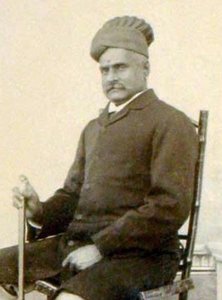
Raja Ravi Varma
1848 - 1906 , India
Detalii rapide
- Artistic Movement Or Style: Fusion tradițional
- Artists Or Movements Influenced By This Artist: ['Arta indiană modernă']
- Artists Who Influenced This Artist: ['Maestri europeni']
- Date Of Birth: 29 Apr 1848
- Date Of Death: 2 Oct 1906
- Full Name: Raja Ravi Varma
- Nationality: Indian
- Notable Artworks:
- Shakuntala
- Hansa Damayanthi
- Place Of Birth: Kilimanoor, India
Articole similare

Top 10 Tablouri Celebre Dominante de Negru: Artă, Istorie și Decor Rafinat
Descoperă Top 10 tablouri celebre dominate de negru! Explorează istoria, simbolismul și tehnicile artistice ale unor opere iconice de Rembrandt, Goya și alți maeștri. Reproduceri de artă de calitate muzeală pe OriginalUniqueArt.com – inspiră-ți decorul!

Raja Ravi Varma: Bridging Tradition & Modernity in 19th-Century Indian Art
Explore the life & art of Raja Ravi Varma, a pioneer who fused European techniques with Indian iconography. Discover his iconic paintings, lasting legacy, and influence on modern Indian art at OriginalUniqueArt.

Capodopere ale Secolului al XIX-lea: 10 Lucrări de Artă Esențiale pentru Decorul Tău
Descoperă 10 capodopere ale secolului al XIX-lea! Explorează romantismul lui Delacroix, impresionismul lui Monet și realismul lui Courbet. Găsește inspirație pentru decorul tău cu reproduceri de artă de calitate muzeală pe OriginalUniqueArt.com.
Edward Wilkins Waite: A Victorian Vision of Surrey's Serene Landscapes & Artistic Legacy
Explore the serene landscapes of Edward Wilkins Waite (1854-1924), a prolific Victorian painter celebrated for his depictions of Surrey's countryside. Discover his artistic influences, career highlights & collecting guide.
Thomas George Webster: Navigating Genre Boundaries & American Identity in 19th-Century Landscape Painting
Explore the captivating genre scenes of Thomas George Webster, a Victorian painter bridging British traditions with American themes. Discover his style, influences & legacy in 19th-century art history.



