

 Vezi în context
 Trimite
 Distribuie
 Detalii
 Ghidul

 Descarcă
 Produse similare
 Radiografie
 Diaporama
 Statistici
Galatea (?)
 1509
1509 63.0 x 100.0 cm
 Citește mai mult
Reproducere pictată manual în ulei
Pictură în ulei pe pânză, realizată manual de artiștii noștri la dimensiunea și ramele dorite de dumneavoastră, pe comandă. ( Comută pe versiunea Print Treci la imagine digitală)




































Alegeți dintre dimensiunile noastre prestabilite, care respectă proporțiile originale ale operei de artă.

Introduceți lățimea și înălțimea de care aveți nevoie, pentru a se potrivi ramei sau peretelui dumneavoastră. Această lucrare este pictată manual, așa că pentru o dimensiune cu o formă diferită, artistul poate picta puțin mai mult în jurul imaginii sau poate tăia puțin din margini — dumneavoastră decideți. Vă vom trimite o simulare digitală pentru aprobare înainte de a începe pictarea. Imaginea afișată pe această pagină nu reprezintă rezultatul real — doar simularea este reprezentativă.
După plasarea comenzii, echipa OriginalUniqueArt.com va contacta clientul prin e-mail pentru instrucțiuni și îi va furniza o previzualizare a machetei
Livrare în întreaga lume () în 3-4 săptămâni, în loc de cele 5 săptămâni standard. (23 Octombrie). Fără compromisuri în ceea ce privește calitatea.

Livrare expres gratuită la nivel mondial

Pânză de in premium

Asigurare completă pentru transport

Garanție de rambursare a taxelor vamale

Garanția fidelității culorilor

Politica de retur în 100 de zile (doar pentru defecte)

Garanție de rambursare 100%

Reducere pentru comenzi multiple
 Opțiunea cu sticlă este disponibilă doar pentru dimensiuni de sub 110 cm

Galatea (?)
Tip de reproducere
Dimensiune reproducere
-


Preț total
lei 1391
Întrebări și răspunsuri
Pot examina "Galatea (?)" mai detaliat?
Vizualizarea X-Ray a operei "Galatea (?)" de Pinturicchio se regăsește pe pagina Raze X a lucrării: o examinare interactivă a imaginii prin eleven straturi optice.
Unde pot cumpăra o ediție print a lucrării "Galatea (?)" de Pinturicchio?
„Galatea (?)” este disponibil sub formă de o printă de fine art pe canvas din bumbac sau pe hârtie canvas arhivistică. Comenzile pot fi plasate pe pagina sa de Print de Fine Art, în dimensiunea dorită de dumneavoastră.
Cum pot descoperi opere de artă similare cu "Galatea (?)" de Pinturicchio?
Opere de artă similare cu "Galatea (?)" de Pinturicchio sunt grupate în pagina Lucrări similare a lucrării.
Biografie artist
Grația enigmatică a lui Pinturicchio: Un maestru al Renașterii
Bernardino di Betto, cunoscut lumii ca Pinturicchio – un apelativ primit cu afecțiune datorită staturii sale diminutive – a apărut din inima artistică a Perugiei în anul 1454. Viața sa s-a desfășurat într-o perioadă de imens ferment cultural, pe măsură ce Renașterea Plină înflorea în toată Italia, însă Pinturicchio și-a croit o cale unică, una care îmbina eleganța persistentă a tradițiilor gotice cu inovațiile emergente ale epocii. În timp ce giganți precum Leonardo da Vinci și Michelangelo căutau perfecțiunea anatomică și realismul dramatic, Pinturicchio și-a cultivat un stil caracterizat prin grație rafinată, detalii intricate și o sensibilitate decorativă vibrantă. Călătoria sa nu a fost una a revoluțiilor dramatice, ci mai degrabă una a rafinamentului excepțional – o dovadă a abilității sale de a transforma formele consacrate în ceva unic și captivant.De la atelierele umbre, la comenzi papale
Primii ani de ucenicie ai lui Pinturicchio rămân parțial învăluiți în mister, deși se crede că și-a perfecționat abilitățile sub îndrumarea unor maeștri perugieni mai puțin cunoscuți, precum Bonfigli și Fiorenzo di Lorenzo. Un moment crucial a sosit când a intrat în orbita lui Pietro Perugino, o figură de prim-plan a școlii umbre. Conform lui Giorgio Vasari, Pinturicchio a servit ca asistent al lui Perugino, o colaborare care, fără îndoială, i-a modelat dezvoltarea artistică. Această conexiune s-a dovedit esențială în obținerea unei comenzi pentru Capela Sistină din Roma, la începutul secolului al XVI-lea. Lucrând alături de unii dintre cei mai celebrați artiști ai timpului – printre care Botticelli, Ghirlandaio și Signorelli – Pinturicchio a contribuit la acest proiect monumental, deși, din păcate, frescele sale au fost ulterior distruse pentru a face loc „Judecății” lui Michelangelo. Această experiență, totuși, i-a servit drept un pas decisiv, expunându-l la noi influențe și consolidându-i reputația.O perioadă prolifică: Roma și Apartamentele Borgia
Anii dintre 1484 și 1492 au marcat o perioadă de productivitate intensă pentru Pinturicchio, concentrată în principal în Roma. A primit comenzi de la familii ilustre, precum Della Rovere, ornând capele în cadrul bisericii Santa Maria del Popolo cu stilul său distinctiv. Aceste lucrări au demonstrat măiestria sa în tehnica frescodurii, caracterizată prin figuri delicate, fundaluri bogat ornamentate și o predilecție pentru motive decorative complexe. Totuși, lucrul său pentru Papa Alexandru VI – Rodrigo Borgia – a fost cel care i-a consolidat cu adevărat locul în istoria artei. Sarcini de a decora Apartamentele Borgia din Palatul Vaticanului între 1492 și 1494 l-au împins pe Pinturicchio să creeze un ansamblu de camere bogat ornat cu fresce ce înfățișau scene mitologice, portrete și reprezentări alegorice. Aceste apartamente, deși controversate datorită asocierii lor cu infamanta familie Borgia, rămân un exemplu remarcabil de artă decorativă renascentistă, dezvăluind capacitatea lui Pinturicchio de a îmbina motivele clasice cu propria sa sensibilitate estetică unică. Utilizarea foielui de aur, a culorilor vibrante și a tehnicilor iluzioniste a creat o atmosferă de splendoare opulentă, reflectând puterea și ambiția curții papale.Moștenire și influență durabilă
Moștenirea artistică a lui Pinturicchio este una de eleganță rafinată și măiestrie meticuloasă. Deși s-ar putea să nu fi deținut același nivel de faimă ca unii dintre contemporanii săi, influența sa asupra generațiilor ulterioare de artiști este incontestabilă. Stilul său unic – o fuziune armonioasă între grația gotică și inovația renascentistă – a rezonat cu cei care apreciau subtilitatea și detaliul. El a demonstrat o capacitate excepțională de a crea compoziții vizual uimitoare, atât estetice, cât și intelectual stimulante. Lucrarea sa din Biblioteca Piccolomini din Siena, finalizată puțin înainte de moartea sa în 1513, stă ca o dovadă a talentului său durabil. Frescele care înfățișează scene din viața Papei Pius al II-lea prezintă o claritate a formei și culorii care prefigurează stilul Renașterii Pline. Arta lui Pinturicchio continuă să captiveze privitorii și astăzi, oferind o privire asupra unei lumi pline de frumusețe, rafinament și măiestrie artistică – o lume în care atingerea delicată a unui „mic pictor” a lăsat o urmă indelabilă pe peisajul artei renascentiste italiene.- Lucrări notabile: Frescele din Capela Sistină (distruse), Apartamentele Borgia din Vatican, Biblioteca Piccolomini din Siena.
- Influențe: Perugino, Școala de Pictură Umbriană, tradiții gotice.
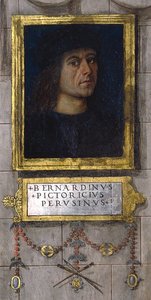
Pinturicchio
1454 - 1513 , Italia
Informații rapide
- Artistic Movement Or Style: Renaissance
- Artists Who Influenced This Artist:
- Perugino
- Bonfigli
- Fiorenzo di Lorenzo
- Date Of Birth: cca 1454
- Date Of Death: 1513
- Full Name: Bernardino di Betto Betti
- Nationality: Italian
- Notable Artworks:
- Sistine Chapel frescoes
- Borgia Apartments decor.
- Saint Augustine
- Place Of Birth: Perugia