

 Trimite prin felicitare
 Distribuie
 Detalii despre lucrare
 Ghid
Ghid

 Descarcă imaginea
 Produse similare
 Galerie foto
 Q&A
Q&A Statistici
Fountain


 Vezi mai mult
Obțineți un fișier gata de imprimare care depășește cu mult calitatea previzualizării web. Fiecare imagine digitală pe care o vindem provine dintr-un master de înaltă rezoluție din baza noastră de date — având, de regulă, o lățime între 5.000 și 15.000 de pixeli — astfel încât să puteți printa în format mare, să decupați strâns sau să reproduceți detalii fine cu încredere.
Niciun fișier nu părăsește studioul nostru fără să fie tratat. Un expert digital verifică nuanțele de culoare în raport cu pictura originală și le corectează acolo unde este necesar, apoi îmbunătățește claritatea și detaliile folosind instrumente profesionale de retușare — rămânând întotdeauna fidel gestului pictural și stilului artistului. Rezultatul este o imagine care seamănă cu tabloul propriu-zis, nu cu o scanare filtrată.
Aprobați înainte de finalizare: expertul nostru vă va trimite imaginea prin e-mail în termen de 72 de ore pentru revizuire. Nu sunteți mulțumit? Solicitați îmbunătățiri sau corecturi, ori cereți o restituire a plății dacă calitatea nu este pe măsura așteptărilor.
Aceasta este calitatea pe care se bazează editorii, studiourile de design, galeriile și tipăriturile.
Imagine Digitală
Descărcați un fișier la rezoluție înaltă pentru afișare personală, imprimare și proiecte creative. ( Comută pe versiunea Print Comandă pictură realizată manual)
Inclus în fiecare comandă de imagini digitale
Livrare digitală de expertiză, garantată
Când alegeți OriginalUniqueArt.com, nu primiți doar o simplă imagine – primiți o operă de artă digitală îmbunătățită profesional, creată cu precizie și susținută de o garanție de satisfacție. Iată tot ceea ce primești odată cu comanda ta, în mod automat:

Livrare rapidă prin e-mail
Fișierul imaginii digitale la rezoluție înaltă vă va fi trimis prin e-mail în termen de 72 de ore de la finalizarea comenzii – gata pentru utilizare imediată.

Fișier digital optimizat prin IA
Opera ta de artă este optimizată profesional prin intermediul unor instrumente AI avansate și al editării manuale, asigurând un nivel maxim de detalii, claritate și acuratețe a culorilor.

Retransmitere gratuită pe viață
Ai șters sau ai pierdut din greșeală fișierul? Nu îți face griji – ți-l vom retrimite oricând, gratuit.

Fără taxe de import – Întotdeauna
Bucură-te instant de noua ta operă de artă, fără taxe vamale, taxe de import sau costuri de livrare – descărcările digitale sunt întotdeauna fără taxe.

Garanția acurateții culorilor
Asigurăm o reflectare cât mai fidelă a culorilor originale în imaginea ta digitală, prin utilizarea unor instrumente profesionale și a proceselor de gestionare a culorii.

Garanție de satisfacție de 100 de zile
Dacă nu sunteți mulțumit de imaginea digitală achiziționată, o vom revizui sau vă vom returna 100% în termen de 100 de zile – fără nicio întrebare.

Garanție de returnare 100% a banilor
Nu ești mulțumit? Primești rambursarea integrală în termen de 100 de zile de la primirea fișierului digital – fără nicio întrebare.

Reduceri pentru comenzi în volum
Cumpără 3 imagini, economisește 10% - Cumpără 5, economisește 15% - Cumpără 10+, economisește 20%. Ideal pentru proiecte creative, galerii și agenții.
Pietro Tacca’s Monumental Vision: Exploring “Fountain”
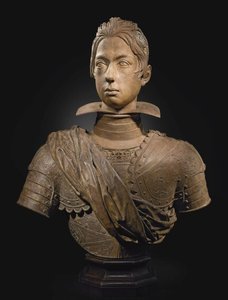
The sculpture "Fountain," attributed to Pietro Tacca (1577 – 1640), stands as a testament to the artistic fervor of Florence during the twilight years of Mannerism and the burgeoning influence of Baroque aesthetics. Crafted in 1629, this monumental piece embodies Tacca’s masterful synthesis of stylistic approaches—a harmonious blend that cemented his reputation as one of the era's foremost sculptors. Situated within Piazza della Santissima Annunziata, Florence, it serves not merely as a decorative element but as a conduit to understanding the intellectual and artistic currents shaping Renaissance Italy.A Synthesis of Mannerist Elegance and Baroque Dynamism
Tacca’s formative apprenticeship under Giambologna instilled in him a profound appreciation for refined sculptural technique and compositional balance—characteristics firmly rooted in Mannerist tradition. However, Tacca swiftly embraced the dynamism and theatrical grandeur championed by Baroque artists, resulting in a sculpture that transcends stylistic boundaries. Unlike the static poses favored by earlier Mannerists, “Fountain” depicts figures engaged in active movement, conveying a sense of energy and narrative complexity. This deliberate juxtaposition reflects the broader artistic shift toward portraying emotion and drama—a hallmark of the Baroque period’s ambition to inspire awe and convey moral instruction.The Sculpture's Composition and Technique: Marble Mastery
“Fountain” showcases Tacca’s unparalleled skill in manipulating marble—a material synonymous with Florentine sculpture during this era. The sculpture is executed in Carrara marble, renowned for its purity and luminosity, allowing Tacca to achieve remarkable textural detail and tonal gradation. Careful observation reveals the sculptor's meticulous attention to surface treatment, employing techniques such as polishing and etching to accentuate contours and create subtle variations in color. Furthermore, the sculpture’s pyramidal structure—a favored compositional device during both Mannerist and Baroque periods—provides stability while simultaneously directing the viewer’s gaze upward, reinforcing the artwork’s monumental scale and conveying a sense of aspiration.Symbolism Rooted in Mythological Narrative
The sculpture's narrative draws heavily upon classical mythology, specifically referencing tales of Perseus slaying Medusa and Asclepius reviving Hippocrates—figures imbued with potent symbolic significance. The intertwined serpents represent wisdom and vigilance, guarding the sacred knowledge embodied by the central figures. Foliage symbolizes rebirth and regeneration, mirroring the mythological themes explored within the artwork. Tacca’s deliberate selection of imagery underscores the sculpture's intention to communicate profound ideas about heroism, mortality, and the pursuit of spiritual enlightenment—concepts that resonated deeply with audiences during Tacca’s lifetime.Emotional Resonance: A Legacy of Artistic Grandeur
“Fountain” transcends mere visual representation; it evokes a palpable emotional response in viewers. The sculpture's imposing presence commands attention, prompting contemplation on themes of power and beauty. Its refined craftsmanship speaks to the humanist ideals prevalent during Tacca’s time—a celebration of human intellect and artistic creativity. Today, reproductions of “Fountain” continue to inspire admiration for Tacca’s genius and serve as reminders of Florence's enduring legacy as a cradle of artistic innovation. It remains an unforgettable masterpiece, embodying the spirit of its era and captivating audiences with its timeless grandeur.Întrebări și răspunsuri
Ce punct comun are "Fountain" cu restul creației lui Pietro Tacca?
„Fountain” împarte cu celelalte opere ale lui Pietro Tacca stilul Baroque și temele recurente: classical roman influence, medici patronage & power, mythological narrative, allegory of control, taccia's baroque mastery, sculptural counterpoint, bronze fountain innovation, monumental civic art.
Cum se îmbină stilul și epoca în "Fountain" de Pietro Tacca?
În "Fountain" de Pietro Tacca, mișcarea Baroque întâlnește epoca Early Modern.
La ce etapă din cariera lui Pietro Tacca corespunde data de 1629 a operei „Fountain”?
"Fountain", creat în 1629, aparține perioadei Mature Period din cariera lui Pietro Tacca."
Biografie artist
The Sculptural Legacy of Pietro Tacca
In the heart of Tuscany, where the white marble of Carrara meets the golden light of Florence, the life of Pietro Tacca unfolded as a bridge between two monumental eras of art history. Born in 1577, Tacca emerged from a lineage of craftsmen to become a defining voice in the transition from the elegant, often artificial complexities of Mannerism to the visceral, dramatic energy of the Baroque. His journey was not merely one of personal ambition but a profound evolution of form, where the controlled grace of his predecessors gave way to a new, breathing realism that captured the very essence of movement and emotion.
The foundation of Tacca’s genius was laid within the legendary workshop of Giambologna. Entering the atelier in 1592, the young sculptor became more than just an apprentice; he became a custodian of a sophisticated aesthetic language. Under Giambologna’s watchful eye, Tacca mastered the intricate art of bronze casting and the delicate balance of asymmetrical compositions. While his early works retained the stylized elegance and elongated proportions characteristic of Mannerist tradition, there was an emerging hunger in his work for something more tangible, more human, and infinitely more dynamic.
The Medici Court and the Bronze Masterpieces
Following the passing of his mentor in 1608, Tacca ascended to the prestigious position of court sculptor for the Medici Grand Dukes. This appointment was a transformative milestone, granting him the resources and the monumental scale required to execute works of immense historical significance. As the favored artist of the Florentine elite, he navigated the demands of powerful patrons with a skill that blended political prestige with artistic innovation. His ability to translate the grandeur of the Medici dynasty into permanent, bronze reality helped define the visual identity of Florence during this golden age.
One of his most enduring contributions to the city's landscape is perhaps found in his mastery of smaller-scale bronze works that possessed a life of their own. The famous Porcellino, a bronze boar that has become a beloved icon of Florentine folklore, exemplifies his ability to infuse even a single subject with charm and vitality. Beyond these charming figures, Tacca’s work on equestrian statues—such as the tribute to Ferdinand I de' Medici—demonstrated his capacity for monumental storytelling, capturing the power and authority of the ruling class through sweeping gestures and muscular tension.
A Synthesis of Drama and Realism
As Tacca’s career progressed, the influence of the Baroque style became increasingly undeniable. He moved away from the intellectualized puzzles of Mannerist sculpture toward a more direct engagement with the viewer's emotions. His later works, such as the poignant Tarquinius and Lucretia, showcase a profound command over narrative tension and psychological depth. In these pieces, the metal seems to lose its rigidity, adopting the softness of skin and the heavy drape of fabric, creating a sense of theatricality that was revolutionary for his time.
The historical significance of Pietro Tacca lies in this very synthesis of styles. He did not simply abandon the lessons of Giambologna; rather, he expanded them to accommodate a world that was beginning to crave realism and emotional resonance. His legacy is etched into the bronze and marble of Italy, representing a moment in time when art moved from the cerebral to the visceral, ensuring that the sculptural traditions of Florence would continue to pulse with life long after his death in 1640.
Pietro Tacca
1577 - 1640 , Italy
Detalii rapide
- Full Name: Pietro Tacca
- Nationality: Italian
- Date Of Birth: 1577
- Date Of Death: 1640
- Place Of Birth: Carrara, Italy
- Notable Artworks:
- Monument of the Four Moors
- Equestrian Monument to Philip IV
- Porcellino Florence
- Artistic Movement Or Style: Baroque & Mannerism
- Artists Who Influenced This Artist: ['Giambologna']
- Artists Or Movements Influenced By This Artist: ['Louis XIV']