

 Previzualizare
 Trimite prin felicitare
 Distribuie
 Detalii despre lucrare
 Ghid
Ghid

 Descarcă imaginea
 Produse similare
 Radiografie
 Galerie foto
 Statistici
The Soothsayer
 Oil
Oil- WallArt
- Rococo
 1750
1750- Early Modern
 60.0 x 48.0 cm
 Gallerie dell’Accademia
 Vezi mai mult
Reproducere pictată manual în ulei
Pictură în ulei pe pânză, pictată manual de artiștii noștri la dimensiunea și ramele dorite de dumneavoastră, pe comandă. ( Comută pe versiunea Print Comută pe Imagine Digitală)




P118B lei10

P118H lei10

P118W lei10

P438Z lei10

P508JH lei12

P508YH lei12

P805H lei10

P805Z lei10

P919BZ lei10

P919G lei10

P919XJ lei10

P959ZH lei10

P968JZ lei12

W106C lei8

W218G lei10

W218JH lei8

W218Y lei10

W307PJ lei10

W316G lei10

W316PJ lei8

W316Y lei10

W398PJ lei8

W4111J lei10

W500HY lei15

W500JH lei15

W692G lei12

W849H lei8

W940BG lei15

W953PJ lei8




Alegeți dintre dimensiunile noastre prestabilite, care respectă proporțiile originale ale operei de artă.

Introduceți lățimea și înălțimea necesare pentru a se potrivi ramei sau peretelui dumneavoastră. Această lucrare este pictată manual, așa că, pentru o dimensiune cu o formă diferită, artistul poate picta puțin mai mult în jurul imaginii sau poate tăia puțin din margini — dumneavoastră decideți. Vă vom trimite o simulare digitală pentru aprobare înainte de a începe pictarea. Imaginea afișată pe această pagină nu reprezintă rezultatul real — doar simularea este reprezentativă.
După plasarea comenzii, echipa OriginalUniqueArt.com va contacta clientul prin e-mail pentru instrucțiuni și îi va furniza o previzualizare a machetei
Livrare în întreaga lume () în 3-4 săptămâni, în loc de cele 5 săptămâni standard. (25 Octombrie). Fără compromisuri în ceea ce privește calitatea.

Livrare expres gratuită la nivel mondial

Pânză de in de înaltă calitate

Asigurare completă pentru transport

Garanție de rambursare a taxelor vamale

Garanția fidelității culorilor

Politica de retur în 100 de zile (doar pentru defecte de fabricație)

Garanție de rambursare 100%

Ofertă pentru comenzi multiple
 Opțiunea cu sticlă este disponibilă doar pentru dimensiuni de sub 110 cm

The Soothsayer
Tehnică de reproducere
Dimensiune reproducere
-


Preț total calculat
lei 1389
A Glimpse into Venetian Intrigue
In the heart of eighteenth-century Venice, where the mist of the canals meets the gilded splendor of aristocratic salons, Pietro Longhi captured the fleeting moments of human connection. His masterpiece, The Soothsayer, serves as a captivating window into a world of mystery and social performance. The painting presents us with a central figure, a man commanding the attention of a gathered crowd, his hand gripping a microphone—a curious, anachronistic element that invites the viewer to contemplate the intersection of prophecy and public spectacle. As he stands upon a stage, the energy of the room vibrates around him, pulling the observer into a lively gathering where every face tells a story of curiosity, skepticism, or quiet anticipation.
Longhi, often celebrated as the chronicler of Venetian daily life, eschews the grandiosity of mythological epics to focus on the intimate and the anecdotal. In this work, the composition is masterfully balanced, with nine figures scattered across the scene like notes in a visual symphony. Some lean in, drawn by the magnetism of the speaker, while others linger at the periphery, creating a sense of depth and movement. Even the presence of a small dog near the base of the frame adds a touch of domestic realism, grounding the theatricality of the event in the tangible reality of 1750s life.
Technique and the Art of Observation
The brilliance of Longhi’s technique lies in his ability to render light and texture with a subtle, painterly grace. Through delicate brushwork, he captures the sheen of silk, the soft glow of candlelight, and the varied expressions of his subjects. The artist utilizes a palette that reflects the sophisticated atmosphere of the era, employing warm tones that evoke the intimacy of an indoor salon. His mastery of genre painting allows him to transform a simple social gathering into a complex psychological study, where the interplay of light and shadow heightens the drama of the central performance.
For the discerning collector or interior designer, this piece offers more than mere decoration; it provides a narrative anchor for a room. The painting’s ability to evoke a sense of historical nostalgia makes it an exquisite choice for spaces that value elegance and conversation. Whether placed in a formal study or as a focal point in a contemporary living area, The Soothsayer brings with it the sophisticated spirit of Venice, inviting guests to linger on its details and lose themselves in the whispered secrets of the past.
A Legacy of Intimate Storytelling
To possess a reproduction of this work is to hold a fragment of history. Longhi’s departure from the traditional religious and historical themes of his contemporaries allowed him to pioneer a style that feels remarkably modern in its focus on human behavior. He understood that the true drama of life is found not in the battles of gods, but in the glances exchanged between strangers and the tension held in a silent room. This painting remains a testament to his unique vision—a blend of wit, observation, and an unparalleled ability to freeze time.
Întrebări și răspunsuri
Cum pot descoperi opere de artă similare cu "The Soothsayer" de Pietro Longhi?
Descoperă lucrări similare cu „The Soothsayer” în pagina Lucrări similare a operei de artă.
„The Soothsayer” prezintă contraste puternice între lumină și întuneric?
Nivelul de contrast al operei "The Soothsayer" de Pietro Longhi este Gentle.
În ce perioadă și în ce stil a fost creat(ă) "The Soothsayer" de Pietro Longhi?
„The Soothsayer” a fost creat în 1750, fiind o operă a mișcării Rococo. Data și stilul ancorează lucrarea în istoria artei.
Biografie artist
A Venetian Chronicler of Daily Life
Pietro Longhi, born Pietro Falca in Venice on November 5th, 1701, wasn’t painting grand historical narratives or mythological scenes; he was capturing the quiet dramas unfolding within the city's elegant homes and bustling streets. He became renowned for his witty genre paintings – intimate glimpses into the lives of 18th-century Venetians, a departure from the prevailing artistic trends of his time. The son of Alessandro Falca, a silversmith, Longhi’s early training began under the Veronese painter Antonio Balestra, who recognized and nurtured the young artist's talent. This foundation in traditional technique would later serve as a subtle counterpoint to the innovative spirit he brought to his chosen subject matter. He adopted the surname “Longhi” upon beginning his artistic career, a symbolic shedding of his father’s trade for the pursuit of painting.Early Influences and Artistic Training
Pietro Falca's formative years were marked by exposure to Venetian artistic traditions. His initial mentor was Antonio Balestra, a respected Veronese painter who instilled in him a deep understanding of Venetian painting style—characterized by broken brushwork and luminous color glazes reminiscent of Andrea del Verrocchio’s approach. Recognizing Longhi’s considerable potential, Balestra recommended him to Giuseppe Maria Crespi, another influential Bolognese artist known for his innovative use of light and color. This dual influence shaped Longhi's artistic sensibilities from the outset, grounding him in established conventions while simultaneously encouraging experimentation. He diligently studied Crespi’s techniques, absorbing lessons on composition and perspective—skills that would prove invaluable as he developed his own distinctive style.Religious Beginnings and Artistic Evolution
Longhi’s early career focused primarily on religious commissions, producing altarpieces and devotional paintings that adhered to the stylistic norms of the era. His 1732 depiction of Saint Pellegrino for the church of San Pellegrino exemplifies this period, showcasing a masterful command of Venetian painting technique—a testament to Balestra's guidance. However, Longhi’s artistic trajectory took an unexpected turn in the late 1730s when he decisively shifted towards genre scenes—a pivotal decision that would solidify his reputation as one of Venice’s most astute observers of human behavior. This transition wasn’t merely a stylistic preference; it represented a profound engagement with the intellectual currents shaping Europe at the time—particularly the burgeoning fascination with bourgeois society and domestic life.The Venetian Hogarth: Capturing Everyday Life
Longhi quickly earned the moniker “the Venetian Hogarth,” a comparison that speaks volumes about his artistic vision. Like William Hogarth, Longhi eschewed grand historical narratives in favor of portraying scenes from daily life—often infused with subtle satire and psychological insight. Unlike Hogarth’s overtly moralizing tone, Longhi's commentary was more nuanced, employing irony and observation to expose social contradictions without resorting to didactic pronouncements. His paintings are populated by figures engaged in seemingly trivial activities—gambling parlors buzzing with conversation, masked balls glittering with extravagance—yet these scenes reveal deeper truths about human nature and societal dynamics. He possessed an uncanny ability to capture the nuances of emotion and gesture, conveying a sense of immediacy and realism that distinguished him from many of his contemporaries.Style, Technique, and Legacy
Longhi’s artistic style was characterized by meticulous attention to detail—particularly in depicting textures—and a masterful use of light and color. He favored small canvases, meticulously rendered with delicate brushwork and infused with atmospheric luminescence. His interiors are bathed in soft light, creating an illusionistic depth that draws the viewer into the depicted space. Longhi’s technique was informed by both Balestra's grounding in Venetian tradition and Crespi’s pioneering explorations of chiaroscuro—the dramatic interplay between light and shadow—resulting in a style that blended realism with expressive artistry. His work resonated deeply with audiences of his time, who appreciated its charm and intellectual sophistication. He served as Director of the Academy of Drawing and Carving from 1763, furthering his influence within Venetian artistic circles. Pietro Longhi died peacefully in Venice on May 8th, 1785, leaving behind a legacy that continues to inspire artists and scholars today—a testament to his enduring contribution to Venetian art history.
Pietro Longhi
1701 - 1785 , Italia
Detalii rapide
- Artistic Movement Or Style: Venetian painting, Rococo
- Artists Or Movements Influenced By This Artist: ['William Hogarth']
- Artists Who Influenced This Artist:
- Antonio Balestra
- Giuseppe Maria Crespi
- Date Of Birth: November 5, 1701
- Date Of Death: May 8, 1785
- Full Name: Pietro Longhi
- Nationality: Italian
- Notable Artworks:
- The Tailor
- The Baptism
- Painter in his studio
- Place Of Birth: Venice, Italy
Articole similare

Pietro Longhi's Venetian Scenes: A Study of Rococo Society & Domestic Life
Explore the captivating world of Pietro Longhi's Venetian scenes! Discover insightful analysis of his Rococo masterpieces & social commentary on 18th-century life. Learn about this 'Venetian Hogarth' and his lasting artistic legacy.
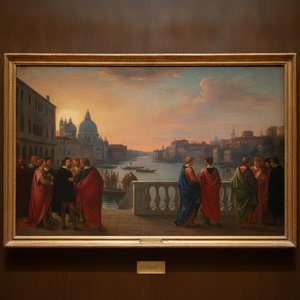
The Venetian Renaissance: A Masterclass in Colorito, Light, and the Birth of Atmospheric Brilliance
Explore the breathtaking mastery of the Venetian Renaissance. Discover how legends like Titian revolutionized art through Colorito, capturing the luminous light and vibrant pigments of the Venetian lagoon in a visual journey of unparalleled color and texture.
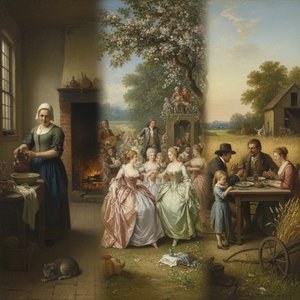
Scenes of Daily Life: A Comprehensive Exploration of Genre Painting Through History
Explore the rich history of genre painting! Discover Dutch Masters & European artists who captured everyday life with stunning realism. Learn about symbolism, techniques & lasting influence.

Jacopo Tintoretto: Cele Mai Remarcabile 25 de Capodopere – Artă Clasică pentru Decorul Tău
Descoperă cele mai frumoase 25 de picturi ale lui Jacopo Tintoretto! Explorează capodopere renascentiste venețiene, scene biblice dramatice și stilul unic al artistului. Reproduceri artă de calitate muzeală pentru decorul tău pe OriginalUniqueArt.com.

Venetian Renaissance: The Mastery of Color, Light, and the Art of Colorito
Explore the luminous mastery of the Venetian Renaissance. Discover how masters like Titian and Giorgione revolutionized art through colorito, light, and atmosphere. An expert guide to the golden age of Italian painting for collectors and enthusiasts.