

 Vezi în context
 Trimite
 Distribuie
 Detalii
 Ghidul

 Descarcă
 Produse similare
 Radiografie
 Diaporama
 Statistici
Etching No. 2


 Citește mai mult
Lucrarea de artă afișată pe această pagină este protejată de legile privind drepturile de autor, ceea ce înseamnă că nu putem crea sau vinde în mod legal o reproducere identică. Această protecție este garantată prin acorduri internaționale, precum Convenția de la Berna și de legile naționale, inclusiv cele prevăzute de Legea dreptului de autor din S.U.A. – Titlul 17. Toate drepturile rezervate. Orice reproducere neautorizată este interzisă.
Ca alternativă respectuoasă și legală, oferim tablouri pictate manual, personalizate, inspirate de original. Artistii noștri experimentați și profesioniști studiază cu atenție stilul, starea de spirit și esența artistică a originalului pentru a crea o piesă nouă și unică, care evocă aceeași emoție – rămânând, în același timp, o creație originală în sine.
Această metodă respectă pe deplin reglementările privind drepturile de autor, deoarece nu implică copierea sau duplicarea operei protejate. În schimb, este o reinterpretare creativă – o pictură nouă, influențată de original, dar care nu este identică cu acesta.
Reproducere pictată manual în ulei
Pictură în ulei pe pânză, realizată manual de artiștii noștri la dimensiunea și ramele dorite de dumneavoastră, pe comandă. ( Comută pe versiunea Print Treci la imagine digitală)




P118B lei10

P118H lei10

P118W lei10

P438Z lei10

P508JH lei12

P508YH lei12

P805H lei10

P805Z lei10

P919BZ lei10

P919G lei10

P919XJ lei10

P959ZH lei10

P968JZ lei12

W106C lei8

W218G lei10

W218JH lei8

W218Y lei10

W307PJ lei10

W316G lei10

W316PJ lei8

W316Y lei10

W398PJ lei8

W4111J lei10

W500HY lei15

W500JH lei15

W692G lei12

W849H lei8

W940BG lei15

W953PJ lei8




Alegeți dintre dimensiunile noastre prestabilite, care respectă proporțiile originale ale operei de artă.

Introduceți lățimea și înălțimea de care aveți nevoie, pentru a se potrivi ramei sau peretelui dumneavoastră. Această lucrare este pictată manual, așa că pentru o dimensiune cu o formă diferită, artistul poate picta puțin mai mult în jurul imaginii sau poate tăia puțin din margini — dumneavoastră decideți. Vă vom trimite o simulare digitală pentru aprobare înainte de a începe pictarea. Imaginea afișată pe această pagină nu reprezintă rezultatul real — doar simularea este reprezentativă.
După plasarea comenzii, echipa OriginalUniqueArt.com va contacta clientul prin e-mail pentru instrucțiuni și îi va furniza o previzualizare a machetei
Livrare în întreaga lume () în 3-4 săptămâni, în loc de cele 5 săptămâni standard. (22 Octombrie). Fără compromisuri în ceea ce privește calitatea.

Livrare expres gratuită la nivel mondial

Pânză de in premium

Asigurare completă pentru transport

Garanție de rambursare a taxelor vamale

Garanția fidelității culorilor

Politica de retur în 100 de zile (doar pentru defecte)

Garanție de rambursare 100%

Reducere pentru comenzi multiple
 Opțiunea cu sticlă este disponibilă doar pentru dimensiuni de sub 110 cm

Etching No. 2
Tip de reproducere
Dimensiune reproducere
-


Preț total
lei 1388
Etching No. 2 – Pierre Soulages: A Descent Into Darkness Illuminated
Pierre Soulages’ “Etching No. 2,” created in 1952, isn't merely an image; it’s a visceral exploration of perception and the transformative power of black. This seminal work embodies Soulages’ groundbreaking ‘Outrenoir’ style—a radical departure from traditional representation that sought to capture not what is seen but what is felt. It resides within Tate Modern’s collection, offering visitors a glimpse into the genesis of Soulages' artistic vision.Composition and Technique: Embracing Absence
The artwork presents an asymmetrical composition dominated by angular lines and fragmented shapes interwoven across the canvas. There’s no central focal point—instead, the viewer is invited to wander through the textured surface, guided by the interplay of black, white, and a bold horizontal band of crimson red. Soulages meticulously executed this etching on Arches vellum using a technique that prioritizes line and texture over spatial illusion. Thick, assertive lines etched into the metal plate are then inked and pressed onto paper, leaving indelible marks that reveal the artist’s deliberate physicality—a testament to his unwavering commitment to conveying emotion through material itself. The subtle grain of the paper amplifies the impression of depth and contributes to the overall dramatic effect.The Language of Black: Beyond Shade
Soulages famously declared that black “is a colour,” arguing that it possesses luminosity and texture akin to any other hue. In "Etching No. 2," this conviction is palpable. The pervasive darkness isn’t simply an absence of light; it actively absorbs and refracts it, creating pockets of illumination that dance across the surface. This masterful manipulation of tonal range—from deepest black to stark white highlights—mirrors Soulages' broader preoccupation with capturing the elusive essence of visual experience. The red band serves as a crucial counterpoint, injecting warmth into the monochrome palette and directing the eye’s gaze, symbolizing perhaps an insistent pulse amidst the stillness.Historical Context: Tachisme and Beyond
“Etching No. 2” emerged during the height of Tachisme—a French avant-garde movement that championed spontaneous gesture and emotional expression over rational representation. Artists like Soulages rejected academic conventions, prioritizing intuition and instinct as pathways to artistic truth. This work aligns perfectly with Soulages’ broader philosophical stance: a rejection of illusionism in favor of confronting the viewer directly with the raw materiality of pigment and substrate. It stands as an emblem of Soulages' enduring legacy—a champion of uncompromising artistic vision who redefined the boundaries of painting and printmaking.Symbolic Resonance: Tension and Transformation
The artwork’s unsettling asymmetry speaks to a deeper psychological dimension, mirroring the artist’s own exploration of inner turmoil. The intersecting lines convey a sense of dynamism and tension, reflecting Soulages' fascination with capturing fleeting moments of experience. Ultimately, “Etching No. 2” invites contemplation on themes of darkness and illumination—a visual meditation on how confronting perceived limitations can unlock unexpected beauty and reveal hidden depths. It’s a piece that continues to resonate with audiences today, cementing Soulages’ place as one of the most influential artists of the 20th century.Întrebări și răspunsuri
Este "Etching No. 2" o operă celebră de Abstract Expressionism?
"Etching No. 2" de Pierre Soulages este clasificată ca fiind Recunoscut și aparține mișcării Abstract Expressionism.
Ce nivel de luminozitate are "Etching No. 2" de Pierre Soulages?
Luminanța înregistrată pentru "Etching No. 2" de Pierre Soulages este Lumină delicată.
Cât de armonioase sunt culorile din "Etching No. 2" de Pierre Soulages?
Culorile din "Etching No. 2" de Pierre Soulages prezintă o armonie Paletă discordantă. Armonia descrie modul în care culorile interacționează între ele.
Biografie artist
Pierre Soulages: A Life in Black and Light
Pierre Soulages (1919-2022) was a French abstract painter, engraver, and sculptor. Celebrated as “the world’s greatest living artist” by François Hollande in 2014, Soulages dedicated his life to exploring the depths of black – not as an absence of color, but as a presence brimming with light and texture.
Early Life and Education
Born in Rodez, Aveyron, France, in 1919, Soulages’ artistic journey began with explorations of museums in Paris before World War II. He sought his vocation amidst the masterpieces of the past. Following military service during the war, he established a studio in Paris and debuted his work at the Salon des Indépendants in 1947. He also briefly worked as a stage set designer.
Artistic Development & The ‘Outrenoir’ Style
Soulages' artistic development was marked by a relentless pursuit of expressing light through the medium of black. He wasn’t interested in black for its somber connotations, but rather for its capacity to reflect and absorb light, creating an interplay of shadow and illumination. This led him to develop his signature style, which he termed ‘Outrenoir’ – literally “beyond black.”
He explained that Outrenoir isn't simply about the color black; it represents a different realm altogether, akin to saying "beyond the Channel" for England or "beyond the Rhine" for Germany. It signifies a space beyond conventional understanding of the color itself.
Technique and Materials
Soulages’ technique involved applying paint in thick layers, often manipulating it with tools like spoons, rakes, and rubber implements to create textured surfaces. These textures were crucial for capturing and reflecting light. He employed scraping, digging, and etching movements to achieve smooth or rough effects, disrupting the uniformity of the black surface.
In his later work, he began experimenting with varying pigment densities – mixing matte and glossy blacks – further enhancing the interplay of light and shadow. He often preferred suspending his paintings like walls in the middle of a room, believing they should “look inside of us” rather than acting as windows to another world.
Major Achievements & Recognition
- 1979: Elected as a foreign honorary member of the American Academy of Arts and Letters.
- 1987-1994: Created 104 stained glass windows for the Romanesque Abbey Church Sainte-Foy in Conques, Aveyron – a monumental achievement.
- 2001: First living artist invited to exhibit at the State Hermitage Museum of St. Petersburg and the Tretyakov Gallery of Moscow.
- 2007: Musée Fabre in Montpellier dedicated an entire room to his work, showcasing a significant donation from the artist.
- 2009-2010: A major retrospective held at the Centre National d'Art et de Culture Georges Pompidou in Paris.
- 2014: Musée Soulages opened in Rodez, France – a museum dedicated to permanently displaying his works and hosting contemporary exhibitions. He donated 500 pieces to the museum.
Influences & Legacy
Soulages’ fascination with black stemmed from an early interest in prehistoric art and a desire for purity and primal expression. He saw parallels between his work and the cave paintings of our ancestors, created using charcoal on dark rock surfaces.
His influence extends to numerous contemporary artists who explore abstraction, texture, and the expressive potential of limited color palettes. He left behind a legacy that challenges conventional perceptions of color and light, demonstrating that even in darkness, profound beauty and luminosity can be found. He is considered a pivotal figure in Tachism, an informal style of abstract expressionism.
Historical Significance
Pierre Soulages’ work represents a significant contribution to post-war abstract art. His unwavering dedication to exploring the nuances of black and light established him as a unique and influential voice in the artistic landscape, captivating audiences worldwide for over seven decades.

Pierre Soulages
1919 -
Informații rapide
- Name: Pierre Soulages
- Movement: Tachism, Abstract Expressionism, Outrenoir
- Birth Date: 1919
- Death Date: 2022
- Birth Place: Rodez, Aveyron, France
- Nationality: French
- Date Of Birth: 1919
- Notable Works:
- Sainte-Foy stained glass windows
- Polyptyques
Articole conexe

Cele mai importante 10 capodopere ale abstracției geometrice | Artă & Decor de lux pe OriginalUniqueArt.com
Descoperă cele mai importante 10 capodopere ale abstracției geometrice! Explorează istoria, artiștii (Mondrian, Kandinsky) și culorile vibrante care au definit arta modernă. Reproduceri de tablouri de lux pe OriginalUniqueArt.com pentru un decor interior rafinat. Explorează colecția online!
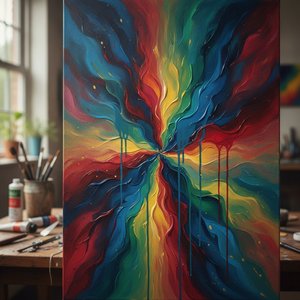
Lyrical Abstraction: The Emotional Power of Color and Form in Modern Art History
Explore the profound emotional depth of Lyrical Abstraction. Discover how masters like Raymond Parker used color and form to bridge Impressionism and Abstract Expressionism. Learn about this pivotal movement through our expert-led art history guide.

Wassily Kandinsky: Cele Mai Iconice 25 De Opere – Artă Abstractă pentru Decor Rafinat
Descoperă cele mai emblematice 25 de opere ale lui Wassily Kandinsky, pionierul artei abstracte! Explorează culorile vibrante, compozițiile unice și istoria fascinantă din spatele fiecărei picturi. Reproduceri de calitate muzeală pe OriginalUniqueArt.com – inspiră-ți decorul cu artă modernă!
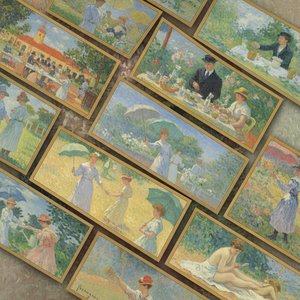
Renoir: Cele Mai Iconice Capodopere – Artă, Frumusețe și Decorațiuni de Lux
Descoperă cele mai frumoase 25 de picturi Renoir! Explorează capodoperele impresionismului, culorile vibrante și poveștile din spatele fiecărei opere. Reproduceri artă de lux pe OriginalUniqueArt.com – adaugă eleganță locuinței tale!

Top 10 Capodopere ale Expresionismului Abstract: Artă, Artiști și Decorațiuni de Lux | OriginalUniqueArt.ro
Descoperă Top 10 capodopere ale Expresionismului Abstract! Explorează poveștile lui Pollock, Rothko și De Kooning. Reproduceri de artă de lux & inspirație decor pe OriginalUniqueArt.ro. Găsește pictura perfectă pentru spațiul tău!

