

 Previzualizare
 Trimite
 Distribuie
 Detalii despre lucrare

 Descarcă
 Produse similare
 Radiografie
 Diapozitive automate
Buste du Christ

 Vezi mai mult
Reproducere pictată manual în ulei
Pictură în ulei pe pânză, realizată manual de artiștii noștri la dimensiunea și ramele dorite de dumneavoastră, pe comandă. ( Comandă printul Cumpără imaginea)




































Alegeți dintre dimensiunile noastre prestabilite, care respectă proporțiile originale ale operei de artă.

Puteți introduce propriile dimensiuni pentru a se potrivi unui anumit cadru sau spațiu. Dacă dimensiunea selectată nu corespunde proporțiilor imaginii originale, vom decupa opera de artă sau vom extinde pictura cu elemente suplimentare pictate manual. O simulare digitală vă va fi trimisă pentru aprobare înainte de începerea producției.
Vă rugăm să rețineți că previzualizarea de pe ecran nu reflectă decuparea sau extinderea reală. Doar macheta va arăta cu exactitate compoziția finală.
Deși sunt disponibile dimensiuni personalizate, vă recomandăm să selectați o dimensiune din lista predefinită pentru a păstra proporțiile originale.
După plasarea comenzii, echipa OriginalUniqueArt.com va contacta clientul prin e-mail pentru instrucțiuni și îi va furniza o previzualizare a machetei
Livrare în întreaga lume () în 3-4 săptămâni, în loc de cele 5 săptămâni standard. (6 Septembrie). Fără compromisuri în ceea ce privește calitatea.

Livrare expres gratuită la nivel mondial

Pânză de in de înaltă calitate

Asigurare completă pentru transport

Garanție de rambursare a taxelor vamale

Garanția fidelității culorilor

Politica de retur în 60 de zile (doar pentru defecte)

Garanție de rambursare 100%

Ofertă pentru comenzi multiple
 Opțiunea cu sticlă este disponibilă doar pentru dimensiuni de sub 110 cm

Buste du Christ
Tehnică de reproducere
Dimensiune reproducere
-


Preț total calculat
$ 300
Biografie artist
The Sculptural Legacy of Pierre-Étienne Monnot
In the grand, sweeping era of the Late Baroque, few artists captured the divine drama and physical grace of marble as effectively as Pierre-Étienne Monnot. Born in 1657 in the rugged beauty of Doubs, France, Monnot’s journey from a provincial woodcarver's apprentice to a celebrated sculptor in the heart of Rome is a testament to the era's interconnected artistic landscape. Trained initially by his father, he honed his foundational skills in the workshops of Dijon, but it was his move to Italy that would ultimately define his destiny. By 1687, Monnot had settled in Rome, where he became a vital figure within a vibrant community of Burgundian expatriates, breathing life into stone through a style that blended French precision with Italian grandeur.
Monnot’s artistic evolution was deeply shaped by the masters who preceded him and the monumental atmosphere of the Eternal City. Often referred to in Italian records as Pietro Stefano Monnot, he navigated the complex social and religious hierarchies of Rome with remarkable success. His early works in Italy reflected the influence of Domenico Guidi, particularly evident in his exquisite marble reliefs for the church of Santa Maria della Vittoria. In these pieces, such as the Nativity and the Flight into Egypt, one can observe a delicate balance between narrative movement and classical stability—a hallmark of the transition from the high Baroque to a more refined, late-Baroque idiom.
Mastery of Marble and Divine Commission
The true significance of Monnot’s career lies in his ability to secure commissions that placed him at the very center of Catholic iconography. His talent for translating spiritual fervor into tangible form made him a preferred choice for the most prestigious religious institutions in Europe. One of his most profound achievements was his contribution to the Saint Ignatius altar in the Church of the Gesù, where he sculpted a pair of angels holding the IHS monogram. This work placed him alongside other titans of the era, such as Pierre Le Gros the Younger, cementing his status within the elite circle of sculptors shaping the visual identity of the Counter-Reformation.
Beyond the altars of Rome, Monnot’s reach extended to the highest echelons of the papacy and international nobility. His work on the tomb of Pope Innocent XI in St. Peter's Basilica, executed under the design of the legendary Carlo Maratta, stands as a pinnacle of his technical prowess. In this monumental undertaking, Monnot demonstrated an unparalleled ability to handle the weight of history and the solemnity of death, using marble to evoke both the permanence of the Church and the fleeting nature of mortal life. His skill was not limited to the sacred; he was equally adept at capturing the human spirit in portrait busts and mythological scenes, catering to a sophisticated clientele that sought to immortalize their own legacies through his chisel.
A Lasting Impression on Baroque Art
The historical significance of Pierre-Étienne Monnot transcends the mere execution of beautiful objects. He served as a cultural bridge, bringing the meticulousness of French training to the emotive power of Italian sculpture. His career represents the zenith of an international artistic movement where borders were fluid and talent was the primary currency. Through his works, we see the late Baroque period not just as a style of excess, but as a sophisticated language of devotion, power, and human emotion.
To reflect on Monnot's enduring impact, one might consider these defining elements of his career:
- Technical Versatility: His ability to transition seamlessly from the intimate detail of relief carvings to the monumental scale of papal tombs.
- Cultural Synthesis: The unique fusion of French structural clarity with the dramatic, swirling energy characteristic of Roman Baroque sculpture.
- Ecclesiastical Influence: A profound role in decorating the most sacred spaces of Rome, contributing to the visual splendor of the Jesuit order and the Papacy.
- International Reach: His success in establishing a lasting reputation that resonated far beyond his native Franche-Comté, reaching the courts and cathedrals of Europe.
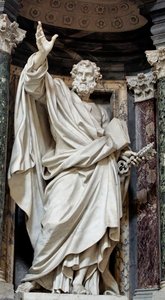
pierre etienne monnot
1657 - 1733 , France
Detalii rapide
- Artistic Movement Or Style: Late Baroque
- Artists Who Influenced This Artist:
- Domenico Guidi
- Alessandro Algardi
- Carlo Maratta
- Date Of Birth: 1657
- Date Of Death: 1733
- Full Name: Pierre-Étienne Monnot
- Nationality: French
- Notable Artworks:
- Nativity relief
- Flight into Egypt relief
- Tomb of Pope Innocent XI
- Angels with IHS monogram
- Place Of Birth: Doubs, France
Articole similare

Top 10 Capodopere din Bronz care au Revoluționat Arta | OriginalUniqueArt.ro
Descoperiți Top 10 capodopere din bronz care au revoluționat arta! Rodin, Michelangelo și alții. Aflați istoria sculpturilor clasice și inspirație pentru decorul casei dvs. Reproduceri de artă de calitate muzeală pe OriginalUniqueArt.com

Top 10 Capodopere din Bronz care au Revoluționat Arta – Inspirație pentru Decor
Descoperă Top 10 sculpturi din bronz care au schimbat istoria artei! Explorează operele lui Rodin, Michelangelo și alți maeștri, tehnicile lor unice și inspirația pentru decorul casei tale. Replici de calitate muzeală pe OriginalUniqueArt.com.

The Enduring Legacy of Bronze: A Historical & Artistic Exploration for the Collector
Explore the rich history & enduring appeal of bronze sculpture with expert insights for collectors at OriginalUniqueArt. Learn about casting techniques, iconic artists, collecting tips & contemporary interpretations.
The Enduring Legacy of Bronze: History, Technique & Artistic Expression for the Collector
Explore the rich history & enduring appeal of bronze sculpture with expert insights for collectors at OriginalUniqueArt. Learn about casting techniques, iconic artists, and collecting tips.

The Enduring Legacy of Bronze Sculpture: Technique, Symbolism & Cultural Impact
Explore the rich history & enduring appeal of bronze sculpture with expert insights for collectors. Learn about casting techniques, iconic artists, collecting tips & contemporary interpretations at OriginalUniqueArt.

